
Vibrant Dermatology

Book SkinBar MD Book Dermatology
(617) 250-0257
MENU
  • HOME
  • SHOP
  • ABOUT US
    • Meet Dr. Ip
    • Meet Our Staff
    • Why Vibrant Dermatology
    • Dr. Ip In the News
    • Featured Videos
    • Blog
    • Get Dr. Ip’s E-Book
    • Gap Year Program
    • Contact Us
  • Patient Resources
    • Appointment Policies
    • Insurance Information
  • Before and Afters
  • (617) 250-0257
  • (617) 540-5524
  • online bill pay
  • Book an Appointment
  • Medical Dermatology
    • Acne
    • Allergic Reactions
    • Autoimmune Disorders
    • Benign Growths: Seborrheic Keratoses, Skin Tags
    • Birthmarks, Brown Spots, Moles
    • Cysts
    • Eczema/Rashes
    • Excessive Sweating (Hyperhidrosis)
    • Hair Loss
    • Hives
    • Hyperpigmentation/Brown Spots
    • Keloids
    • Lipomas
    • Melanoma
    • Melasma
    • Nail Fungus
    • Psoriasis
    • Scars
    • Shingles
    • Skin Cancer
    • Skin of Color
    • Vitiligo
  • Surgical Dermatology
    • Cyst Removal
    • Lipoma Removal
    • Mole and Benign Lesion Removal
    • Skin Cancer Surgery
  • Pediatric Dermatology
    • Acne
    • Birthmarks
    • Eczema
    • Moles and Brown Spots
    • Skin Allergies
    • Skin Cancer
  • Cosmetic Dermatology
    • Aqua Facial
    • Neurotoxin (Jeuveau)
    • Chemical Peels
    • Era Elite Laser
    • Hair Loss Treatment
    • IPL Treatment
    • Juvederm
    • Kerafactor
    • LaseMD
    • Laser Treatment for Facial Veins
    • Melasma & Hyperpigmentation Treatments
    • NeoClear Laser Acne Treatment
    • NeoSkin Skin Rejuvenation Treatment
    • Non Surgical Face Lift “Liquid Lift”
    • PRP Treatment
    • PRX Skin Revitalization
    • Radiesse
    • Restylane
    • RF Microneedling
    • Sculptra
    • Sofwave Skin Tightening
    • Stretch Marks Treatment
    • Scalp Revive
  • Wellness
    • Sexual Wellness
    • O-Shot
  • Home
  • Shop
  • About Us
    • Meet Dr. Ip
    • Meet Our Staff
    • Why Vibrant Dermatology
    • Dr. Ip In the News
    • Featured Videos
    • Blog
    • Get Dr. Ip’s E-Book
    • Gap Year Program
    • Contact Us
  • Services
    • Medical Dermatology Services
    • Surgical Dermatology
    • Pediatric Dermatology
    • Cosmetic Dermatology
    • Health and Wellness
      • Sexual Wellness in Dedham, MA
      • Weight Loss in Dedham, MA
  • Before and After Gallery
  • Book Appointment
  • All Products
  • Online Bill Pay

Blackhead 101: The Cause and Treatment

Photo by bruce mars from Pexels

Many acne sufferers struggle with blackheads. Blackheads are oxidized dead skin cells that have plugged up your pores.  As a teenager, I used to think that blackheads resulted from dirty skin. However, this couldn’t be farther from the truth. Blackheads and whiteheads occur because your skin cells are not turning over as efficiently as they should. Rather than having old skin cells slough off into the environment, they get stuck in your pores.

It’s important to understand what causes blackheads, because that will also help you to understand how you can treat them. Since blackheads are essentially a plugged pore, treating blackheads involves unplugging the pores, so to speak.

One of the most effective ingredients for increasing skin cell turnover and for unplugging pores is salicylic acid. You can find this acid in a number of over the counter acne washes. However, the best way to treat blackheads is to leave the salicylic acid on your face. One company that makes a great leave-on salicylic acid products is Hydropeptide. Their 5x Power Peel Daily Resurfacing Pads(order with code ‘Doctor-Ip and save!) contain a blend of acids, including salicylic l acid, that you wipe onto your skin after washing. You then apply your moisturizer right on top of that. This helps fight breakouts all day long. For the more mature woman, who is also worried about anti-aging, their Redefining Serum (order with code ‘Doctor-Ip and save!) contains a blend of anti-aging antioxidants as well as the blackhead fighting power of salicylic acid find amazing lip augmentation product.

Another powerful blackhead preventing/treating product is topical retinoids. Like salicylic acid, retinoids prevent clogged pores by promoting skin turnover. However, this medication is much stronger than salicylic acid and must be used sparingly. A pea-sized amount to the face nightly is the maximum amount of product that should be used.  Previously, you were only able to get a retinoid with a prescription from a dermatologist. Now, the gentlest retinoid we have available can be purchased over the counter. It is called Differin 0.1%. 

Lastly, for more stubborn whiteheads and blackheads you may want to consider chemical peels. Chemical peels contain higher concentrations of acids than what you can find in over the counter acne products. The acids found in the peels will literally dissolve the plugs that are causing your blacksheads and white heads. No plugs, no whiteheads.  There are a number of peels available, so it’s best to see a dermatologist to find out what peel would be best for your acne.

Can You Use Laser to Remove Stretch Marks?

Can You Use Laser to Remove Stretch Marks?

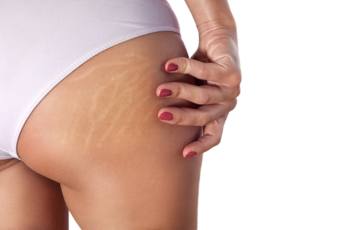
If you’ve gone through pregnancy or experienced growth spurts and fluctuations in your weight, you might have stretch marks on your stomach, thighs, or buttocks. Although these marks are harmless, you might not like the way that they look. At Vibrant Dermatology & Skinbar MD in Dedham, Massachusetts, we can minimize these marks with advanced laser technology.

We provide these treatments to people living in and around the Boston, Dedham, Norwood, Westwood, Milton, Canton, Walpole, Sharon, Foxboro, and Needham areas.

Can You Use a Laser to Remove Stretch Marks?

Stretch marks, which scientists call striae, are lines that look lighter or darker than the rest of your skin. These marks are likely to develop when you experience a period of rapid growth. These marks form as your skin stretches and the connective fibers in your skin weaken. Laser treatments are a fantastic way to fade these imperfections and obtain attractive, blemish-free skin.

During your appointment, we will improve the appearance of your skin by using a laser to send energy into your body. This energy will give you smoother, healthier-looking skin. As your skin responds to this energy, the appearance of your stretch marks will be minimized.

How Many Treatments Will I Receive?

When you come to our office for your initial consultation, we will take a look at your stretch marks and discuss the aesthetic outcome that you would like to achieve. Once we’ve examined your body, we’ll let you know how many cosmetic treatments you will need. Although your schedule will be unique, it’s common to receive multiple treatment sessions.

Our treatments are able to minimize your imperfections without harming your surrounding tissues. As a result, you’ll have minimal or no downtime after we’ve treated your skin. That said, we may give you topical creams to rub onto your treatment area. These creams will boost your body’s production of elastin and collagen and enhance the effects of your treatment sessions.

Who Is Eligible for This Aesthetic Treatment?

Before we treat your skin, we will review your medical record to ensure that you are in good enough health to receive your desired treatment. If you are not a good candidate for your preferred cosmetic technique, we can suggest other options that will work for you.

Can I Use Other Methods to Improve My Skin?

In addition to laser treatments, we can use topical creams and microneedling with platelet-rich plasma to improve your appearance. During a microneedling treatment, we will use needles to make very small injuries in your skin. These tiny injuries will allow your tissues to absorb a healing substance called platelet-rich plasma.

Certain dermal fillers can also reduce your imperfections by increasing the collagen fibers in your skin. As these connective fibers build up in your body, your unwanted marks will fade away.

Enhance Your Skin

Your stretch marks don’t have to be a permanent part of your life. Receiving a series of cosmetic treatments is a great way to fade these marks and give your skin a refreshed, attractive look.

Our Collagel Eye Mask Review

As a dermatologist, it’s my job to stay ahead of anti-aging treatments and tips. One question I get asked on a daily basis is “what eye treatment do you recommend, Dr. Ip? “  If the eyes are windows into the soul, they are also windows into how your body is aging. In fact, the eyes are one of the first places on face to show the signs of aging. The skin around our eyes is some of the thinnest skin on our body, which makes it extremely vulnerable to environmental toxins and UV rays.  My eyes are no exception. I started noticing small little crow’s feet (lines at the corners of my eyes) creeping up in my early 30s.

Preventative Botox and under eye serums have greatly improved the skin around my eyes. However, after a stressful work week, a few late nights, or a long flight, my eyes can look puffy and unusually tired, which is why I jumped at the chance to try the Hydropeptide Polypeptide Collagel Eye Masks!

One of the biggest Korean beauty trends to hit America by storm is the sheet mask. What makes sheet masks unique is that they can deliver cosmeceuticals deep into the skin by putting the products under occlusion. The masks can be made of cotton sheets or hydrogels and they can be soaked with a variety of ingredients that claim to hydrate, tighten, and brighten the skin. I have routinely been incorporating masks into my skin care routine once a week.

What makes the collagel eye masks special is that they are infused with growth factor peptides, caviar extract, Aloe, hyaluronic Acid, and a vitamin blend that is supposed to increase skin hydration and boost skin collagen in just one application.  So, I decided to give them a try after a long week of work related travels. First, I cleansed my face with a gentle cleanser, making sure removal all eye make up. I then applied the eye masks. The widest part of the mask is placed on the outer corners of the eye covering any fine lines around the eyes then the narrowest part is placed on the inner corners of the eye. I left the eye masks on for approximately 20 minutes and fine the best wrinkle remover product. 

I have to say that I was pleasantly surprised by how much better my eyes looked after one application. The first thing that I noticed was that my eyes looked much brighter, and far less tired than they did before I applied them. The second most striking thing I noted was that the fine lines under my eyes were greatly improved. No doubt, this stems from the hyaluronic acid that acts as a humectant and draws water to the skin. While the effects of one treatment are temporary, with consistent use you are definitely infusing amazing collagen stimulating ingredients into the skin. Now, as a dermatologist, I pride myself on being completely transparent when it comes to the cosmetic procedures that I have. While Botox will continue to be a part of my eye anti-aging routine, this eye candy will definitely be added to my weekly anti-aging/pampering routine!

If you want to try to the Collagel Masks, check out Hydropeptide’s website. You can use the code Doctor-Ip to receive 20% off your purchase.

Marathon Skin Care

As someone that works and lives in the Greater Boston Area, there’s nothing that quite brings the city together like the Boston Marathon— especially since the tragic bombing in 2013. But it has been both encouraging and uplifting to see so many passionate, dedicated athletes return year after year and refuse to be deterred. And because of that, I look forward to seeing the blue and yellow take over the city a little more every year. Instant Wrinkle Remover

While I won’t be running this year, I have a few skin care tips that could make all the difference for runners. Because while marathons require months and years of physical training, skin preparation and aftercare is something that should never go overlooked.

Before/during the run:

This seems straightforward enough to most people, but I can’t over-emphasize the importance of staying hydrated. It’s not just essential to your endurance, but essential to your skin. The last thing you want to deal with while running is sore, flaky skin due to sun exposure. It goes without saying that running works up a sweat. Make sure to keep your electrolytes in balance during your run in order to avoid muscle cramps or more serious health issues.

A common problem that I see among runners is a skin condition called Grover’s disease. Grover’s disease appears as itchy red bump on the chest. This rash is secondary to inflammation of the sweat ducts. If you suffer from this condition, a mild over the counter hydrocortisone cream may be helpful. A good OTC hydrocortisone to try is Vanicream HC.However, if your rash is severe you will want to see a dermatologist.

Some runners find that they are more prone to folliculitis. One type of folliculitis –pityrosproum folliculitis is very very common in runners. Pityosporum folliculitis results from an overgrowth of yeast at the leval of the hair follicle. A good way to prevent this is by using a Z/P bar. These soaps contain zinc pyrithioe which fights yeast. 

If you are prone to acne, you will want to make sure to cleanse and exfoliate your skin to get rid of all of the dirt and build up that can clogged pores.

Don’t wear makeup. I don’t care what any brand claims — no makeup is going to look good or stay in tact after a 26 mile run. And more importantly, wearing makeup during a long, physically demanding task that will cause you to sweat is just asking for clogged pores and acne.

Use sunscreen. Not only do you want to avoid tan lines, but no matter your race, ethnicity or complexion it’s important to protect your skin from harmful UV rays that could ultimately lead to cancer. As I’ve said before, cancer doesn’t discriminate. When you are running, you want to look for a water resistant sunscreen. Water resistant sunscreens impart 80 minutes of sun protection while you are sweating or swimming. You’ll want to look for a physical blocker like zinc and titanium oxide which may stay on the skin a bit better during a long run.

Lastly, let’s talk about chafing. Who doesn’t remember that scene in The Office where Andy goes the extra mile to avoid chafing.
Luckily, you won’t have to go as far as he did to protect yourself from chafing. Chafing can occur wear the clothes or skin are rubbing against skin (groin, butt) it can also occur on the feet. To protect your skin from this you want to use a skin barrier/skin protectant. My favorite is Vaniply because it contains a powerful skin protectant called dimethicone. You can also use Petroleum Jelly.

After the run, make sure to thoroughly cleanse your skin and get yourself the carbs and cosmos you deserve!

Everything you need to know about Hair Removal (down there!)

Spring break season is officially upon us, and people all around the country are heading south to celebrate time off from school. So you’ve got your bikini bod and you’ve packed your sunscreen, but what about your hair down there? Though we evolved with pubic hair to protect our nether regions, they’ve become quite a hassle for many women on vacation that prefer a smooth, hairless look down there.

Luckily, there are several solutions for ridding yourself of your hair down there just in time for spring break season.

The most common way that people remove hair is through shaving, but with shaving comes the risk of razor burn, irritated skin, and a potentially painful condition called folliculitis. Folliculitis is inflammation of the hair follicles that can result from bacteria. For those who shave, I always recommend  trimming the hair first. You want to make sure to clean the area with a gentle cleanser to decrease the risk of introducing bacteria into your skin. After that, use a natural shaving cream or gel (bonus points if it contains aloe Vera) and shave in the direction of your hair growth. If you find that you are prone to razor bumps or folliculitis, it’s a good idea to get a prescription antibiotic to use after shaving. By applying the antibiotic right after shaving you will decrease inflammation and bacteria.

The next most common method of hair removal down below is waxing. Your two options are either a Brazilian wax or a bikini wax. As the name indicates, the bikini wax removes hair from the bikini line, whereas the Brazilian wax removes everything — unless you’re uncomfortable being completely bare, in which case you can request a small, neat strip or patch is left. When getting a wax, it’s important to visit a clean facility you trust with a licensed, experienced practitioner that uses fresh wax (and fresh strips if their methodology involves them). Some people are allergic to wax. I often recommend a test area prior to opting for a large treatment.

If you have extremely sensitive skin that is prone to razor bumps and irritation, you may want to dry a depilatory cream. This is a cream that removes hair from its root. It is usually applied to the skin for about 3 minutes and then washed off using a wash cloth. Brands I like are Nair sensitive skin formula. By removing hair in this fashion you are less likely to get razor bumps.

What if you are prone to ingrown hairs? Women with curly or coarse hair down there are more likely to experience ingrown hairs. This happens with the curly hair bends back on itself and gets stuck under the skin instead of growing out normally after the hair removal process. The best way to avoid this painful problem is to avoid non-permanent forms of hair removal. If you can’t avoid hair removal opt for depilatories or better yet, laser hair removal.

The most permanent (and expensive) solution to hair down there is laser hair removal, which destroys hair follicles over a period of time that requires several treatments. I can’t stress enough how important it is to seek treatment at a reputable clinic. Laser hair removal is not a one size fits all procedure. Different lasers must be used depending your skin type and skin color. I can’t tell you how many injuries I have seen secondary to botched laser hair procedures, including burns and permanent hyperpigmentation. When it comes to laser hair removal cheaper is not better.

There are options for every spring breaker; what it comes down to is largely pain tolerance and price point. But if you’re mindful, you can have a carefree hair-free spring break on any budget.

Do I have an STD? Taking Care of the Skin Down There

Sexually transmitted diseases (or STDs) are an awkward subject for a lot of people to talk about, and many patients tend to feel anxious or embarrassed to ask their doctors about them. But as doctors, our jobs are to keep you as healthy as we possibly can, and we can’t do that unless we’re well informed about what’s going on in your body.

And this might surprise you, but a great deal of STD skin care falls under the jurisdiction of dermatologists like myself, because a lot of STDs have symptoms that include unsightly reactions.

The most common STDs that dermatologists end up addressing are herpes simplex virus (HSV), genital warts, syphilis, and chlamydia. It’s important to have a basic idea of what these STDs look like so that you know when to seek medical attention.

  • Herpes simplex virus (HSV) creates painful, unattractive sores on the genitals and mouth. The challenging thing about HSV is that can be transmitted even when you don’t have active sores. This is why suppressive therapy may be necessary. Common places to find HSV are on the mouth (most common and not necessarily sexually related), on the genitals (may be transmitted from oral sex, as well as sexual intercourse), and on the buttocks (often transmitted from spooning after sex).
  • Genital warts are (generally) painless, non-itchy, small, flesh colored bumps induced by HPV. Sometimes larger cauliflower-like growths may appear. HPV can cause cervical cancer in women, and penile or anal cancer, so it’s important to have HPV treated.
  • Syphilis causes big, open sores on the lips, mouth, and tongue and if left untreated can develop into a red rash all over the body.
  • Chlamydia may manifest itself as vaginal discharge, pain during urination, or genital inflammation — but it can also turn into a form of pink eye and cause permanent sight loss if left untreated. 

The most important things to know when it comes to STDs is that they are serious diseases that absolutely require professional medical attention. Do NOT try to self-treat or medicate STDs, and if you suspect you have an STD do NOT ignore the symptoms, because the longer you wait to address them, the more damage they can do to your body.

And any serious doctor will heavily encourage the use of condoms as a preventative measure. While some people are allergic to latex and the more popular materials, there are low cost-effective alternatives for everyone.

Dermatologists both diagnose and treat STDs. Bacterial STDs are treated with antibiotics and while viral STDs can’t be cured, the symptoms can be managed with medication.

Again, I highly advise consulting a board-certified dermatologist if you suspect you have an STD.

Anti-Aging On A Budget

As we get older, anti-aging products naturally play an increasingly significant role in our skin care routines. Fighting wrinkles and hyperpigmentation creep higher and higher on our priority list. And finding the right products is a challenge for a lot of people — especially when some of the more efficient products and procedures can leave you with bank statements anywhere from the hundreds to thousands.  I do have to admit that as a board certified dermatologist, most of my favorite products are on the pricier side and both the surgical and non-surgical enhancements I perform can cost a pretty penny. But if your purse strings are a little tight, there are still plenty of options for you.

So here are some of the best products that allow you to age with grace at any income.

The absolutely essential products to an anti-aging skin care routine are under eye products, anti-wrinkle products, dark spotpreventing/correcting products, face masks and moisturizers.

The best budget under eye product in my opinion is the Garnier Ultralift Anti-Wrinkle Eye Roller. This product contains caffeine which helps to constrict blood vessels and combat under eye puffiness.

My favorite inexpensive anti-wrinkle products are the Olay Regenerist Microsculpting Serumand L’Oréal Paris Age Perfect Hydranutrition Advanced Skin Repair Serum. This products contain retinol, which is a weaker version of anti-aging powerhouse retinoids. Retinoids are an ingredient scientifically proven to stimulate collagen production. However, prescription retinoids can often be too irritating. Should you want to give a real retinoid (not the weaker retinol) a chance, try Differin Gel. This is the first over the counter prescription strength retinoid. You’ll find it in the acne aisle, because retinoids are used to treat comedonal (whitehead/blackhead) acne. Use this product spraining. A pea-sized amount to the entire face.

Ambi Skincare Fade Cream is my favorite dark spot correcter, and can reduce the appearance of dark spots in just a month. It’s important to only apply the cream to the dark spots, because otherwise you could accidentally lighten the skin around them. This product contains 2% hydroquinone.  It cannot be used for more than 3 months at a time.

My favorite anti-aging face masks are the Freeman Feeling Beauty Pineapple Facial Enzyme Mask — an exfoliating acid mask — and BioMiracle Anti-Aging & Moisturizing Face Mask Sheets — which reduces fine lines. To find out more about face masks and which types could work best for your skin type, check out my comments on the subject in Beauty Store Business.

Should I Get A Chemical Peel?

Chemical peels have got somewhat of a bad wrap in the past. Who remembers the classic Sex & The City episode where sex pot Samantha got a peel ahead of Carrie’s book launch? Or when Dennis from Always Sunny in Philadelphia’s chemical peel went awry? Don’t let the sitcoms scare you though — chemical peels can work wonders for the skin when done correctly. And as celebrities and influencers have publicly embraced them and other cosmetic procedures, people have become more and more curious about chemical peels. Have you every wondered whether a chemical peel would be good for your skin?  Here’s what you need to know about them.

First of all what exactly is a chemical peel? It’s a chemical solution applied to the skin causing it to exfoliate, revealing a fresh, renewed layer underneath. It’s an outpatient  procedure performed by a health care professional.

To put things simply, chemical peels rejuvenate your skin. They remove the layer exposed to the elements and reveal another one. They make you look healthier and younger by unclogging your pores, clearing acne, evening out and softening skin, and reducing fine lines. They improve the texture, cell turnover, moisture retention, and collagen production.

Cell turnover, moisture retention and collagen production aren’t terms you probably hear of often if you aren’t well versed in beauty and health, but they are absolutely fundamental to maintaining beautiful, youthful skin. Chemical peels are especially helpful because as we age, our bodies stop doing these things on their own naturally at the rates they once did.

You can get chemical peels from an esthetician or a physician. Those administered by an esthetician tend to be very gentle. While they may give your skin a glow, they don’t compare to the medical grade peels that a board-certified dermatologist would perform.

In my office, the three most popular peels performed are the vi-peel, the modified jessner’s peel, and the salicylic acid peel. The VI-Peel works well for preventing many signs of aging, including fine lines, wrinkles, and brown spots. The modified jessner’s peel works well for conditions like melisma. Lastly, the salicylic acid peel works wonders for acne.

Don’t get a chemical peel if you’re pregnant or nursing. The effects they can have on children are still largely unknown. There are plenty of other alternatives for patients that are pregnant or nursing that don’t put their children at risk.

Although chemical peels can help people of all complexions and hues, the lighter your hair and skin, the lower your risk of uneven skin after the procedure. Patients with darker hair and skin are still eligible for chemical peels, but should be mindful and cautious, and seek doctors experienced with ethnic skin.

If you’re suffering from sagging skin or severe wrinkles, a chemical peel is not the right procedure for you. Chemical peels also don’t work for dynamic forehead wrinkles (you need botox for that!).  If you want to know what procedures I recommend based on your age, check out my blog post 4 decades of beautiful skin.

6 Toxins That Could Be Hiding In Your Skincare Routine

Beauty products play a major role in every woman’s life, from prepubescent breakouts to anti-wrinkle moisturizers. Beauty products are used to alleviate and rejuvenate our skin, with the ultimate goal being to keep it healthy. That’s why so many people are surprised to learn just how harmful certain skin care products can be. A staggering number of beauty products and formulas contain dangerous toxins that would otherwise go undetected. So to help you make smarter, more informed choices when it comes to your beauty regimen I’ve compiled a list of 6 common ingredients you should avoid at all costs.

Parabens – this is a preservative used to keep bacteria from growing in beauty products and makeup, which sounds great on the surface but actually has an increased risk of breast cancer because of its properties.

Pthalates – these chemicals are used to make products softer and more elastic, which makes application easier but also lead to an increased risk of breast cancer and reproductive birth defects. They unfortunately aren’t always listed in “ingredients” but are most commonly found in deodorants, perfumes/colognes, moisturizers/lotions, nail polish and hairsprays.

Triclosan – this is most commonly found in soaps, toothpastes and deodorants and are known to disrupt both the thyroid and reproductive hormones. Studies have also linked them to bacteria becoming less receptive to anti-biotics.

Sodium lauryl sulfate/Sodium laureth sulfate – these chemicals are unfortunately present in over 90% of hygiene and beauty products.  They’re found most frequently in mascara, shampoo, body wash, and acne treatment. They irritate the skin, lungs and eyes and have been known to cause problems like kidney failure and respiratory issues.

Formaldehyde – this is another preservative toxin intended to prevent bacteria growth, but actually is dangerous for the immune system and has been linked to nasal cancer. It’s present in nail polishes, body washes, shampoos, conditioners, cleansers and eyeshadows.

Propylene glycol – this is commonly used to enhance moisturizers but can cause dermatitis and hives. It’s found in moisturizers, sunscreens, makeup (especially foundations), conditioner, shampoos and hairsprays.

This may seem overwhelming, but there are plenty of products out there that will help you achieve your best skin without putting you at risk with dangerous chemicals. It’s tricky to narrow down the complete list of things you should avoid.  Your best bet is to review the list of ingredients on a selected product and do your research.  I find Safecosmetics.org a great resource for this.

Whenever possible, I try to opt for clean skincare that minimizes my exposure to the above chemicals. For safe, high quality products that will do wonders for your skin, head over to my store and use the discount code Doctor-IP for an extra discount.

How To Achieve Kissable Valentine’s Day Lips

It’s Valentine’s Day, so presumably, it’s a day filled with plenty of kisses for people in relationships. But with Valentine’s Day being in mid-February and the dry skin that accompanies winter, if you aren’t careful you could end up kissing your significant other with dry, cracked lips on the most romantic day of the year.

In addition to the general stresses of winter weather on skin, our lips are often dried out by toothpaste, the lipsticks and other cosmetic products we use and things as simple as talking. Lip care definitely has the potential to turn into a full time job as temperatures drop.

To avoid this, many have turned to lip scrubs. They’re in almost every cosmetic store you could think of, and come in fun, fruity flavors. On the surface, they seem like an easy and simple way to keep lips exfoliated and moisturized.

But no matter how much fun they are or how good they taste, as a dermatologist I can’t recommend them. They’re much too harsh on skin that’s already more sensitive than most other body parts. Lip skin is much thinner than most other skin, and lip scrubs can do significant damage and cause hyper pigmentation.

Lip peels are a superior alternative to lip scrubs because they take into account the fragility of the skin. They’re much more delicate and gentle. By blending glycolic and lactic acids, they give our lips the ingredients they need to look and feel smoothe and kissable without unnecessarily stripping layers.

So if you’re looking for something to refresh your lips and be smooch ready all day, I recommend this Hydrating Lip Peel. I also recommend taking breaks from heavy products to let your lips recover, and stick to a light petroleum jelly or my personal favorite; Vaniply ointment.

However, if you suffer from dry or irritated lips for reasons besides weather, cosmetics and other natural factors, consider seeing a doctor; as your lips may be symptomatic of eczema, extreme sun damage, skin cancer or allergic dermatitis.

So whether you’ll be kissing your husband or a box of Dominos Happy Valentine’s Day!

  • « Previous Page
  • 1
  • …
  • 9
  • 10
  • 11
  • 12
  • 13
  • …
  • 19
  • Next Page »

Problems We Treat

In the Clear

Acne: Adults & Teens

lllumination

Hyperpigmentation, Sun Spots, Melasma

Red, Red Go Away

Rosacea, Facial Redness, Sensitive Skin

Tall Drink of Water

Excessively Dry Skin, Eczema

Fountain of Youth

Anti-Aging, Skin Rejuvenation

Mommy & Me Skin Care

For Pregnant & Nursing Mothers

Just for Kids

Skin Care For Those 12 & Under
Contact
Vibrant Dermatology
588 Providence Hwy
Dedham MA 02026
Phone: (617) 250-0257

Vibrant Dermatology
1 Central Ave.
Milton MA 02186
(entrance at 131 Eliot St.)
Phone: (617) 250-0257

© 2026 Vibrant Dermatology | Site Map | TOS/Privacy Policy | Vibrant Dermatology
book online