
Vibrant Dermatology

Book SkinBar MD Book Dermatology
(617) 250-0257
MENU
  • HOME
  • SHOP
  • ABOUT US
    • Meet Dr. Ip
    • Meet Our Staff
    • Why Vibrant Dermatology
    • Dr. Ip In the News
    • Featured Videos
    • Blog
    • Get Dr. Ip’s E-Book
    • Gap Year Program
    • Contact Us
  • Patient Resources
    • Appointment Policies
    • Insurance Information
  • Before and Afters
  • (617) 250-0257
  • (617) 540-5524
  • online bill pay
  • Book an Appointment
  • Medical Dermatology
    • Acne
    • Allergic Reactions
    • Autoimmune Disorders
    • Benign Growths: Seborrheic Keratoses, Skin Tags
    • Birthmarks, Brown Spots, Moles
    • Cysts
    • Eczema/Rashes
    • Excessive Sweating (Hyperhidrosis)
    • Hair Loss
    • Hives
    • Hyperpigmentation/Brown Spots
    • Keloids
    • Lipomas
    • Melanoma
    • Melasma
    • Nail Fungus
    • Psoriasis
    • Scars
    • Shingles
    • Skin Cancer
    • Skin of Color
    • Vitiligo
  • Surgical Dermatology
    • Cyst Removal
    • Lipoma Removal
    • Mole and Benign Lesion Removal
    • Skin Cancer Surgery
  • Pediatric Dermatology
    • Acne
    • Birthmarks
    • Eczema
    • Moles and Brown Spots
    • Skin Allergies
    • Skin Cancer
  • Cosmetic Dermatology
    • Aqua Facial
    • Neurotoxin (Jeuveau)
    • Chemical Peels
    • Era Elite Laser
    • Hair Loss Treatment
    • IPL Treatment
    • Juvederm
    • Kerafactor
    • LaseMD
    • Laser Treatment for Facial Veins
    • Melasma & Hyperpigmentation Treatments
    • NeoClear Laser Acne Treatment
    • NeoSkin Skin Rejuvenation Treatment
    • Non Surgical Face Lift “Liquid Lift”
    • PRP Treatment
    • PRX Skin Revitalization
    • Radiesse
    • Restylane
    • RF Microneedling
    • Sculptra
    • Sofwave Skin Tightening
    • Stretch Marks Treatment
    • Scalp Revive
  • Wellness
    • Sexual Wellness
    • O-Shot
  • Home
  • Shop
  • About Us
    • Meet Dr. Ip
    • Meet Our Staff
    • Why Vibrant Dermatology
    • Dr. Ip In the News
    • Featured Videos
    • Blog
    • Get Dr. Ip’s E-Book
    • Gap Year Program
    • Contact Us
  • Services
    • Medical Dermatology Services
    • Surgical Dermatology
    • Pediatric Dermatology
    • Cosmetic Dermatology
    • Health and Wellness
      • Sexual Wellness in Dedham, MA
      • Weight Loss in Dedham, MA
  • Before and After Gallery
  • Book Appointment
  • All Products
  • Online Bill Pay

The Benefits of Sleeping In Separate Bedrooms

Imagine finding the love of your life that complemented you in every way imaginable. He’s smart, funny, professional, charismatic, caring…but he snores like a bear, rolls around and can’t fall asleep unless it’s 20 degrees colder than your preference.

To a lot of people, this wouldn’t seem like a big deal, but any woman married to someone with drastically different sleeping habits from them can tell you that it can be an enormous source of stress.

Think about it — if one spouse is constantly interrupting the other’s sleep, making them groggy and grumpy in the mornings, unprepared and without adequate rest for the next day, the spouse who isn’t getting enough sleep is bound to begin to resent the other.

Sleep is extremely important. Any doctor (myself included) will tell you just how essential good sleep is to a healthy, happy life. Sleep sets the tone for the entire day, so when couples can’t get enough of it because they have incompatible habits, it’s bound to rock the boat.

In fact, some argue that sleeping in separate bedrooms has actually saved their marriages and brought them closer to their partners than ever before. Sleeping in separate bedrooms can not only help couples feel more refreshed and enjoy each other’s company more, but can actually dramatically increase sex drive.

And not to mention the beauty benefits. Restless nights lead to poorly aging skin, wrinkles, dark circles, and stress induced acne. They rob you of your healthy, youthful glow. So if sleeping with your husband is keeping you up all hours of the night, you’ll both thank yourselves for opting for separate bedrooms.

Lack of proper, rested sleep can also lead to dehydration, imbalance, redness and breakouts for skin. Studies have linked the development of crow’s feet and other unflattering features to the lack of sleep. A study funded by Estee Lauder revealed people that got less sleep had more fine lines, less elastic skin, and less even complexions. As a dermatologist, I can recommend all types of products and procedures to help correct your skin, but if you aren’t taking care of yourself with the basics like sleep you’re basically pushing a wheel uphill.

I’ll share a secret with you. I am one of those women who loves my husband to bits, but finds it hard to sleep with him!! One of us has to sleep at the head of the bed and the other has to sleep at the foot of the bed. I wear earplugs and have a white noise machine. So how do I prevent my suboptimal sleep from wreaking havoc on my skin? I have a great night time routine!! I cleanse my face with a gentle cleanser like vanicream creamy cleanser and I always apply a retinol based night cream. Right now, my favorite is Nimni cream, by Hydropeptide. This contains a time released retinol and helps to optimize collagen production through an exclusive, patented amino acid complex. It’s great for those who have tried and failed other retinoid creams. I then put on an antioxidant serum and top it off with a thick bland moisturizer. That being said, I will admit that if I really have a big day ahead of me, my hubby may end up on the couch!! If you suffer from any of these problems, feel free to check out my shop for dermatologist recommended products and use my code for an extra discount.

It’s important to note that everyone has different personal definitions of intimacy, and that it’s important to find ways to bond and remain close and romantic with one another even if that involves separate bedrooms.

How To Take Care Of Your Feet In The Winter

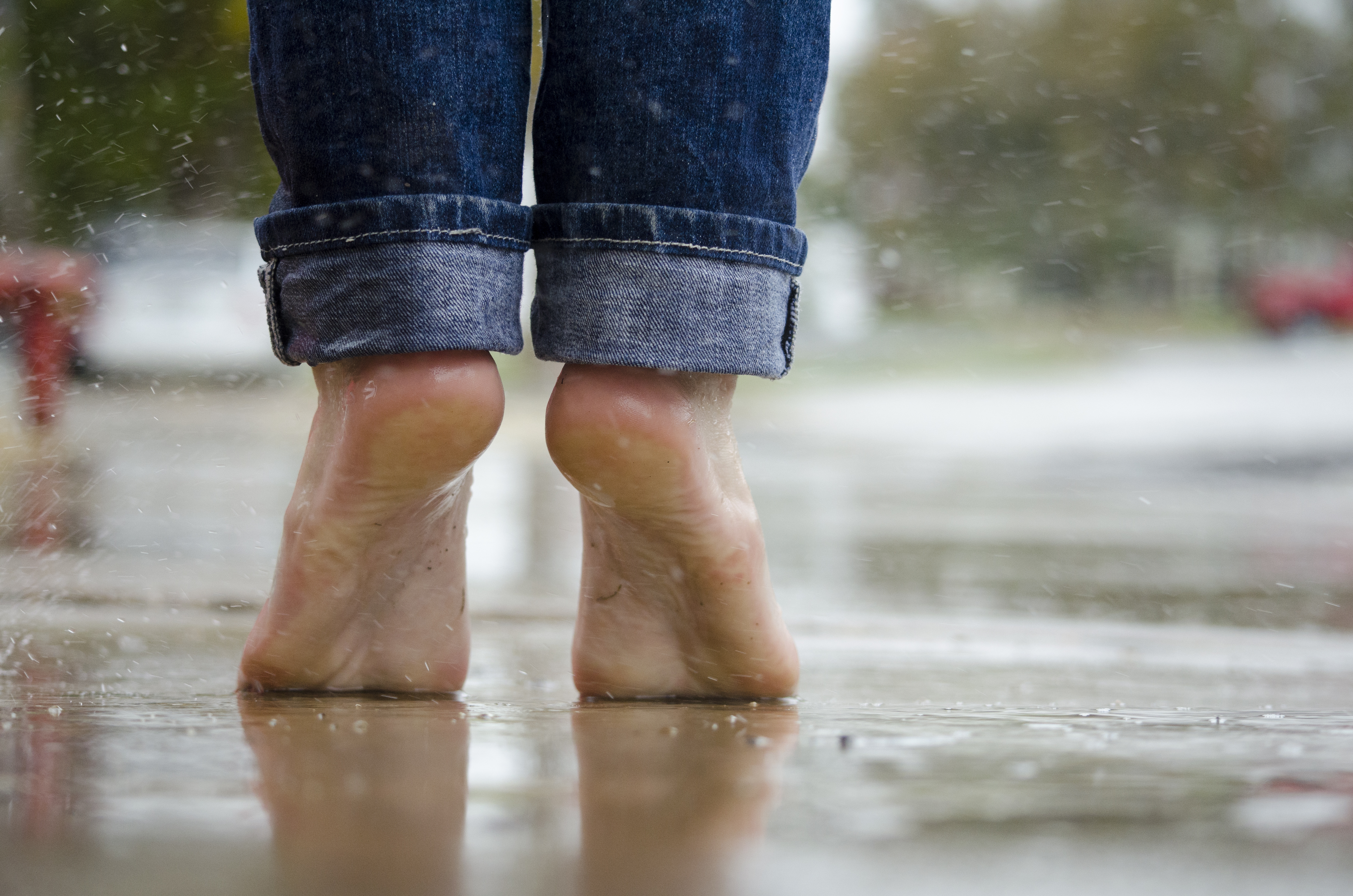
Let’s be honest with ourselves — in winter it’s easy to falter in foot care. It’s cold and more likely than not, our feet are in Uggs, bean boots, or thick fuzzy socks, so it’s easy to neglect them. But taking care of your feet is important year round. Imagine your hubby surprises you with a tropical vacation in the middle of winter, but you haven’t been taking care of your feet. No one wants to wear sneakers to the beach, so I’m sharing my routine along with a few tips to help you maintain fabulous feet when it’s cold outside.

This winter I made a concentrated effort to treat my feet with TLC, and so far I’m absolutely loving the results.

I scrub my feet weekly with Hydropeptide’s active scrub. This is probably easiest to do on the weekends; especially if you’re a working mom dealing with the hustle and bustle of both your home and your job.

Every night, I use either lactic acid cream to exfoliate or urea cream to rehydrate and moisturize. If you’re in need of these products I highly recommend Amlactin cream (aff) for your dose of lactic acid and Exicipal cream for urea.

I seal everything in with good old fashioned Vaseline, and while this isn’t mandatory, I like to treat myself with a monthly pedicure and a callus scrub.

But this is my routine, and different things work for different people — so here are some more general tips that you can apply and try at your own discretion:

This seems obvious enough, but you’d be surprised how many people can forget to moisturize their feet — especially in the winter when it’s too cold to have them out. But regularly moisturizing your feet is absolutely essential to keeping your feet sexy year round. A new moisturizer that I have recently fallen in love with is Gold Bond Radiance Renewal cream. It contains a wonderful blend of African Shea butter, Cocoa Butter, and Coconut Oil, and works to hydrate and gently exfoliate the skin.

Exfoliating your feet for a minute or two in the shower every day helps keep your feet fresh by both cleansing your feet of dirt and bacteria and removing dead skin. This is as easy to forget as it is to do, so do yourself a favor and keep your exfoliator right by the rest of your everyday shower products like your body wash and shampoo.

Massaging your feet can actually increase blood flow and as a result, keep the skin on your feet much healthier. Feel free to delegate this task to your significant other!!

Pumice Stones are great for smoothing out the more stubborn, hardened parts of feet — but use them sparingly so you don’t irritate your skin.

If you’re experiencing excessively dry skin, your issue may not be seasonal. Extremely dry feet can be symptomatic of fungus, psoriasis and eczema, so if none of these treatments seem to do the trick I highly recommend seeing a medical professional.

Surviving Winter Itch – GIVEAWAY INCLUDED!

We’re officially in winter. It snowed, it’s cold, and you can’t go through your emails for more than 30 seconds before being bombarded with a new holiday promotion. There is plenty to love about winter — for one, the winter flavors at Starbucks are my personal fave. And I might pretend that I only rewatch Elf every year because my kids want to — but let’s be honest; I probably love that movie even more than they do.

Something I don’t exactly love about winter is “winter itch.” If you’re wondering exactly what winter itch is, it’s pretty straightforward.

Have you ever noticed that in the winter, your skin feels dry more often? Have you noticed your hair lacking luster, and your lips cracking despite you applying a normal amount of product and adhering to your daily routines? That’s because cold air carries less humidity than warm air, so when temperatures drop, so does the humidity, and so do the levels of moisture in your skin and hair. That’s why your skin and hair dry out so much more quickly than usual, and can feel itchy as a result. For some people, this turns into eczema.

There are VERY simple fixes for this, and as you might imagine, the way to compensate for less moisture in the air is by adding moisture from other sources.

Face Care

One of the key changes to make in your skincare for winter is to incorporate a thick cream into your moisturizing routine. Many people are hesitant to use a thick cream on their face. As long as you are using a clean product that isn’t greasy you should be able to incorporate a heavier product without issue. For my face, I take a pump sunscreen and a pump of Vanicream Skin Cream, mix them together, and smooth over my face and neck area. I find that this combination offers a great boost of moisture while protecting from UV Rays. SPF is critical, even in the winter!

You will also want to avoid harsh soaps and over exfoliating during the winter months as this will leave skin feeling dull.

Keeping skin covered when exposed to the elements is essential. A hat and scarf will help keep your face protected from the cold air that tends to leave your skin chapped and dry.

Chapped, Cracked Lips

Chapped lips are a very common occurrence during the winter. Personally, I always have Vaseline on hand to smooth on my lips anytime they feel dry. Another option is Vanicream Vaniply Ointment which contains a skin protectant called Dimethicone. This helps to prevent and protect chapped or cracked skin or lips. I also find Vaniply great for using on your hands, around the nail and cuticle area. Hint, keep reading below for Vaniply giveaway details!!

Body

Keep your skincare routine simple. Avoid using really hot water and keep showers to a minimum, only using gentle products. I prefer Dove unscented soap and Vanicream cleanser as they are gentle and very effective. Immediately after your shower or bath, a layer of Robathol bath oil will supplement the protective action of skin oils. You can also add this oil to a warm bath. After the oil apply a generous layer of Vanicream skin cream – this will seal in the oil and leave your skin moisturized all day.

For The Kiddos

Kids are just as prone to dry, itchy skin in the winter as adults. Avoid long, hot baths and moisturize immediately after the bath (Vanicream Skin Cream, is great for this). A humidifier in the bedroom will help with keeping skin from feeling dry and is also great if your child is getting bloody noses from the dry air. Finally, keep their skin covered as much as possible when they are outside playing in the cold. A good hat, scarf and gloves will offer great protection from the elements.

In summary:

Moisturize, moisturize, moisturize. I can’t overstate the importance of frequent and generous moisturizing is in the winter months.

Use a humidifier if and when possible to make the air in a given space less harsh on your skin, and make up for the natural dryness of winter.

Use detergents designed for sensitive skin. It’s easy to forget about this, because you don’t often think of clothes as having to do with your skin, but what has more contact with our skin than our clothes? Harsh detergents can irritate the skin — especially in the winter.

Drink plenty of water. I know you’ve heard it a thousand times, and you’ll hear it a thousand times again because that’s how important drinking water is for every aspect of your health!

Giveaway time!! If you’re suffering from winter itch and want to try out a great product to help sooth and protect your dry skin, enter the giveaway. We will select 12 lucky entrants to receive Vaniply Oinment from Vanicream. I personally LOVE this stuff and I think that you will too. Enter today!!

5 Ways To Achieve Meghan Markle’s Ageless Skin

Earlier this week, Prince William proposed to Meghan Markle. As photos of the bride to be began circulating online, many were shocked to find that Markle is actually three years older than Prince William on account of her beautiful, youthful skin. Whether you have a wedding of your own coming up or you’re just looking to maximize your routine, there are very simple steps to take towards improving your skin.

In my professional opinion, the key to healthy, clear, glowing skin is a simple skin care routine with products that contain effective ingredients. I don’t believe in layering 10 different products on the skin.  Surprisingly, some of the most effective products can be found over the counter. Here’s what I recommend to help you achieve Meghan Markle’s ageless skin:  

1) Gentle cleanser

If you are using heavy products, you want to stick with a gentle cleanser. Cleansers containing a lot of acids can cause skin irritation when used with other potent cosmeceuticals. My personal favorite is the Vanicream Facial Cleanser. I love this product especially because it doesn’t contain parabens or other harmful preservatives. It’s also a huge steal!

2) Antioxidant Serum

Antioxidants do wonders for your skin. They help reduce the effects of harmful environmental pollutants and the free radicals(?) they cause. They are important for prevents premature skin aging and skin cancer. My absolute favorite antioxidant serum – Hydropeptide Hydrostem+6. It contains rejuvenating peptides with plant extracts that guard against UV and pollution damage. This heavy hitter also has a heftier price tag, but it well worth every cent.

USE THE CODE DOCTOR-IP AT CHECKOUT FOR A DISCOUNT

3) Topical Retinoid

Any board certified dermatologist will tell you that a topical retinoid is essential to any anti-aging routine. Retinoids, which are primarily used for acne, also have potent anti-aging benefits including the elimination of fine lines and wrinkles. Until recently, retinoids could only be purchased with a doctor’s prescription. Luckily, now one is available over the counter! Diferrin 0.1% is a gentle topical retinoid that is extremely effective. A little goes a long way with these products, so you only want to use a pea-sized amount to the entire face nightly. This can be found in the acne aisle at your local pharmacy and costs $17-$34.

4) Clay masks

Clay masks are good for almost any skin type. The use of clay for soothing and healing the skin dates back thousands of years.  Clay detoxifies the skin by binding to environmental pollutants and eliminating them. Clay unclogs and shrinks the appearance of pores, regulates sebum production (excessive sebum production is linked to acne), and leaves the skin feeling softer and smoother. My favorite clay based product is Hydropeptide’s Purifying Mask. It uses kaolin and bentonite clays to extract impurities and enable more effective regulation of oil.

USE THE CODE DOCTOR-IP AT CHECKOUT FOR A DISCOUNT

5) Eye Cream  

Start an eye cream early and use it daily. The eyes are the first area on our faces to show the signs of aging. The skin of the eyelids is the thinnest skin our our body, making it more susceptible to environmental pollutants. That’s why eye cream is so important. My favorite eye cream is HydroPeptide’s Eye Authority. It contains crushed pearls that instantly brightens dark under-eye circles, and helps to smooth fine lines and wrinkles with consistent use.

USE THE CODE DOCTOR-IP AT CHECKOUT FOR A DISCOUNT

If you follow these five simple tips, you will see dramatic changes and over time will be able to achieve Meghan Markle’s ageless skin.

Beat the Bulge Without Diet or Exercise: My Review of Non-invasive Fat Removal

I work out – a lot.  When I had my first child at the age of 31, it was easy to loose the baby weight. In fact, by the time we had her traditional 100 day celebration I was back into my size 4 jeans. Wight loss did not come as easily with child number two. The good thing that came out of this struggle is that it motivated me to focus on good nutrition and exercise. My current exercise regimen combines several different approaches to total body wellness. I do a little bit of high intensity interval training, I do a run/walk routine, and I do bikram yoga.  With all this exercise, my body had definitely transformed. After child number one, I would describe myself as skinny fat – thin with a high body fat composition. After child number two I would describe myself as slim fit – my weight has gone up, but my body fat has gone down and my muscle mass has definitely increased. All in all, I am still a size four but my clothes fit very differently.  However, like most women, there are parts of my body that have not changed for the better in spite of lots of exercise. For me, these areas are my tummy and my inner thighs. This is why I decided to try out some non-invasive forms of fat removal.

Over the past few years we’ve seen a number of new techniques become available for non-evasive fat reduction.  There has been a ton of hype surrounding these procedures that promise amazing results with minimal downtown. As a physician, I wanted scientific proof. Read below to find out what I learned and to see what my experience was.

Fat reduction versus weight loss

I think it is important to start out with a basic understanding of the difference between fat reduction and weight loss. The number of fat cells in your body becomes fixed sometime in your teenage years (on average). When you lose or gain weight the number of cells does not change but the size of the cells does.

Fat reduction has an impact on the number of fat cells that are in your body. When reduced they are naturally processed and eliminated (so they won’t end up to another area of your body).

Fat reduction technology is best suited for somebody that is close to their ideal weight with areas of fat that diet and exercise have not helped.

What does non-invasive mean?

The term non-invasive simply means that the body is not invaded or cut open during a medical procedure. Liposuction is a well-known form of fat removal – but this procedure is invasive. It requires the patient to be asleep under anesthesia and involves incisions into the skin which result in long recovery times. However, non-invasive doesn’t necessarily mean that there will be no recovery time or that the procedure will be painless. However, the paid and recovery will be much less than if the procedure is invasive.

Non-invasive options for fat reduction

Coolsculpting – this method freezes away unwanted fat. You can target your abdomen, sides, double chin, inner thighs, outer thighs and upper arms with this procedure. I’ve personally tried Coolsculpting on my inner thighs (be sure to check out my video on Facebook). The procedure itself was uncomfortable, but not painful. In the days after the area treated was tender and felt funny to the touch and very numb. I also felt extremely sore for about 7 days. However, I was able to work and I was able to resume my workouts within 24 hours. Coolsculpting reps say that you can expect a 25% reduction in body fat in a treated area. This equates to about 40 ml of fat. That’s not a lot, actually. Coolsculpting  often require a second treatment and results are usually visible between 1 and 3 months following treatment.  I received my treatment at the end of September.  Prior to the procedure my thighs measured 22 inches.  I am not 3 months out yet, but I did measure my thighs 4 week out and was down about a quarter inch.

Vanquish – this method of fat removal uses radiofrequency energy to heat and kill fat cells. Vanquish can be used to target the abdomen and thighs and will have very little downtime. You typically need four to six treatments for noticeable results. I tried vanquish on my abdomen last December. I have a diastasis recti which is a gap in my abdominal muscles which happened after pregnancy. This means that I have a consistent pooch, no matter how many sit ups I do.  The downside of vanquish is the number of treatments required. It’s very time consuming. You also have to be very well hydrated (I am talking about a gallon water before each treatment).  During the procedure the aperture is very close to the skin and gets very hot. They blow a fan to keep you comfortable. The treatment takes about 1.5 hours.  When I started by abs measured 29 inches. They now measure 26.5-27 (depending on bloat). So I have to say that this definitely worked!

Kybella – this method targets moderate to severe fat below the chin (commonly referred to as a “double chin” via injection. Deoxycholic acid is a naturally occurring substance in the body which helps the body to absorb fat cells. Dermatologists sometimes use kybella off label to target little areas of fat like bra fat or back fat with good results. There is about 2-4 weeks of swelling with each treatment. This is effective for small areas of fat, but will not cause substantial fat loss.

Sculpsure – this method uses controlled, light-based technology to contour the body and can be used on the abdomen, sides, back, inner and outer thighs. This method uses a flat, non-suction applicator to heat the fat to a temperature of 107.6 to 116.6, which will destroy fat cells while keeping the skin cool.  I haven’t tried this one yet. However, I was at a recent conference that did show data suggesting fat loss with this device. The good thing about this treatment is that they have customizable applicators that really allow for more sculpted fat loss.

Trusculpt – this treatment also utilizes heat to kill fat cells and can be used on the stomach, thighs and under the chin.  I tried this on myself and on patients. It doesn’t work so don’t waste your time!

Velashape- this method targets the neck, abdomen, arms, side area, buttock and thighs and uses a combination of technologies to reduce fat cells. You typically need 3 treatment sessions (but a protocol for single treatment is available).  You’ll find this treatment in spas primarily, which raises my suspicions about efficacy.

If you are considering fat reduction, do your research. Make sure you are using a licensed professional for the treatment and follow their guidance for best results.  Stay tuned for my final coolsculpting report in a couple of months.

Help me fix this scar! A dermatologist’s tips for minimizing scars

Bethenny Frankel made headlines recently when she announced that she had been diagnosed with skin cancer, specifically basal cell carcinoma. On her face.


As a dermatologist, I am constantly preaching the necessity of adequate sun protection. Especially on areas (like your face and hands) that are rarely covered by clothing. I will spare you another lecture about skin cancer and sunscreen – though if you are curious you can learn a lot more about how to detect and prevent skin cancer here and here.

Frankel posted a photo on Instagram after undergoing surgery to remove the skin cancer and I’m sure as people came across this there was a resounding gasp. There is an inch-long incision on her face, right underneath her eye. Not a great place for a scar!

What is a scar?

Scars form when an injury on your skin heals. As your body works to repair the wound, it creates collagen (a tough fiber in your body that gives the skin strength and flexibility) to reconnect the tissues that were broken. The process of wound healing in the skin can take up to 1 year to be fully complete. As part of wound healing, a scar commonly occurs.

It is important to know that a scar can mean many different things to different people. The reason for this is that there are many different types of scars.

  • The majority of scars will appear flat. They can be red or dark brown depending on your skin type and on where they are in the healing phase. When scars are excessively red, dermatologist describing them as hyper-vascular (meaning a lot of blood vessels). When a scar is excessively dark we describe this as hyper-pigmented. The change in skin color is usually secondary to marked inflammation in the affected skin.
  • When the body produces too much collagen, the scar can be raised and is called hypertrophic or keloid. These are more common in younger and dark-skinned people
  • Some scars will appear as sunken or pitted which occurs when the underlying structures supporting the skin are lost. Surgical scars and scars from acne usually have this appearance.
  • When the skin stretches rapidly, scarring will appear as stretch marks (which many people can attribute to excessive weight gain or pregnancy).

 
How can I prevent scarring?
If you have a wound, it will leave a scar. There really isn’t a way to truly prevent a scar. However, with proper wound care you can help to reduce the appearance of a scar.

  1. Always keep the area clean and moist. Gently wash with soap and water to keep germs out.
  2. Keep the wound moist – petroleum jelly works great to keep the wound from drying out and will aid in quicker healing time.
  3. After washing and applying petroleum jelly, keep the wound covered with an adhesive bandage and be sure to change the covering daily as it heals.
  4. Don’t expose the wound to sunlight and once healed be sure to use adequate sun protection which may help to reduce red or brown discoloration. Always use a broad-spectrum sunscreen with SPF 30 or higher and reapply frequently.

Over time scars will naturally fade given adequate skin care routines.

Here are some specifics details on how to manage the most common kind of scars:

  1. Vascular scars: These scars usually heal well with time. I always recommend sun protection, because excessive sun can enhance and lengthen the vascular healing phase of a scar minimizing. While the red is dissipating, green concealer can be used to mask a red scar. If a scar has been red for longer than 6 months, then an intervention may be necessary. Laser treatments work best for getting the red out. There is a laser called the vbeam, which specifically targets red blood vessels.
  2. Post inflammatory hyperpigmentation (dark brown scars): Again time is your best friend when it comes to this kind of scarring. I see these most commonly in acne patients with dark skin. Many find the post-inflammatory hyperpigmentation left behind from a scar even worse than the acne itself. The good news is that there are topical medications and topical treatments that can greatly improve these types of scars. A gold standard for treating of hyperpigmentation is a medication call hydroquinone. This is a skin lightening medication. While hydroquinone is very effective, it cannot be used for long periods of time. Overuse can even create a paradoxical darkening of the skin! Skin brighteners are an alternative to hydroquinone. They contain a blend of botanicals that work together to suppress pigment-producing cells and brighten the skin. These are few skin brighteners that I love: LumoPro-C and Lumixyl.
  3. Keloids/hypertrophic scars: These types of scars occur when the body makes too much collagen during the wound healing process. Some individuals are prone to keloids. If you are prone to keloids then you should inform your doctor before any surgical procedure. Treatment of hypertrophic scars can be challenging. However, there are two things that can be very helpful. The first in a medication called Kenalog, which is injected by a board certified dermatologist. This helps to flatten out the scar. You can also use silicone dressing to help with scaring. The silicone puts pressure on the scar as it is healing, making it hard for excessive collagen to form.

Is scar removal an option?

My patients often ask me whether it is possible to completely scar minimizing. The answer to that question is no. There is no way to completely remove a scar. However, the appearance of a scar minimizing can usually be improved.  For non-raised scars, surgery may be an option used to alter a scar’s shape to make it less noticeable. Dermabrasion, microneedling, and laser resurfacing can help to make scars ‘blend in’.  Lastly, fillers can be effective to help raise sunken scars. These treatments are only temporary and would need to be repeated.

As for Frankel, she had a type of surgery called Mohs Surgery. This type of treatment for skin cancer allows for the removal of tissue one layer at a time and helps to save as much normal, healthy skin as possible allowing for a focus on functional and cosmetic results. I’m sure she has a great dermatological surgeon helping to scar minimizing as much as possible and will be prepped with all the wound care she needs to heal perfectly.

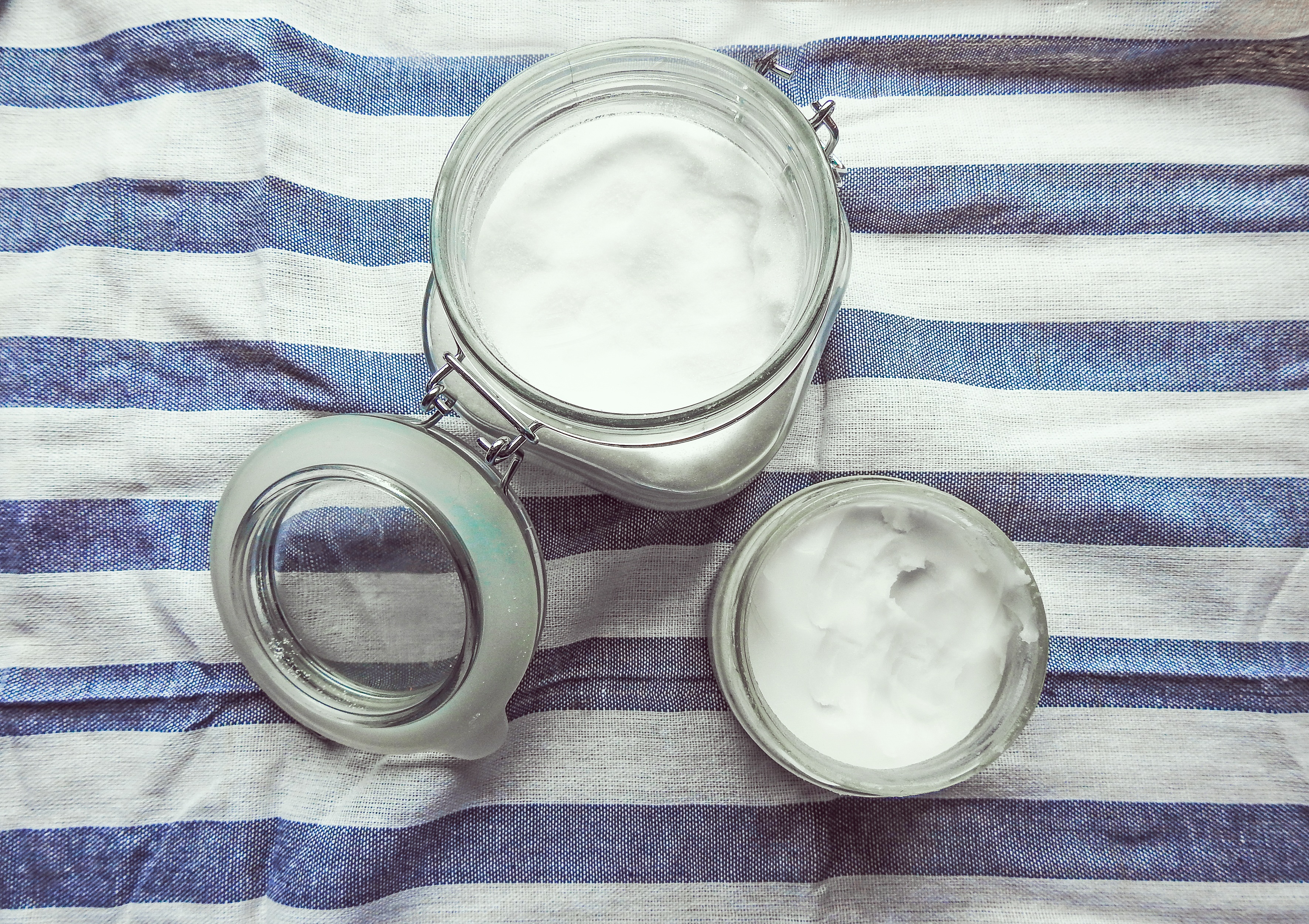
Should I Use Coconut Oil On My Skin?

coconut oil on skin allergy

Over the last few years, there has been a trend emerging – the use of coconut oil to replace common personal care products. A google search for ‘coconut oil for skin care’ returns thousands of results that all declare coconut oil a winner for cleansing, moisturizing and healing the skin.

In my opinion, most kitchen products do not have a place in your skincare routine. Although there may be some benefit to using ‘natural’ products, there are also risks involved. Looking at coconut oil specifically, I can come up with a number of reasons why it shouldn’t be placed on your skin.

  • Coconut oil is rated 4 on the comedogenic scale (out of 5), meaning it can cause clogged pores, pimples, blackheads, or whiteheads. If you are already prone to breakouts and use coconut oil, this is probably making them worse. I always recommend using a gentle cleanser and non-comedogenic moisturizer.
  • Coconut oil does not provide intensive moisturization. Many people require more hydration than what coconut oil will provide. It also does not protect against dangerous UV rays, so should not be relied on for a daily moisturizer.
  • Coconuts are considered a tree nut so if you are already sensitive to any type of nut or have an allergy, coconut oil could cause an allergic reaction. When applied topically this could appear as itchiness, red bumps or a persistent rash that doesn’t clear up.
  • With respect to allergies, persistent use of coconut oil on the face has been linked to an increase in contact dermatitis, which is a form of allergic dermatitis. I have had a number of patients in my practice who have experienced severe facial rash after long term coconut oil use.
  • Coconut oil is known to contain skin soothers like vitamin E, omega-3 fatty acids, and lauric acid, which is a fatty acid that has been shown to have anti-microbial, anti-fungal, and anti-inflammatory properties. However, it can also cause irritation, and I personally think you are better off with products that have been tested and proven safe for treating skin irritation.

When is it ok to use coconut oil for personal care?

If you really think that coconut oil needs to be an ingredient in your skin care routine, there are a few cases where I think it may be beneficial.

  • If you have dry hair, applying coconut oil as a hair mask will help to increase moisture and shine.
  • In your diet, coconut can be a great oil to cook with, although it is on the fatty side.

If you decide to introduce coconut oil into your personal care routine, make sure that you are purchasing virgin, unrefined coconut oil. If it is refined that means they have taken out most of the good stuff and maybe even added more bad stuff. You can look for more option at Vibrant Dermatology. Contact us today! 

Sweaty Pits

Black skin dermatologist near me

I’ve been writing a lot about summer time skin care lately, and today’s post is something that I know bothers a lot of people this time of year. Sweaty pits. It’s hot and humid and personally, for me that means a lot of sweat.

Sweat is a normal bodily function that affects everyone differently. As your body heats up, it will naturally attempt to cool itself by sweating. When sweat combines with bacteria on your skin it produces an odor that is usually unpleasant. There are two products on the market that will help to reduce sweat and the odors associated with it:  antiperspirant and deodorant.

Antiperspirant Versus Deodorant

The fundamental difference between antiperspirants and deodorants lie in the way that these products work.

  • Antiperspirants contain fragrances to help mask odor but also contain chemical compounds that block pores to stop perspiration, blocking sweat from reaching the area applied.
  • Deodorant allow the release of sweat but prevent odor with antiseptic agents which kill the odor-causing bacteria. They also tend to include fragrance which helps to mask odors.

The Nasty Chemicals

For a long time now, various advocacy groups have voiced concerns over ingredients found in many antiperspirants and deodorant. When you put a product on your skin, tiny amounts could be absorbed into your skin. There are five ingredients that can be found in deodorant/ antiperspirants that could cause cancer:  Aluminum, Triclosan, Phthalates, Fragrance, and Parabens. Research on the long-term effects of these ingredients is ongoing.

I know that it is hard to read concerns about ingredients that we use in every day products and not react to them. If you have hyperhidrosis, like I do, it’s hard to avoid Aluminum all together because that is the active ingredient that helps to prevent sweating. There are statements from both the American Cancer Society and the National Cancer Institute about the lack of research and the connection or lack thereof between aluminum and cancer.

A ‘Clean’ Solution

Vanicream

earlier posts (Vanicream Skin Cream and Seb Derm) and this product is no different. In the past I’ve rotated through various products to help reduce or mask the sweat but never had one antiperspirant or deodorant that was long lasting. After using this product for a few months now, I have to say that I’m ready to add it to my regular list of products. 

  • Ingredients are clean – if you suffer from allergies, eczema or any other kind of skin irritation, this product will be great for you. The ingredients are clean and there is nothing included that is going to trigger irritation.
  • Unscented – I find a lot of deodorant and antiperspirant contain fragrance that isn’t always pleasant. Even unscented products sometimes have a smell.This product is truly unscented and doesn’t leave any scent on your skin.
  • Smooth application – This product applies smoothly and doesn’t leave a sticky feel at all.I found it best to let it dry a few minutes before getting dressed so that it wouldn’t leave any markings behind on my clothes.

Permanent Solutions

There are some more permanent solutions to sweating, although these come with a decent sized price tag. I’ve talked about Botox for sweaty pits on the blog before.  Botox works great, and I routinely do this procedure in my office. The downside is that it requires about 20 tiny injections per an armpit, so it is not for the needle phobic. The results last 6-9 months. Another new option is Miradry which is a treatment that uses laser energy to target and destroy sweat and odor glands in your underarm. This is a long lasting option that your dermatologist can offer information about Non-Surgical Eye Lift. 

Free Product!

If you want to try Vanicream™ Anti-perspirant/Deodorant, click here to enter your contact information and be entered to win one of six sticks of anti-perspirant/deoderant that we are giving away.

*Giveaway closes August 15.

Summer Vacation Skincare 101

Summer is officially here!  Between camps, trips to the beach, and just spending a lot more time outdoors in general, there is a lot to keep track of!   I’ve put together my summer skin care guide to help you treat common ailments at home, and so that you know when to see the doctor.  Enjoy your summer, and as always, don’t forget the sunscreen!

Young Women Sunbathing

  1. Sunburn – Probably one of the most common summertime skin ailments, the sunburn.  As a dermatologist, I will first preach the benefits of adequate skin protection from the sun.  UV rays not only leave your skin tingling and pink, the effects of a sunburn are lasting.  Overtime sunburned skin will start showing signs of aging sooner and even one sunburn leaves you more likely to get skin cancer.  However, if you forgot the sunscreen or missed a spot and find yourself with a sunburn, check out my tips for managing sunburn.  
  2. Bug bites and stings – Another very common summertime skin ailment, bug bites and stings can be frustrating!  Most bug bites are harmless but some can spread dangerous diseases 9like Lyme, Zika, and malaria).  Prevention is helpful – insect repellent, appropriate clothing, and bed nets for infested areas.  Most bug bites and stings can be treated at home. Non Surgical Eye Lift For painful bites an over-the-counter painkiller (acetaminophen or ibuprofen) will help.  Itching bites can be helped with an ice pack or over-the-counter hydrocortisone.  If there is swelling, apply an ice pack.  More severe symptoms that occur after a bug bite (rash, fever, or body aches) should be referred to your doctor or board-certified dermatologist immediately for treatment.  
  3. Bed bugs – Also in the bug category but deserving its very own spot on my list is bed bugs.  If you find yourself in the unlucky category of being exposed to bed bugs, wash the bites with soap and water to help prevent an infection and help reduce itch.  A corticosteroid cream can help to reduce any itchiness.  If you have a large number of bites or develop blisters or inflammation you should visit a board certified dermatologist for treatment.  Some people will have an allergic reaction to bed bug bites or may develop an infection and require antibiotics.  Knowing how to identify bed bugs is really helpful – whenever I travel I now check out the mattress as soon as I walk into a hotel room for any evidence of bed bugs! It’s also possible to bring bed bugs home with you, in which case you will need to treat your skin and your home. Check out these remedies to help rid yourself of bedbugs. 
  4. Eczematous dermatitis – Heat, humidity and chlorine can cause contact dermatitis to flare in the warmer summer months.  To avoid flare ups in the summertime be sure to:
    • Rinse skin after swimming – chlorine and saltwater will dry out the skin.  
    • Travel with your own products.  Don’t rely on hotel toiletries if you are accustomed to products that you know work well for your skin type.  Even a day or two of different products can wreak havoc on your skin.
    • Continue using a thick cream, even if you think a thin lotion is more comfortable when the heat and humidity strike.  Thin lotions lack the humectant properties needed to protect your skin.
    • If you are using topical steroids, avoid sun exposure.  This is also true for oral steroids which can be photosensitizers and increase risk of a sunburn.
    • Only use physical sunscreens (titanium dioxide or zinc oxide) on inflamed skin since chemical blockers can burn on cracked, inflamed skin.
  5. Hot Tub Folliculitis – If you’ve ever found yourself with a skin rash after using a hot tub, you likely have hot tub folliculitis, also known as hot tub rash.  This is an infection in the hair follicles and can occur in any part of the body that has hair growth and is caused by a bacteria called pseudomonas that live in warm and wet areas.  The rash will appear like acne and may turn into red nodules in the affected area.  The nodules may have pus and cause itching or a burning sensation.  Symptoms will usually appear within a few hours of coming into contact with the bacteria, up to about 3 days after.  There is no treatment required for a hot tub rash and symptoms should resolve on their own in about 10 days, but if not you should see a dermatologist for anitbiotics.  To prevent itching, a warm compress will help and will promote quick healing .  
  6. Margarita Rash – Yes you read that correctly, margarita rash is a thing!  Known as Phytophotodermatitis, this condition occurs when your skin comes in contact with certain substances at the same time s sunlight.  Symptoms can range from mild redness to blisters and second-degree burns.  As the burns begin to fade they leave behind a characteristic brown patch on the skin.  The brown patches will disappear on their own over time and can be lightened with hydroquinone.  A severe burn will require observation by a doctor.  Limes are the most likely fruit to cause this condition but it can also be caused by carrots, parsnips, parsley, celery, figs, wild dill, lemons, and oranges.  If you plan to enjoy margaritas in the sun, you can still enjoy the fresh squeezed lime juice, just be sure to wash your hands thoroughly after preparation!  

Taking Care Of The Skin Down There – Part 2

In Part 1 of this series we covered the top 7 complaints ‘down there’.  In this post I’m going to drill into the fifth item on that list, Sexually Transmitted Diseases.  It’s summer time which means more people are out and about having fun, leading to more sex.  The CDC estimates that 19 million new sexually transmitted infections occur each year, almost half among 15-24 year old’s.  So go on, share this blog post with your kids!

Vaginal irritation can be caused by a number things, but if you have recently had a new sex partner, then an STD is likely.  The most common STDs include:

1.  AIDS / HIV

AIDS is a condition where the immune system begins to fail, weakening a person’s ability to fight infections.  There are 60,000 new infections each year.  Symptoms can include fatigue, inability to fight infections, blotches on or under the skin, diarrhea, and swollen lymph glands.  AIDS is transmitted through blood and bodily fluids.

2.  Herpes

With 45 million infected annually Herpes Simplex is a common STD.  It is a viral disease that is transmitted by skin to skin contact and appears as blisters, ulcers or sores.  Symptoms include swelling, itching or tingling areas on the body along with body aches and pains and abnormal discharge and pain during urination.   Many people are infected with a common herpes virus that HSV1 that leads to the common cold sores. Depending of sexual practices, HSV1 can also affect the genitals as a result of oral sex. Another common place to find herpes is on the buttocks, as a result of spooning after sex. The challenge with herpes is that is not curable.   Another challenge is that a sexual partner can be actively shedding the herpes virus without evidence of a blister on the mouth or genitals.

3. Chlamydia

With 4 to 6 million people infected each year, chlamydia is the most common sexually transmitted bacterial infection in the developed world.  Although you may notice body aches and pains, swelling, itchy or tingling areas, or abnormal discharge and pain during urination, chlamydia is often asymptomatic.  Chlamydia is transmitted through bacteria passed through sex – in bodily fluids and on the skin.  Chlamydia can have an unusual presentation called Reiter’s syndrome.  Individuals may experience arthritis, conjunctivitis, and a rash on the palms and soles called keratoderma blennorrhagicum.

4.  Gonorrhea

Gonorrhea is a contagious bacterial infection that infects about 700,000 people each year.  It is most often transmitted through sexual contact and symptoms may include swollen lymph glands, body aches and pains, or abnormal discharge and pain during urination.

5.  Hepatitis B&C

Hepatitis is a serious liver infection caused by the Hepatitis B virus.  Symptoms of Hepatitis include fatigue, swollen lymph glands, body aches and pains, diarrhea and blotches on or under the skin (flu-like symptoms).  Approximately 300,000 people are infected each year through contact with bodily fluids or skin and shared items.   It is important to diagnosis Hepatitis, because left untreated it can results in liver cancer.

6.  Syphillis

Infecting 50,000 people each year, Syphillis is a bacterial infection caused by Treponema Plidum and is spread primarily through sexual activity.  Symptoms can include fatigue, swollen lymph glands, and body aches and pains.  Syphillis is spread through sex and close contact.  Syphillis is on the rise again. Early detection is key, because left untreated syphilis can affect the heart and the nervous system.

7. Genital Warts

Genital warts present in about 3 Million people in the United States every year.  Caused by the Human Papillomavirus (HPV), genital warts are spread through sexual contact and will present as small bumps on the genitals.  There are vaccines available to protect against many genital-wart causing strains of HPV.  Although there is no cure for genital warts, treatment can help to reduce symptoms.  Treatment can include application of a prescription medication or surgical removing of the warts.  A dermatologist can help you with treating warts. Sometimes several months of treatment can be required

8. Molluscum contagiosum

Molluscum contagiosum is a skin disease caused by the molluscum contagiosum virus (MCV) and will usually cause small lesions or bumps in the infected area.  Molluscum contagiosum was once a disease that primarily affected children, but it has evolved to become a sexually transmitted disease in adults.  Molluscum will usually resolve on its own although lesions can last up to 4 years (or as little as 2 weeks).

Diagnonis of a Sexually Transmitted Disease

Just like with other medical conditions, there are various tests performed for STD’s.  When you visit your care provider they will do a general intake and ask you about your concerns and health history.  If there is a concern of STD’s you will likely have a variety of testing performed (exam, swab, blood and urine test).  It is important to have routine STD screening. I recommend testing every 6 months if you are not in a monogamous relationship.

  • Urine Test:  Chlamydia and Gonorrhea
  • Blood Test:  HIV, Syphilis, Herpes, and Hepatitis B
  • Swab Test:  HPV, Herpes, Chlamydia, Bacterial Vaginosis, Gonorrhea, Genital Warts, Molluscum, Syphilis, and Trichomoniasis
  • Oral (Cheek) Swab:  HIV
  • Physical Exam:  Genital Warts, Molluscum, and Bacterial Vaginosis

Treatment of STDs by a dermatologist

 Dermatologists are well versed in STD care and have advanced knowledge of skin care and effects of STDS which can be very beneficial during treatment.  Treatment will usually include antibiotics or antiviral drugs.  A single dose of antibiotics is usually enough to treat many parasite or bacteria induced STDS.  Antiviral drugs cannot cure STDs but they can help to impact the course of the disease. 

There is no over the counter treatment option for STD’s.  If you suspect that you may have and STD, your best bet is to see your doctor as soon as possible for correct diagnosis and treatment.  By treating STDs early, you can avoid any permanent damage.

Prevention of Sexually Transmitted Diseases

It’s time for the ‘Sex Talk’.  To protect yourself from STD’s, ALWAYS use protection when having sex, and use it correctly.  Until you and your partner are both tested with a clean report, condoms are a MUST.  Also, don’t share needles or sex objects since many STD’s can be spread via contact.

  • « Previous Page
  • 1
  • …
  • 10
  • 11
  • 12
  • 13
  • 14
  • …
  • 19
  • Next Page »

Problems We Treat

In the Clear

Acne: Adults & Teens

lllumination

Hyperpigmentation, Sun Spots, Melasma

Red, Red Go Away

Rosacea, Facial Redness, Sensitive Skin

Tall Drink of Water

Excessively Dry Skin, Eczema

Fountain of Youth

Anti-Aging, Skin Rejuvenation

Mommy & Me Skin Care

For Pregnant & Nursing Mothers

Just for Kids

Skin Care For Those 12 & Under
Contact
Vibrant Dermatology
588 Providence Hwy
Dedham MA 02026
Phone: (617) 250-0257

Vibrant Dermatology
1 Central Ave.
Milton MA 02186
(entrance at 131 Eliot St.)
Phone: (617) 250-0257

© 2026 Vibrant Dermatology | Site Map | TOS/Privacy Policy | Vibrant Dermatology
book online