
Vibrant Dermatology

Book SkinBar MD Book Dermatology
(617) 250-0257
MENU
  • HOME
  • SHOP
  • ABOUT US
    • Meet Dr. Ip
    • Meet Our Staff
    • Why Vibrant Dermatology
    • Dr. Ip In the News
    • Featured Videos
    • Blog
    • Get Dr. Ip’s E-Book
    • Gap Year Program
    • Contact Us
  • Patient Resources
    • Appointment Policies
    • Insurance Information
  • Before and Afters
  • (617) 250-0257
  • (617) 540-5524
  • online bill pay
  • Book an Appointment
  • Medical Dermatology
    • Acne
    • Allergic Reactions
    • Autoimmune Disorders
    • Benign Growths: Seborrheic Keratoses, Skin Tags
    • Birthmarks, Brown Spots, Moles
    • Cysts
    • Eczema/Rashes
    • Excessive Sweating (Hyperhidrosis)
    • Hair Loss
    • Hives
    • Hyperpigmentation/Brown Spots
    • Keloids
    • Lipomas
    • Melanoma
    • Melasma
    • Nail Fungus
    • Psoriasis
    • Scars
    • Shingles
    • Skin Cancer
    • Skin of Color
    • Vitiligo
  • Surgical Dermatology
    • Cyst Removal
    • Lipoma Removal
    • Mole and Benign Lesion Removal
    • Skin Cancer Surgery
  • Pediatric Dermatology
    • Acne
    • Birthmarks
    • Eczema
    • Moles and Brown Spots
    • Skin Allergies
    • Skin Cancer
  • Cosmetic Dermatology
    • Aqua Facial
    • Neurotoxin (Jeuveau)
    • Chemical Peels
    • Era Elite Laser
    • Hair Loss Treatment
    • IPL Treatment
    • Juvederm
    • Kerafactor
    • LaseMD
    • Laser Treatment for Facial Veins
    • Melasma & Hyperpigmentation Treatments
    • NeoClear Laser Acne Treatment
    • NeoSkin Skin Rejuvenation Treatment
    • Non Surgical Face Lift “Liquid Lift”
    • PRP Treatment
    • PRX Skin Revitalization
    • Radiesse
    • Restylane
    • RF Microneedling
    • Sculptra
    • Sofwave Skin Tightening
    • Stretch Marks Treatment
    • Scalp Revive
  • Wellness
    • Sexual Wellness
    • O-Shot
  • Home
  • Shop
  • About Us
    • Meet Dr. Ip
    • Meet Our Staff
    • Why Vibrant Dermatology
    • Dr. Ip In the News
    • Featured Videos
    • Blog
    • Get Dr. Ip’s E-Book
    • Gap Year Program
    • Contact Us
  • Services
    • Medical Dermatology Services
    • Surgical Dermatology
    • Pediatric Dermatology
    • Cosmetic Dermatology
    • Health and Wellness
      • Sexual Wellness in Dedham, MA
      • Weight Loss in Dedham, MA
  • Before and After Gallery
  • Book Appointment
  • All Products
  • Online Bill Pay

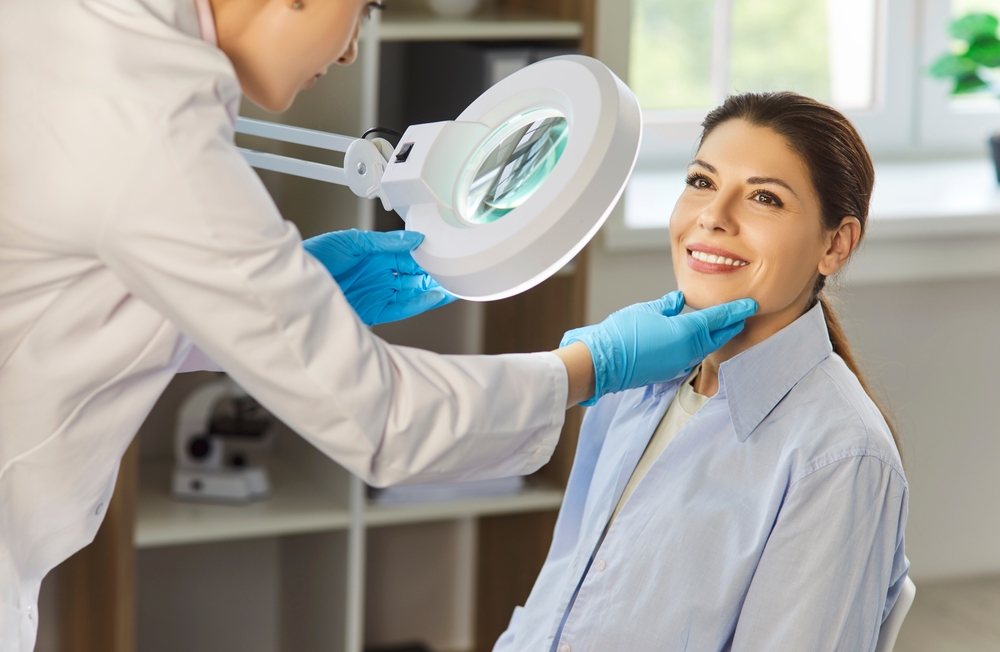
What’s the Difference Between Botox and Just Taking Better Care of My Skin?

woman considering Botox or just taking better care of her skin

If you’re invested in a solid skincare routine, you’re already doing your skin a huge favor. Cleansers, moisturizers, sunscreen, vitamin C, retinol, and the list goes on.

But if you have fine lines that stick around no matter what, even after faithfully applying your products, you may be wondering if it’s time to consider Botox.

The difference between Botox and just taking better care of your skin is night and day. Here’s what you need to know.

What Can a Good Skincare Routine Actually Do?

A consistent skincare routine lays the foundation for healthy, glowing skin. The right products can improve your complexion, strengthen your skin barrier, and slow visible signs of aging.

Some of the biggest benefits include:

  • Keeping the skin hydrated
  • Improving uneven skin tone
  • Protecting against UV damage
  • Reducing dullness and improving texture
  • Boosting collagen
  • Helping to prevent future signs of early aging

Your skincare routine provides much needed daily maintenance. But, it can’t fix or prevent every skin issue.

Skincare Can’t Erase Wrinkles

There are countless products that are advertised to get rid of fine lines and wrinkles. But, they often leave people frustrated.

Most wrinkles don’t form because your skin is dry or neglected. Instead, they develop because the muscles beneath the skin contract every time you laugh, smile, squint, or raise your eyebrows.

Over time, those repeated facial movements leave behind permanent creases. But, no serum, cream, or moisturizer can prevent those muscles from moving.

This is the difference between Botox and just taking better care of your skin. Neuromodulators target dynamic wrinkles at the source while topical products cannot.

What Does Botox Do?

Botox temporarily relaxes specific facial muscles that cause expression lines. As those muscles soften, the overlying skin naturally looks smoother.

This creates a refreshed, more youthful appearance. These injections are often used to treat forehead lines, frown lines, crow’s feet, and bunny lines.

When performed by an experienced injector, Botox softens wrinkles while allowing your face to look natural and expressive.

Can Botox Replace a Good Skincare Routine?

Not at all! One of the biggest misconceptions is that getting Botox means you can simply stop taking care of your skin.

In reality, healthy skin will make your results look even better. A quality skincare routine plays a key role in:

  • Keeping your skin hydrated
  • Protecting against sun damage
  • Reducing pigmentation issues
  • Improving texture and tone

Botox and quality topical products work hand-in-hand, but they solve two very different problems.

Is Botox Only for Older Adults?

Definitely not! In fact, these injections have become increasingly popular among younger adults who want to prevent deeper wrinkles before they develop.

Preventative Botox uses small amounts of product to reduce repetitive muscle movement while maintaining totally natural facial expressions.

This doesn’t mean that everyone in their 20s needs Botox, but it’s one reason why the treatment is so popular for men and women of all ages.

What’s the Difference Between Botox and Just Taking Better Care of My Skin? Let Us Show You!

With the right routine and an experienced injector, you can give your skin the best of both worlds, and that’s a combination worth smiling about!

For amazing Botox results that you will love for many months and years to come, choose the team at Vibrant Dermatology.

Not only do we offer anti-aging injections, we also offer other amazing services to keep you looking your best, including RF microneedling, IPL treatment, chemical peels, and more.

Don’t wait another day to look as good as you feel. Book your appointment online or call our office at 617-250-0257 to schedule today!

At What Point Should I Stop Self-Treating and See a Dermatologist?

woman who realized it was time to stop self treating and see a dermatologist

Is your bathroom cabinet packed with skincare products that promise to do everything from banishing breakouts to calming redness? While it’s true that sometimes these products do work, other times your skin simply doesn’t want to cooperate.

If you’ve tried product after product and your skin is still irritated, itchy, breaking out, or having some other issue like acne, it may be time to seek professional care.

Wondering “at what point should I stop self-treating and see a dermatologist?” Here are some telltale signs.

How Long Should I Try an Over-the-Counter Treatment?

There’s no universal stopwatch for every skin condition, but consistency matters. Switching products every few days can make it nearly impossible to know what actually works, and what may be irritating your skin even more.

For example, it can take several weeks to determine if an acne treatment is actually working. While some people see improvements within four to eight weeks, for others, clearer skin can take several months.

So, if you’ve been using an appropriate product consistently and as directed, but aren’t seeing much improvement, this is a sign that you may need a different approach.

At What Point Should I Stop Self-Treating and See a Dermatologist?

It can be extremely frustrating to try nearly every product and still have problematic skin. So at what point should I stop self-treating and see a dermatologist?

Consider these things.

Your skin is getting worse, not better

This is one of the biggest signs that it’s time to see a skin expert. If redness is spreading, a rash is becoming more painful, your acne breakouts aren’t clearing, or irritation is still visible, don’t keep piling on products and hoping something eventually works.

Some conditions can look surprisingly similar. For instance, what appears to be acne could actually be rosacea, folliculitis, or some other skin condition that requires a different treatment.

Getting the right diagnosis can save you weeks, even months, or treating the wrong problem.

Breakouts that worsen or become painful

Occasional pimples don’t require a specialist. But painful, deep, cystic acne is best treated by a dermatologist, especially if you have persistent dark marks or scars.

Over-the-counter products can be helpful for mild acne, but deeper breakouts may require prescription treatment. A dermatologist can help prevent new breakouts rather than simply treating whatever issue popped up yesterday.

You have a rash that won’t go away

A rash that hangs around, especially if it repeatedly returns, spreads, or becomes increasingly uncomfortable is another reason to seek professional advice.

Trying a random cream every time your skin flares may temporarily hide symptoms without addressing the root cause.

A rash that spreads rapidly, becomes painful, blisters, or develops into open sores often requires medical attention. A rash that involves the eyes or mouth should also be seen by a professional ASAP.

You have a mole that’s changing

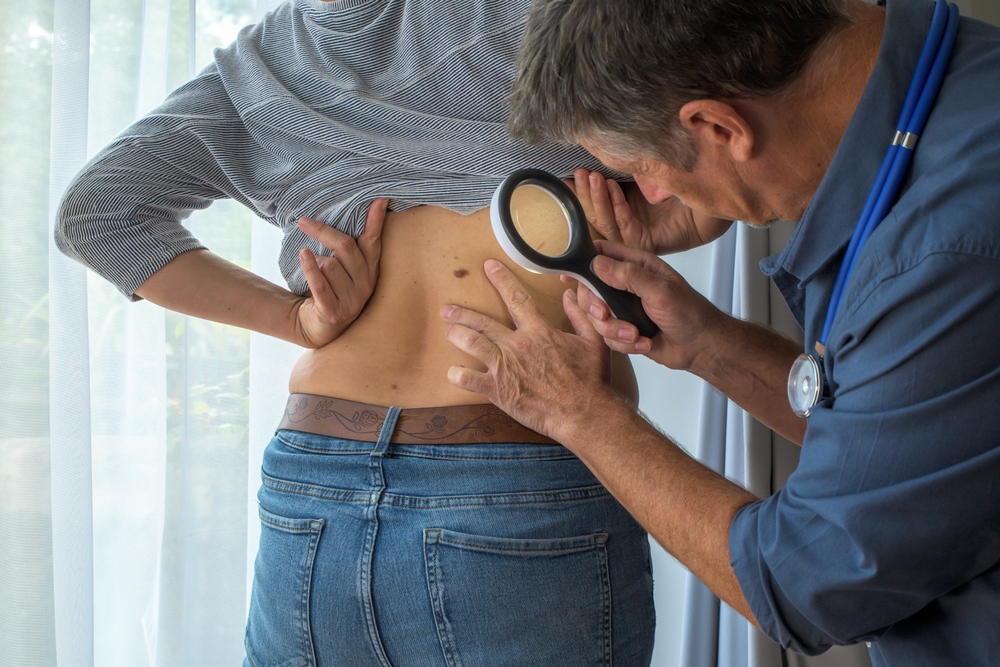
This is one situation where self-treating is never appropriate. If a mole or other skin growth changes shape, size, color, or texture, it should be evaluated by a dermatologist.

A mole that bleeds, itches, or fails to heal should also be looked at.

When it comes to suspicious skin changes, getting evaluated sooner is much smarter than just hoping the problem disappears.

Your skin problems are persistent

Eczema, rosacea, psoriasis, hives, and other chronic skin issues can be especially frustrating to treat on your own. You may find a product that calms things for a while, only for the problem to return a few weeks later.

This is often a sign that you need more than symptom management. A dermatologist can determine what’s triggering your flare-ups and develop a long-term treatment strategy rather than constantly starting over at step one.

Stop Self Treating Skin Problems on Your Own and Visit the Experts at Vibrant Dermatology

Your skin is way too important to turn into a science experiment with dozens of products fighting for shelf space. Sometimes the best skincare move isn’t buying yet another product, but it’s instead getting an expert opinion.

For all of your skin needs, book your appointment online or call our office at 617-250-0257 to schedule today!
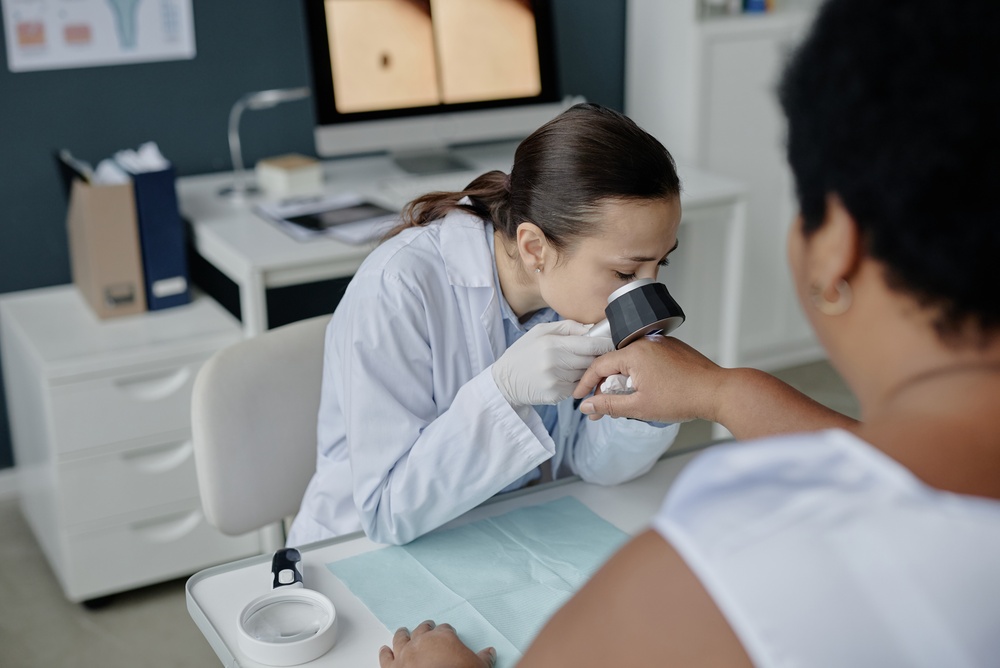
Does This Look Like Eczema, Psoriasis or Something Else?

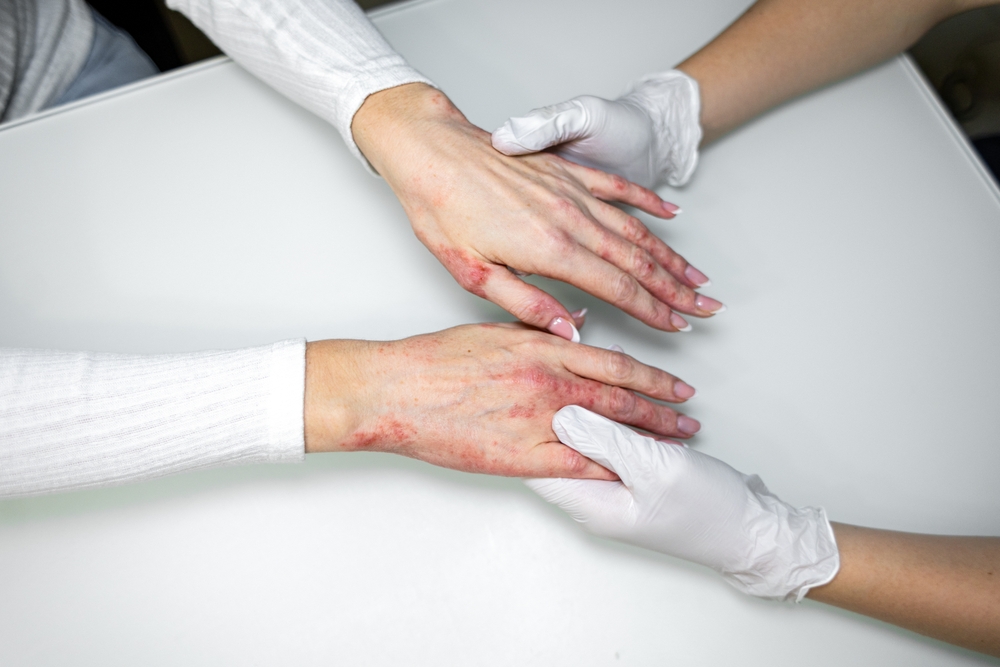
woman wondering if condition looks like eczema or psoriasis

Red, itchy, flaky, irritated skin has a way of making you immediately wonder, “what’s going on here?” Does it look like eczema? Psoriasis? An allergic reaction?

The tricky part is that many skin conditions can look surprisingly similar, especially when you are trying to diagnose yourself by comparing rash to pictures online.

While the appearance of a rash can offer some clues, figuring out what is really happening often requires a closer look. Here’s how to spot some of the differences, and when it’s time to see a dermatologist.

What Does Eczema Usually Look Like?

Eczema is often associated with itchy, dry, inflamed skin. For many people, the urge to scratch is one of the most noticeable symptoms.

The condition also appears as red, swollen, dry, cracked, or scaly patches. Depending on your skin tone, the affected area may look red, purple, brown or simply darker than the surrounding skin.

It’s commonly seen on the:

  • Face
  • Neck
  • Hands
  • Elbows
  • Knees
  • Anywhere the skin naturally folds

Chronic eczema can also cause the skin to become thicker or leathery from repeated scratching. The condition can flare after exposure to certain triggers like fragrances, soaps, fabrics, detergents, and allergens.

What Does Psoriasis Look Like?

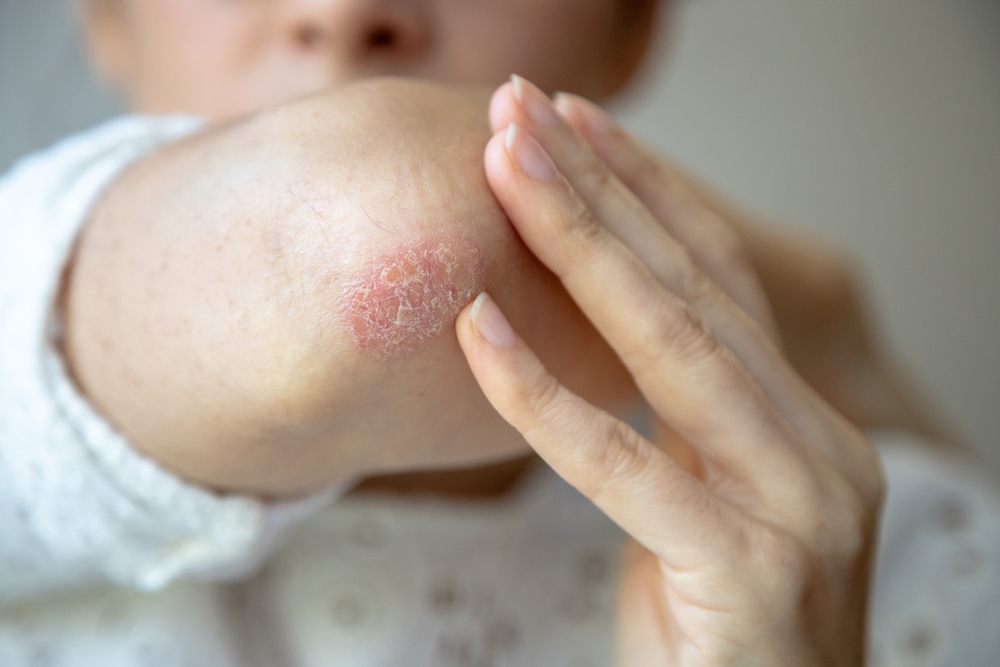
Psoriasis is a little different. Instead of simply causing the skin to become dry and irritated, this condition creates patches of thick, scaly skin known as plaques.

Psoriasis is most common on the scalp, elbows, knees, and lower back, though it can affect almost anywhere on the body. The patches are often itchy, sore, and uncomfortable.

The condition can also affect the nails, causing discoloration, pitting, thickening, and separation from the nail bed. In some cases, it can even be associated with psoriatic arthritis, which can cause joint pain, stiffness, and swelling.

Could It Be Something Completely Different?

Absolutely! Eczema and psoriasis are only two possibilities.

For example, contact dermatitis can cause redness, itching, swelling, and irritation. Something as simple as a new laundry detergent, skincare product, jewelry, or fragrance can trigger a reaction.

Fungal infections can also cause scaly, irritated patches. Other possibilities include:

  • Rosacea
  • Hives
  • Seborrheic dermatitis

Some common skin conditions can initially resemble more familiar rashes, which is one reason why guessing based on just appearance alone can be misleading.

When to See a Dermatologist

Instead of asking yourself “does this look like eczema, psoriasis, or something else?”, the better option is to consult with a skin expert.

If a rash is persistent, spreading, painful, repeatedly returning, or interfering with daily life, it should be checked out by a dermatologist. You should also see a doctor if over-the-counter products aren’t helping or are making your skin worse.

A dermatologist will examine the affected skin and determine whether additional testing, such as allergy testing or skin scraping, may be needed.

If your rash is accompanied by fever, swelling, blistering, severe pain, or other concerning symptoms, seek medical attention ASAP.

How Can I Treat and Prevent Future Flare-Ups?

Once you know what’s causing your symptoms, your dermatologist can recommend the right treatment to calm the current flare-up and help prevent it from returning.

Depending on the diagnosis, treatment may include prescription topical or oral medications, moisturizers, or other therapies to reduce inflammation, itching, and irritation.

Long-term prevention may involve identifying and avoiding triggers, using gentle, fragrance-free skincare products, keeping your skin moisturized, and avoiding harsh scrubbing or other habits that can aggravate your skin.

Does This Look Like Eczema, Psoriasis or Something Else? We Can Diagnose You!

Don’t play a guessing game with your skin. If your redness, itching, or other symptoms aren’t going away, don’t wait to figure out what’s actually going on.

Instead, get the diagnosis and treatment you need at Vibrant Dermatology. Whether you have eczema or a rash caused by an allergic reaction, our team is here to help.

Book your appointment online or call our office at 617-250-0257 to schedule today!

Why Do I Keep Getting Dry, Flaky Patches on My Skin?

dry flaky patches on skin

Dry patches that appear once in winter and clear up with moisturizer are rarely a concern. The kind that keep coming back, resist basic treatment, or show up in the same spots repeatedly are telling a different story.

Why do I keep getting dry, flaky patches on my skin is a question that almost always has a specific answer. Finding that answer requires looking beyond the weather and the products you are using.

This post covers the most common medical and lifestyle causes of recurring dry patches and when professional evaluation is the right next step.

Why Moisturizer Alone Is Not Always Enough

Basic dry skin responds to proper hydration because the issue is environmental. Cold air, low humidity, and hot showers strip moisture from the skin surface.

When dry patches keep returning despite consistent moisturizing, the problem usually runs deeper. Something is disrupting the skin barrier itself rather than simply drying the surface.

A compromised barrier allows moisture to escape and irritants to penetrate. This cycle continues regardless of how often you apply cream.

Eczema: a Common Cause of Recurring Dry Patches

Eczema disrupts the skin’s ability to hold moisture by compromising its outer barrier layer. Without a functional barrier, water escapes constantly and irritants move in.

This is why eczema-prone skin feels perpetually dry even with consistent moisturizing. The underlying structural defect is the problem, not the moisturizer itself.

Treatment focuses on repairing the barrier while identifying what triggers each individual flare. Prescription options have advanced significantly and can provide long-term control for patients who have struggled for years.

Why Do I Keep Getting Dry, Flaky Patches on My Skin?

Psoriasis is driven by an immune system malfunction that accelerates skin cell production far beyond normal rates. Cells that typically shed in weeks are replaced in days.

That buildup cannot clear fast enough, so it accumulates on the surface as thick, scaly plaques. The result looks and feels very different from ordinary dryness.

Psoriasis often goes undiagnosed for years because patients assume it is simply dry skin. A dermatologist can distinguish it quickly and recommend treatments that target the immune trigger directly.

Seborrheic Dermatitis and the Scalp Connection

Seborrheic dermatitis produces flaking that is oily and yellowish rather than dry and powdery. This texture difference is one of the clearest signs it is not standard dry skin.

The condition is tied to a naturally occurring skin yeast that becomes overactive in certain conditions. Hormonal shifts, stress, and seasonal changes all influence how aggressively it flares.

Over-the-counter dandruff shampoos manage mild scalp involvement but rarely address facial or body involvement adequately. Prescription antifungal treatments produce more reliable and longer-lasting control.

Why Do I Keep Getting Dry, Flaky Patches on My Skin Despite a Good Routine?

Skincare products themselves are sometimes the culprit. Fragrances, preservatives, and alcohol in cleansers and moisturizers trigger contact dermatitis in sensitive skin.

Patients wondering why do I keep getting dry, flaky patches on my skin despite diligent care are often reacting to something they apply daily without realizing it. Patch testing identifies the specific allergen driving the reaction.

Switching to fragrance-free, hypoallergenic formulations often resolves the problem once the trigger is identified and removed.

When Thyroid and Nutritional Factors Play a Role

Hypothyroidism slows the body’s metabolic processes, including skin cell renewal. Dry, rough, flaky skin that does not respond to topical treatment is a known symptom of underactive thyroid function.

Deficiencies in zinc, vitamin D, and essential fatty acids also affect skin barrier integrity. These are worth evaluating when dry patches persist without an obvious dermatological cause.

A dermatologist will consider systemic factors during a thorough skin evaluation. Sometimes the skin is reflecting something happening internally rather than a surface-level issue.

Get to the Root of Your Dry, Flaky Patches on Your Skin at Vibrant Dermatology

Recurring dry, flaky patches deserve a real diagnosis rather than another moisturizer.

Vibrant Dermatology in Dedham, MA, and Milton, MA, offers comprehensive skin evaluations for all types of chronic skin conditions.

Book your appointment online or call our office at 617-250-0257 to schedule today and discover how you can get rid of those pesky dry, flaky patches on your skin.

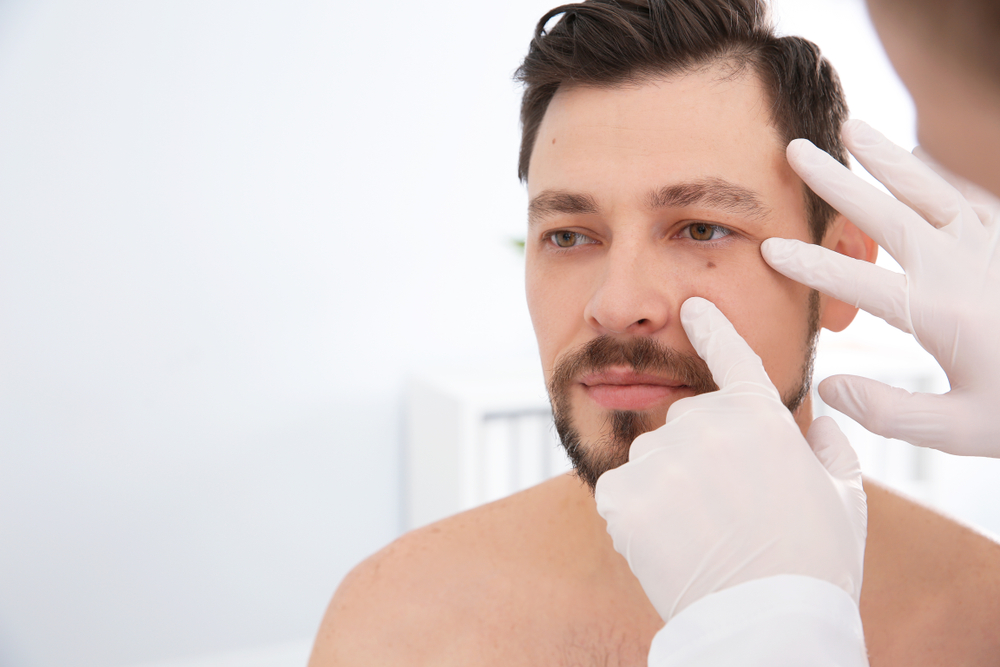
Should I Be Worried About a New Mole That Appeared Out of Nowhere?

woman getting a new mole looked at

Noticing a new mole on your skin that was not there before is unsettling. The mind goes to worst-case scenarios quickly, and the uncertainty of not knowing what it means makes it worse.

Whether you should be worried about a new mole that appeared out of nowhere depends on several specific factors. Most new moles in adults are benign, but some warrant prompt evaluation.

This post covers what to look for, which warning signs matter most, and when to see a dermatologist without delay.

Why New Moles Appear in Adulthood

Most moles develop during childhood and adolescence as melanocytes cluster in the skin. New moles in adulthood are less common but not automatically cause for alarm.

Sun exposure is the most common trigger for new pigmented spots in adults. UV radiation stimulates melanocyte activity, which can produce new growths in areas exposed to the sun over decades.

Hormonal changes during pregnancy or while taking certain medications can also prompt new mole development. Genetic factors play a role in how many moles a person develops throughout their lifetime.

The ABCDEs of Mole Evaluation

Dermatologists use the ABCDE criteria to assess whether a mole warrants concern. Each letter corresponds to a specific characteristic worth examining closely.

Asymmetry means one half does not mirror the other. Border irregularity means the edges are ragged, notched, or blurred rather than smooth and clearly defined.

Color variation within a single mole, diameter larger than six millimeters, and evolution or change over time complete the criteria. Any of these features in a new or existing mole warrants professional evaluation.

Should I Be Worried About a New Mole That Appeared Out of Nowhere if It Changes?

A mole that changes in size, shape, or color after it appears is the most significant warning sign. Stable moles that remain consistent over time are far less concerning than those that evolve.

Itching, bleeding, crusting, or oozing from a mole are also red flags that should never be dismissed. These symptoms suggest the mole may be behaving abnormally at a cellular level.

New moles that appear after age 40 deserve particular attention. While many are still benign, the statistical risk of atypical development increases with age and cumulative sun exposure.

What Makes a Mole High Risk?

Personal or family history of melanoma significantly elevates the importance of monitoring new moles. Patients with this history should establish regular full-body skin exams with a dermatologist.

Fair skin, a high total mole count, and a history of significant sun exposure or sunburns are all risk factors. Patients in these categories benefit from more frequent professional monitoring.

Atypical moles, also called dysplastic nevi, have irregular features but are not malignant. They do require ongoing monitoring because they carry a higher statistical risk of becoming cancerous over time.

Should I Be Worried About a New Mole That Appeared Out of Nowhere on Covered Skin?

Patients wondering should I be worried about a new mole that appeared out of nowhere in a sun-protected area are right to flag it. Melanoma can develop in areas that receive little to no sun exposure.

Moles on the scalp, between the toes, under the nails, and on the palms or soles are less commonly examined but equally important. These locations are often missed during self-examination.

Why Does This Matter? Melanoma caught early is among the most treatable forms of skin cancer. Delayed evaluation is the primary reason outcomes worsen.

Get Your Mole Evaluated at Vibrant Dermatology Today, Call Us Now to Book Your Appointment 

A new mole that concerns you deserves a professional opinion, not reassurance from the internet. 

Vibrant Dermatology in Dedham, MA, and Milton, MA, offers thorough skin evaluations and mole assessments for patients of all ages.

Book your appointment online or call our office at 617-250-0257 to schedule today and schedule your skin check today!

Same-Day Dermatology Near Stoughton, MA: Reasons to Visit & Expectations

same-day dermatology near Stoughton

Patients searching for same-day dermatology near Stoughton, MA, are often looking for fast, professional care for skin conditions that should not be ignored.

Skin concerns can appear suddenly and sometimes require prompt attention. Whether it is a painful rash, suspicious mole, severe acne flare-up, or unexpected skin irritation, waiting weeks for an appointment can feel frustrating and stressful. 

Experienced dermatologists diagnose and manage a wide range of skin, hair, and nail concerns, from cosmetic conditions to potentially serious medical issues. 

Common Reasons Patients Seek Same-Day Dermatology Care

Some skin conditions can worsen quickly or become increasingly uncomfortable without treatment. Same-day dermatology appointments may help patients receive faster evaluations, symptom relief, and treatment recommendations.

Common reasons patients seek urgent dermatology care may include:

  • Painful rashes
  • Sudden allergic skin reactions
  • Suspicious moles or lesions
  • Severe acne breakouts
  • Skin infections
  • Itching, redness, or swelling

The best part is that early evaluation may help identify problems before symptoms become more severe or harder to manage.

Learning more about when to see a dermatologist for skin concerns and symptoms can help patients better understand when prompt dermatology care may be beneficial.

What To Expect During a Same-Day Dermatology Appointment

A same-day dermatology visit typically includes a discussion about symptoms, medical history, skincare habits, and any recent skin changes. Dermatologists carefully examine the affected area and recommend personalized treatment options based on the patient’s condition.

Treatment planning may focus on:

  • Diagnosing skin conditions
  • Managing irritation or inflammation
  • Evaluating suspicious lesions
  • Supporting healthy skin recovery
  • Preventing worsening symptoms
  • Long-term skin wellness support

Look, I can’t emphasize this enough: sudden skin changes, painful rashes, or suspicious lesions should never be ignored, especially if symptoms continue worsening.

Schedule a Dermatology Appointment in Stoughton, MA

If you are dealing with sudden skin concerns, irritation, acne flare-ups, or suspicious lesions, the experienced team at Vibrant Dermatology provides personalized dermatology care focused on fast evaluations and long-term skin wellness.

Call (617) 250-0257 today to schedule your same-day dermatology appointment near Stoughton, MA.

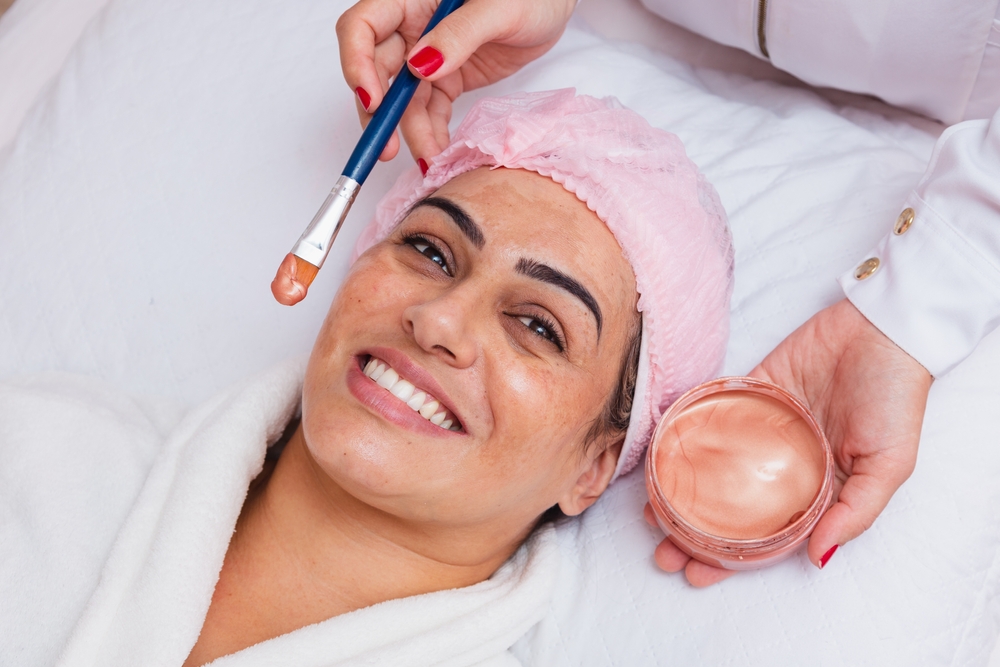
How to Diagnose and Treat Melasma Near Foxborough, MA

woman about to treat melasma near Foxborough

Melasma is a common skin condition that causes dark patches or discoloration, most often on the cheeks, forehead, upper lip, and chin. While melasma is not harmful, the uneven pigmentation can become frustrating and difficult to manage without professional treatment. 

If you want to know how to diagnose and treat melasma Near Foxborough, MA, look for answers about what causes melasma and which treatment options may help improve skin tone safely.

Melasma can develop gradually and may worsen with sun exposure, hormonal changes, or certain skincare products. 

What is Melasma?

Melasma is a pigmentation condition caused by excess melanin production in the skin. The discoloration typically appears as brown, gray-brown, or tan patches on areas frequently exposed to sunlight.

Common areas affected by melasma may include:

  • Cheeks
  • Forehead
  • Nose
  • Upper lip
  • Chin
  • Jawline

The best part is that many melasma treatment options are available to help improve uneven pigmentation and support healthier-looking skin.

What Causes Melasma?

Several factors may contribute to melasma development. Hormonal fluctuations and sun exposure are among the most common triggers, although genetics and certain medications may also play a role.

Common melasma triggers may include:

  • Sun exposure
  • Pregnancy-related hormone changes
  • Birth control medications
  • Heat exposure
  • Genetics
  • Skin irritation or inflammation

Patients searching for how to diagnose and treat melasma Near Foxborough, MA are often surprised to learn that even small amounts of UV exposure may worsen pigmentation over time.

Here’s the deal: melasma is often chronic, which means long-term management and skin protection are extremely important for maintaining results.

How Dermatologists Diagnose Melasma in Foxborough, MA

Professional diagnosis is important because other skin conditions can sometimes resemble melasma. During an evaluation, dermatology providers examine the skin carefully and discusses melasma symptoms, causes, diagnosis, and treatment options.

A melasma consultation may include:

  • Evaluation of pigmentation patterns
  • Review of skincare products
  • Discussion of sun exposure habits
  • Medical history review
  • Assessment of skin sensitivity
  • Personalized treatment recommendations

The best part is that professional diagnosis helps patients avoid wasting time on ineffective over-the-counter products that may not address the underlying issue.

Common Melasma Treatment Options

Melasma treatment plans are often customized based on skin type, pigmentation severity, and overall skin health. Many patients benefit from combining professional treatments with long-term skincare support.

Common treatment options may include:

Topical Prescription Creams: Certain prescription creams may help reduce pigmentation and improve overall skin tone gradually over time.

Chemical Peels: Chemical peels are sometimes used to improve skin texture and reduce areas of uneven pigmentation.

Laser and Light Treatments: Some laser treatments may help target pigmentation, although providers carefully evaluate skin type before recommending these procedures.

Medical-Grade Skincare

Professional skincare routines may help maintain results and reduce future pigmentation flare-ups.

The best part is that treatment plans can often be adjusted over time depending on how the skin responds.

Why Sun Protection is Essential

Sun exposure is one of the most important triggers for melasma, which is why daily sun protection plays a major role in both treatment and prevention.

Helpful skin protection habits may include:

  • Wearing broad-spectrum sunscreen daily
  • Reapplying sunscreen regularly
  • Wearing hats outdoors
  • Avoiding prolonged direct sunlight
  • Using gentle skincare products
  • Following professional skincare recommendations

Look, I can’t emphasize this enough: even successful melasma treatment results may fade if consistent sun protection is not maintained.

Schedule a Consultation for Melasma Near Foxborough, MA

If dark patches, uneven pigmentation, or melasma concerns are affecting your confidence, the experienced team at Vibrant Dermatology provides personalized dermatology care focused on advanced skin rejuvenation and long-term skin health.

Give our office a call at 617-250-0257 to speak with a member of our team or book your appointment online and learn more about melasma diagnosis and treatment options near Foxborough, MA.

How to Find An African American Dermatologist Near Stoughton, MA

African American dermatologist near Stoughton MA

Finding the right dermatologist matters for everyone, but it can be especially important for patients with melanin-rich skin. If you’re searching for an African American dermatologist near Stoughton, MA, you’re likely looking for someone who understands how skin conditions uniquely appear, heal, and respond in darker skin tones.

That distinction matters more than many people realize.

Why Specialized Experience Matters

When treating skin of color, dermatologists need to recognize how conditions like acne, hyperpigmentation, melasma, keloids, and eczema can present differently in darker skin. Research has shown that many dermatology resources historically lacked diverse skin representation, which can sometimes lead to delayed diagnosis or ineffective treatment plans.

That’s why finding an African American dermatologist—or a provider experienced in treating skin of color—can make a major difference in both results and comfort level.

What to Look for in an African American Dermatologist Near Stoughton, MA,

As you search for an African American dermatologist near Stoughton, MA, focus on more than location alone. Look for:

  • Experience treating diverse skin tones

  • Board certification and specialized training

  • Before-and-after photos featuring different skin types

  • Reviews mentioning skin of color expertise

  • A provider who listens carefully and explains treatment options clearly

Comfort and trust matter just as much as credentials.

Personalized Care Makes a Difference

The best dermatology experience is one where you feel heard, understood, and confident in your treatment plan. Finding an African American dermatologist near Stoughton, MA, often means finding someone who understands both the medical and cosmetic nuances of skin of color.

That level of expertise can help improve outcomes while minimizing unnecessary irritation, discoloration, or scarring.

Get Expert Skin Care Designed for You

Whether you’re dealing with acne, pigmentation concerns, hair loss, or general skin health, choosing the right provider is an important step.

Vibrant Dermatology in nearby Milton and Dedham, MA, offers personalized dermatologic care for diverse skin types with a focus on thoughtful, customized treatment.

To schedule with one of our experienced providers, call us at (617) 250-0257 or book an appointment online and get expert care tailored to your skin’s unique needs.

Same-Day Dermatology Near Foxborough, MA

same-day dermatology near Foxborough MA

Skin issues rarely show up at a convenient time. Whether it’s a sudden rash, a painful breakout, or a spot that just doesn’t look right, waiting weeks for an appointment isn’t always realistic. That’s where same-day dermatology near Foxborough, MA becomes a game changer.

When something feels urgent, getting answers quickly matters.

When Same-Day Dermatology Makes Sense

There are plenty of situations where fast access to care isn’t just helpful — it’s necessary. Patients often seek same-day dermatology for concerns like new or changing moles, severe acne flare-ups, allergic reactions, unexplained rashes, or skin infections.

Early evaluation can prevent minor issues from becoming more serious and give you peace of mind much sooner.

What to Expect From a Same-Day Dermatology Near Foxborough, MA

A same-day dermatology appointment is designed to be efficient without cutting corners. You’ll still receive a thorough evaluation, including a review of your symptoms, medical history, and a focused skin exam.

For those using same-day dermatology near Foxborough, MA, providers aim to diagnose concerns quickly and recommend appropriate treatment on the spot. This may include prescriptions, in-office procedures, or guidance on next steps.

Benefits of Getting Care Right Away

The biggest advantage of same-day care is simple — you don’t have to wait. But beyond convenience, there are real clinical benefits as well.

Timely evaluation allows dermatologists to catch potential issues early, begin treatment sooner, and reduce the risk of complications. It also helps patients avoid unnecessary stress from waiting and guessing.

For many people, same-day dermatology provides both reassurance and faster relief.

Get the Care You Need Without the Wait

When your skin needs attention, waiting shouldn’t be your only option. Same-day dermatology offers a practical solution for both urgent and unexpected concerns.

Vibrant Dermatology in nearby Milton and Dedham, MA, provides timely, patient-focused care for a wide range of skin conditions.

To schedule with one of our experienced providers, call us at (617) 250-0257 or book an appointment online and get expert dermatologic care when you need it most.

The Best Way to Remove Skin Tags Near Boston, Massachusetts

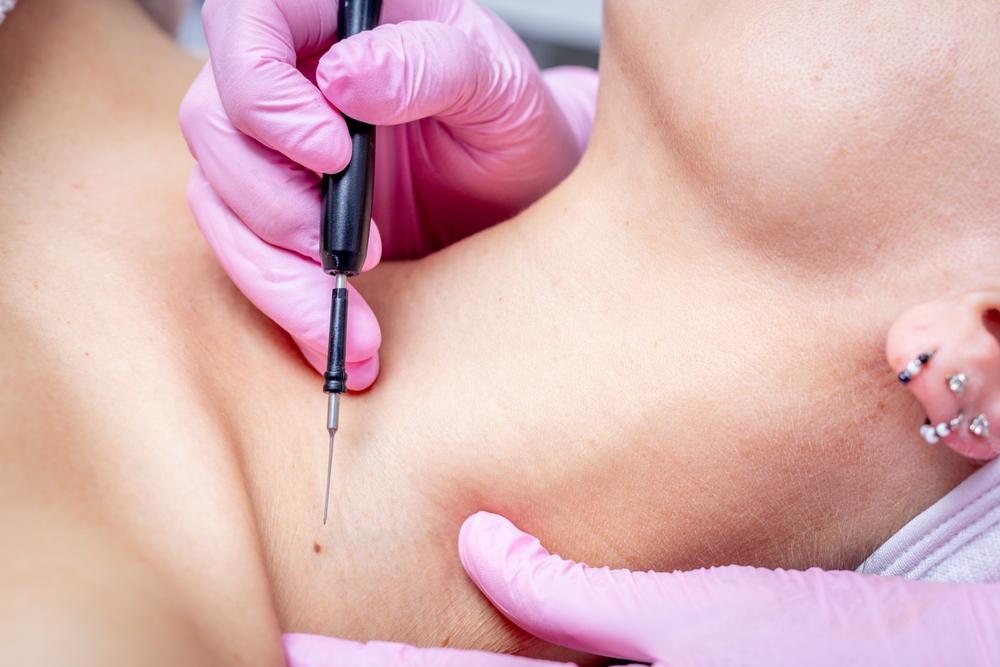
remove skin tags near Boston

Skin tags are common, harmless growths but that doesn’t mean you have to keep them. Whether they’re causing irritation or affecting your confidence, many people are searching for the best way to remove skin tags near Boston, Massachusetts safely and effectively.

Here’s what you need to know before choosing to remove skin tags near Boston, MA.

What Are Skin Tags?

Skin tags are small, soft growths that typically appear in areas where skin rubs together.

Common locations include:

  • Neck
  • Underarms
  • Eyelids
  • Groin area

They are non-cancerous and usually painless, but they can become irritated from friction or clothing.

Why Do Skin Tags Develop?

Skin tags often form due to repeated friction or skin irritation.

Other contributing factors may include:

  • Genetics
  • Weight gain
  • Hormonal changes
  • Aging

While they are harmless, many people choose to remove them for comfort or cosmetic reasons.

The Most Effective Way to Remove Skin Tags Near Boston

There are several professional methods for removing skin tags safely.

Cryotherapy (Freezing)

Cryotherapy uses extreme cold to freeze and destroy the skin tag.

  • Quick and minimally invasive
  • Skin tag falls off within days
  • Minimal discomfort

Cauterization (Burning)

Cauterization uses heat to remove the skin tag and seal the area.

  • Immediate removal
  • Helps reduce bleeding
  • Quick in-office procedure

Surgical Removal

For larger or stubborn skin tags, a dermatologist may remove them using sterile instruments.

  • Precise removal
  • Immediate results
  • Minimal scarring when done professionally

At-Home Removal is not the Best Way to Remove Skin Tags Near Boston

What’s the real story? DIY removal methods can do more harm than good.

Avoid:

  • Cutting off skin tags yourself
  • Using over-the-counter removal kits without guidance
  • Applying harsh chemicals

These methods can lead to infection, bleeding, or scarring.

What to Expect During a Professional Treatment

Skin tag removal is typically quick and straightforward. During your visit:

  • The area is cleaned and prepped
  • A removal method is selected based on size and location
  • The skin tag is removed in minutes

Most procedures take less than 30 minutes, depending on how many skin tags are treated.

Recovery and Aftercare

Recovery is usually minimal. You may experience:

  • Mild redness or sensitivity
  • Slight scabbing at the removal site

Aftercare typically includes:

  • Keeping the area clean
  • Avoiding irritation
  • Following any provider instructions

Healing usually occurs within a few days to a week.

Does Skin Tag Removal Leave Scars?

When performed by a professional, skin tag removal typically results in little to no scarring.

The risk of scarring increases with improper removal methods, which is why professional care is recommended.

Who Should Consider Skin Tag Removal Near Boston?

You may want to remove skin tags if they:

  • Become irritated or painful
  • Catch on clothing or jewelry
  • Affect your confidence

A dermatologist can evaluate your skin and recommend the best removal method.

Why Choosing the Right Provider Matters

Proper technique is essential for safe and effective removal.

An experienced provider will:

  • Accurately diagnose the growth
  • Choose the best removal method
  • Minimize discomfort and scarring
  • Ensure a clean, safe procedure

This is especially important for sensitive areas like the face or eyelids.

Smooth, Clear Skin Starts With the Removal Skin Tags Near Boston at Vibrant Dermatology

If you’re looking for the best way to remove skin tags near Boston, Massachusetts, professional treatment offers the safest and most effective results.

At Vibrant Dermatology, patients receive expert care for skin tag removal using advanced, minimally invasive techniques. Our staff, led by renowned dermatologist Dr. Ip, focuses on comfort, precision, and results that leave your skin looking smooth and healthy.

To schedule your appointment, call us at (617) 250-0257 or book an appointment online and take the next step toward clearer, irritation-free skin.

  • 1
  • 2
  • 3
  • …
  • 8
  • Next Page »

Problems We Treat

In the Clear

Acne: Adults & Teens

lllumination

Hyperpigmentation, Sun Spots, Melasma

Red, Red Go Away

Rosacea, Facial Redness, Sensitive Skin

Tall Drink of Water

Excessively Dry Skin, Eczema

Fountain of Youth

Anti-Aging, Skin Rejuvenation

Mommy & Me Skin Care

For Pregnant & Nursing Mothers

Just for Kids

Skin Care For Those 12 & Under
Contact
Vibrant Dermatology
588 Providence Hwy
Dedham MA 02026
Phone: (617) 250-0257

Vibrant Dermatology
1 Central Ave.
Milton MA 02186
(entrance at 131 Eliot St.)
Phone: (617) 250-0257

© 2026 Vibrant Dermatology | Site Map | TOS/Privacy Policy | Vibrant Dermatology