
Vibrant Dermatology

Book SkinBar MD Book Dermatology
(617) 250-0257
MENU
  • HOME
  • SHOP
  • ABOUT US
    • Meet Dr. Ip
    • Meet Our Staff
    • Why Vibrant Dermatology
    • Dr. Ip In the News
    • Featured Videos
    • Blog
    • Get Dr. Ip’s E-Book
    • Gap Year Program
    • Contact Us
  • Patient Resources
    • Appointment Policies
    • Insurance Information
  • Before and Afters
  • (617) 250-0257
  • (617) 540-5524
  • online bill pay
  • Book an Appointment
  • Medical Dermatology
    • Acne
    • Allergic Reactions
    • Autoimmune Disorders
    • Benign Growths: Seborrheic Keratoses, Skin Tags
    • Birthmarks, Brown Spots, Moles
    • Cysts
    • Eczema/Rashes
    • Excessive Sweating (Hyperhidrosis)
    • Hair Loss
    • Hives
    • Hyperpigmentation/Brown Spots
    • Keloids
    • Lipomas
    • Melanoma
    • Melasma
    • Nail Fungus
    • Psoriasis
    • Scars
    • Shingles
    • Skin Cancer
    • Skin of Color
    • Vitiligo
  • Surgical Dermatology
    • Cyst Removal
    • Lipoma Removal
    • Mole and Benign Lesion Removal
    • Skin Cancer Surgery
  • Pediatric Dermatology
    • Acne
    • Birthmarks
    • Eczema
    • Moles and Brown Spots
    • Skin Allergies
    • Skin Cancer
  • Cosmetic Dermatology
    • Aqua Facial
    • Neurotoxin (Jeuveau)
    • Chemical Peels
    • Era Elite Laser
    • Hair Loss Treatment
    • IPL Treatment
    • Juvederm
    • Kerafactor
    • LaseMD
    • Laser Treatment for Facial Veins
    • Melasma & Hyperpigmentation Treatments
    • NeoClear Laser Acne Treatment
    • NeoSkin Skin Rejuvenation Treatment
    • Non Surgical Face Lift “Liquid Lift”
    • PRP Treatment
    • PRX Skin Revitalization
    • Radiesse
    • Restylane
    • RF Microneedling
    • Sculptra
    • Sofwave Skin Tightening
    • Stretch Marks Treatment
    • Scalp Revive
  • Wellness
    • Sexual Wellness
    • O-Shot
  • Home
  • Shop
  • About Us
    • Meet Dr. Ip
    • Meet Our Staff
    • Why Vibrant Dermatology
    • Dr. Ip In the News
    • Featured Videos
    • Blog
    • Get Dr. Ip’s E-Book
    • Gap Year Program
    • Contact Us
  • Services
    • Medical Dermatology Services
    • Surgical Dermatology
    • Pediatric Dermatology
    • Cosmetic Dermatology
    • Health and Wellness
      • Sexual Wellness in Dedham, MA
      • Weight Loss in Dedham, MA
  • Before and After Gallery
  • Book Appointment
  • All Products
  • Online Bill Pay

Skin Cancer Does Not Discriminate

 A few months ago, around the time of Bob Marley’s birthday, I shared an image on Facebook that was well circulated.   The message I was spreading is that ‘Skin Cancer Does Not Discriminate’.  Many people aren’t aware of the fact that Bob Marley died of skin cancer.  He was only 36 years old and passed off a sore on his toe as a soccer injury.  There is a common misconception that individuals with dark skin are not at risk for skin cancer.  In fact, when skin cancer is diagnosed in dark skin, it has often already reached later stages and therefore the individual is more likely to die from the disease!

In the last few weeks we’ve seen Consumer Reports issue their Sunscreen Report and the EWG issued their 2016 Guide To Sunscreen.  The news has been full about skin cancer related facts.  This is all for good reason.  Skin cancer is the most common form of cancer in the United States.  Also, when detected early, skin cancer is almost entirely curable. 

Diagnosing Skin Cancer in Minorities

Skin cancer presents the same regardless of what color your skin is.  Learning the ABCDE’s of Melanoma is a key factor in knowing what to look for on your own body.  Moles may be more difficult to examine in dark skin but there are some additional things you should pay attention to:

  • Know your body.If you have a spot (such as a scratch or pimple) and it isn’t healing as quick as usual, get it checked by a dermatologist. Generally, most small spots will heal in about a week, maybe two. Mr. T, a famous wrestler in the 1980’s, saw his doctor for a small spot on his ear that wasn’t healing. It turned out to be a form of cutaneous T-Cell lymphoma, which is lymphoma that is usually localized to the skin, but can also be systemic. This goes to show that noticeable changes that are not healing should be checked. 
  • In dark skinned people, skin cancer is more likely to occur in places that we generally wouldn’t think of. Check the soles of your feet, the groin area and nail beds. This is referred to as Acral Lentiginous Melanoma and is the type of skin cancer that resulted in the death of Bob Marley

 image source:  http://healthh.com/wp-content/uploads/2014/07/acral-lentiginous-melanoma-pictures-3.jpg

  • Areas that have experienced chronic skin trauma (lesions on the skin from lupus, scars from burn injuries or diabetic ulcers) have an increased risk for developing types of skin cancer. Be sure to keep these protected from the sun and consult your doctor if you notice any changes to the color or size of the area.
  • Certain ethnicities are predisposed to skin cancer so regardless of the color of your skin there may be a genetic consideration. For example, if you have a really dark complexion but have some Irish genetics then you will have an increased risk for skin cancer.

Protecting Your Skin

A person of color will have a natural protection of about 13 SPF, but SPF of 15-30 is essential for everyone.  I recommend SPF 30 for everyone.  Regardless of your skin color, you should be using sunblock on a daily basis – choose a product that is broad spectrum (to block UVA and UVB rays) – and reapply every two hours when outdoors (more frequently if you are swimming or sweating).  Check out the two posts below for some tips on how to select & apply sunscreen and how to keep your kids safe in the sun. Lip Pump Plumper

The Best Sunblock For Dark Skin

In my opinion, the best product to use for sun protection is a mineral-based sunblock.  As a black woman, I know that it is frustrating to find a product that works well but also applies easily.  Mineral-based sunblock is notorious for being thick and difficult to apply, leaving a white discoloration on the skin.  Even my Caucasian patients often express their concerns about this.  My personal recommendations include EltaMD Pure and La Roche-Posay Anthelios Mineral.

Soothe Your Skin – A Review Of Hydropeptide’s Soothing Serum

As a doctor, nothing makes me happier than hearing success stories when I have helped to improve somebody’s health or appearance.  Today I’m sharing an update from one of my patients who was going through redness and inflammation in her face.  She is a mom to three little kids and noticed that a lot of her skin changes happened when pregnant and breastfeeding – but after weaning her youngest child her skin didn’t clear up as expected.  Another dermatologist had previously diagnosed her with Rosacea and prescribed a prescription that was going to be very expensive and possibly not provide any results.  I suspected that inflammatory acne was to blame for the irritation and prescribed an over the counter acne medication called Obagi Clenziderm solubilized benzoyl peroxide and a light moisturizer.

Human Eye, Human Face, Women.

The patient started using the over the counter acne medication.  This cleared up the acne but she was left with redness throughout her cheeks, nose and forehead.  I suggested that she try Hydropeptide’s Soothing Serum. 

Hydropeptide is a brand that I 100% stand behind.  I use many of their products for myself and have been happy with the results.  The products are ‘clean’ and use powerful peptides that work on a cellular level.  The Soothing Serum that I recommended to this patient is formulated with calming peptides and a botanical stem cell that reduces the appearance of redness while comforting sensitive and irritated skin.  The serum also strengthens the skins natural defense system, restores hydration and promotes rapid recovery from skin resurfacing procedures.

When using this product, remember that a little bit will go a very long way.   A pea-sized amount will be enough to cover your face and once a day application should be enough (unless you have extreme irritation in which case you would apply twice a day).   You can order direct from Hydropeptide.

Direct from my patient:

 ‘Hydropeptide Soothing Serum has been a game changer for me.  The texture of this serum is really nice and it has a light, subtle scent.  I use it immediately after washing my face, and let it soak in for a few minutes before applying a light moisturizer.  Within two weeks, my skin was no longer irritated and felt so much smoother.  Thank You Dr. Ip for helping clear my skin!‘

I recently saw this patient again and her skin is looking so much better.  She has been able to scale down use of the acne medication to once every two to three days and is finding that the soothing serum keeps the redness to a minimum.  If you suffer from skin redness related to rosacea or post-inflammatory redness from acne, try Microneedling Serum.

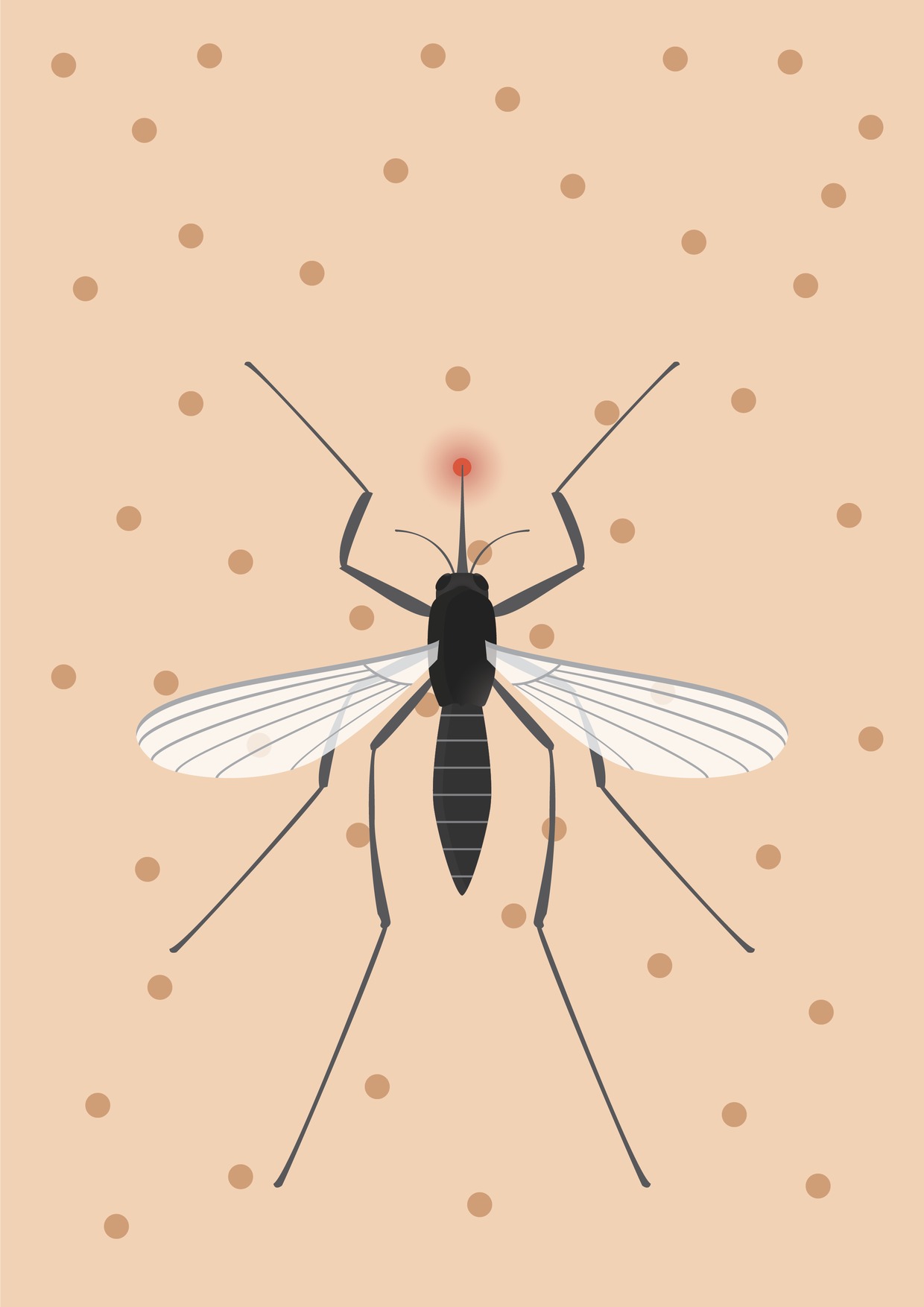
Bugged Out!

The mosquito’s are officially out.  These things drive me crazy!!  Bites from mosquito’s (and other insects) cause irritation but can also have longer lasting health issues.  Insect repellent can help to protect you from bites but selecting the best product can be so difficult.  The decision of what type of insect repellent to use will vary based on where you are spending your time, but there are some important considerations.

DEET

DEET is probably the most commonly known chemical insect repellent which you will likely recognize by its overwhelming odor.  DEET has gotten some bad press over the years – concerns have been expressed about the effects of DEET on the central nervous system.  The EPA has completed multiple reviews of DEET and has determined that the product does not pose a health concern.  Personally, I am not a fan of products that contain DEET.  However, if we are traveling to an area of the world that has a known issue with certain diseases (Zika, West Nile Virus) then I would consider using a product with a low amount of DEET for a short period of time.  If you are planning to use a DEET product, 10% – 30% DEET is adequate protection for most areas, and the lower the DEET the better (just remember that lower levels don’t last as long so you may need to reapply).  Only apply to exposed areas of skin and don’t use it under clothing.  Never spray the product in the area of your face – spray into hands and then apply it.  Finally, wash areas sprayed with soap and water as soon as possible.

Picardidin

Also known as Piperidine, this is another synthetic product that helps to repel insects.  Also considered safe by the EPA, this one doesn’t share the same strong scent that DEET carries.  Studies show that this repellent carries no significant toxicities but care should be taken to avoid eyes, mouth and nose.  It is worth noting that Picardidin does not repel ticks (which are a big concern in the area I’m located).  Products containing Picardidin should not be used in children under the age of 2.  

Permethrin

This is another synthetic repellent, which should be applied to fabric. Do not apply directly to skin. A single application lasts 2 wks and it is superior to DEET for tick prevention.

Oil of Lemon Eucalyptus (PMD)

This is a synthesized version of oil of lemon eucalyptus which has been shown to offer protection that is similar to low levels of DEET.  There is a risk of considerable eye irritation (take care when applying to the face) and this product is not recommended for children under the age of 3.  

Natural Products

My family has had great results with a natural insect repellent called Buzz Away that I purchase at Whole Foods, and can be found on Amazon.  It contains a combination of Castor oil, Geranium Oil, Soybean oil, Citronella, Lemongrass Oil, and Peppermint Oil.  Three of the oils in this formulation have been found to have similar efficacy to low levels of DEET. However, this product smells amazing, works great and I have no concerns with the ingredients.  If you search on Pinterest you can find all sorts of recipes that use essential oils to ward off the insects.  My only caution with these is to test each ingredient as a potential allergen and to stop using if you notice any irritation.   

How Should I Layer Products For Outdoor Use?

This is a question that I get asked often. In general, I recommend that sunscreen be applied first, followed by bug repellent. Remember, sunscreen needs to be applied every 2 hours for maximal protection against harmful UV rays. Bug sprays tend to last longer on the skin (3-4 hours or longer). In general, I go by a two to one rule… two applications of sunscreen for every one application of my bug spray.

Combination Products

I want to take a minute to specifically address products that combine sunscreen and insect repellent.  Many parents think this is brilliant.  I know that it isn’t the easiest task to apply these products to young children so only applying one product that offers two solutions is ideal.  I do not recommend these combination products.  Sunscreen needs to be applied frequently whereas insect repellent is longer lasting.  These combination products almost always contain a low level of DEET. In addition, they are usually formulated as an aerosol spray, which increases the risk of little ones inhaling harmful chemicals.   If you reapply as often as necessary you will be over-exposing to the chemicals in insect repellent.  

Beyond The Bug Spray

No insect repellent is 100% effective so I always recommend some extra precautions to help prevent insect bites.

  • Keep legs and arms covered with clothing and tuck pants into socks if hiking in thick grass/brush
  • Use a net to cover a baby in a stroller or a car seat, and a hat with a net works well for bigger kids too.  If the bugs can’t get in, they can’t bite you!
  • Remove the threat – we have a water table and kids pool in our backyard that gets emptied and rinsed every evening.  Mosquito’s love these environments (warm, stagnant water).
  • If you live in an area where lyme disease is prevalent, always make sure to check over your skin and your children’s skin for ticks. I have found two ticks on my daughter over the last 3 years. The most recent bite she had was in the late fall (go figure).

Ouch!  He Bit Me

While we are on the topic of insects (just writing about these things makes my skin crawl!) I wanted to give some tips on what to do if you do get a mosquito bite.  

  • Wash the area with warm water and soap
  • An ice pack might help relieve some of the itch
  • Apply calamine lotion or an anti-itch cream with a cortisone
  • If you notice severe swelling at the site of a bug bite, this could be a more severe bite reaction. Children are more prone to such reactions.  In this case, you may need to visit your dermatologist to get prescription strength steroids. 

How do you protect your family from insect bites?  Any great tips to share?  Comment below or send them to me at info@vibrantdermatology.com. 

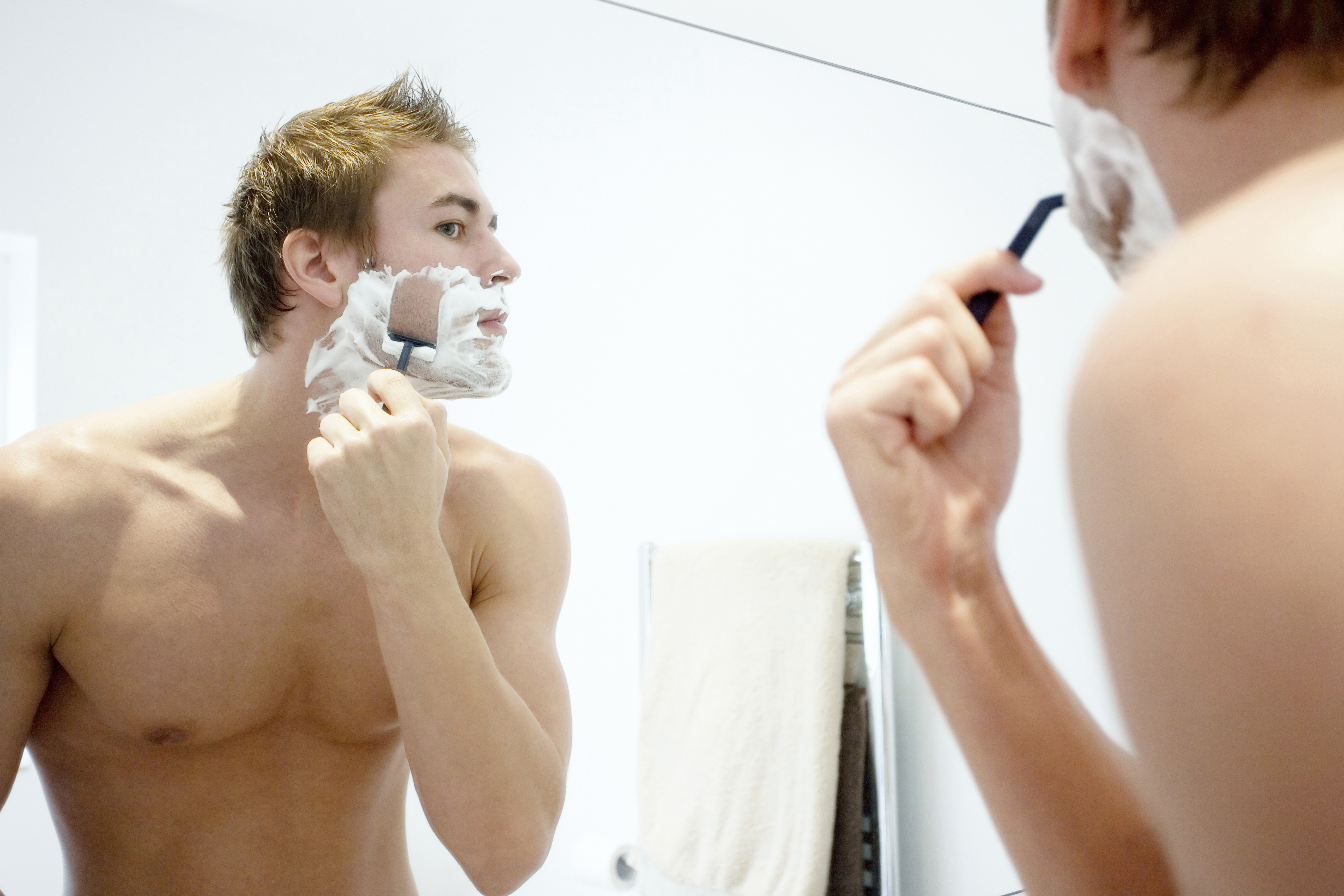
Skin Tips For Him

Father’s Day is around the corner so today I am sharing my top skin care tips for the men out there.  Men experience many of the same skin conditions as women (acne, eczema, dry skin, etc) and can learn a lot through other posts I’ve shared on my page.  However, there are some conditions in men that have more specific advice. 

Razor Burn

This is one of the most common complaints of my male patients.  Facial hair is quick to grow and most men have to shave every day or

two.  The sensitive nature of facial skin combined with the razor will often result in some irritation, called razor burn.  To prevent razor burn, it is important to properly prepare your face before you begin shaving.  This means washing your face with warm water before you shave and use a lubricant (shave gel or soap) to help the razor glide over the skin.  Make sure that your razor blades are new and sharp and follow the grain of hair with short strokes.

If you find that your skin is uncomfortable after your shave, instead of using plain moisturizer, apply an aloe-based cortisone cream.  This will help to calm your skin and reduce any irritation.

Ingrown Hairs

Ingrown hairs occur when hair curls and then grows back into your skin, instead of away from the skin.  Also, when dead skin clogs a hair follicle, the hair will grow sideways under the skin.  These will appear as bumps which may resemble small pimples.  There is usually some irritation the bumps can be uncomfortable.  Some people can see pus inside of the bumps, and may actually be able to see the hair that is ingrown.

For men, ingrown hairs are very common on the chin, cheeks and neck.  Facial hair tends to be coarser and therefore is more likely to become ingrown, especially after it has been shaven.

Ingrown hairs usually resolve on their own.  If not it can become infected – and if you scratch or pick at the area it will leave a scar.  When you notice an ingrown hair that is bothersome or infected, contact your doctor for treatment.  Your doctor may release the ingrown hair with a small cut into the skin and may prescribe treatment to help with your skin and any infections. Crows Feet Treatment

Preventing ingrown hairs is not entirely possible but you can take some measures to help limit them.  The same steps outlined above for razor burn will also help with ingrown hairs.  In addition, you can try to tease out ingrown hairs by rubbing your face in a circular motion with a wet washcloth.

Problem.

Hair Loss

Two-thirds of American men will experience a significant level of hair thinning by the age of 35.  There is a huge market for hair loss products but sadly many of them fall short of their claims.  In terms of routine, there isn’t much you can do to prevent hair loss.  Good health and nutrition will help to slow the process.  If you aren’t into the bald look, I’ve seen patients have good luck with a medication called Finasteride (commonly known as Propecia).  Rogaine has more limited results and but is sometimes good to use in combination with Finasteride.  If you can afford them, hair transplants are a great options where strips of hair are removed from fuller parts of your head and grafted into bald areas.

Jock Itch

Jock itch, also known as tinea cruris refers to an itchy rash in the groin area.  This is generally seen in jocks and people who are more active.  A fungul infection is the most common cause of jock itch.  This infection is treated with antifungal cream medication over the course of two to four weeks but may need an oral medication as well.

Fungus will grow in warm and moist environments so taking care to keep the groin area clean and dry is important.  Dry off after bathing or excessive sweating and wear loose cotton underwear.  After swimming, take off wet suit right away.

Itching and irritation in the groin area should be presented to a doctor for treatment as soon as possible.

Aging

I want to take a moment to call out aging in men specifically.  Women tend to spend more time obsessing about wrinkles and sagging skin but trust me, the men are asking about it too!  Women tend to start utilizing anti-aging products from a younger age, and therefore the wrinkles appear later on.  I know that many men prefer a simple, easy skin care regimen.  However, the advice I share in Dr. Ip’s Tips for 4 Decades of Beautiful applies to all genders.  It’s never too early to start a skin care regimen that will help with anti-aging. 

Share this with the men in your life, and encourage them to visit a doctor for any concerns.

Vitamin D Versus The Sun

As we grow more and more concerned about harmful UV rays and the risk of skin cancer, we are taking better precautions when outdoors.  Sunscreen, extra clothing, and avoiding the sun all help to keep you protected from UV rays.  The side effect of all this is that we are seeing more people with vitamin D deficiencies. 

Vitamin D is an important component to overall health.  Your body uses vitamin D to manage the amount of calcium in your blood, bones and gut.  There is also new compelling research that shows that Vitamin D plays a important role in how our immune system functions. Vitamin D is unique in that your body makes the vitamin when your skin is exposed to sunlight.    There are some foods that will provide small amounts of vitamin D, but you likely won’t be able to get the amount that your body needs just from food.  

Vitamin D Deficiency

When your body doesn’t get enough vitamin D to keep it healthy, this is called a vitamin D deficiency.  In severe cases, this can result in soft, thin, and brittle bones (called rickets in children and osteomalcia in adults).  

People with darker skin are more at risk for vitamin D deficiency because darker skin requires more sun to get the same amount of vitamin D as fair-skinned people.  It is also more common to see vitamin D deficiencies in people who spend a lot of time indoors during the day and in people who cover their skin all of the time.  

Symptoms of vitamin D deficiency are not always apparent but will sometimes appear as tiredness and general aches and pains.  Vitamin D deficiency can also contribute to hair loss.  I often hear people finding out about a deficiency through a routine blood test during an annual exam with their physician.  In severe cases there may be pain in your bones and frequent infections.  Your physician can offer a blood test to check your vitamin D levels.  

Vitamin D Sources

Sun exposure is the natural source of vitamin D but as a dermatologist I wouldn’t suggest exposing bare skin to the sun in order to increase your vitamin D levels.  There is a healthy balance – moderate but frequent sun exposure is ok but when your exposure to the sun becomes too intense, the risk of skin cancer increases dramatically.   If you do plan to spend more time outside for the benefit of vitamin D, don’t over-do it.  You don’t need to get a tan (or sunburn), in fact your body can produce a large amount of vitamin D in a short amount of time.

Fun fact:  If your shadow is longer than you are tall, you’re not making much vitamin D (the angle of the sun’s rays are resulting in the atmosphere blocking the UVB part of the rays). Wrinkle Remover Cream

Supplements are a good way to get vitamin D when you are worried about exposing your skin to the sun.  Your physician can provide a specific recommendation on the amount you would require.  I use Adora Calcium Supplements (purchased from Whole Foods) which provide a boost of D3 to help absorb calcium.  These provide an added bonus of a nice chocolaty treat! How do you supplement Vitamin D in your diet?

Summer is almost here and my motto is ‘Healthy Skin Is In’.  Show your body some love with some Body Therapeutics Skin Care from Hydropeptide.  I’m running a giveaway at the moment and one lucky person will win one of these kits.  Click here to enter!

Dermatologist Boston

Hyde Park Dermatology

Black Dermatologist

Canton Dermatologists

African American Dermatologist


PSA – Sunscreen

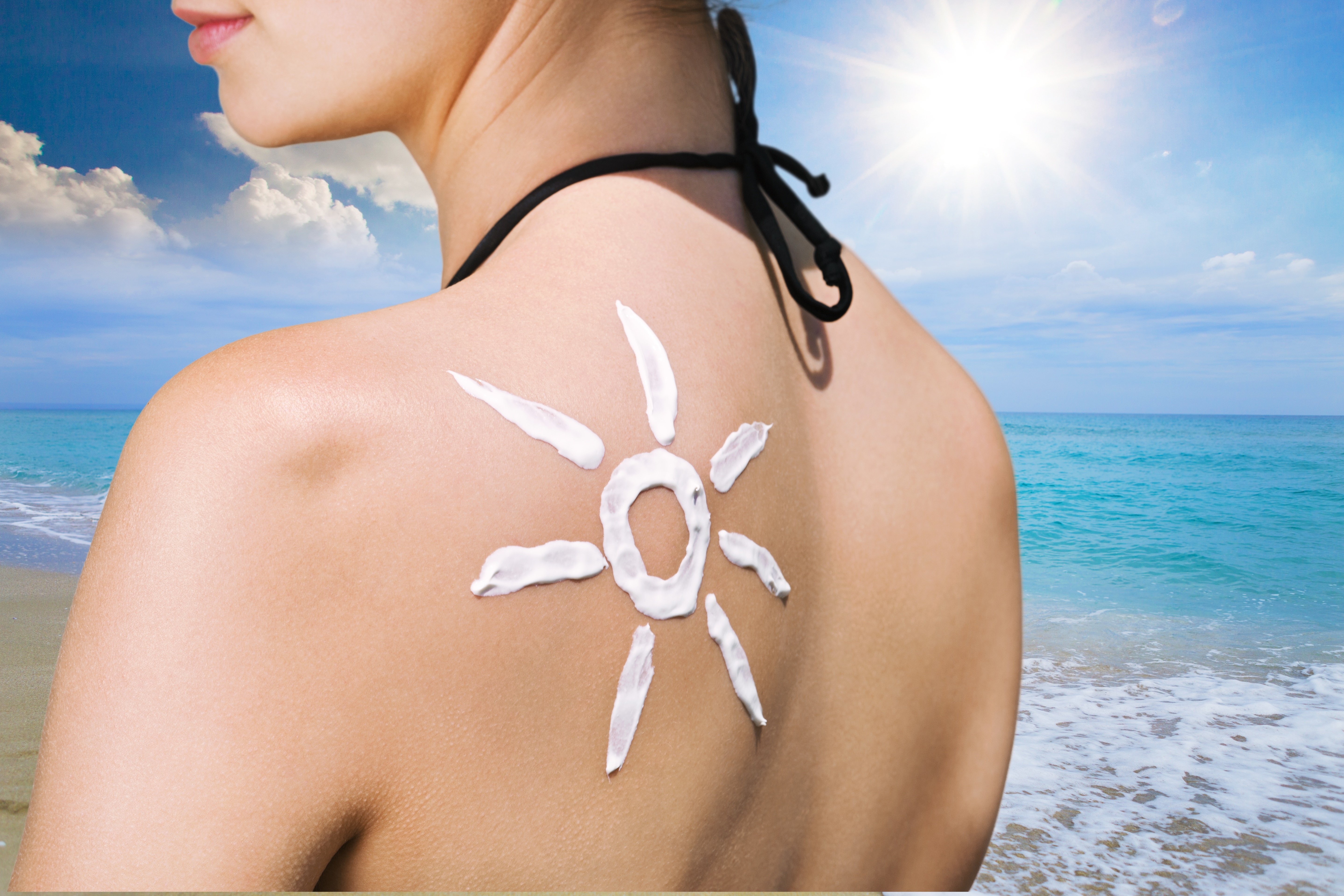
Believe it or not, summer will be here sooner than we think. To help usher in spring, I thought it would be a good idea to offer a refresher on how to select and apply sunscreen. Rain or shine, sunscreen should be your best friend. Not only does sunscreen help prevent skin cancer, it also helps prevent wrinkles!! However, it is not effective unless it’s applied correctly. Your skin is exposed to the sun’s harmful UV rays every time you go outside, even on cloudy days and in the winter, so sunscreen should really be used year round. Remember, Healthy Skin is In!

Sunscreen, sun, screen.

Woman Applying Sunscreen

Want to know how to select the best sunscreen? The infographic on the left from the American Academy of Dermatology offers helpful tips on how to select the best sunscreen.  In addition, the American Academy of Dermatology Recommendations for Sunscreen Application are below:

  1. Choose sunscreen that has an SPF of 30 or higher, is water resistant, and provides broad-spectrum coverage, which means it protects you from UVA and UVB rays.
  2. Apply sunscreen generously before going outdoors. It takes approximately 15 minutes for your skin to absorb the sunscreen and protect you. If you wait until you are in the sun to apply sunscreen, your skin is unprotected and can burn.
  3. Use enough sunscreen. Most adults need at least one ounce of sunscreen, about the amount you can hold in your palm, to fully cover all exposed areas of your body. Rub the sunscreen thoroughly into your skin.  Tip:  A family of four should finish an average sized bottle of sunscreen during a full day at the beach!
  4. Apply sunscreen to all bare skin. Remember your neck, face, ears, tops of your feet and legs. For hard‐to‐reach areas like your back, ask someone to help you or use a spray sunscreen. If you have thinning hair, either apply sunscreen to your scalp or wear a wide‐brimmed hat. To protect your lips, apply a lip balm with a SPF of at least 15.
  5. Reapply sunscreen at least every two hours to remain protected, or immediately after swimming or excessively sweating.

Consumer Reports recently issued their 2016 Sunscreen Guide and the results may surprise many.  It turns out that many sunscreens do not live up to the SPF claimed on the label.  The report does generally show that mineral based sunblock is not as effective as the chemical options and they actually suggest using a chemical version for the best protection.  However, I disagree.  My advice for choosing the best sunblock for your kids holds true (no chemicals!) and I encourage you to create a layered approach to sun safety – sunscreen should not be the only layer!  Avoiding the sun during peak hours, using hats, and wearing thickly woven clothing will all help to protect your skin. 

In my quest to help everybody get their skin ready for summer, I’m hosting a giveaway this month!  Don’t miss your chance to win a set of fantastic products from the HydroPeptide body therapeutics line.  I have been using these products for a few weeks now and am loving the difference they make!

You can enter the giveaway here. 

Dermatologist Boston

Hyde Park Dermatology

Black Dermatologist

Canton Dermatologists

African American Dermatologist


Oily Skin : Hormones versus Lifestyle

oily skin

This is the third post in my series, “Cure Your Acne Once And For All”.  My goal is to educate and support people in their mission to achieve clear skin.  A huge part of controlling your acne is understanding why we get acne.  One important element to how acne develops oily skin that our body produce naturally and get help with Vibrant Dermatology to cure this. 

If you notice that your skin is really greasy throughout the day you likely have overactive sebaceous glands.  As I discussed in my first blog post about acne (Step 1, Making A Diagnosis), we have sebaceous glands attached to follicles and when these follicles become obstructed the oil does not have a way to get out and a comedone will develop.  Bacteria begin feeding on these oils and skin cells and the body reacts with an inflammatory response creating pustules.  In some cases, the sebaceous glands will go into overdrive and create excess oil which leaves your skin looking greasy (and makes you more prone to acne).  

Did you miss the earlier posts in this series?  Enter your e-mail address below and I will send them to you.

There are a number of things that can cause the sebaceous glands to go into overdrive.  For some, oily skin is hereditary or hormonal (or both!). It’s important to have a better understanding of why sebaceous glands go into overdrive, and what you can do to ameliorate this process.

  • Teenagers and women who have PMS likely notice extra oil because of a spike in androgens which results in increased sebaceous secretions.  Take extra care of your skin during this period to help prevent breakouts.  By extra care, I mean make sure you are washing twice a day (no more!) and keeping your skin well hydrated.  You may need to switch to a face cleanser that targets acne (see Step 2, The Best Face Wash For Acne Prone Skin for some tips here).  Proper nutrition will also help during these times.  
  • If you suffer from polycystic ovaries syndrome (PCOS) you will likely notice oily skin because of the extra sebum being produced.  PCOS presents extra challenges for many women. When a woman has PCOS her hormones may be out of wack. She may have excess androgen production that leads to oily skin, acne, and even unwanted hair growth. In this instance, hormonal measures such as oral contraceptives and a pill called spironolactone are two medications that can help get hormone levels back to normal. Many women with PCOS also have insulin insensitivity, otherwise known as metabolic syndrome, this can results in weight gain. Eating foods with a low glycemic index (meaning avoiding white, refined starches) can go a long way to controlling the hormonal fluctuations seen in PCOS. When the hormone levels are better regulated, the sebaceous glands chill out and your skin appears less oily.

If your oily skin is not caused by hormones or a specific disorder, it is likely caused by your lifestyle.  Even if you identify with some of the things I mentioned above, the tips below may help you too.  

  • Over washing – Scrubbing your face multiple times (more than twice) every day with a harsh product will strip your skin of its natural oils.  Once the oil is stripped away your body will create more oil to replace it.  The more you strip, the more you create.  Washing twice a day with a gentle facial wash will ensure that your skin is balanced and healthy.  It will take some time for the oil production to slow down once you cut back on washing so be patient with this.  
  • Diet – If you consume a lot of dairy, sugar, refined carbs or hydrogenated oils, you may notice an increase in oil.  These foods all increase the amount of androgens in your body so cutting back and eating a cleaner diet will certainly help, as will eating enough essential fatty acids (like salmon, walnuts and flaxseeds). Also, be sure to stay hydrated from the inside (drinking water) and the outside (moisturizing) as your skin will go into overdrive oil production mode when it is dry.
  • Stress – An increase in stress will increase the amount of cortisol in your body which will cause an increase in oil production.  Be sure to take time for yourself – yoga, meditation, or a regular fitness routine will help keep your stress hormones down. Instant Wrinkle Remover Cream

To achieve clear, healthy skin you will need a skincare regimen that is gentle yet effective and a lifestyle that supports overall health and general well being.  Managing your oily skin will help to prevent future breakouts and is an important step in the process of clearing your skin.  

Do you suffer from oily skin?  Acne?  Be sure to sign up below so that you don’t miss any of my future posts about acne.  

Dermatologist Boston

Hyde Park Dermatology

Black Dermatologist

Canton Dermatologists

African American Dermatologist


The Windows To Your Soul

There is a famous saying, “The eyes are the windows to the soul.”  The eyes often show emotion when the rest of our body might not.  Squinting, blinking, tears and excitement are all evident through the eyes.  These emotions play a role in the changes that take place around your eyes as well – typically leaving the skin dark and wrinkled which makes us appear older.

Women.

The skin around the eyes is thin and there are no oil glands in this area to help with keeping the area moisturized.  Collagen weakens easily in this area which results in deep lines and wrinkles.    The eye area tends to show signs of aging before any other area on the face.

There are some precautions you can take to help maintain your youthful eyes:

  1. Protect your eyes from the sun. Use sunscreen to help protect again UV rays that will weaken collagen and result in premature wrinkling around the eyes.
  2. A quality pair of sunglasses is well worth the investment – especially if they block out UVA and UVB rays.
  3. Consider a vitamin A cream which will help prevent wrinkles and minimize those that you already have. Hydropeptide Eye Authority (link) is a great option for helping to moisturize and revive the skin around your eyes.
  4. Soothe tired, puffy eyes with something cool.Try cucumber slices, cold spoons or even a chilled teabag.The caffeine in the tea bags helps to temporarily reduce swelling and puffiness.
  5. Don’t skimp on sleep – lack of sleep is usually evident with dark circles under the eyes.It’s important to get enough sleep at night.
  6. Keep your vision in check with an annual eye exam and make sure you are using the correct prescription for your eye glasses to help reduce the amount of squinting that you do.
  7. Stop smoking. Not only is it horrible for your health, but it will age your skin prematurely.

If you are a happy, smiley person (like me) then you may experience crow’s feet over time.  The solution to this annoying problem is a little bit of Botox. I use Botox regularly for my crow’s feet.  Patients often complain about a furrow that develops under their eyes with time. This is called a tear trough and results from volume loss under the eyes and in the cheeks. The best way to address tear troughs is with a small bit of hyaluronic acid filler. This procedure can have some down time, as there may be swelling for 24- 96 hours. Arnica gel can help with swelling. The great thing about tear through filler is that it lasts a really long time. Some women feel that their eyes remain youthful and rejuvenated for up to 3 years after the filler.  The last complaint that I hear about often is crepey under eye skin. As mentioned above, a good eye cream is very helpful for helping to hydrate the skin under the eye and minimize crepiness. However, when crepiness is severe, laser treatments may be necessary to stimulate collagen production under the eye.  Your dermatologist can help you figure out what treatments are best for you. Face Needle Roller

How do you maintain youthful looking eyes?

Dermatologist Boston

Hyde Park Dermatology

Black Dermatologist

Canton Dermatologists

African American Dermatologist


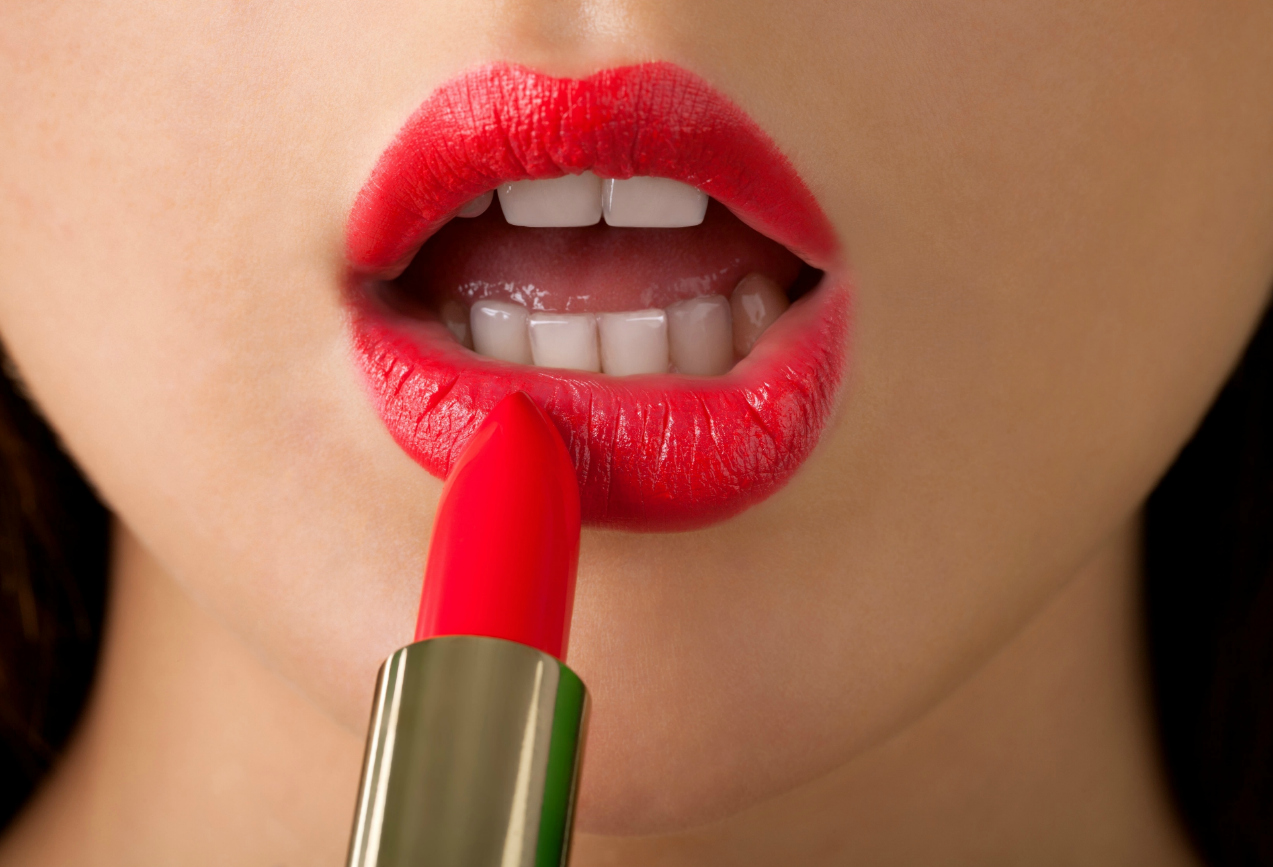
Is There Lead In Your Lipstick?

I’ve blogged before about the concept of ‘clean’ products and chemicals that can be found in personal care products.  Today I’m diving a bit deeper into lipstick, and specifically, lead. 

Over the last few years this topic has been covered a lot in the news.  First reported in 2007 with a report on lead contamination in lipsticks, “A Poison Kiss,” by the Campaign for Safe Cosmetics highlighted the levels of lead (and other metals) in lipstick.  The Food and Drug Administration followed up with a review of lipstick in 2011 and found traces of lead in 400 lipsticks. 

According to the FDA, ‘lead is an unintended contaminant or impurity that can be present at very low levels in some color additives and in other common ingredients, such as water, that are used to produced cosmetics.’  The FDA standpoint is that lead in lipstick is not a safety concern because lipstick is intended for topical use and has limited absorption levels.  The cosmetics industry has supported this argument.

How limited is it though?  If you are wearing lipstick daily – and reapplying frequently – the cumulative exposure over time can add up, so low exposure repeated can add up to a significant level.  Have you ever counted the number of times you apply lipstick each day?

The concerns with lead

Lead poisoning is a big deal.  Lead is a neurotoxin and is linked to learning, language, and behavioral problems; reduced fertility; hormonal changes; and delayed onset of puberty.  Lead poisoning is something that we should all be paying attention to.  The FDA sets a very low safety standard for lead (meaning that they are not concerned about ingesting small amounts of lead) but medical professionals agree that there really isn’t a safe level of lead.

There have now been numerous studies done to study the amounts of lead in lipstick and one of the general themes seems to be that dark colors tend to have higher levels of lead (versus more neutral lip balms).  The findings of lead in lipstick are not brand specific – and even some of the higher-end, expensive brands aren’t completely clean.

Lipstick labels

You won’t find ‘lead’ listed explicitly on a product label.  Lead shows up in lipstick as a contaminant that is present in the pigments and base materials used to make the product.  Cosmetic companies are not required to list contaminants on ingredient labels.  Given that cosmetics are not governed by the FDA, it’s really up to the consumer to do their own research about products.  Safecosmetics.org is my go-to resource for personal care products.  Read ingredient labels and know what you are using.  If your lipstick isn’t 100% lead free then find an alternative.  In the mean-time, cut back on use.  I tend to go without lipstick a lot of the time and prefer to keep my lips shiny with Petroleum jelly instead.  My last, and possibly most important comment on this topic, please don’t let your kids wear lipstick.  Their tiny bodies are more vulnerable to toxic metals and it’s not worth the risk. Lip Augmentation

I would love to hear your thoughts on this one!  Have you checked your lipstick ingredients?

Dermatologist Boston

Hyde Park Dermatology

Black Dermatologist

Canton Dermatologists

African American Dermatologist


Sun Safety For Kids

For most parents, keeping their kids healthy and safe is a number one priority. Given the fact the skin is your child’s largest organ, it is important to take steps to keep it safe this summer. Since the school year will be winding down soon and spring sports are starting, kids will be spending much more time outdoors. Did you know that suffering one or more blistering sunburns in childhood or adolescence more than doubles person’s chances of developing potentially deadly melanoma later in life?  Sun safety is SO important!

Here are some Skin Tips from the Skin Cancer Foundation that can help you keep your children healthy and safe in the sun.

Wear SAFE sunscreens/sunblocks:

  • American Academy of Dermatology recommend sunscreen NOT be used on babies under the age of 6 months. We recommend sun protective clothing for young infants. Between the ages of 6 months and 6 years old, dermatologists recommend that sunblocks containing only zinc and titanium oxide be used. Chemical sunscreens are deemed unsafe for young children. Brands that I like include Blue Lizard, Aveeno Baby, California Baby, and Badger. The most important thing is to do is to read the label. If you see any other ingredients besides zinc and titanium then you can conclude that the product is not is safe for a baby, even if it says “babies” on the label. 
  • Take extra precautions: Remember that water and sand reflect the sun’s rays. Sunscreen/Sunblock should be applied 20 minutes before sun exposure. It should be reapplied every 80 minutes if your child is swimming and every 2 hours if your child is not swimming.
  • Avoid sunburn: It may seem like a temporary irritation, but sunburns cause long-lasting damage to the skin. To decrease the risk of sunburn, seek shade whenever possible, particularly for outdoor activities taking place between 10 AM and 4 PM when UV rays are most intense.
  • Set a good example: Incorporate these tips into your own lifestyle. You’ll not only set a good example, but you will also lower your risk of skin cancer as well.

I’m all for getting outside and enjoying the warm air and sunshine, but doing it safely is important!

The month of May is here and that means its skin cancer awareness month.  I’ll be spreading messages about skin cancer and how to detect and prevent it.  I would love for you to pass these messages along to all of your friends and family.  Melanoma is 100% curable with early detection, so we should all be doing our part to spread awareness!

Don’t miss my PSA on sunscreen!

Click below to read.

Bugged Out!  Keeping safe from mosquito’s and ticks

  • « Previous Page
  • 1
  • …
  • 13
  • 14
  • 15
  • 16
  • 17
  • …
  • 19
  • Next Page »

Problems We Treat

In the Clear

Acne: Adults & Teens

lllumination

Hyperpigmentation, Sun Spots, Melasma

Red, Red Go Away

Rosacea, Facial Redness, Sensitive Skin

Tall Drink of Water

Excessively Dry Skin, Eczema

Fountain of Youth

Anti-Aging, Skin Rejuvenation

Mommy & Me Skin Care

For Pregnant & Nursing Mothers

Just for Kids

Skin Care For Those 12 & Under
Contact
Vibrant Dermatology
588 Providence Hwy
Dedham MA 02026
Phone: (617) 250-0257

Vibrant Dermatology
1 Central Ave.
Milton MA 02186
(entrance at 131 Eliot St.)
Phone: (617) 250-0257

© 2026 Vibrant Dermatology | Site Map | TOS/Privacy Policy | Vibrant Dermatology
book online