
Vibrant Dermatology

Book SkinBar MD Book Dermatology
(617) 250-0257
MENU
  • HOME
  • SHOP
  • ABOUT US
    • Meet Dr. Ip
    • Meet Our Staff
    • Why Vibrant Dermatology
    • Dr. Ip In the News
    • Featured Videos
    • Blog
    • Get Dr. Ip’s E-Book
    • Gap Year Program
    • Contact Us
  • Patient Resources
    • Appointment Policies
    • Insurance Information
  • Before and Afters
  • (617) 250-0257
  • (617) 540-5524
  • online bill pay
  • Book an Appointment
  • Medical Dermatology
    • Acne
    • Allergic Reactions
    • Autoimmune Disorders
    • Benign Growths: Seborrheic Keratoses, Skin Tags
    • Birthmarks, Brown Spots, Moles
    • Cysts
    • Eczema/Rashes
    • Excessive Sweating (Hyperhidrosis)
    • Hair Loss
    • Hives
    • Hyperpigmentation/Brown Spots
    • Keloids
    • Lipomas
    • Melanoma
    • Melasma
    • Nail Fungus
    • Psoriasis
    • Scars
    • Shingles
    • Skin Cancer
    • Skin of Color
    • Vitiligo
  • Surgical Dermatology
    • Cyst Removal
    • Lipoma Removal
    • Mole and Benign Lesion Removal
    • Skin Cancer Surgery
  • Pediatric Dermatology
    • Acne
    • Birthmarks
    • Eczema
    • Moles and Brown Spots
    • Skin Allergies
    • Skin Cancer
  • Cosmetic Dermatology
    • Aqua Facial
    • Neurotoxin (Jeuveau)
    • Chemical Peels
    • Era Elite Laser
    • Hair Loss Treatment
    • IPL Treatment
    • Juvederm
    • Kerafactor
    • LaseMD
    • Laser Treatment for Facial Veins
    • Melasma & Hyperpigmentation Treatments
    • NeoClear Laser Acne Treatment
    • NeoSkin Skin Rejuvenation Treatment
    • Non Surgical Face Lift “Liquid Lift”
    • PRP Treatment
    • PRX Skin Revitalization
    • Radiesse
    • Restylane
    • RF Microneedling
    • Sculptra
    • Sofwave Skin Tightening
    • Stretch Marks Treatment
    • Scalp Revive
  • Wellness
    • Sexual Wellness
    • O-Shot
  • Home
  • Shop
  • About Us
    • Meet Dr. Ip
    • Meet Our Staff
    • Why Vibrant Dermatology
    • Dr. Ip In the News
    • Featured Videos
    • Blog
    • Get Dr. Ip’s E-Book
    • Gap Year Program
    • Contact Us
  • Services
    • Medical Dermatology Services
    • Surgical Dermatology
    • Pediatric Dermatology
    • Cosmetic Dermatology
    • Health and Wellness
      • Sexual Wellness in Dedham, MA
      • Weight Loss in Dedham, MA
  • Before and After Gallery
  • Book Appointment
  • All Products
  • Online Bill Pay

Skin Care For A New Momma

Fresh home from the hospital with your new bundle of joy and you’re focus is likely almost entirely on your new baby.  Babies show up with their own list of skin-related concerns but there are a number of skin questions for mothers that can arise post-delivery and I’m here with all of the answers for you!  In general, after delivery your body is healing.  It is important to nourish yourself with nutritional food and plenty of water in the days and weeks after having a baby.  Our bodies heal from the inside out and if you aren’t providing your body with the resources it needs, healing will be a much longer process.

Delivery

C-section scars:  If you have delivered your baby via C-section you will have to focus on making sure that your surgical incision heals completely.  Your doctor will leave you with care instructions upon discharge from the hospital and it is very important to follow those instructions.  Take care when in the shower to not scrub your wound but let soapy water rinse over the area.  Most C-section incisions are mostly healed in about a week.  If you develop a fever or find that the skin around the incision is red, hard, or painful or that it starts to ooze pus, it’s time to call the doctor as these are signs of an infection. 

The scar – this is something that you can’t worry much about early on.  There will be a scar but your genetics are what determines just how dark, wide, or big that scar is going to be.  Once your incision has completely healed (about six weeks) you can begin to use scar-reducing ointments like bioCorneum plus SPF Advanced Scar Supervision (affiliate) which will help with the appearance of your scar.  If you find that these ointments are not helping there are laser options that will help. These options should be discussed with your dermatologist.  Sometimes, you can develop a hypertrophic (when the scar thickens and appears ropey) scar. If this happens, your dermatologist can help to smooth the scar out by injecting it with intralesional steroids.

Vaginal Tearing:  If you delivered your baby vaginally and required an episiotomy or had any tearing, you have a few days of tenderness ahead of you.  Minor tearing (1st degree) will heal without stitches in just a few days.  Major tearing that requires stitches will take a bit longer.  To help ease the pain, keep a squirt bottle (peri-bottle) and use warm water to pour warm water on your perineum while going to the bathroom. Cleanse the area with more warm water after and then pat yourself dry from front to back.  Twenty-four hours after delivery you can soak in a warm tub or sitz bath for 20 minutes, three times a day. 

Scarring can occur after your initial tear or cut has healed and can be painful, especially during intercourse.  You should consult with your OB-GYN for options that can help to resolve this.

Post-Delivery

Cracked Nipples: If you have cracked nipples, you will want immediate relief so that you can continue with nursing your baby with as little pain as possible. Make sure that you check your babies latch and positioning to help prevent future cracks.  There are many causes of sore, cracked nipples, including: 

  • Poor latch
  • Thrush, which is a yeast infection on the skin of the nipple which can also be inside the baby’s mouth
  • Bacterial infection on the nipple or in the milk ducts
  • A nipple bleb (a tiny white blister on the end of the nipple)
  • Raynaud’s syndrome occurs when the nipple turns white after feeding and hurts as blood flows back in

If your cracked nipples are due to a poor latch, a product with lanolin will be your best friend.  Apply after you feed your baby and leave your breasts exposed as much as possible to let them dry out.  Some ladies also find hydrocolloid dressings  very helpful.  I, for one, found these to be extremely helpful and often alternated between lanolin and these dressings.  A moist nursing pad or bra presents warm air and moisture, which will not help with the healing process.  If you have corrected your latch and are still experiencing pain and cracks in your nipples, consult with a doctor who can assess your breasts and provide treatment accordingly. 

Stretch Marks:

Mid section of pregnant woman touching abdomen over white background

You probably noticed these forming as your belly grew larger and larger during pregnancy.  Stretch marks are caused by changes in the tissues that lie just beneath the skin and can range in color from pale pink to dark brown depending on your skin color.  Once the pounds start to drop these marks may begin to fade but they never go away completely.  Sadly, there is no cure for stretch marks but topical medications like Retin-A and glycolic acid may help to minimize the appearance of stretch marks.  Laser treatments can also help to restore the skin’s elasticity and change that pigmentation of the marks (so they will match the rest of your skin).

Melasma:

The “mask of pregnancy”, melasma occurs when pigment collects in excess quantities and creates a patch of skin that is irregular from your regular skin tone.  You should see this hyperpigmentation slowly fade post-delivery. However, for some women these patches of discoloration do not go away and help from a dermatologist is required.

If you have some discoloration on your skin during or after pregnancy, SPF is your best friend (honestly, this statement applies regardless of being pregnant, SPF should be applied every single day).  UV exposure is one of the key contributors to melasma so protecting your skin from the sun is very important.  There are a variety of products available over the counter that promise to lighten and brighten your skin.  In truth, many of these are moisturizers and won’t have much benefit to you.  You need the right ingredients to treat melasma:

  • Hydroquinone is a powerful skin bleaching cream that produces quick results and will help to reduce the appearance of any hyperpigmentation related to pregnancy.  Many people have luck with NeoStrata Targeted Treatment HQ Skin Lightening Gel 
  • Many people do not tolerate Hydroquinone well which can result in the spots darkening or becoming irritated.If you find this to be the case, stop using your Hydroquinone product immediately.  An alternative cream that does not contain Hydroquinone is Lumixyl Brightening Cream.
  • A dermatologist can also treat your skin with a chemical peel which will help to reduce the appearance of any spots.

Note:  please consult with your doctor if you are breastfeeding before treating melasma

Hormonal Acne:

After delivery of your baby, progesterone and estrogen levels will rise resulting to an increase in sebum production and clogged pores.  This type of acne will typically appear on the neck, chin and lower areas of your face, ranging from mild to severe.  The bumps are generally red and painful to touch. Non-Surgical Nose Job

A product containing Benzoyl Peroxide (such as Obagi Clenziderm Therapeutic Lotion or  La Roche-Posay Effaclar Duo Dual Action Acne Treatment) is a safe option to treat acne when breastfeeding and will help to penetrate clogged pores.  However, if you are suffering from painful, cystic acne, this likely will not clear your skin.  A visit with the dermatologist would be recommended. 

Hormonal changes can also result in dry skin immediately following pregnancy. Be sure to stick to a mild cleanser, lots of moisturizer, and drink plenty of water.

Enjoy that new baby, and make sure to show yourself some TLC to keep your skin looking and feeling great!
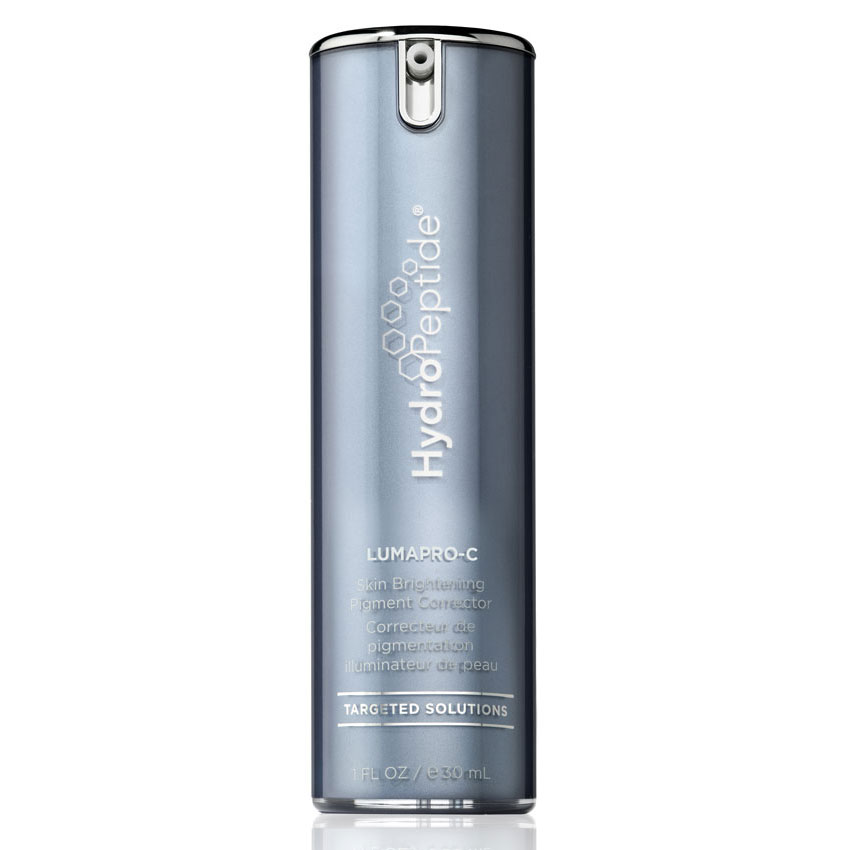
An Alternative to Hydroquinone – Introducing LumaProC

Over the last few months I’ve been testing out a product from HydroPeptide and I’m so excited that this product is going to be released to the market very soon.  LumaProC is a skin brightening serum, and I’m hooked!  It reduces the appearance of hyperpigmentation due to aging, sun damage, post-acne spots and “pregnancy mask”. 

12/1/2016 Update:  You can now order LumaPro-C direct from Hydropeptide.

If you have any kind of brown spots or hyperpigmentation on your skin then you have likely explored the world of skin lighteners and brighteners.  There are a number of products on the market that claim to target brown spots but the truth is that many of these products are just moisturizer.  If you truly want to minimize the appearance of brown spots you will need active ingredients that have skin lightening benefits. Harmful UV rays from the sun are the primary cause of spots so if you suffer from brown spots then SPF should be your best friend.

A large number of the skin brighteners that target brown spots contain an active ingredient called Hydroquinone.  Brown spots develop when there is an excess amount of melanin.  Hydroquinone prevents melanin from accumulating which results in brown spots gradually fading.  However, many people do not tolerate hydroquinone well.  In some cases, people who use hydroquinone excessively will develop exogenous ochronosis which will result in the skin darkening where the product was applied.  Skin lightening products that do not contain hydroquinone are often not very effective at reducing brown spots.  If you are looking for an alternative to hydroquinone, LumaProC is for you!

Every summer, regardless of how much SPF I apply I always develop mild melasma.  Certain areas of my face will darken, especially on my upper lip area.  I put LumaProC to the test this summer and applied it every morning after washing my face.  I was thrilled with the results – minimal brown spots where I tend to have very noticeable melasma.

What’s in it?  How does it work?

LumaProC combines a resurfacing peptide with the most advanced and stable forms of vitamin C and resveratrol to combat signs of aging, defend against environmental stress and revitalize the skin.  Add in eight key brightening ingredients that work to encourage skin resurfacing, prevent excess pigmentation from accumulating along with key brighteners to enhance skin luminosity and even skin tone and you have a safe, effective product that will help to minimize current brown spots and prevent new ones from forming.

This product is suitable for all skin types – even those with sensitive skin that haven’t fared well with skin brighteners and lighteners in the past should tolerate this product well.  If you are looking for a hydroquinone alternative, this is definitely worth a try.

How should I use it?

With LumaProC, I learned that a little bit goes a very long way.  One pump from the bottle will produce a pea sized amount which is enough to smooth over your face.  After washing, dry face with a soft towel and then apply LumaProC.  As it is a serum, it has a very smooth finish and applies easily.  Follow up with a moisturizer and SPF.  You could also use this product to treat brown spots on your hands, neck or other areas of your body.  I suggest applying in the morning and evening to treat stubborn brown spots and once daily for preventative treatment. Non-Surgical Nose Job

You will soon be able to purchase LumaProC direct from Hydropeptide. 

Curing Your Acne With Over The Counter Products

adapalene and benzoyl peroxide over the counter

If you walk through any drug store you will find a wide variety of topical acne medications available without a prescription.  They all declare a similar message about clear skin.  If you examine the ingredients closely you will find that they all contain varying degrees of different medications and this can be very confusing.  In today’s post I’m going to cover the common acne medications that are available like Adapalene and Benzoyl Peroxide over the counter and provide some specific recommendations about what products work best for which types of acne.

Before we jump into this, I want to take a minute to refresh the topics that I have already covered in this blog series.  We started with the most important step – making the diagnosis.  There are four types of acne and knowing the type of acne that you have will be key in determining the best treatment options.  Next up was the best face wash for acne prone skin.  Keeping your skin clean is important and in this post we covered the types of cleansers available as well as how to properly clean your face.  The third post was all about oily skin – the cause of oil and what you can do to help control it.  If you are new here, enter your email address below and I’ll send the prior posts to you. 

Knowing the type of acne you have will help determine what products will best treat that acne.  A quick review of the four types of acne:  1) comedonal acne (non-inflammatory); 2) inflammatory acne (pustular and cystic); 3) combination acne (both comedonal and inflammatory); and 4) hormonal acne.

The two main ingredients in OTC acne medications are Salicylic Acid and Benzoyl Peroxide.  This summer, the Federal Drug Administration approved adapalene (aka differin), which is a topical retinoid, for over the counter sales. This is huge in the acne world, because prior to this you usually needed a prescription to procure a retinoid.    Update: In January, 2017 Adapalene became available over the counter. Read on below for how to purchase.  If you remember back to the 2nd post in this series, we discussed these same ingredients in face washes.  It’s important to find a balance of products that will treat your acne without causing irritation.  Too much of any ingredient could leave you with dry, irritated skin. 

The ingredients

First up, Salicylic Acid.  This is probably the most common solution when it comes to treating acne.  Salicylic acid is comedolytic meaning that it helps declog blackheads and whiteheads so it’s great when treating comedonal acne.  Salicylic acid also works as a powerful exfoliator and will slough off dead skin.  Products that contain 0.5 to 2 percent salicylic acid would be recommended – anything stronger will likely cause irritation.   Salicylic acid is best used as a face wash. There are many OTC salicylic acid spot treatments, but I do not believe that spot treating acne works very well. Salicylic acid can also be used in much higher strengths in chemical peels. I use these often in my acne patients. However, these peels should be performed in a doctor’s office. Non-Surgical Nose Job

cSalicylic is an aspirin based product so if you are allergic to aspirin, products that contain salicylic acid should be avoided.  If you are looking for a face wash that contains salicylic acid to help clear up comedonal acne, I recommend Neutrogena Acne Wash or Hydropeptide Purifying Cleanser (order from Hydropeptide with code Doctor-Ip for 15% discount!). 

Next is Benzoyl Peroxide.  If you have inflammatory acne, this is the product for you. Benzoyl Peroxide unclogs pores and stops bacteria (which is the cause of inflammatory acne).  Typically available in strengths that range from 2.5% to 10%, starting with a low strength is recommended until you know how your skin will react to the product.  People often report dry skin and some slight burning or tingling when starting to use this product.  After applying the medication, I recommend using a thick cream to help retain moisture and prevent dryness.  My personal favorite is OTC benzoyl peroxide is Obagi Clenziderm Therapeutic Lotion.

Finally, a new introduction to the OTC acne treatment options is Differin. In July, 2016 the FDA approved Differin for OTC use.  Differin is a retinoid that treats mild to moderate acne. Topical retinoids are powerful comedolytics, which means that it can help knock blackheads out of the water.  They help to encourage cell turnover and reduce inflammation.  Differin is usually very effective on blackheads and whiteheads (comedonal acne) and tends to be less irritating than other prescription based retinoid treatments.  Only a small amount is needed nightly, a pea-sized amount for the entire face.   

In January, 2016 Differin was released for sale over the counter.  I’ve seen it on shelves at Target, Walgreen’s, CVS and on Amazon.com. 

Woman touching her face

If you remember back to Step 2 of the Cure Your Acne blog (The Best Face Wash For Acne Prone Skin), there are many facial cleansers that contain Salicylic Acid and Benzoyl Peroxide (two of the ingredients that I’ve covered above).  The key to clearing your skin is finding the correct balance of ingredients for your skin type.  Below I’ve summarized my suggested routine for each type of acne.  Often, I find that the best combination is a gentle cleanser with treatments applied after washing.  Too much of any one ingredient could cause excessive dryness and further irritate the skin. 

  • Comedonal acne – Wash with a gentle cleanser twice a day, followed by a moisturizer.  In the evening, use a pea-sized amount of a topical retinoid (Differin) before applying moisturizer.
  • Inflammatory acne – Wash with a gentle cleaner and use a mild OTC benzoyl peroxide cream twice a day, followed by a moisturizer
  • Combination acne – Wash with a gentle cleanser twice a day.  A mild OTC benzoyl peroxide cream can be used during the day and a topical retinoid like Differin can be used at night. After medication is applied a moisturizer should always be applied.
  • Hormonal acne – A combination of products may be effective but you will likely need a hormonal remedy.

Product Recommendations

Gentle Cleanser:  Hydropeptide Cleansing Gel or Vanicream Facial Cleanser

OTC Retinoid:  Differin

OTC Benzoyl Peroxide:  Obagi Clenziderm Therapeutic Lotion or La Roche-Posay Effaclar Duo Dual Action Acne Treatment

Moisturizer:  CerAve AM and Cerave PM add Vanicream if you experience excessive dryness

As with most products that are applied topically, a small amount of the drug can enter your bloodstream.  If you are pregnant or breastfeeding these products are not safe to use and should be avoided.  When starting a new treatment for acne it is important to ease into the new routine.  Start off by applying any new medications every other evening as part of your skincare routine and only increase to daily if you find that you need it.  Also, these treatments tend to be very drying so you will want to make sure you are moisturizing well when using.  My preferred facial moisturizers are Cerave AM, Cerave PM and Vanicream. 

Looking for more skin tips & advice like Adapalene and Benzoyl Peroxide over the counter?  Take the Clear Skin Challenge.  A free e-book filled with tips to set you on a path to clear skin.  Click here to sign up with Vibrant Dermatolog!

Back To School

It’s that time of year!  In some areas kids are already returning to school and where I live, they will be heading back soon.  There are a handful of skin conditions that are quite common among school-aged children.  None of these conditions are really life threatening, but they are very contagious and can be quite time consuming and frustrating.

Educate your children on proper hygiene measures (hand washing is so important) and be sure to remind them not to share personal objects such as hats, headbands and hooded jackets.

Head Lice

This topic always makes my skin crawl.  Head lice are teeny little insects that take up residence in human hair and feed on blood from the scalp.  They are about the size of a sesame seed and spread quickly, especially when hair is worn down or hats are shared.

  • Prevention is totally possible! Wear hair pulled back and rely on natural oils (ie, don’t wash hair every day) to help prevent lice. Educate your children to not share hats or other items that are worn on the head. Shampoos like So Cozy Boo! Lice Scaring Shampoo may also be effective. My daughter has long, thick hair and I encourage her to wear it pulled back as much as possible but I also pay close attention when I’m washing and brushing her hair.
  • If your child does come home with head lice, take immediate action. Purchase a special lice comb and comb out each nit and lice. You also need to treat any bedding, stuffed animals, and clothing and may have been exposed to the lice. Sometimes, a prescription lice shampoo is required. Your doctor will be able to prescribe this for you.

Ring Worm

 This name often confuses people as this doesn’t actually mean that your kid has worms.  Ring worm is used to classify skin fungal infections that present as red, scaly bumps which over time may form a ring with raised, scaly borders.  Ring worm usually shows up on the body but can also present on the toes, scalp or nails.  This condition isn’t really dangerous or painful but can be incredibly itchy and will require a topical antifungal medication (oral medications are used to treat ring worm of the scalp or nails). 

Molluscum Contagiosum

A viral infection that causes a mild skin rash, Molluscum Contagiosum appears as one or more small

 bumps with a central depression that are usually pink or flesh colored and is most common in children between 1 and 12 years old.  This infection is highly contagious and can be passed through skin-to-skin contact but also by touching objects that have the virus on them.  While the infection can clear on its own (which usually take about a year, but can take up to 4 years) most doctors will recommend treatment options that can help you clear the infection faster.   

Impetigo

 One of the most common skin infections among children, impetigo produces blisters or sores in infected areas (most common on the face, neck, hands and diaper area). Impetigo spreads easily through direct contact and through contact with other items that have touched infected skin.  The infection can also be spread to other parts of the body by scratching and is more likely to develop when there is a sore or rash already present.  Impetigo is treated with antibiotic ointments, although in some cases an oral antibiotic may be required.  It is important to keep infected areas clean and covered to aid in healing and prevent spreading.  Impetigo is more common in kids who play sports, particularly contact sports like wrestling. Sometimes students may be temporarily asked to stop playing a sport if they are found to have impetigo, because it is so contagious.

Keep an eye out for any rough patches of skin that are particularly itchy or irritated.  Child eczema is a very common cause of irritated skin but it is always possible that there is something being passed around the classroom.  When irritated skin persists, a visit to the doctor is important to help prevent any disease from spreading and to help limit the amount of pain your child might be experiencing.  If your child is diagnosed with a contagious condition, notify the school so that items in the classroom can be sanitized and other parents can be notified.

As always, feel free to share your comments or questions below, or email me at info@vibrantdermatology.com.

Image Sources:

Head Lice – http://www.mayoclinic.org/diseases-conditions/head-lice/multimedia/head-lice/img-20007669

Ring Worm – http://www.healthline.com/health/ringworm

Molluscum Contagiosum – http://www.healthline.com/health/molluscum-contagiosum

Impetigo – http://www.mayoclinic.org/diseases-conditions/impetigo/home/ovc-20202557

Taking Care Of The Skin Down There

skin care for down there

We often shy away from talking about caring for the skin in our nether regions, yet it’s a very important part of our regular routines.  Many women think any little itch or irritation is a yeast infection and turn to over the counter treatments quickly.  However, many times it is not a yeast infection and these treatments could actually make the condition worse. It’s best to always have skin care for down there. 

Do you suffer from winter itch? Get some help and enter to win one of my favorite products. Check out: Surviving Winter Itch

There is a lot to cover on this topic, so I’ve broken it down into three parts.

Part 1 – Common Complaints – the top 7

Part 2 – Gentle care down there

Part 3 – The male Version

In Part 1 of this series I’m covering the top 7 complaints ‘down there’.  Before we get into the specific list I think it is important to point out that many of these conditions have similar symptoms so if the condition persists after at-home treatment or is severe from the start, only a trained doctor can make a correct diagnosis and prescribe treatment.  Symptoms will usually fade quickly once treatment begins, bringing much relief.

1.  Yeast Infection – Medically termed candidiasis, this is an infection caused by yeast on the skin and/or mucous membranes.Yeast is completely normal in the digestive system and vaginal area but can lead to an infection in certain conditions (especially when skin is damaged, in warm and humid conditions, and when the immune system is compromised). Antibiotics lead to a growth of yeast because they kill normal bacteria so that yeast can grow.  The symptoms of a yeast infection vary based on the person and the area of the infection.In women suffering from a yeast infection in the vaginal area, there will be white or yellow discharge from the vagina along with itching, redness and burning on the vaginal skin.

There are a number of over the counter treatments that can effectively treat a yeast infection.  However, the symptoms of a yeast infection can resemble many other skin conditions so consulting a doctor for a diagnosis is important.  A doctor will complete a medical history and physical exam and may scrape off a skin sample to confirm the diagnosis.  Most yeast infections will be treated effectively with a medicated ointment like Monistat but in severe cases an oral anti-yeast medication may be prescribed.   

Candida Intertrigo is a yeast infection of skin folds that is caused by a specific type of yeast.  Areas of the body that have skin touching create a skin fold (groin area, under heavy breasts, fat folds) and provide a warm and moist area (breeding ground for yeast).  Hot and humid weather can contribute to this condition.  Wearing loose, comfortable underclothing and proper hygiene is usually enough to help prevent this condition.  If you find yourself with redness and irritation in fold of your skin, a dermatologist can help to diagnose, treat and offer tips to manage the area to prevent the condition in the future.

2.  Folliculitis – This is a very common skin condition which occurs when hair follicles become inflamed.Typically caused by bacteria or by significant irritation of the follicles (i.e after waxing), it usually appears as small red bumps or white-headed pimples around hair follicles (which are the pockets from which hairs grow). A mild case of folliculitis will usually clear on its own if you follow basic self-care measures.Sometimes the infection will spread and result in crusty sores that don’t heal on their own.

If you have a mild case of folliculitis, gentle care of the area should result in quick improvements.  Self-care of the area includes gently washing the infected skin twice a day with an antibacterial soap, and soothing lotion or hydrocortisone cream to help relive itchy skin. If you have folliculitis it is best to avoid shaving if possible but if you must shave try an electric razor and moisturize well afterwards.

More severe cases of folliculitis will require an antibiotic. I usually start by giving my patients a topical antibiotic, but sometimes oral antibiotics are needed.   There are many different types of folliculitis, which range from superficial (limited to the skin) to deep infections that involve the entire hair follicle.  A doctor can examine the infected area and prescribe treatment based on the symptoms.

3.  Allergies – Allergic contact dermatitis that affects the genital area is commonly caused by fragrances, preservatives or rubber.These allergies aren’t always easy to diagnose but the patient will usually notice a pattern of irritation after exposure to the allergen.

Although rare, it is possible for women to be allergic to male semen.  If you notice redness, swelling, itching and burning when semen contact skin then an allergy is likely the cause.  Minimizing contact with semen is suggested to minimize reactions but doctors can also help to desensitize you to the allergen.  It is also possible to have a latex allergy and because most condoms are made of latex you may notice irritation following condom use.

A lot of people also have allergies to certain fragrances that are used in laundry detergent, body wash and lotions.  These are more difficult to identify but sticking to fragrance free products will help to limit any reactions.

4.  Vaginal Eczema – Often mis-diagnosed as a yeast infection, vaginal eczema can cause intense itching and burning in the vaginal area.Your history of eczema, allergies, and cleaning habits will help to diagnose vaginal eczema.Typically vaginal eczema will present with redness, scaling, cracking and thickening of the skin.There are two important elements when treating vaginal eczema.First, you need to avoid scratching the area so that irritation can heal.A mild topical steroid can be used to can help to relieve itching. In severe cases a stronger corticosteroid ointment can be very effective. The second element of treatment addresses caring for the skin. Gentle skin care is a must. Baby wipes should absolutely be avoided, as they can worsen eczema and cause contact allergies, as should harsh soaps. Great care should be made to avoid excessive cleansing of the area (which people are more inclined to do when they feel like they have a problem down there). Given the sensitive nature of the area and the intensity of vaginal eczema, it is important to consult with a doctor for the proper diagnosis and treatment.

5.  STDs – Sexually Transmitted Diseases. There are a number of STDs that could be causing vaginal irritation, and a doctor is the only one that can make the official diagnosis. The STD’s that most often cause vaginal irritation (itching, redness, bumps) are Chlamydia, Gonorrhea, Herpes Simplex, HPV (genital warts), Syphillis, and Trichomoniasis. If you suspect that you have an STD, stop all sexual activity and see your doctor immediately for treatment. Be sure to check out Part 2 of this series where I delve into STDs in more detail. 

6.  Molluscum Contagiosum is a skin infection caused by a virus. The virus is spread through skin-to-skin contact as well as through contact with infected surfaces so can be spread during sexual activity, towels, washcloths etc. The bumps associated with Molluscum will usually appear within 2 to 6 weeks of coming into contact with the virus and will appear as small, smooth, round pearly bumps (with a noticeable dimple in the middle). When these bumps appear in the genital area, treatment is often necessary to prevent spreading the virus through sexual contact. Treatment options include freezing, scraping, or a prescription cream. If you suspect that you have molluscum, avoid sexual contact until you have had a chance to discuss with your doctor.

7.  Lichen Simplex Chronicus – Caused by persistent itching and scratching of the vulvar skin, lichen simplex chronicus results in thick, leathery, brownish skin. This condition can be the result of minor irritations, or sometimes may be a result of psychological stress or environmental factors. Breaking the itch-scratch cycle is key to the treatment of this condition. Vulvar lesions can be treated with a mild topical corticosteroid, which will help to manage the condition.

If you struggle with dry, itchy skin in the winter, be sure to check out this blog post. I’ve got tips to ease the itch and a GREAT Giveaway.

Stay tuned for the next part of this blog that will take you through a gentle care routine for ‘down there’.

Part 2 – A deep dive into Sexually Transmitted Diseases

Baby Bath Time – Newborn Skincare

As a new parent, I found giving my baby a bath one of the most nerve-wracking aspects of newborn care.  I remember feeling like their tiny bodies were so slippery!! Their tiny bodies and delicate skin require gentle touch and care.  The market makes us think we need fancy tubs and toys for a successful bath but it is really much simpler than that.  Read on for my bath time tips and common baby skin concerns.

Washing Your Baby

In the really early months, babies don’t really need a full-on bath.  Their skin is extremely delicate and very prone to dryness so a gentle washing will do.  The best method for cleaning tiny babies is to use a soft cloth and warm water and simply wipe areas that are dirty.  Keep the hands clean (since they so often end up in the mouth) and pay special attention to skin folds under the neck, which can accumulate milk products and dirt.

When it is time to give baby a bath, safety first!  Invest in a baby tub that will help contain your baby to a smaller area.  Limit bath time and use warm (not hot) water to help ward off dry skin.  Use a gentle baby wash (I like Aveeno Baby) and moisturize immediately after the bath (I like Vanicream).  While we all want our babies to smell nice, it is important to avoid overly fragrant baby washes and moisturizing lotions. Babies who are more prone to eczema may develop allergies to the fragrances found in such products.  As much fun as bubble’s in the bath can be, these products tend to be harsh on the skin so I prefer to avoid them (or limit to once a month or so). 

Eczema

If you baby have persistently dry skin or skin that appears to be very itchy, it is possible that he or she has mild eczema. Babies who have eczema have a harder time retaining moisture in their skin. I first noticed mild eczema in my daughter when she was four months old. I was a resident physician at the time.  One of the things I learned from my daughter’s skin is that babies with eczema need to bathe less often. I know that goes against everything you may be thinking in terms of keeping a baby clean. Furthermore, many use bath time as part of their sleep routine.  However, bathing every other day and moisturizing skin daily can solve most mild baby eczema.  To find out why, check out my eczema blog. In my home, we bath out children every other day. They are allowed to enjoy bath time for as long as they would like. When they get out of the bath, we pat them dry and immediately apply a thick moisturizing cream to their skin.  On non-bath days, I fill a sink with soap and water and clean the stinky parts, but I do not submerse their skin in water.  Again, I follow this up with a thick moisturizing cream.

Cradle cap

Infantile seborrheic dermatitis is the official name for cradle cap, and it’s VERY common and completely harmless.  I hear from a lot of worried parents when they see flaky patches of skin on their babies head.  Cradle cap often presents as dry skin that looks like dandruff and can also bring yellow or brown crusting patches.  This condition doesn’t warrant a trip to the doctor but you may want to bring it up during a routine visit.  Most likely it will clear up all on its own in six to twelve months. Often babies who have eczema may also have more severe cradle cap. If cradle cap is severe, it can cause irritation of the scalp and itching.   A few things you can try (gently!):

  • Using your fingers or a soft brush you can gently massage to loosen the scales. Do not pick! Let the dry patches fall off on their own.
  • After shampooing, be sure to rinse all product out of your baby’s hair. Use a soft brush or towel to brush the hair. This will help to loosen some of the patches.
  • Some parents have had good luck with massaging a natural oil into the scalp to help with tough cases of cradle cap. I suggest olive oil – rub a small amount onto the scalp and leave for about 15 minutes. Gently comb out flakes with a fine-tooth comb or brush with a soft brush. Wash the scalp with a gentle shampoo afterwards. Leaving oil on the scalp could result in clogged pores and cause the flakes to stick.
  • If seborrhea appears on the face, similar steps can be taken to remove it. However, if it persists a mild topical medication may need to be prescribed from your PCP.

As your baby turns into a toddler and then grows up to be a big kid the dirt will start to accumulate and bath time will become an entirely different scenario.  I’ll cover bath time for toddlers and big kids in another post soon!

Skin Cancer Does Not Discriminate

 A few months ago, around the time of Bob Marley’s birthday, I shared an image on Facebook that was well circulated.   The message I was spreading is that ‘Skin Cancer Does Not Discriminate’.  Many people aren’t aware of the fact that Bob Marley died of skin cancer.  He was only 36 years old and passed off a sore on his toe as a soccer injury.  There is a common misconception that individuals with dark skin are not at risk for skin cancer.  In fact, when skin cancer is diagnosed in dark skin, it has often already reached later stages and therefore the individual is more likely to die from the disease!

In the last few weeks we’ve seen Consumer Reports issue their Sunscreen Report and the EWG issued their 2016 Guide To Sunscreen.  The news has been full about skin cancer related facts.  This is all for good reason.  Skin cancer is the most common form of cancer in the United States.  Also, when detected early, skin cancer is almost entirely curable. 

Diagnosing Skin Cancer in Minorities

Skin cancer presents the same regardless of what color your skin is.  Learning the ABCDE’s of Melanoma is a key factor in knowing what to look for on your own body.  Moles may be more difficult to examine in dark skin but there are some additional things you should pay attention to:

  • Know your body.If you have a spot (such as a scratch or pimple) and it isn’t healing as quick as usual, get it checked by a dermatologist. Generally, most small spots will heal in about a week, maybe two. Mr. T, a famous wrestler in the 1980’s, saw his doctor for a small spot on his ear that wasn’t healing. It turned out to be a form of cutaneous T-Cell lymphoma, which is lymphoma that is usually localized to the skin, but can also be systemic. This goes to show that noticeable changes that are not healing should be checked. 
  • In dark skinned people, skin cancer is more likely to occur in places that we generally wouldn’t think of. Check the soles of your feet, the groin area and nail beds. This is referred to as Acral Lentiginous Melanoma and is the type of skin cancer that resulted in the death of Bob Marley

 image source:  http://healthh.com/wp-content/uploads/2014/07/acral-lentiginous-melanoma-pictures-3.jpg

  • Areas that have experienced chronic skin trauma (lesions on the skin from lupus, scars from burn injuries or diabetic ulcers) have an increased risk for developing types of skin cancer. Be sure to keep these protected from the sun and consult your doctor if you notice any changes to the color or size of the area.
  • Certain ethnicities are predisposed to skin cancer so regardless of the color of your skin there may be a genetic consideration. For example, if you have a really dark complexion but have some Irish genetics then you will have an increased risk for skin cancer.

Protecting Your Skin

A person of color will have a natural protection of about 13 SPF, but SPF of 15-30 is essential for everyone.  I recommend SPF 30 for everyone.  Regardless of your skin color, you should be using sunblock on a daily basis – choose a product that is broad spectrum (to block UVA and UVB rays) – and reapply every two hours when outdoors (more frequently if you are swimming or sweating).  Check out the two posts below for some tips on how to select & apply sunscreen and how to keep your kids safe in the sun. Lip Pump Plumper

The Best Sunblock For Dark Skin

In my opinion, the best product to use for sun protection is a mineral-based sunblock.  As a black woman, I know that it is frustrating to find a product that works well but also applies easily.  Mineral-based sunblock is notorious for being thick and difficult to apply, leaving a white discoloration on the skin.  Even my Caucasian patients often express their concerns about this.  My personal recommendations include EltaMD Pure and La Roche-Posay Anthelios Mineral.

Soothe Your Skin – A Review Of Hydropeptide’s Soothing Serum

As a doctor, nothing makes me happier than hearing success stories when I have helped to improve somebody’s health or appearance.  Today I’m sharing an update from one of my patients who was going through redness and inflammation in her face.  She is a mom to three little kids and noticed that a lot of her skin changes happened when pregnant and breastfeeding – but after weaning her youngest child her skin didn’t clear up as expected.  Another dermatologist had previously diagnosed her with Rosacea and prescribed a prescription that was going to be very expensive and possibly not provide any results.  I suspected that inflammatory acne was to blame for the irritation and prescribed an over the counter acne medication called Obagi Clenziderm solubilized benzoyl peroxide and a light moisturizer.

Human Eye, Human Face, Women.

The patient started using the over the counter acne medication.  This cleared up the acne but she was left with redness throughout her cheeks, nose and forehead.  I suggested that she try Hydropeptide’s Soothing Serum. 

Hydropeptide is a brand that I 100% stand behind.  I use many of their products for myself and have been happy with the results.  The products are ‘clean’ and use powerful peptides that work on a cellular level.  The Soothing Serum that I recommended to this patient is formulated with calming peptides and a botanical stem cell that reduces the appearance of redness while comforting sensitive and irritated skin.  The serum also strengthens the skins natural defense system, restores hydration and promotes rapid recovery from skin resurfacing procedures.

When using this product, remember that a little bit will go a very long way.   A pea-sized amount will be enough to cover your face and once a day application should be enough (unless you have extreme irritation in which case you would apply twice a day).   You can order direct from Hydropeptide.

Direct from my patient:

 ‘Hydropeptide Soothing Serum has been a game changer for me.  The texture of this serum is really nice and it has a light, subtle scent.  I use it immediately after washing my face, and let it soak in for a few minutes before applying a light moisturizer.  Within two weeks, my skin was no longer irritated and felt so much smoother.  Thank You Dr. Ip for helping clear my skin!‘

I recently saw this patient again and her skin is looking so much better.  She has been able to scale down use of the acne medication to once every two to three days and is finding that the soothing serum keeps the redness to a minimum.  If you suffer from skin redness related to rosacea or post-inflammatory redness from acne, try Microneedling Serum.

Bugged Out!

The mosquito’s are officially out.  These things drive me crazy!!  Bites from mosquito’s (and other insects) cause irritation but can also have longer lasting health issues.  Insect repellent can help to protect you from bites but selecting the best product can be so difficult.  The decision of what type of insect repellent to use will vary based on where you are spending your time, but there are some important considerations.

DEET

DEET is probably the most commonly known chemical insect repellent which you will likely recognize by its overwhelming odor.  DEET has gotten some bad press over the years – concerns have been expressed about the effects of DEET on the central nervous system.  The EPA has completed multiple reviews of DEET and has determined that the product does not pose a health concern.  Personally, I am not a fan of products that contain DEET.  However, if we are traveling to an area of the world that has a known issue with certain diseases (Zika, West Nile Virus) then I would consider using a product with a low amount of DEET for a short period of time.  If you are planning to use a DEET product, 10% – 30% DEET is adequate protection for most areas, and the lower the DEET the better (just remember that lower levels don’t last as long so you may need to reapply).  Only apply to exposed areas of skin and don’t use it under clothing.  Never spray the product in the area of your face – spray into hands and then apply it.  Finally, wash areas sprayed with soap and water as soon as possible.

Picardidin

Also known as Piperidine, this is another synthetic product that helps to repel insects.  Also considered safe by the EPA, this one doesn’t share the same strong scent that DEET carries.  Studies show that this repellent carries no significant toxicities but care should be taken to avoid eyes, mouth and nose.  It is worth noting that Picardidin does not repel ticks (which are a big concern in the area I’m located).  Products containing Picardidin should not be used in children under the age of 2.  

Permethrin

This is another synthetic repellent, which should be applied to fabric. Do not apply directly to skin. A single application lasts 2 wks and it is superior to DEET for tick prevention.

Oil of Lemon Eucalyptus (PMD)

This is a synthesized version of oil of lemon eucalyptus which has been shown to offer protection that is similar to low levels of DEET.  There is a risk of considerable eye irritation (take care when applying to the face) and this product is not recommended for children under the age of 3.  

Natural Products

My family has had great results with a natural insect repellent called Buzz Away that I purchase at Whole Foods, and can be found on Amazon.  It contains a combination of Castor oil, Geranium Oil, Soybean oil, Citronella, Lemongrass Oil, and Peppermint Oil.  Three of the oils in this formulation have been found to have similar efficacy to low levels of DEET. However, this product smells amazing, works great and I have no concerns with the ingredients.  If you search on Pinterest you can find all sorts of recipes that use essential oils to ward off the insects.  My only caution with these is to test each ingredient as a potential allergen and to stop using if you notice any irritation.   

How Should I Layer Products For Outdoor Use?

This is a question that I get asked often. In general, I recommend that sunscreen be applied first, followed by bug repellent. Remember, sunscreen needs to be applied every 2 hours for maximal protection against harmful UV rays. Bug sprays tend to last longer on the skin (3-4 hours or longer). In general, I go by a two to one rule… two applications of sunscreen for every one application of my bug spray.

Combination Products

I want to take a minute to specifically address products that combine sunscreen and insect repellent.  Many parents think this is brilliant.  I know that it isn’t the easiest task to apply these products to young children so only applying one product that offers two solutions is ideal.  I do not recommend these combination products.  Sunscreen needs to be applied frequently whereas insect repellent is longer lasting.  These combination products almost always contain a low level of DEET. In addition, they are usually formulated as an aerosol spray, which increases the risk of little ones inhaling harmful chemicals.   If you reapply as often as necessary you will be over-exposing to the chemicals in insect repellent.  

Beyond The Bug Spray

No insect repellent is 100% effective so I always recommend some extra precautions to help prevent insect bites.

  • Keep legs and arms covered with clothing and tuck pants into socks if hiking in thick grass/brush
  • Use a net to cover a baby in a stroller or a car seat, and a hat with a net works well for bigger kids too.  If the bugs can’t get in, they can’t bite you!
  • Remove the threat – we have a water table and kids pool in our backyard that gets emptied and rinsed every evening.  Mosquito’s love these environments (warm, stagnant water).
  • If you live in an area where lyme disease is prevalent, always make sure to check over your skin and your children’s skin for ticks. I have found two ticks on my daughter over the last 3 years. The most recent bite she had was in the late fall (go figure).

Ouch!  He Bit Me

While we are on the topic of insects (just writing about these things makes my skin crawl!) I wanted to give some tips on what to do if you do get a mosquito bite.  

  • Wash the area with warm water and soap
  • An ice pack might help relieve some of the itch
  • Apply calamine lotion or an anti-itch cream with a cortisone
  • If you notice severe swelling at the site of a bug bite, this could be a more severe bite reaction. Children are more prone to such reactions.  In this case, you may need to visit your dermatologist to get prescription strength steroids. 

How do you protect your family from insect bites?  Any great tips to share?  Comment below or send them to me at info@vibrantdermatology.com. 

Skin Tips For Him

Father’s Day is around the corner so today I am sharing my top skin care tips for the men out there.  Men experience many of the same skin conditions as women (acne, eczema, dry skin, etc) and can learn a lot through other posts I’ve shared on my page.  However, there are some conditions in men that have more specific advice. 

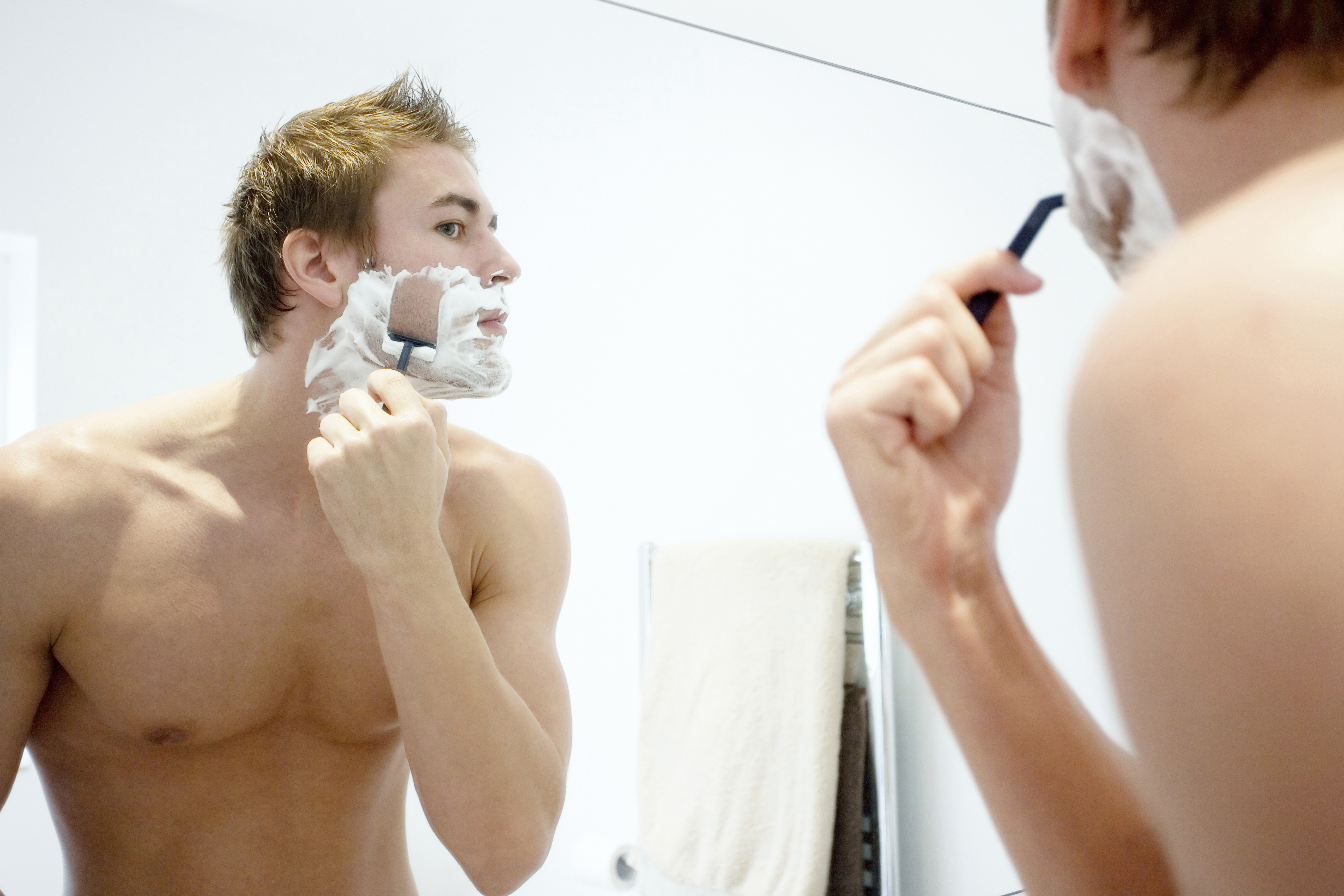
Razor Burn

This is one of the most common complaints of my male patients.  Facial hair is quick to grow and most men have to shave every day or

two.  The sensitive nature of facial skin combined with the razor will often result in some irritation, called razor burn.  To prevent razor burn, it is important to properly prepare your face before you begin shaving.  This means washing your face with warm water before you shave and use a lubricant (shave gel or soap) to help the razor glide over the skin.  Make sure that your razor blades are new and sharp and follow the grain of hair with short strokes.

If you find that your skin is uncomfortable after your shave, instead of using plain moisturizer, apply an aloe-based cortisone cream.  This will help to calm your skin and reduce any irritation.

Ingrown Hairs

Ingrown hairs occur when hair curls and then grows back into your skin, instead of away from the skin.  Also, when dead skin clogs a hair follicle, the hair will grow sideways under the skin.  These will appear as bumps which may resemble small pimples.  There is usually some irritation the bumps can be uncomfortable.  Some people can see pus inside of the bumps, and may actually be able to see the hair that is ingrown.

For men, ingrown hairs are very common on the chin, cheeks and neck.  Facial hair tends to be coarser and therefore is more likely to become ingrown, especially after it has been shaven.

Ingrown hairs usually resolve on their own.  If not it can become infected – and if you scratch or pick at the area it will leave a scar.  When you notice an ingrown hair that is bothersome or infected, contact your doctor for treatment.  Your doctor may release the ingrown hair with a small cut into the skin and may prescribe treatment to help with your skin and any infections. Crows Feet Treatment

Preventing ingrown hairs is not entirely possible but you can take some measures to help limit them.  The same steps outlined above for razor burn will also help with ingrown hairs.  In addition, you can try to tease out ingrown hairs by rubbing your face in a circular motion with a wet washcloth.

Problem.

Hair Loss

Two-thirds of American men will experience a significant level of hair thinning by the age of 35.  There is a huge market for hair loss products but sadly many of them fall short of their claims.  In terms of routine, there isn’t much you can do to prevent hair loss.  Good health and nutrition will help to slow the process.  If you aren’t into the bald look, I’ve seen patients have good luck with a medication called Finasteride (commonly known as Propecia).  Rogaine has more limited results and but is sometimes good to use in combination with Finasteride.  If you can afford them, hair transplants are a great options where strips of hair are removed from fuller parts of your head and grafted into bald areas.

Jock Itch

Jock itch, also known as tinea cruris refers to an itchy rash in the groin area.  This is generally seen in jocks and people who are more active.  A fungul infection is the most common cause of jock itch.  This infection is treated with antifungal cream medication over the course of two to four weeks but may need an oral medication as well.

Fungus will grow in warm and moist environments so taking care to keep the groin area clean and dry is important.  Dry off after bathing or excessive sweating and wear loose cotton underwear.  After swimming, take off wet suit right away.

Itching and irritation in the groin area should be presented to a doctor for treatment as soon as possible.

Aging

I want to take a moment to call out aging in men specifically.  Women tend to spend more time obsessing about wrinkles and sagging skin but trust me, the men are asking about it too!  Women tend to start utilizing anti-aging products from a younger age, and therefore the wrinkles appear later on.  I know that many men prefer a simple, easy skin care regimen.  However, the advice I share in Dr. Ip’s Tips for 4 Decades of Beautiful applies to all genders.  It’s never too early to start a skin care regimen that will help with anti-aging. 

Share this with the men in your life, and encourage them to visit a doctor for any concerns.

  • « Previous Page
  • 1
  • 2
  • 3
  • 4
  • 5
  • 6
  • …
  • 8
  • Next Page »

Problems We Treat

In the Clear

Acne: Adults & Teens

lllumination

Hyperpigmentation, Sun Spots, Melasma

Red, Red Go Away

Rosacea, Facial Redness, Sensitive Skin

Tall Drink of Water

Excessively Dry Skin, Eczema

Fountain of Youth

Anti-Aging, Skin Rejuvenation

Mommy & Me Skin Care

For Pregnant & Nursing Mothers

Just for Kids

Skin Care For Those 12 & Under
Contact
Vibrant Dermatology
588 Providence Hwy
Dedham MA 02026
Phone: (617) 250-0257

Vibrant Dermatology
1 Central Ave.
Milton MA 02186
(entrance at 131 Eliot St.)
Phone: (617) 250-0257

© 2026 Vibrant Dermatology | Site Map | TOS/Privacy Policy | Vibrant Dermatology
book online