Vibrant Dermatology

Book SkinBar MD Book Dermatology
(617) 250-0257
MENU
  • HOME
  • SHOP
  • ABOUT US
    • Meet Dr. Ip
    • Meet Our Staff
    • Why Vibrant Dermatology
    • Dr. Ip In the News
    • Featured Videos
    • Blog
    • Get Dr. Ip’s E-Book
    • Gap Year Program
    • Contact Us
  • Patient Resources
    • Appointment Policies
    • Insurance Information
  • Before and Afters
  • (617) 250-0257
  • (617) 540-5524
  • online bill pay
  • Book an Appointment
  • Medical Dermatology
    • Acne
    • Allergic Reactions
    • Autoimmune Disorders
    • Benign Growths: Seborrheic Keratoses, Skin Tags
    • Birthmarks, Brown Spots, Moles
    • Cysts
    • Eczema/Rashes
    • Excessive Sweating (Hyperhidrosis)
    • Hair Loss
    • Hives
    • Hyperpigmentation/Brown Spots
    • Keloids
    • Lipomas
    • Melanoma
    • Melasma
    • Nail Fungus
    • Psoriasis
    • Scars
    • Shingles
    • Skin Cancer
    • Skin of Color
    • Vitiligo
  • Surgical Dermatology
    • Cyst Removal
    • Lipoma Removal
    • Mole and Benign Lesion Removal
    • Skin Cancer Surgery
  • Pediatric Dermatology
    • Acne
    • Birthmarks
    • Eczema
    • Moles and Brown Spots
    • Skin Allergies
    • Skin Cancer
  • Cosmetic Dermatology
    • Aqua Facial
    • Neurotoxin (Jeuveau)
    • Chemical Peels
    • Era Elite Laser
    • Hair Loss Treatment
    • IPL Treatment
    • Juvederm
    • Kerafactor
    • LaseMD
    • Laser Treatment for Facial Veins
    • Melasma & Hyperpigmentation Treatments
    • NeoClear Laser Acne Treatment
    • NeoSkin Skin Rejuvenation Treatment
    • Non Surgical Face Lift “Liquid Lift”
    • PRP Treatment
    • PRX Skin Revitalization
    • Radiesse
    • Restylane
    • RF Microneedling
    • Sculptra
    • Sofwave Skin Tightening
    • Stretch Marks Treatment
    • Scalp Revive
  • Wellness
    • Sexual Wellness
    • O-Shot
  • Home
  • Shop
  • About Us
    • Meet Dr. Ip
    • Meet Our Staff
    • Why Vibrant Dermatology
    • Dr. Ip In the News
    • Featured Videos
    • Blog
    • Get Dr. Ip’s E-Book
    • Gap Year Program
    • Contact Us
  • Services
    • Medical Dermatology Services
    • Surgical Dermatology
    • Pediatric Dermatology
    • Cosmetic Dermatology
    • Health and Wellness
      • Sexual Wellness in Dedham, MA
      • Weight Loss in Dedham, MA
  • Before and After Gallery
  • Book Appointment
  • All Products
  • Online Bill Pay

When is the Right Time to See a Dermatologist in 02132 (West Roxbury, MA)

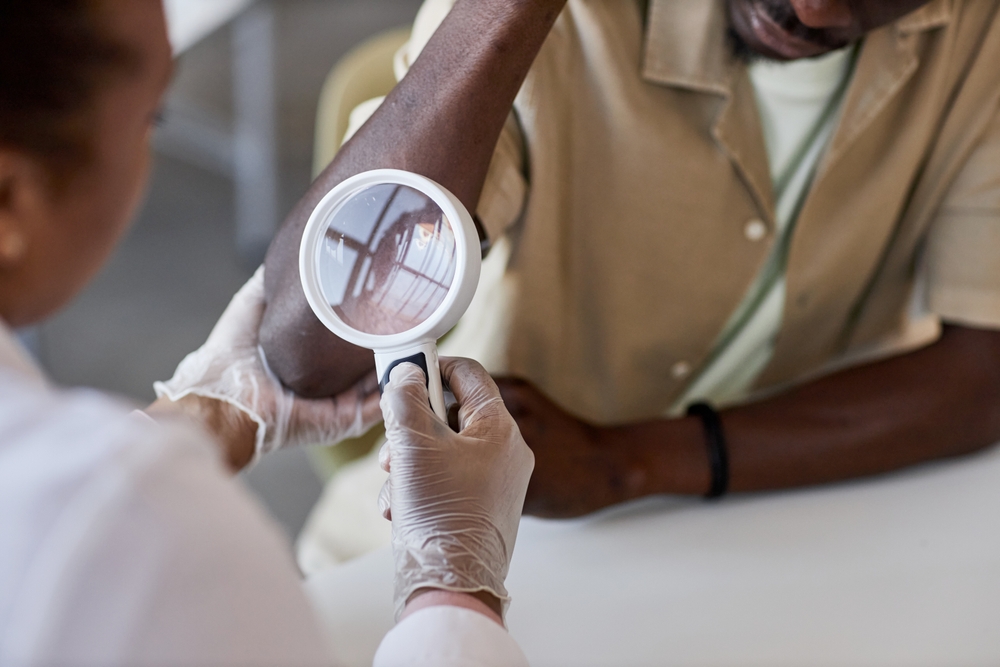
dermatologist in 02132 (West Roxbury)

Knowing when to book an appointment with a dermatologist in 02132 (West Roxbury, Massachusetts) can feel confusing. Many people wait until a skin issue becomes uncomfortable or obvious, but dermatology care works best when it’s proactive. From subtle changes to ongoing concerns, there are clear signs that it’s the right moment to seek expert guidance.

Dermatologist in 02132: Early Changes You Shouldn’t Ignore

Your skin changes constantly, but certain shifts deserve attention. New moles, spots that darken or grow, or patches that itch or bleed are all reasons to be evaluated sooner rather than later. A dermatologist is trained to assess whether changes are harmless or require treatment, helping you avoid unnecessary stress and catch potential problems early.

When Over-the-Counter Products Stop Working

Drugstore skincare can help with mild issues, but persistent acne, redness, or irritation often signals something deeper. If you’ve tried multiple products without improvement, that’s a strong indicator it’s time to see a dermatologist in 02132. Professional care focuses on identifying the root cause, not just masking symptoms.

Chronic Skin Conditions That Flare

Conditions like eczema, psoriasis, and rosacea tend to come and go. If flare-ups are becoming more frequent or severe, dermatology care can help stabilize symptoms. Treatment plans may include prescription medications, lifestyle adjustments, or in-office therapies designed to calm inflammation and protect your skin barrier.

Signs of Premature Aging or Sun Damage

Fine lines, uneven tone, and rough texture often appear gradually. While they’re common, they aren’t inevitable. Dermatologists evaluate sun exposure patterns and skin health to recommend treatments that support collagen production and repair damage. Early intervention typically delivers better, more natural-looking results.

Hair and Nail Changes

Hair loss, sudden shedding, or brittle nails can indicate underlying dermatologic or systemic concerns. A dermatologist can determine whether changes are genetic, hormonal, stress-related, or tied to another issue. Addressing these signs early improves the likelihood of effective treatment.

Pediatric and Teen Skin Concerns

Children and teens experience their own set of skin challenges, from rashes and birthmarks to acne during puberty. If symptoms interfere with comfort or confidence, pediatric dermatology can provide age-appropriate solutions. Early care often prevents long-term skin issues and scarring.

Preventive Skin Exams Matter

One of the best times to see a dermatologist is before something goes wrong. Routine skin checks help monitor moles, detect early signs of skin cancer, and establish a baseline for future comparison. Prevention is one of the most valuable benefits of ongoing dermatology care.

Why Timing Matters with a Dermatologist in 02132

Delaying care can allow small concerns to become more complex. Seeing a dermatologist in 02132 at the right time means faster answers, simpler treatments, and greater peace of mind. Whether your concern feels minor or urgent, expert evaluation ensures your skin gets the attention it deserves.

What to Expect at Your Visit

A dermatology appointment typically includes a thorough review of your medical history, lifestyle factors, and current concerns. Your provider will examine your skin, hair, and nails, then recommend a personalized plan. This may involve medical treatments, cosmetic options, or guidance on daily skincare routines.

Take the Next Step Toward Healthier Skin and Visit Vibrant Dermatology Near West Roxbury, MA

If you’re wondering whether it’s time, that question alone is often your answer. Scheduling a visit allows you to address concerns early and build a long-term relationship focused on skin health.

For expert, patient-centered dermatology care, schedule a consultation with Vibrant Dermatology & Aesthetics. Our team provides comprehensive medical and cosmetic dermatology services tailored to your needs.

Call 617-250-0257 to speak with an experienced member of our team or schedule your consultation online and take a proactive step toward confident, healthy skin in 02132.

Proven Dermatology Treatments for Melasma Near Boston, MA

treatment for melasma near Boston

Melasma can be stubborn, frustrating, and difficult to manage without expert care. If you’re searching for effective dermatology treatments for melasma near Boston, Massachusetts, professional evaluation and a personalized plan are essential for achieving visible, lasting improvement.

Understanding Melasma

Melasma causes brown or gray-brown patches that typically appear symmetrically on the cheeks, forehead, nose, and upper lip. While it isn’t dangerous, it is chronic and often triggered by sun exposure, hormones, heat, and genetics. Because melasma behaves differently than other pigmentation concerns, it requires a targeted dermatology-based approach.

Professional Treatments for Melasma Near Boston: Why They Matter

Over-the-counter products rarely penetrate deeply enough to manage melasma. Dermatologists evaluate pigment depth, triggers, and skin type to avoid treatments that could worsen discoloration. Professional care focuses on control, not quick fixes.

Prescription Topical Therapies

One of the most common dermatology treatments for melasma near Boston, Massachusetts, involves medical-grade topical medications. These formulations help regulate pigment production and support skin renewal. Consistent use over time is critical, as results develop gradually rather than overnight.

In-Office Dermatology Treatments for Melasma Near Boston

In-office procedures may be used to enhance topical therapy. Chemical peels can improve surface pigment, while carefully selected laser or light-based treatments may target deeper discoloration. These options must be chosen conservatively to reduce inflammation and prevent flare-ups.

Sun Protection as Treatment

Sun exposure is the strongest melasma trigger. Daily broad-spectrum sunscreen, protective clothing, and sun avoidance are considered part of treatment, not optional extras. Without strict sun protection, even the best dermatology treatments may fail.

Lifestyle and Hormonal Factors

Managing melasma also involves identifying triggers beyond the skin. Hormonal changes, heat exposure, and certain skincare products can worsen pigmentation. Dermatologists help patients adjust routines to support treatment success.

Long-Term Management for Best Results

Melasma requires ongoing care. Maintenance plans often include continued topical therapy, periodic treatments, and routine skin evaluations to keep pigment stable over time.

For personalized dermatology treatments for melasma near Boston, Massachusetts, schedule a consultation with Vibrant Dermatology & Aesthetics.

Call 617-250-0257 to speak with an experienced member of our team or schedule your consultation online and begin a treatment plan designed to restore clearer, more even-toned skin.

What to Expect at Your First Visit to a Dermatologist in 02131 (Roslindale, MA)

dermatologist in 02132 (Roslindale)

Booking your first appointment with a dermatologist in 02131 (Roslindale, Massachusetts) is an important step toward healthier skin. Whether you’re concerned about acne, a rash that won’t clear, changes in moles, or preventative care, knowing what happens during that first visit helps you arrive confident and prepared. Here’s a clear breakdown of what to expect from start to finish.

Before You Arrive

Preparation makes your visit more productive. Bring a list of current medications, skincare products you use regularly, and notes about your concerns. If possible, arrive with clean skin free of makeup or heavy products so your dermatologist can assess your skin accurately. Photos of flare-ups or changes can also help if symptoms come and go.

Check-In and Medical History

At check-in, you’ll complete paperwork covering medical history, allergies, family history of skin conditions, and lifestyle factors such as sun exposure. This information gives your provider valuable context. Even details that seem minor can influence diagnosis and treatment recommendations.

Your Dermatologist in 02131 Will Start with a Skin Evaluation

The core of your first visit is a comprehensive evaluation. Your dermatologist will examine the areas of concern and may perform a full skin check depending on your needs. They are trained to identify common conditions and early warning signs that may not be obvious to the untrained eye. If something looks suspicious, they’ll explain next steps clearly and calmly.

Discussing Your Concerns

This is your time to ask questions. Your provider will listen to what brought you in and ask follow-up questions about timing, triggers, and symptoms. Be honest about what you’ve tried so far. This helps avoid repeating treatments that haven’t worked and speeds up results.

Diagnosis and Treatment Planning

After evaluation, your dermatologist will outline a personalized plan for your skin condition. This may include prescription medications, in-office treatments, lifestyle adjustments, or a combination. You’ll learn how long results typically take and what side effects to watch for. Clear expectations are a key part of effective dermatology care.

If Procedures Are Recommended

Some treatments can be done the same day, while others may be scheduled later. If a biopsy or procedure is needed, your dermatologist will explain why, what to expect during recovery, and when results are available. There should be no pressure, only education and informed decision-making.

Preventative Care Guidance

A first visit isn’t only about current concerns. Many patients see a dermatologist in 02131 for preventative care such as skin cancer screenings and anti-aging strategies. You may receive guidance on sun protection, skincare routines, and how often to return for follow-up exams.

What Happens After Your Visit

Before you leave, you’ll receive instructions for home care and next steps. Follow-ups may be scheduled to monitor progress or adjust treatment. Dermatology often works best as an ongoing relationship rather than a one-time appointment.

Why an Appointment With an Experienced Dermatologist in Roslindale, MA, Matters

Early evaluation leads to simpler treatments and better outcomes. A first appointment establishes a baseline for your skin health and creates a plan tailored specifically to you. Whether your concern is medical, cosmetic, or preventative, expert guidance helps you move forward with clarity and confidence.

Schedule Your First Appointment With Our Dermatologist Near 02131

If you’re ready to take control of your skin health, schedule your first visit with Vibrant Dermatology & Aesthetics. Our experienced team provides thoughtful, comprehensive care designed around your individual needs.

Call 617-250-0257 to speak with an experienced member of our team or schedule your consultation online and discover what professional dermatology care in Roslindale, MA, should feel like.

How to Diagnose and Treat Melasma Near Boston, MA

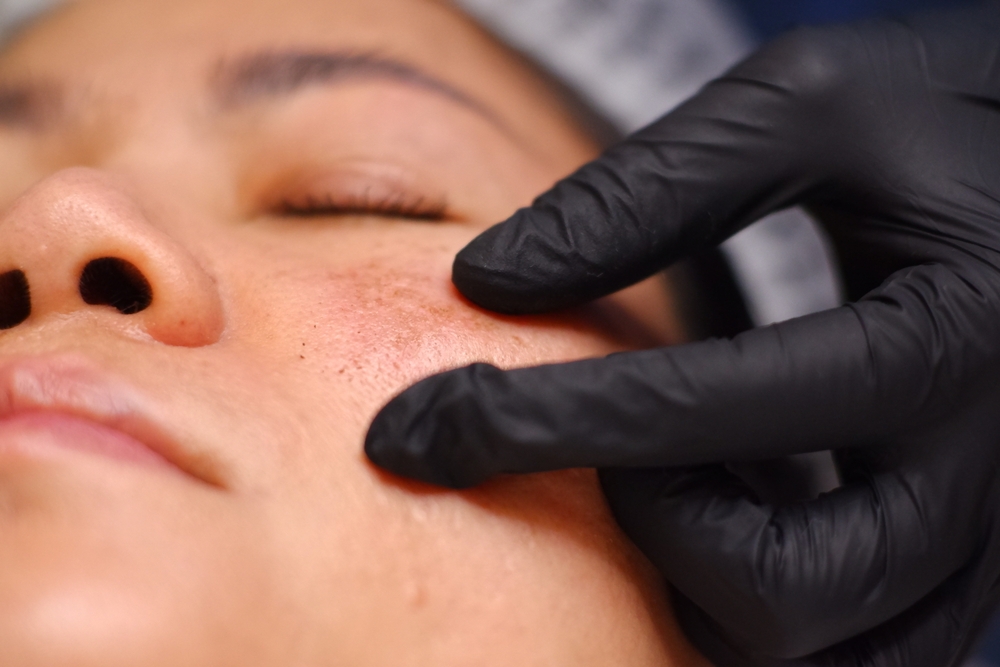
patient with melasma near Boston MA

Melasma is a chronic pigmentation condition that affects many people in the Boston area, particularly those with frequent sun exposure or hormonal changes.

If you are seeking professional care for melasma near Boston, Massachusetts, understanding how this condition is diagnosed and treated can help set realistic expectations and lead to better long-term results.

Understanding What Melasma Is

Melasma appears as symmetrical brown or gray-brown patches, most often on the cheeks, forehead, bridge of the nose, and upper lip. While the condition is not dangerous, it can be persistent and difficult to manage without professional care.

Sun exposure is the primary trigger, but pregnancy, birth control, hormone therapy, genetics, and certain medications can also stimulate pigment overproduction. Heat and visible light may worsen discoloration as well, making melasma particularly challenging in warmer months.

Why Accurate Diagnosis Is Essential

Many pigmentation concerns look similar on the surface, but they are not treated the same way. Sunspots, post-inflammatory hyperpigmentation, and melasma can overlap in appearance.

If you treat melasma near Boston incorrectly may worsen discoloration or cause irritation. A dermatologist evaluates pigment depth, symmetry, and triggers to ensure treatment targets the correct condition. Accurate diagnosis prevents unnecessary procedures and protects long-term skin health.

Diagnosing Melasma Near Boston

Diagnosing melasma near Boston, Massachusetts, begins with a detailed skin examination and medical history review. Your dermatologist will assess sun exposure habits, hormonal influences, skincare products, and family history.

In some cases, specialized tools are used to determine whether pigmentation sits on the surface, deeper in the skin, or both. This information is essential for choosing safe and effective treatment options.

Medical-Grade Topical Treatments

Prescription topical therapies are often the foundation of melasma treatment. These medications help regulate pigment production, encourage healthy skin turnover, and gradually fade discoloration. Improvement takes time and consistency is critical. Most patients require several weeks or months of regular use to see visible changes. Interrupting treatment early often leads to recurrence or uneven results.

Many patients benefit from a combination approach that evolves over time. Treatment plans are often adjusted based on skin response, seasonal sun exposure, and lifestyle changes. Regular follow-ups allow your dermatologist to fine-tune care, address new triggers early, and keep pigmentation under control long term.

In-Office Procedures That Enhance Results

In-office treatments may be recommended to complement topical therapy. Chemical peels can improve surface pigmentation, while select laser or light-based treatments may address deeper discoloration.

These procedures must be chosen carefully, as overly aggressive treatment can increase inflammation and worsen melasma. A dermatologist determines when and if these options are appropriate based on skin type and pigment depth.

Sun Protection and Lifestyle Adjustments

Sun protection is a critical part of treating melasma. Daily broad-spectrum sunscreen, protective clothing, and limiting sun exposure help prevent flare-ups.

Dermatologists also review skincare routines, heat exposure, and lifestyle habits that may contribute to pigmentation. Without these adjustments, even the most advanced treatments may fail to deliver lasting results.

Long-Term Management and Maintenance

Melasma is a long-term condition that requires ongoing management rather than a one-time solution. Maintenance plans often include continued topical therapy, periodic in-office treatments, and routine skin evaluations.

Seasonal changes, stress, and hormonal shifts can all influence pigmentation activity. Patients who remain consistent with maintenance care typically experience more stable and predictable improvement over time.

Treat Melasma Near Boston at Vibrant Dermatology

For personalized evaluation and to treat melasma near Boston, schedule a consultation with Vibrant Dermatology & Aesthetics at our Dedham or Milton, MA, location. Our experienced team provides comprehensive dermatologic care tailored to your skin.

Call 617-250-0257 to speak with an experienced member of our team or schedule your consultation online and take the next step toward clearer, more even-toned skin near Boston, Massachusetts.

7 Reasons to See a Dermatologist in 02136

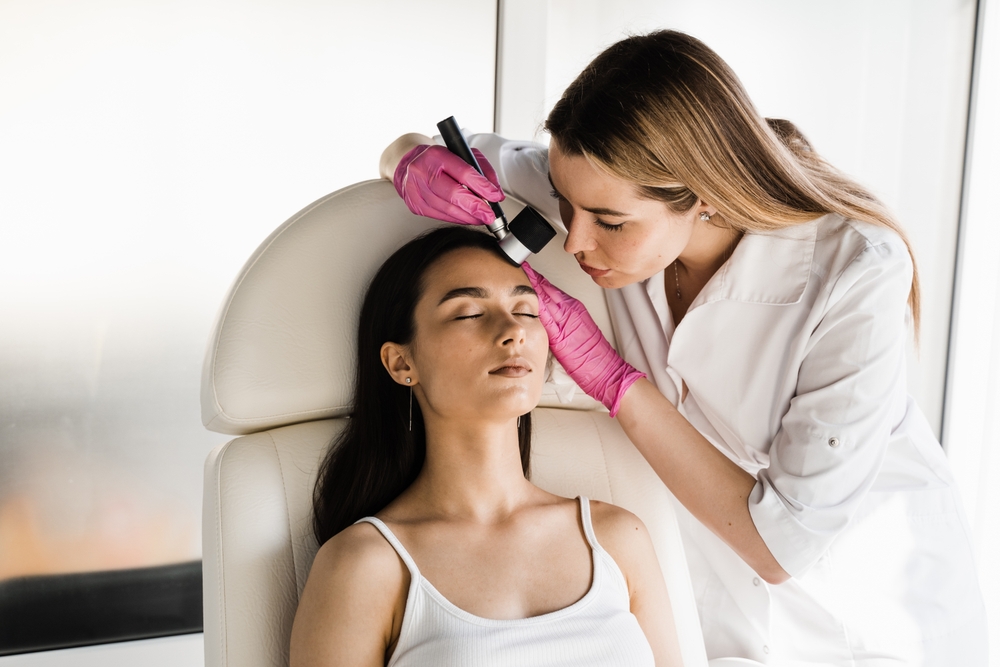
woman visiting a dermatologist in 02136 (Boston)

When it comes to achieving healthy, vibrant skin, nothing beats the tailored care you get from a dermatologist in 02136 (Boston, MA). Whether you’re dealing with a stubborn condition or simply want preventative guidance, seeing a board-certified skin expert delivers benefits you can’t replicate with store-bought products or internet advice.

Here are the top seven reasons people in 02136 trust dermatology professionals to protect and enhance their skin.

1. You Notice New or Changing Spots

If you see moles or skin spots that are evolving in size, shape, or color, this isn’t something to ignore. A dermatologist is trained to distinguish harmless marks from suspicious lesions that could signal skin cancer. Early identification and treatment are crucial for both outcomes and peace of mind.

2. Persistent Acne That Won’t Quit

Acne isn’t just a teen problem — adults in Boston neighborhoods like 02136 often struggle with breakouts too. When over-the-counter washes and creams fail, a dermatologist can customize a treatment plan that uses prescription topicals, medical-grade procedures, or laser therapies to reduce inflammation and prevent scarring.

3. Dry, Itchy, or Flaky Skin Doesn’t Improve

Dry patches that won’t go away may be eczema, psoriasis, or another chronic skin condition. Without proper medical evaluation and treatment, these conditions can become cyclical or uncomfortable. Professional dermatology care helps you get relief and understand triggers so you can stay comfortable year-round.

4. You’re Seeing Signs of Aging

Fine lines, uneven texture, and sun damage are all signs that your skin could benefit from professional care. A dermatologist looks beyond surface cosmetics to the underlying skin health, offering treatments like chemical peels, laser resurfacing, or tailored skincare regimens that go deeper than any drugstore product.

5. Hair or Nail Changes Cause Concern

Hair thinning, loss, and unusual nail changes aren’t just cosmetic — they can signal underlying health shifts. A dermatologist evaluates these symptoms to determine causes and appropriate treatments, whether it’s medical therapy, PRP, or specialized shampoos and serums.

6. Your Child Has Skin Issues

Children aren’t immune to skin concerns. From eczema and birthmarks to persistent rashes or acne in teens, pediatric dermatology ensures your child gets age-appropriate care. Early assessment often prevents issues from worsening and gives families peace of mind.

7. You Want Expert Guidance on Prevention

The best reason to visit a dermatologist in 02136 is prevention. Skin aging and cancer are easier to prevent than reverse. Biannual skin exams, expert advice on sunscreen and skincare routines, and monitoring of areas exposed to the sun help stop bigger problems before they start.

What It’s Like to Visit a Dermatologist in 02136 (Boston, MA)

When you schedule with a board-certified dermatologist, expect a comprehensive skin evaluation from head to toe. The doctor will review your medical history, examine your skin, hair, and nails, and ask questions about your symptoms and concerns. Based on this, you’ll get a personalized plan that could include medical treatment, cosmetic procedures, or lifestyle advice to improve skin health.

Because your skin is the largest organ of the body, its condition can tell a lot about your overall health. Making time for regular dermatology care — even when you’re not in crisis — is a smart investment in lifelong wellbeing.

Book an Appointment With Our Dermatologist Near 02136

For safe, effective, and personalized skin care, connect with the professionals at Vibrant Dermatology & Aesthetics in Dedham and Milton, Massachusetts. With medical, cosmetic, and surgical dermatology services tailored to your unique needs, you’re in expert hands every step of the way.

Call 617-250-0257 to speak with an experienced member of our team or schedule your consultation online now — because when it comes to your skin, prevention and early action make all the difference.

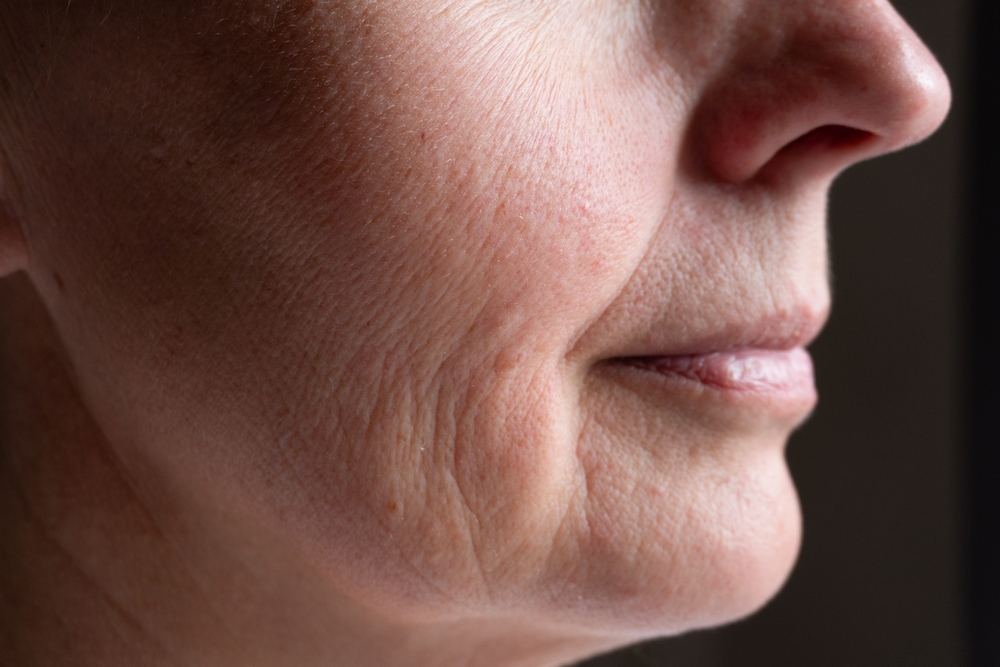
Causes and Treatments for Textured Skin Near Boston

woman with poorly textured skin near Boston

Textured skin is a common concern of millions of people! Textured skin can include skin that feels rough, or looks uneven or bumpy. Without a smooth surface, the skin’s overall tone can look uneven and aged.

In many cases, texture problems develop slowly over time and may be related to a combination of factors such as environmental exposure, lifestyle habits, and the natural aging of the skin.

By understanding the causes of texture changes, it is possible to begin working towards smoother, more visually appealing skin.

Let’s take a deeper look at some causes and treatment options, including one of the hottest treatments on the market right now.

What Textured Skin Looks and Feels Like

Textured skin is generally characterized by an uneven, dull, or rough appearance and tactile quality. Let’s take a look at some common causes and treatments for textured skin near Boston.

Visible pores, small bumps, or an overall irregular surface may make it difficult for makeup or skincare products to apply smoothly or evenly.

Some people primarily notice texture changes on the cheeks, forehead, or jawline, while others find that texture is more widespread throughout the face.

The severity of texture issues can vary greatly between individuals, and texture may also fluctuate over time or be affected by certain environmental or hormonal factors.

Common Causes of Textured Skin

There are several possible factors that can contribute to the development of textured skin. A buildup of dead skin cells can prevent the smooth shedding of old cells and cause an irregular surface.

Acne and previous breakouts may also lead to texture changes that persist even after active lesions have cleared. Sun exposure can also damage the skin’s surface and cause roughness or uneven tone.

Aging is another important factor, as the natural production of collagen begins to slow down over time.

How Textured Skin Is Evaluated

Before treatment can begin, the skin texture is carefully evaluated to help determine possible causes and suitable treatment options.

Skin texture issues can be caused by superficial changes to the skin or be related to deeper structural issues.

Some people experience roughness due to congestion or buildup, while others may have texture changes associated with scarring, sun damage, or other factors.

By assessing the depth and severity of the texture, it is possible to plan treatment that is more closely tailored to the individual’s needs.

Professional Treatments for Textured Skin Near Boston

Textured skin near Boston can often be effectively addressed with professional treatments that aim to resurface and renew the skin.

Chemical exfoliation can remove excess dead skin cells and promote healthy cell turnover.

Energy-based treatments such as laser or light therapies work by stimulating collagen production to smooth out uneven areas.

Microneedling may also be recommended to enhance natural skin repair processes by triggering collagen production. A combination of these modalities is often used to address different aspects of texture.

How Skin Texture Improves Over Time

It is important to note that changes to skin texture are not immediate. The skin turnover process occurs gradually over several weeks or months, so results will often become more noticeable over time.

Some treatments work progressively to support ongoing improvement, and multiple sessions may be recommended to achieve optimal results.

Consistency and continued care play a key role in the long-term improvement of skin texture.

Daily Habits That Support Smooth Skin

Healthy skincare habits can play an important role in supporting the effectiveness of professional treatments and maintaining results over time.

Gentle cleansing, proper hydration, and sun protection are all crucial for supporting healthy skin.

Avoiding over-exfoliation, picking at the skin, or using products that are too harsh for one’s skin type can also help to minimize irritation and prevent scarring.

Lifestyle factors like sleep, hydration, and stress management also play an important role in supporting smooth skin.

Book Your Appointment Today

Don’t let textured skin keep you from feeling confident and comfortable in your skin!  Book a consultation with one of our skincare experts can help you determine the best approach for your goals.

Call our office at 617-250-0257 today to speak with our an experienced staff member or schedule your appointment online and begin the process of taking back your confidence.

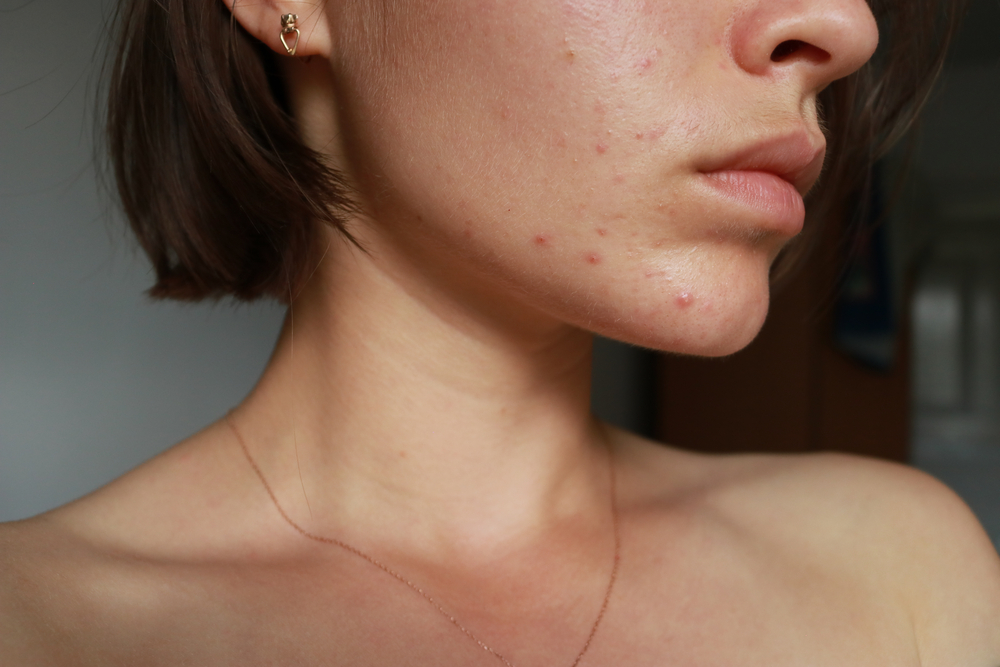
Understanding Adult Acne and How to Treat It Near Boston

woman suffering from adult acne in Boston

Adult acne is far more common than most people realize! In fact, many individuals in their 30s, 40s, and beyond experience acne symptoms at some point in their lives. 

While this skin concern for teenagers well known, adult acne is different. Causes, triggers, and treatments often vary from acne that develops during adolescence. 

Below, we explain what adult acne is, its common triggers, and how top-rated experts in your area can help you get clear and glowing skin today!

Understanding Adult Acne Near Boston

While some causes of adult acne are the same as acne during adolescence, adult acne differs in many ways. 

The differences between teenage and adult acne include the location where breakouts develop. Adult acne more commonly occurs along the jawline, chin, and lower third of the face.

Hormones, stress, skin sensitivity, and other factors influence adult acne. As such, adult acne care is often more customized than what is required during the teenage years. 

Why Does Adult Acne Occur?

The most common reason for adult acne is hormonal changes. For women, fluctuations during the menstrual cycle, pregnancy, perimenopause, and menopause may trigger acne symptoms. 

Stress is another leading cause due to the way it impacts hormone levels and skin oil production.

Environmental exposure, skincare habits, and lifestyle factors may also play a role in acne symptoms. 

Facial products that clog pores, improper cleansing, and other environmental and skincare factors may also worsen adult acne.

How is Adult Acne Different from Teenage Acne?

Adult acne is often more inflammatory, leading to deeper blemishes rather than surface-level whiteheads or blackheads. 

Breakouts are often more persistent and take longer to heal. Adults may also experience more post-inflammatory hyperpigmentation and scarring. 

The skin also tends to be drier and more sensitive with age, requiring more gentle approaches. For these reasons, adult acne care requires a highly personalized approach.

Common Triggers

Acne can develop due to a combination of factors, but several common acne triggers exist. Hormonal fluctuations are one of the most common causes of adult acne. 

Stress also leads to increased cortisol levels, which can trigger oil glands. Skincare or cosmetic products may clog pores, worsening acne breakouts. 

Diet and other lifestyle factors may play a role as well, although not all cases of adult acne are linked to diet. Additionally, sleep and chronic stress can affect the skin’s ability to heal itself.

Evaluation and Examination

Before beginning treatment, proper examination is important to ensure acne care is directed to the right cause. The clinical assessment considers acne type, distribution, severity, and skin sensitivity levels. 

It also reviews the medical history, lifestyle, and prior acne treatment. Examining and differentiating acne type helps to understand if it is inflammatory, hormonal, or related to other health conditions.

Treatment Options

Adult acne can be successfully treated with medical and procedural treatment options. 

Topical therapies help to regulate oil production, unclog pores, and calm inflammation. In some cases, oral medications may be necessary to help manage hormonal imbalance or bacterial issues.

In-office procedures are also used to reduce acne symptoms. Chemical exfoliation helps unclog pores and reduce excess oil. 

Light-based treatments may help reduce inflammation and acne-causing bacteria. The treatment plan for adult acne is customized based on a patient’s skin, severity, and skin goals.

Personalized Treatment Approach

Treating this skin concern often requires a more customized approach than that for a teenage. 

Treatment for adults require customization based on skin type, severity, and contributing factors such as hormones or inflammation. 

Prescription-strength topical treatments, oral medications (if necessary), and in-office procedures are often combined to help calm current breakouts and facilitate skin healing. 

Regular follow-up appointments and ongoing evaluation ensure that treatment plans can be adapted as the skin responds. 

This approach also allows us to target the underlying acne factors contributing to recurrence, helping to prevent future breakouts.

Consistency is Key for Success

One of the most important factors for successful treatment is consistency. Clearer skin usually takes time, often a few weeks to several months. 

Trying multiple products or altering the treatment plan frequently can interrupt progress. A consistent treatment plan is necessary for the skin to heal and become adjusted to the care.

Prevention of Future Acne Breakouts

Preventing future acne involves maintaining a gentle skincare regimen that does not irritate the skin or cause inflammation. 

Cleansing, moisturizing, and protecting the skin from the sun daily also help to support skin health. 

Stress management, quality sleep, hydration, and nutrition can also impact skin health and acne.

Maintenance and Long-Term Skin Health

After initial improvement of acne, ongoing maintenance care is important to prevent recurrence and support long-term skin health. 

Periodic check-ups with your provider helps maintain skin health and allows for treatments to be adjusted as the skin changes with time. 

With consistent care and maintenance, most people can achieve long-term clearer skin! 

Seeking Professional Care For Acne

Professional acne treatment is recommended if acne persists, worsens, or begins to impact an individual’s confidence. 

Early intervention often leads to improved outcomes and reduces scarring. If acne is persistent or worsening, don’t wait to contact our office.

Contact Us Today, Get Clear Glowing Skin Free From Adult Acne Tomorrow!

Our customized skin care plans can make a real difference to your skin. Dr. Ip is a Harvard educated, ivy-league trained dermatologist, as well as an expert contributor to over 200 magazines.

Call our office at 617-250-0257 today to speak with our an experienced staff member or schedule your appointment online and begin your journey to healthier, clearer skin.

Laser Resurfacing for Acne Scars Near Boston

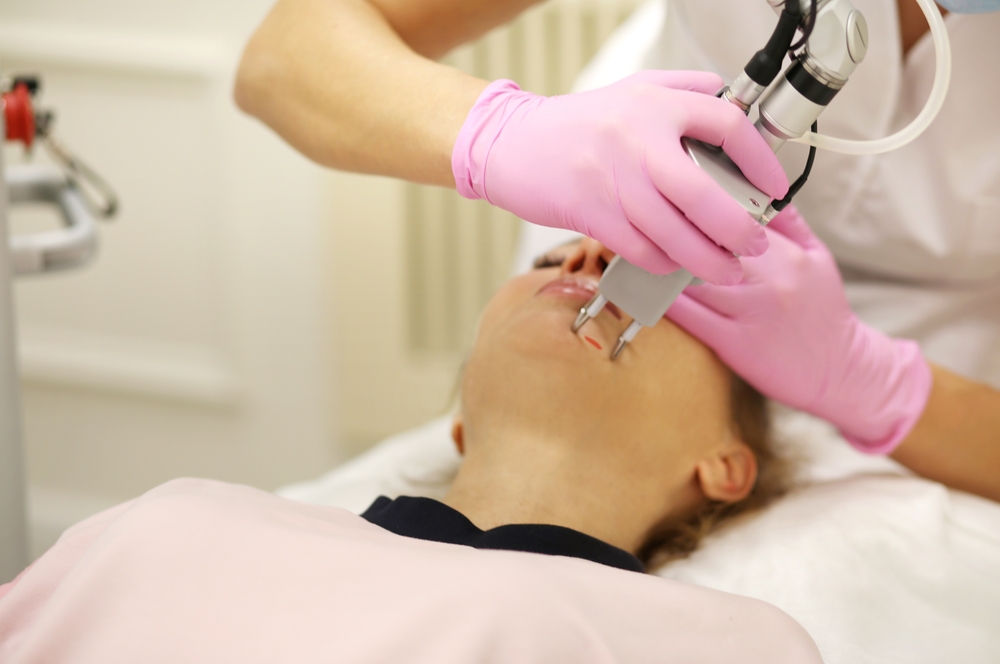
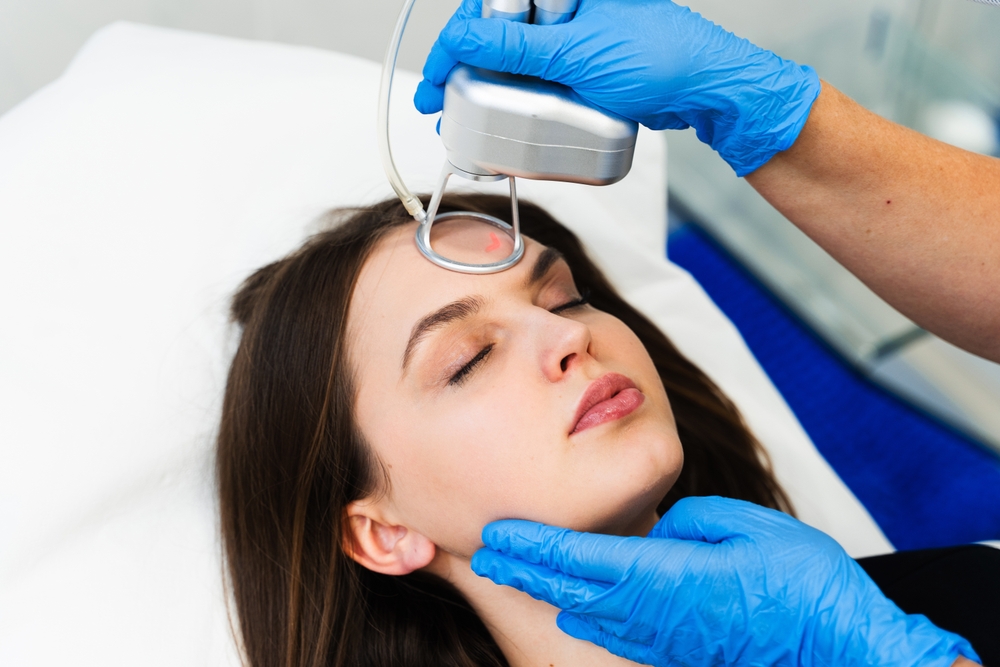
laser resurfacing for acne scars near Boston

If you’re struggling with acne scars and having the smooth and youthful complexion you’ve always dreamed of, laser resurfacing may be an option to consider.

Laser resurfacing for acne scars near Boston is a common dermatological procedure that can help improve skin texture and reduce the appearance of scars. 

Acne scarring occurs when inflammation damages deeper layers of skin, and with laser technology, this damage can be reversed! 

Lasers are used to stimulate renewal of the skin and remodeling of collagen, resulting  in smoother and more even skin over time.

What is Laser Resurfacing for Acne Scars? 

Laser resurfacing for acne scars near Boston works by penetrating the skin’s surface and stimulating collagen production. This can help soften and smooth out the appearance of scarring or uneven skin. 

The texture of your skin should become smoother over time as new collagen is generated and damaged tissue is replaced.

Different types of laser resurfacing technologies may be used based on scar depth, skin type, and goals for treatment. 

Some laser work on the surface of the skin while others like NeoClear penetrate more deeply to improve tone and texture.

What to Expect During Laser Resurfacing for Acne Scars Near Boston 

Laser resurfacing treatments are performed in an outpatient setting with numbing creams or agents applied to the area. 

Sessions can take anywhere from a few minutes to over an hour depending on the size of the area being treated. 

Patients often feel warmth and some discomfort during the procedure as well as temporary redness or skin sensitivity after treatment.

Recovery usually takes a few days, and people typically return to work and regular activities soon after treatment.

Schedule a Consultation Today! Discover the Path to Healthier Skin 

Don’t let acne scars hold you back from having the skin you deserve. Laser resurfacing for acne scars near Boston may help you achieve smoother, healthier looking skin. 

Call our office at 617-250-0257 today to speak with our an experienced staff member or schedule your appointment online and see how this treatment can help you.

How to Diagnose and Treat Melasma Near Boston

woman in need to treat melasma near Boston

How to diagnose and treat melasma near Boston is not as simple as using any cream. Melasma is a complex hyperpigmentation condition, often influenced by hormones, sun exposure, and genetics. 

Because melasma develops deep in the dermal layers and is highly sensitive to heat exposures of any kind, treatment can be tricky. 

The most effective treatments for melasma should be tailored with a professional evaluation and individualized care, instead of a one-product solution.

What Sets Melasma Apart? 

Melasma can present as splotchy or irregular brown or gray patches, often found on the cheeks, forehead, upper lip, or jawline. 

The causes of melasma are different from sunspots, in that it is not just a result of sun damage, but it can also be influenced by hormonal changes and genetics. 

Pregnancy, birth control pills, or hormone replacement therapy are common times of melasma onset or recurrence. Sun exposure or external heat can also be triggers. 

The condition often worsens over time and is noticed more with aging or skin changes.

Importance of Accurate Diagnosis 

Before any melasma treatment begins, an accurate diagnosis is necessary. Melasma can mimic other forms of pigmentation and treating it incorrectly could lead to further discoloration. 

Skin tone, pigment depth, medical and family history, skincare routine, and lifestyle are all taken into consideration during an evaluation. 

Advanced pigment assessment technology is used to determine if the pigment is superficial, deep, or mixed in origin, allowing for a more tailored treatment plan.

Options to Treat Melasma Near Boston 

How to diagnose and treat melasma near Boston may include a combination of different therapies, rather than a single treatment. 

Medical-grade topical therapies may be recommended to help regulate pigmentation and encourage skin renewal. These formulations are usually stronger than over-the-counter products.

These prescription products may also be combined with chemical peels or energy-based treatment for deeper penetration of the epidermis. 

Peels exfoliate the damaged outer layers of skin and help support smoother, brighter skin. In some cases, energy-based technology can be used to encourage collagen renewal and support improved tone. 

Personalized Approach for Melasma Treatment 

Melasma does not have a single solution or respond well to aggressive treatments. Skin tone, sensitivity, and lifestyle all play a role in treatment outcome. 

A personalized approach to care allows the treatment plan to progress at a safe pace, while supporting long-term results. 

Treatment protocols may need adjustment over time to maintain results and avoid triggering melasma.

Sun Protection for Melasma 

Sun protection is a crucial component of any melasma care plan. Even a small amount of sun exposure can cause melasma to flare. 

Daily use of a broad-spectrum sunscreen with protective measures, such as hats or shade, can help stabilize results. Sun protection is often the foundation of successful melasma treatment.

Long-Term Management for Skin Health 

Melasma is best managed with consistent care rather than a one-time treatment. 

Patients often find value in maintenance treatments and a customized skincare regimen that helps maintain balance and address skin health. 

Consistent professional guidance can help maintain improvements and keep melasma at bay.

When to Seek Professional Help for Melasma 

If you find that discoloration is persisting, getting deeper, or returning after using over-the-counter products, professional care should be sought. 

Early intervention can lead to a safer and more effective treatment plan. Understanding how to diagnose and treat melasma near Boston can empower patients to take action with confidence.

Don’t Wait Any Longer, Treat Melasma Near Boston at Vibrant Dermatology

If melasma is interfering with your confidence or daily life, you should know that expert care can make a meaningful difference!

Call our office at 617-250-0257 today to speak with our an experienced staff member or schedule your appointment online and begin the journey to healthier, more even-looking skin.

The Most Common Reasons to See a Dermatologist Near Boston

dermatologist Boston

Visiting a dermatologist near Boston is a vital part of caring for your skin, hair, and nails at every age. Many people put off seeking care until a common skin issue becomes uncomfortable or they notice changes. 

It is never too early to evaluate a potential skin concern and get the right care to keep issues from getting worse. 

Understanding the most common reasons to see a dermatologist near Boston can make it easier to stay proactive about skin health and general wellness.

Skin Changes That Should Not Be Ignored

The most common reasons to visit a dermatologist are the development of new or changing lesions on the skin. 

Moles, spots, or other growths that vary in color, size, texture, or shape may signal that it is time to see a dermatologist. 

Skin that bleeds, crusts, or does not heal correctly should be examined as well. Early assessment can help to determine if a skin condition or lesion is harmless or if it should be treated.

Persistent Acne and Breakouts

Many people think of acne as a skin issue that only teens face. However, breakouts can occur at any age, and adult acne is not uncommon. 

Persistent acne that does not clear up or gets worse with over-the-counter treatments should be examined. 

A dermatologist can determine factors that are contributing to skin inflammation and work with patients to create a plan that reduces breakouts and improves skin health.

Chronic Skin Conditions

Skin conditions like eczema, psoriasis, and rosacea are also common reasons to see a dermatologist near Boston. These conditions tend to ebb and flow and can worsen without treatment. 

A dermatologist can help to identify causes or triggers that contribute to flare ups and recommend long term treatment and management strategies to keep symptoms under control.

Sun Damage and Pigmentation Concerns

Skin tone can also be affected by sun exposure over time. Sunspots, uneven color, and premature aging are common reasons that people seek dermatologic care. 

Pigmentation issues can occur on the face, hands, and other areas that are commonly exposed to the sun. 

A dermatologist can evaluate sun damage and help patients find treatment options that can improve skin tone and texture and support long term health.

Hair and Scalp Issues

Hair thinning, excessive hair shedding, or scalp irritation are other reasons to consult a dermatologist. 

Hormonal changes, inflammation, genetics, or other medical conditions can cause these issues. 

It is important to identify the underlying cause as early as possible to guide treatment that supports scalp health and hair growth.

Nail Changes and Disorders

Changes in nail color, thickness, or texture are also common reasons to seek dermatologic care. These symptoms could indicate an infection, injury, or other systemic health issues. 

Dermatologists are trained to identify nail changes and determine how to address them. Nail problems should be diagnosed and treated early to prevent discomfort and further damage.

Dermatology appointments are vital to your overall health and wellbeing, not just for your looks, make sure to take charge of your health today!

Skin Exams are The Most Common Reason to See a Dermatologist Near Boston

Routine exams for overall health and preventative care are also a common reason to see a dermatologist near Boston. 

Skin checks are a vital part of early detection of skin cancer, so people with no symptoms should still have their skin evaluated on a regular basis. 

Skin cancer screenings are especially important for people who have a history of sun exposure or a family history of skin cancer. 

See a Dermatologist Near Boston for Your Skin Concerns at Vibrant Dermatology

If you are experiencing any skin issues or want to stay ahead of potential skin problems, it is time to make a professional evaluation one of your health priorities. 

Call our office at 617-250-0257 today to speak with our an experienced staff member or schedule your appointment online and take the next step toward healthier, more confident skin.

  • 1
  • 2
  • 3
  • …
  • 6
  • Next Page »

Problems We Treat

In the Clear

Acne: Adults & Teens

lllumination

Hyperpigmentation, Sun Spots, Melasma

Red, Red Go Away

Rosacea, Facial Redness, Sensitive Skin

Tall Drink of Water

Excessively Dry Skin, Eczema

Fountain of Youth

Anti-Aging, Skin Rejuvenation

Mommy & Me Skin Care

For Pregnant & Nursing Mothers

Just for Kids

Skin Care For Those 12 & Under
Contact
Vibrant Dermatology
588 Providence Hwy
Dedham MA 02026
Phone: (617) 250-0257

Vibrant Dermatology
1 Central Ave.
Milton MA 02186
(entrance at 131 Eliot St.)
Phone: (617) 250-0257

© 2026 Vibrant Dermatology | Site Map | TOS/Privacy Policy | Vibrant Dermatology
book online