
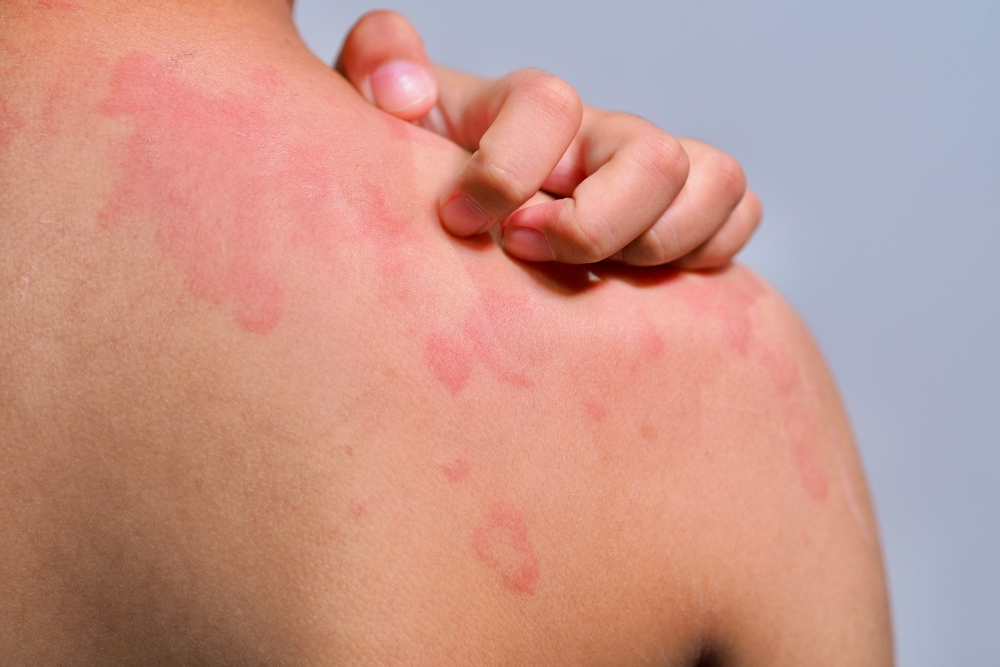
A rash that clears up in a day or two is usually nothing to worry about. A rash that won’t go away for weeks, keeps returning, or spreads to new areas is a different story.
What could be causing this rash that won’t go away is one of the most common questions dermatologists field. The answer depends on where it is, what it looks like, and what makes it better or worse.
This post covers the most likely culprits behind a persistent rash and when it is time to get a professional diagnosis.
Why Some Rashes Refuse to Clear on Their Own
The skin is the body’s largest organ and one of its most expressive. Rashes are how it signals everything from allergic reactions to autoimmune activity to infection.
A rash that does not respond to basic treatment is usually communicating something specific. Identifying that signal requires more than guesswork and hydrocortisone cream.
Chronic rashes often involve a trigger that keeps reactivating the immune response. Without removing or managing that trigger, the rash has no reason to resolve.
Eczema: the Most Common Cause of Recurring Rashes
Eczema produces dry, intensely itchy patches that flare in response to irritants, allergens, and stress. It most commonly appears on the inner elbows, behind the knees, and on the neck and hands.
The barrier function of eczema-prone skin is compromised. This allows moisture to escape and irritants to penetrate more easily than they would in healthy skin.
Flares can last days or weeks and often cycle back without warning. Managing eczema requires identifying personal triggers alongside consistent treatment.
What Could Be Causing This Rash That Won’t Go Away if It’s Scaly?
Psoriasis produces thick, silvery-scaled patches that most commonly appear on the scalp, elbows, knees, and lower back. It is an autoimmune condition, not a skin infection.
The immune system mistakenly accelerates skin cell turnover, producing cells faster than the body can shed them. The buildup creates the characteristic scaling and inflammation.
Psoriasis is chronic and cannot be cured, but it can be effectively managed. Treatment ranges from topical therapies to biologics depending on severity.
Contact Dermatitis and Allergic Triggers
Contact dermatitis develops when the skin reacts to something it has touched. Common triggers include fragrances, preservatives, nickel, latex, and certain plant compounds.
The rash typically appears where contact occurred, though allergic reactions can sometimes spread beyond the initial exposure site. Patch testing by a dermatologist identifies the specific allergen driving the reaction.
Avoiding the trigger resolves the rash in most cases. The challenge is identifying which of the dozens of daily exposures is actually responsible.
What Could Be Causing This Rash That Won’t Go Away on Your Face Specifically?
Facial rashes that persist often involve rosacea, seborrheic dermatitis, or perioral dermatitis rather than eczema or psoriasis. Each has distinct characteristics that guide treatment.
Rosacea causes central facial redness with visible blood vessels and sometimes acne-like bumps. It flares in response to heat, alcohol, spicy food, and sun exposure.
Seborrheic dermatitis produces flaky, oily patches around the nose, eyebrows, and hairline. It is driven by a yeast that lives naturally on skin and becomes overactive in certain conditions.
When a Persistent Rash Needs Professional Evaluation
Patients asking what could be causing this rash that won’t go away should not wait indefinitely for it to resolve on its own. Some rashes signal conditions that worsen without treatment.
A dermatologist performs a visual assessment, reviews your history, and sometimes orders a biopsy or patch test to confirm the diagnosis. Accurate diagnosis is the only reliable path to the right treatment.
The sooner a persistent rash is evaluated, the sooner it can be properly managed.
Find Out What Your Skin Is Trying to Tell You, Call Our Experts Today to Schedule Your Appointment
A rash that keeps coming back deserves a real answer. Vibrant Dermatology in Dedham, MA, and Milton, MA, offers thorough skin evaluations for all types of chronic and recurring rashes.
Book your appointment online or call our office at 617-250-0257 to schedule today and discover how you can get rid of that pesky rash that won’t go away on its own.