Vibrant Dermatology

Book SkinBar MD Book Dermatology
(617) 250-0257
MENU
  • HOME
  • SHOP
  • ABOUT US
    • Meet Dr. Ip
    • Meet Our Staff
    • Why Vibrant Dermatology
    • Dr. Ip In the News
    • Featured Videos
    • Blog
    • Get Dr. Ip’s E-Book
    • Gap Year Program
    • Contact Us
  • Patient Resources
    • Appointment Policies
    • Insurance Information
  • Before and Afters
  • (617) 250-0257
  • (617) 540-5524
  • online bill pay
  • Book an Appointment
  • Medical Dermatology
    • Acne
    • Allergic Reactions
    • Autoimmune Disorders
    • Benign Growths: Seborrheic Keratoses, Skin Tags
    • Birthmarks, Brown Spots, Moles
    • Cysts
    • Eczema/Rashes
    • Excessive Sweating (Hyperhidrosis)
    • Hair Loss
    • Hives
    • Hyperpigmentation/Brown Spots
    • Keloids
    • Lipomas
    • Melanoma
    • Melasma
    • Nail Fungus
    • Psoriasis
    • Scars
    • Shingles
    • Skin Cancer
    • Skin of Color
    • Vitiligo
  • Surgical Dermatology
    • Cyst Removal
    • Lipoma Removal
    • Mole and Benign Lesion Removal
    • Skin Cancer Surgery
  • Pediatric Dermatology
    • Acne
    • Birthmarks
    • Eczema
    • Moles and Brown Spots
    • Skin Allergies
    • Skin Cancer
  • Cosmetic Dermatology
    • Aqua Facial
    • Neurotoxin (Jeuveau)
    • Chemical Peels
    • Era Elite Laser
    • Hair Loss Treatment
    • IPL Treatment
    • Juvederm
    • Kerafactor
    • LaseMD
    • Laser Treatment for Facial Veins
    • Melasma & Hyperpigmentation Treatments
    • NeoClear Laser Acne Treatment
    • NeoSkin Skin Rejuvenation Treatment
    • Non Surgical Face Lift “Liquid Lift”
    • PRP Treatment
    • PRX Skin Revitalization
    • Radiesse
    • Restylane
    • RF Microneedling
    • Sculptra
    • Sofwave Skin Tightening
    • Stretch Marks Treatment
    • Scalp Revive
  • Wellness
    • Sexual Wellness
    • O-Shot
  • Home
  • Shop
  • About Us
    • Meet Dr. Ip
    • Meet Our Staff
    • Why Vibrant Dermatology
    • Dr. Ip In the News
    • Featured Videos
    • Blog
    • Get Dr. Ip’s E-Book
    • Gap Year Program
    • Contact Us
  • Services
    • Medical Dermatology Services
    • Surgical Dermatology
    • Pediatric Dermatology
    • Cosmetic Dermatology
    • Health and Wellness
      • Sexual Wellness in Dedham, MA
      • Weight Loss in Dedham, MA
  • Before and After Gallery
  • Book Appointment
  • All Products
  • Online Bill Pay

How a Boston Dermatologist Can Help With Hair Loss in Women of Color

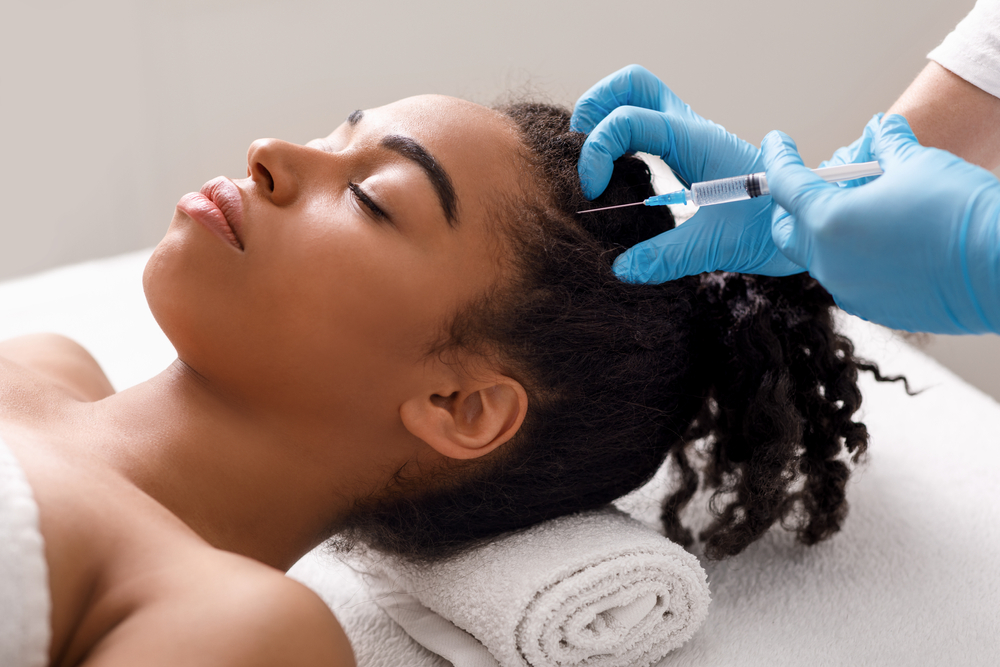
Boston dermatologist for hair loss in women of color

Hair loss can be an especially sensitive and frustrating experience for women, and it often presents differently in women of color. If you’re searching for answers about hair loss in women of color, working with a Boston dermatologist who understands both medical causes and hair-care practices is essential. Proper diagnosis and culturally informed treatment can make a meaningful difference in outcomes.

Understanding Hair Loss in Women of Color

Hair loss in women of color may appear as thinning along the hairline, widening of the part, or patchy loss at the crown. Conditions such as traction alopecia, central centrifugal cicatricial alopecia, and telogen effluvium are more common in this population. These patterns are often influenced by genetics, inflammation, styling practices, and underlying medical factors.

Why Hair Loss Is Often Misdiagnosed

Hair loss is not one-size-fits-all. Without specialized evaluation, certain conditions may be overlooked or mistaken for general shedding. A dermatologist trained in treating diverse hair types can distinguish between scarring and non-scarring alopecia, which is critical. Early and accurate diagnosis helps prevent permanent follicle damage and improves the chance of regrowth.

How a Boston Dermatologist Evaluates Hair Loss

When addressing hair loss in women of color, a Boston dermatologist begins with a detailed scalp examination and medical history. This includes reviewing styling habits, chemical treatments, stress levels, hormonal changes, and family history. In some cases, blood work or a scalp biopsy may be recommended to confirm the diagnosis and guide treatment.

Medical Treatments That Support Regrowth

Treatment plans are tailored to the specific type of hair loss. Options may include prescription topical medications, oral therapies, or anti-inflammatory treatments to protect follicles. For certain conditions, early intervention can slow progression and encourage regrowth. Consistency and follow-up are key, as hair growth occurs gradually over time.

Addressing Styling and Hair Care Practices

Hair care routines play a significant role in treatment success. Tight styles, excessive heat, and chemical processing can worsen certain types of hair loss. Dermatologists provide guidance on protective styling, gentle maintenance, and scalp care that supports healing without compromising cultural or personal preferences.

Emotional Impact of Hair Loss in Women of Color

Hair loss can also carry a significant emotional impact, particularly when it affects identity and self-confidence. Dermatologists recognize that successful treatment involves both medical care and supportive guidance. Open conversations about expectations, timelines, and progress help patients feel informed and empowered throughout the process.

Understanding that improvement takes time allows women to stay consistent with treatment plans and avoid unnecessary frustration. When care is both medically sound and culturally informed, patients are more likely to remain engaged and achieve sustainable results.

Advanced and Supportive Therapies

In some cases, additional therapies such as platelet-rich plasma or in-office scalp treatments may be recommended to support follicle health. These options are evaluated carefully to ensure safety and suitability for each patient. A dermatologist determines when advanced therapies are appropriate and how they fit into a broader care plan.

Long-Term Management and Prevention

Managing hair loss often requires a long-term approach. Regular follow-up allows treatment plans to evolve as the scalp responds. Ongoing care focuses on maintaining follicle health, preventing further loss, and addressing new triggers early. Education and consistency are essential components of lasting results.

Women of Color With Hair Loss, Visit Dr. Ip at Vibrant Dermatology

For women seeking expert care for hair loss in women of color, Dr. Ip at Vibrant Dermatology & Aesthetics offers thoughtful, individualized evaluation and treatment options designed with diverse hair types in mind.

Call 617-250-0257 to speak with an experienced member of our team or schedule your consultation online and take the next step toward healthier hair and scalp confidence.

Common Causes of Hair Loss in Women and How to Fix It Near Boston

Boston woman with hair loss

Hair loss is a concern many women experience at some point, yet it often feels confusing and isolating. Understanding the underlying causes of hair loss in women is the first step toward effective treatment. With the right dermatologic evaluation and a personalized plan, many forms of hair loss can be stabilized, slowed, or improved.

Hair Loss in Women: Hormonal Changes and Imbalances

Hormones play a significant role in regulating hair growth cycles. Pregnancy, postpartum shifts, menopause, thyroid disorders, and conditions such as polycystic ovary syndrome can all disrupt normal growth patterns. When hormone levels fluctuate, hair may shed more rapidly or grow back finer. Dermatologists assess hormonal factors and help coordinate care that supports healthier regrowth over time.

Stress and Telogen Effluvium

Emotional or physical stress can push hair follicles into a resting phase known as telogen effluvium. Surgery, illness, significant weight loss, or major life changes may cause noticeable shedding several months later. Although this type of hair loss is often temporary, professional evaluation helps rule out overlapping causes and supports a smoother recovery process.

The Emotional Impact on Women with Hair Loss

Hair loss can also have a significant emotional impact that affects daily confidence and self-image. Many women delay seeking care because they believe hair loss is unavoidable or untreatable. Early evaluation, however, often leads to more effective outcomes. Dermatologists help set realistic expectations while providing education about timelines, triggers, and treatment response. Understanding that hair growth occurs slowly allows patients to stay consistent with care and avoid unnecessary frustration. When treatment addresses both physical and emotional aspects, long-term adherence and results tend to improve.

Nutritional Deficiencies

Hair follicles rely on adequate nutrients to function properly. Low iron levels, vitamin deficiencies, or restrictive diets can weaken hair growth and increase shedding. When evaluating hair loss in women, dermatologists often consider nutritional factors and recommend appropriate testing. Correcting deficiencies can improve both scalp health and hair strength.

Genetic Hair Thinning

Female pattern hair loss is a common cause of gradual thinning, particularly at the crown or along the part line. This condition is often hereditary and progresses slowly over time. Early diagnosis allows dermatologists to implement treatments that help preserve existing hair and slow progression. Delaying care may reduce the effectiveness of available options.

Inflammatory Scalp Conditions

Chronic scalp inflammation can interfere with healthy hair growth. Conditions such as seborrheic dermatitis, psoriasis, and autoimmune disorders may weaken follicles if left untreated. Dermatology-based care focuses on calming inflammation and restoring a healthy scalp environment, which is essential for long-term hair support.

Styling Practices and Traction

Tight hairstyles, frequent heat styling, and chemical processing can damage follicles and lead to traction alopecia. Over time, repeated tension may cause thinning along the hairline or temples. Dermatologists guide patients toward protective styling and scalp-friendly routines that support recovery without sacrificing personal style.

How Dermatology Can Help Fix Hair Loss in Women

Treating hair loss in women requires an individualized approach. Dermatologists begin with a detailed scalp examination, medical history review, and diagnostic testing when needed. Treatment plans may include prescription topicals, oral medications, anti-inflammatory therapies, or supportive in-office treatments. Ongoing follow-up allows care to adapt as the scalp responds and conditions change.

Hair regrowth is gradual, and results require patience and consistency. Even when regrowth is limited, treatment can help prevent further loss and strengthen existing hair.

Visit Dr. Ip and the Team at Vibrant Dermatology if Your a Woman Suffering From Hair Loss Near Boston

With expert guidance, many women achieve healthier hair and improved confidence over time.

Our team provides thoughtful, evidence-based solutions tailored to each patient.

Call 617-250-0257 to speak with an experienced member of our team or schedule your consultation online and take the next step toward addressing hair loss and restoring scalp health near Boston.

PRP Injections for Men Near Boston: Stop Hair Loss in Its Tracks

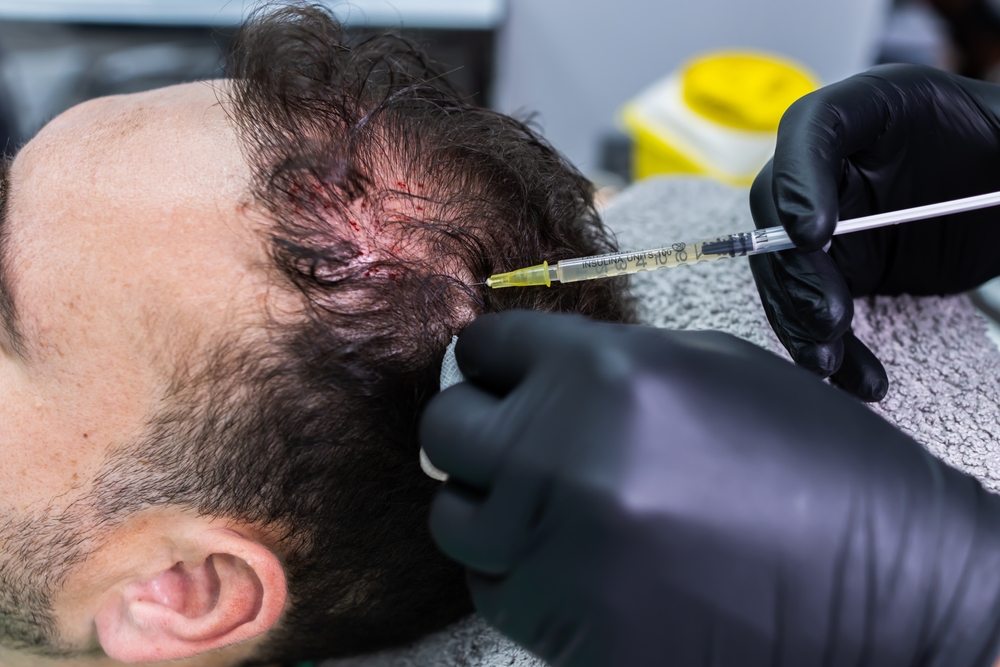
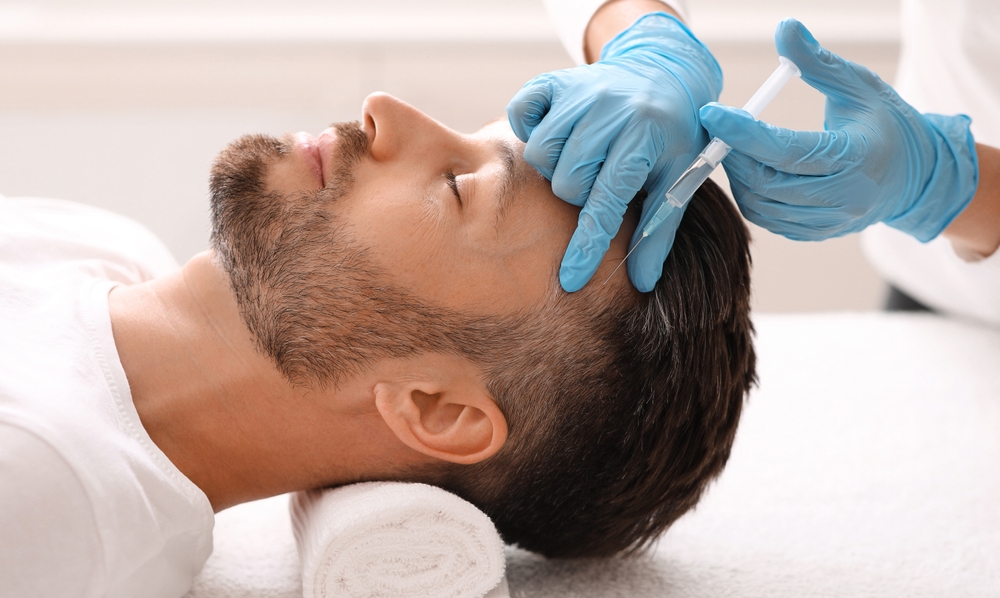
PRP injections for men near Boston

If you have been searching for PRP injections for men near Boston because your hairline is being a little too bold and not in the way you want, welcome. 

Hair loss happens to the best of us (trust me I know), but that does not mean you need to sit there quietly while your follicles pack their bags and leave. 

PRP is one of the most exciting, natural ways to boost hair growth, thicken what you already have, and reclaim a look that feels like you again.

Why PRP Injections for Men Near Boston Are Becoming a Go-To Treatment

Let’s cut to the chase. Thinning hair does not ask for permission. It sneaks up slowly, then suddenly you are staring into a mirror wondering when the extra forehead arrived. This is exactly why hair loss treatments have become so popular. It is effective, minimally invasive, and uses your own platelets to support healthier, stronger, more resilient hair.

When you choose PRP injections for men near Boston, you are choosing a treatment that works with your biology instead of covering things up or relying on temporary fixes. No powders. No weird sprays. No imaginary bargains with your hairline. Just real regenerative science.

How PRP Actually Works

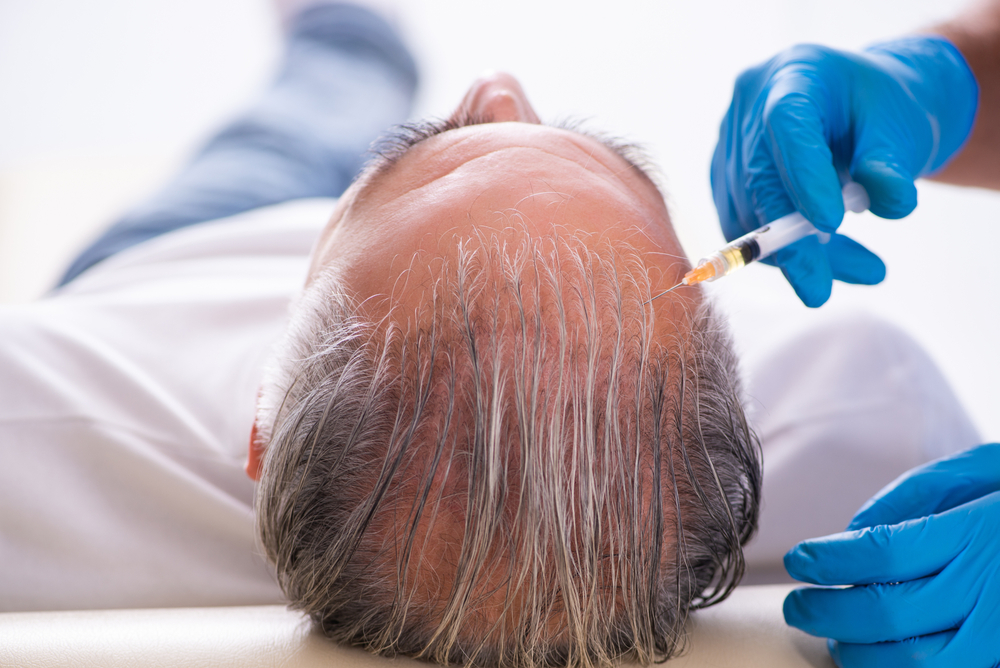
PRP, or platelet-rich plasma, involves drawing a small amount of your blood, spinning it down to separate the platelet-rich portion, then injecting that concentrated goodness directly into areas where hair is thinning. These platelets are like microscopic personal trainers convincing your follicles to stop slacking off and get back to work.

The treatment stimulates growth factors that support stronger roots, thicker strands, and healthier scalp function. With consistent sessions, many men notice increased density, better texture, and reduced shedding.

It is subtle at first, then suddenly you catch your reflection and think wait, that looks fuller.

What to Expect From PRP Injections for Men Near Boston

The appointment is straightforward and surprisingly fast. Your provider draws blood, prepares the PRP, and performs a series of precise injections across the areas most affected by thinning. 

You may feel mild pressure or tingling, but no dramatic downtime. Most men head back to work, the gym, or their day without missing a beat.

Over the next weeks and months, the results build gradually. You will not wake up with a 1990s boy band hairline overnight, but you will see improved strength and density with each phase of treatment. And the best part is that it is all your own growth, not something artificial.

When You Should Consider PRP

If your hair loss is recent, mild, or moderate, PRP is a fantastic first-line option. If you are noticing shedding, a widening part, thinning at the crown, or slower regrowth, it may be time. PRP works especially well for men who want natural results without relying on medication or surgical options.

Even if you have tried supplements or topical treatments before, PRP often provides the boost your follicles need to get moving again. Think of it as hitting reset on your scalp’s motivation.

Why PRP Works So Well for Men

Men’s hair loss patterns are predictable but annoying. PRP helps interrupt that process by strengthening miniaturized hairs, improving blood flow, and repairing inflammatory damage. It is like sending in a rescue team for your follicles before they retire early.

And because the treatment uses your own platelets, it integrates seamlessly with your body’s healing process. 

No fake fibers. No gimmicks. Just a biologically smart solution that boosts what you naturally have.

Take Control of Your Hair Story

You do not have to wait until hair loss becomes noticeable or stressful. Getting PRP injections for men is a smart, proactive way to keep your hair looking full, healthy, and confident. A skilled dermatologist like our very own Dr. Ip will evaluate your scalp, determine whether PRP is right for you, and build a plan tailored to your goals.

Call 617-250-0257 to speak with our team or book your appointment online and start uyour journey towards renewed hair.

What Every Man (and Woman) Should Know About Non-Surgical Hair Restoration Near Boston

non-surgical hair restoration Boston

Hair loss affects millions of men and women — often earlier than expected. While thinning hair or receding hairlines can feel discouraging, modern aesthetics has evolved far beyond the days of invasive surgery and unrealistic results. 

Today, non-surgical hair restoration near Boston offers powerful, natural-looking solutions for restoring fullness, confidence, and self-image – without scalpels or extended downtime.

Understanding Hair Loss

Hair loss can stem from a variety of causes, including genetics, hormonal changes, stress, illness, or even harsh styling practices. Men typically notice receding hairlines and thinning at the crown, while women often experience overall thinning or widening parts.

Whatever the cause, the emotional impact is real. Hair often represents vitality and confidence, so when it begins to thin, many people start looking for ways to reclaim both their hair and self-assurance.

That’s where non-surgical hair restoration comes in – offering effective, science-backed options without the pain or recovery associated with surgical transplants.

What Is Non-Surgical Hair Restoration Near Boston?

Non-surgical hair restoration treatments stimulate your scalp’s natural ability to produce thicker, healthier hair. These treatments work by improving blood flow, activating dormant follicles, and encouraging new growth – helping you regain natural density over time.

Some of the most popular options available near Boston include:

  • Platelet-rich plasma (PRP) therapy: PRP uses growth factors from your own blood to stimulate hair follicles, strengthen existing strands, and encourage new growth.
  • Exosome or growth factor therapy: These advanced treatments use regenerative molecules that help rejuvenate the scalp and awaken sluggish follicles.
  • Low-Level laser therapy (LLLT): A painless, light-based therapy that improves circulation and enhances follicle function over time.
  • Prescription topicals or supplements: Custom plans often include physician-grade solutions to support healthy regrowth and prevent further thinning.

Why Men and Women Alike Are Choosing Non-Surgical Options

Non-surgical hair restoration has become a top choice for both men and women because it offers visible, gradual improvement – without anesthesia, incisions, or downtime. Here’s why patients near Boston are choosing these treatments:

  • Natural results: Because these methods work with your body’s own healing mechanisms, results blend seamlessly with your existing hair.
  • Minimal discomfort: Treatments are quick and comfortable, often completed in under an hour.
  • No downtime: You can return to work, workouts, or social plans the same day.
  • Customizable plans: Each treatment is tailored to your hair type, degree of loss, and lifestyle.
  • Preventive benefits: Even if you’re just starting to notice thinning, early intervention can preserve existing hair and delay future loss.

What to Expect During Treatment

Most non-surgical hair restoration sessions begin with a consultation to determine the underlying cause of your hair loss. After a personalized plan is created, your provider will recommend a combination of treatments for optimal results.

PRP or exosome therapies, for example, are performed right in the office. After the scalp is cleansed and prepped, the solution is applied or injected into targeted areas. Some patients notice improvement in texture and shedding within a few weeks, with visible thickening after a few months.

Maintenance sessions every few months help sustain results and continue stimulating healthy growth.

Results You Can See and Feel

While non-surgical hair restoration isn’t an overnight fix, it delivers gradual, natural enhancement that builds over time. As your hair thickens and strengthens, you’ll notice improved texture, coverage, and confidence.

For many patients, the transformation extends beyond the mirror – it restores energy, optimism, and self-esteem.

Discover Non-Surgical Hair Restoration Near Boston

You don’t need surgery to achieve fuller, healthier hair. Modern non-surgical hair restoration near Boston gives both men and women effective, low-maintenance options for natural regrowth and renewed confidence.

At Vibrant Dermatology & Aesthetics, our expert team uses cutting-edge technology and regenerative treatments to address hair loss at its source. Whether you’re noticing early thinning or more advanced shedding, we’ll design a treatment plan tailored to your goals.

Call our office at (617) 250-0257 to speak with a member of our team or book an appointment online with our amazing staff, and take the first step toward thicker, stronger, and more confident hair – naturally.

How Effective is PRP for Hair Loss Near South Boston?

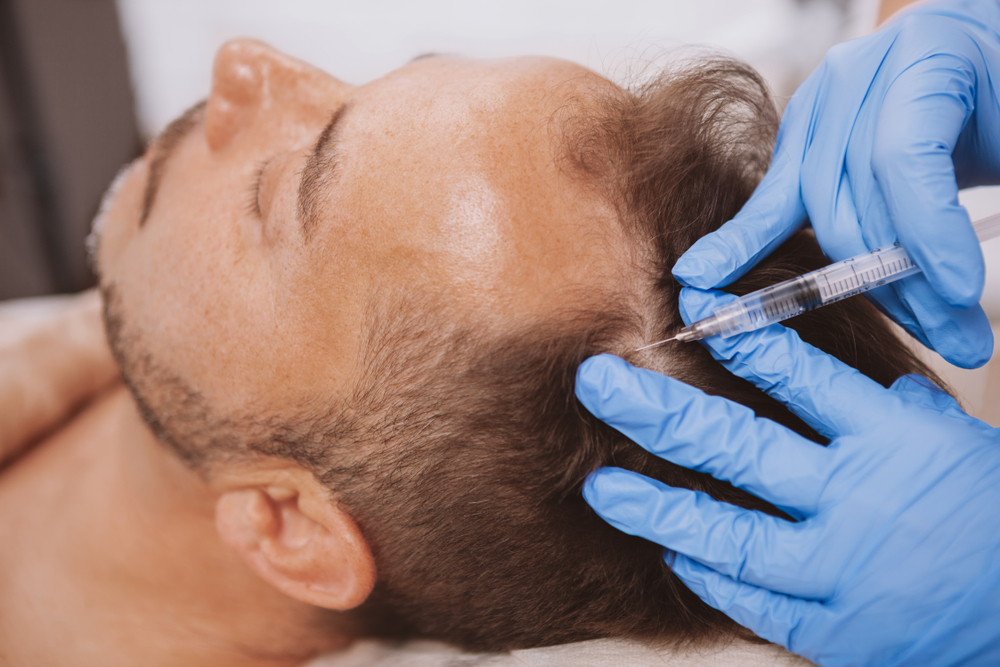
man trying PRP for hair loss near South Boston

Hair thinning and hair loss are concerns that affect millions of men and women, and they can take a serious toll on self-esteem and confidence. From receding hairlines to thinning crowns, hair loss can make people feel older or less vibrant than they really are.

Fortunately, modern treatments such as PRP (Platelet-Rich Plasma) therapy provide a non-surgical, minimally invasive option for hair restoration. 

PRP for hair loss near South Boston has emerged as a trusted and highly effective treatment for patients seeking natural, long-lasting results without the downtime or risks associated with surgical procedures.

What Is PRP for Hair Loss Near South Boston?

PRP therapy harnesses the body’s own healing properties to stimulate hair growth. The process begins with a small blood sample taken from the patient, which is then processed in a centrifuge to isolate platelet-rich plasma. 

This plasma is rich in growth factors that encourage cell regeneration, improve blood flow, and activate dormant hair follicles.

Once prepared, the concentrated plasma is injected into the scalp areas experiencing thinning or shedding. Because the procedure uses your own blood, PRP carries minimal risk of allergic reactions or complications. 

The treatment is non-surgical, virtually painless, and typically requires little to no recovery time, making it an ideal solution for individuals looking to restore hair naturally and safely.

Who Is a Good Candidate for PRP Hair Restoration?

PRP is most effective for men and women experiencing early to moderate hair loss. It is particularly beneficial for individuals with:

  • Androgenic alopecia (pattern hair loss)
  • Thinning hair caused by stress or hormonal imbalances
  • Areas of the scalp with active follicles that have not completely stopped producing hair

Patients with completely bald areas or advanced hair loss may see limited results, as PRP works by stimulating existing follicles rather than creating new ones from scratch. 

The ideal candidate is someone seeking a natural, non-surgical approach to hair restoration without scalp incisions or extended downtime.

What to Expect During a PRP Hair Treatment

You can expect a typical PRP session at Vibrant Dermatology & Aesthetics near South Boston lasts about 45 minutes and involves three main steps:

  1. Blood Draw & Preparation: Your blood is drawn and processed to concentrate the platelets.
  2. Scalp Injection: The PRP is carefully injected into the areas of thinning hair.
  3. Post-Treatment: Mild redness, tenderness, or slight swelling may occur, but patients can usually return to normal activities immediately.

Most treatment plans involve three to four sessions, spaced roughly one month apart, followed by maintenance treatments every six to twelve months to maximize and maintain results.

How Effective Is PRP for Hair Loss Near South Boston?

Clinical studies and real-world patient experiences show that PRP can improve hair density, thickness, and overall scalp health. 

Many patients notice a reduction in hair shedding within a few weeks, with visible regrowth appearing between three and six months after starting treatment. Because PRP stimulates the body’s natural healing mechanisms, results are gradual, subtle, and look completely natural.

For best results, PRP can be combined with a healthy hair care routine, proper nutrition, and lifestyle adjustments, which enhance the longevity of hair restoration.

Why Choose Vibrant Dermatology & Aesthetics

Patients near South Boston choose Vibrant Dermatology & Aesthetics because of the clinic’s expertise in hair restoration, individualized care plans, and commitment to achieving natural, effective outcomes. 

Each PRP treatment is tailored to the patient’s specific pattern of hair loss and personal goals, ensuring safe and satisfying results with minimal discomfort.

Restore Your Confidence Naturally With PRP for Hair Loss Near South Boston

If you’re struggling with hair thinning or hair loss, PRP therapy near South Boston at Vibrant Dermatology & Aesthetics offers a proven, non-surgical solution to restore thicker, healthier hair.

Call our office at (617) 250-0257 to speak with a member of our team or book an appointment online and discover how PRP can help you regain both your hair and your confidence naturally.

Cutting-Edge Hair Restoration Treatments Near South Boston

Hair Restoration Treatment Near South Boston

Hair thinning and loss are concerns that affect millions of people, regardless of gender. If you’re looking for modern hair restoration treatments near South Boston and effective ways to restore hair density, there are several advanced, non-surgical options now available.

Understanding Hair Loss and Its Underlying Causes

For men, male pattern baldness is one of the most common culprits, caused by genetic factors and the hormone DHT. DHT causes hair follicles to shrink over time, or miniaturize, especially in the crown or temple regions, leading to thinner hair that ceases to grow.

For women, rather than distinct patches, the hair may thin more diffusely. Hormonal changes, such as those from pregnancy or menopause, stress, and nutritional or thyroid issues also contribute. 

Advanced, Non-Surgical Hair Restoration Treatments Near South Boston

Here are some of the cutting-edge options that dermatologists are using to address hair loss more effectively than before:

Platelet-Rich Plasma (PRP) Therapy

One of the most exciting developments in hair restoration is PRP therapy. This treatment involves drawing a small amount of your own blood and processing it in a centrifuge to concentrate platelets and growth factors. 

These growth factors are then injected into the scalp at the level of hair follicles. PRP works by stimulating dormant follicles, increasing blood flow, and improving scalp health overall. 

Many patients start to see improvements in hair density, texture, and thickness after a few sessions, with continued gains over time.

PRP is particularly helpful for individuals in early to moderate stages of hair loss. It also works well in combination with other treatments. 

Low-Level Laser Therapy (LLLT)

Another non-invasive option gaining traction is Low-Level Laser Therapy. Also known as red-light therapy or LED-based treatments, LLLT uses light to penetrate the scalp and stimulate follicles. 

Its mechanism includes boosting circulation and helping follicles stay in their growth phase longer. Because it’s FDA-cleared and painless, many people use handheld or cap-based devices at home, or receive treatment in a clinic. 

Topical and Oral Treatments

Traditional treatments remain important, especially when used with newer therapies. Examples include:

  • Minoxidil (topical): Widely used over the counter, it helps prolong the hair growth phase and improve hair density.
  • Finasteride (oral): Works by inhibiting DHT production, which helps slow or reverse hair follicle shrinkage.

These treatments usually require ongoing use to maintain benefits. Stopping them often causes a return to prior levels of hair loss over time.

Limitations, Timing & What to Expect

As promising as these advancements are, there are important caveats:

  • Best results tend to come when treatments like PRP are started during early or moderate stages of hair loss; later stages, when many follicles are permanently lost, often respond less.
  • Consistency matters: PRP typically requires multiple sessions, often spaced weeks apart, plus maintenance treatments. You may need an initial series plus periodic follow-ups.
  • Results don’t come overnight. Any of these therapies may take several months to notice visible changes. Patience and adherence to the treatment plan are key.

What South Boston Patients Should Do

If you’re considering hair restoration near South Boston:

  1. Seek evaluation by a dermatologist who offers PRP, LLLT, and understands pattern hair loss.
  2. Ask for before-and-after photos of patients with similar hair loss severity.
  3. Check how many sessions the clinic recommends, the cost, and what the maintenance plan will be.
  4. Ensure realistic expectations—some thinning may be reversible; extensive baldness is harder to fully restore.

Book Your Cutting-Edge Hair Restoration Treatments Near South Boston

Ready to explore modern, evidence-based hair restoration near South Boston? Schedule a consultation with a trusted dermatologist to evaluate your hair loss pattern, discuss PRP, laser options, or combination treatments, and craft a personalized plan for thicker, fuller hair.

Call our office at (617) 250-0257 to speak with a member of our team or book an appointment online now!

Boston Hair Loss Specialist: Advanced Non-Surgical Therapies

man consulting with a Boston hair loss specialist

Shedding and thinning affects millions of Americans yearly, but a Boston hair loss specialist can help with advanced treatments that don’t require surgery.

Modern dermatology allows many patients to enhance hair growth and strengthen follicles through state-of-the-art non-surgical hair restoration therapies.

New devices and delivery systems are making it possible to see improvements in scalp health and hair density over time without downtime.

Innovations in Hair Restoration Technology With a Boston Hair Loss Specialist

A Boston hair loss specialist’s advanced non-surgical therapies have become in demand, with new technology constantly entering the market.

The past few years have brought exciting advances in tools and technology for hair loss treatment.

Digital scalp imaging and analysis can map out the exact pattern of thinning areas, helping specialists target the areas that will benefit most from therapy.

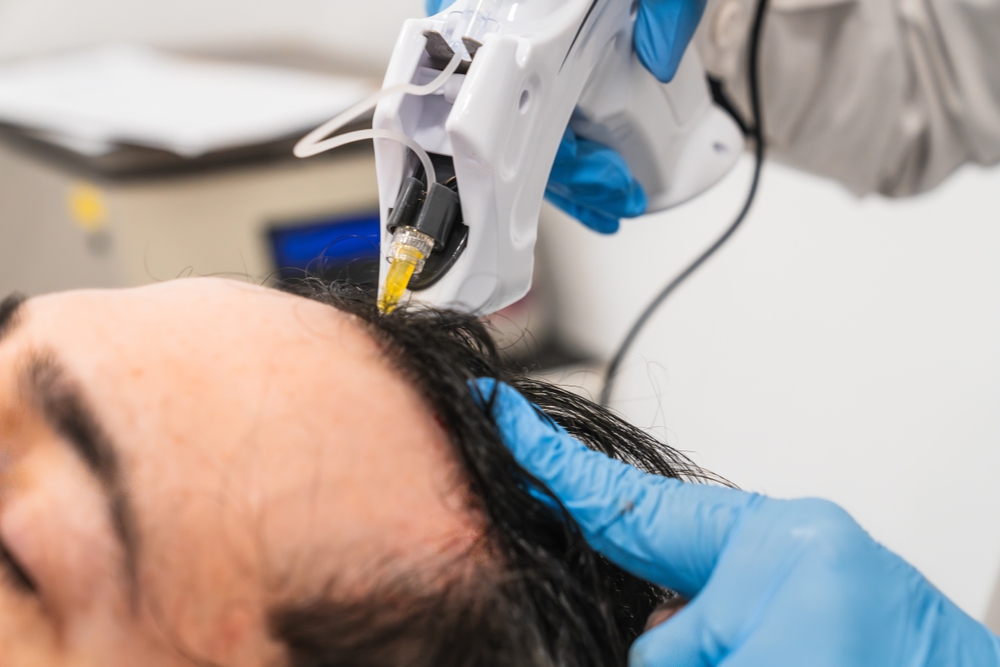
Devices like microneedling tools that deliver growth factors or light-based scalp treatments have improved the outcomes of non-surgical treatments.

The Science Behind Regenerative Therapy

Non-surgical therapies increasingly incorporate regenerative medicine techniques like platelet-rich plasma, or PRP.

This method uses your own plasma’s growth factors to stimulate follicle rejuvenation.

The PRP serum is concentrated to boost circulation and cellular regeneration and can be combined with other therapies for stronger results.

Nutrient Infusion and Follicle Stimulation

Another method to support healthier hair growth is to deliver targeted nutrients directly to the scalp.

Specialized infusions rich in peptides, vitamins, and minerals can penetrate the skin to nourish follicles.

These are often combined with techniques that create microchannels for more effective absorption, fortifying existing hair and creating a healthy environment for new growth.

Light-Based Therapies With Precision Targeting From a Boston Hair Loss Specialist

Boston hair loss specialists’ advanced non-surgical therapies include lasers and other light-based treatments that promote cellular activity.

Low-level laser therapy systems are now much more precise and deliver higher-density output for better coverage.

Higher-powered in-office lasers are often paired with lower-powered at-home devices for maintenance.

Customized Combination Protocols

Customized therapies often use multiple techniques in one plan, including PRP, nutrient infusions, light therapy, and more.

Some patients respond best to alternating treatments during the same appointment; others prefer phased sessions over months.

This allows a Boston hair loss specialist to tailor treatments for maximum results.

Supporting Results With Scalp Wellness Programs

Advanced non-surgical therapies work best when paired with ongoing scalp wellness routines.

Professional scalp exfoliation clears buildup and improves circulation for better absorption of active ingredients.

Hydration and detoxification therapies keep the scalp balanced and healthy.

Measuring Progress With Advanced Tools

Hair restoration progress can be hard to see, so clinics often use imaging tools to track changes over time.

Patients are often surprised to see increased density, coverage, and thickness when measured objectively.

Tracking progress also helps refine treatment plans and keep results on track.

Staying Committed for Lasting Results

Non-surgical hair restoration can take time, even with advanced methods.

Consistency with appointments, maintenance visits, and at-home care is critical for long-term benefits.

Patients who follow a program for six to twelve months typically see the best results, though maintenance is often needed.

Contact Us Today to Schedule Your Hair Consultation

Don’t wait any longer to get the hair you’ve always wanted.

Contact us now at 617-250-0257 to speak with our team or book your dermatology appointment online.

Your Guide to PRP Treatment With a West Roxbury Hair Loss Doctor

West Roxbury Hair Loss Doctor

A West Roxbury hair loss doctor can help patients explore one of the most effective non-surgical treatments for hair loss — platelet-rich plasma (PRP).

Losing hair is a problem that both men and women can experience at any age.

In this article, we will cover what PRP treatment is, who can benefit from it, and what you can expect throughout the process.

How PRP Works

PRP injections use your own blood to encourage hair growth.

A small sample is drawn and placed in a centrifuge to separate the plasma, which contains platelets, from the rest of the blood.

These growth factors stimulate thicker, healthier strands to grow.

Because the material comes from your own blood, the risk of allergic reaction is very low.

Who Can Benefit From PRP?

Your guide to PRP treatment often begins with your West Roxbury hair loss doctor identifying whether or not you’re a good candidate for the procedure.

The earlier or less advanced the hair loss, the better the results tend to be.

PRP is suitable for men and women and can help with genetic hair loss, postpartum shedding, and some types of alopecia.

However, it may not work as well in areas where follicles have been inactive for a long time.

The Treatment Process

The procedure is simple and usually performed in-office.

A small blood sample is taken, typically from the arm, then placed in a centrifuge.

The platelet-rich plasma is injected into thinning areas of the scalp.

The entire session often takes less than an hour and is well tolerated by most patients.

West Roxbury Hair Loss Doctor Explains the Benefits of PRP

This treatment can improve the thickness and density of hair while strengthening existing strands.

PRP enhances scalp health, creating a better environment for growth.

Recovery time is minimal, so most patients return to normal activities the same day.

Many see a boost in confidence as hair fullness returns.

Additional Therapies

A West Roxbury hair loss doctor may recommend combining PRP with other treatments for best results.

Options include topical medications such as minoxidil, low-level laser therapy, and prescription oral medications for hormonal hair loss.

Combination therapies often produce better results than a single treatment alone.

What to Expect with Aftercare

Some mild tenderness or redness may occur at injection sites for a day or two.

Patients are typically advised not to wash their hair for several hours after treatment and to avoid heavy exercise for the rest of the day.

Because recovery is quick, PRP is a great choice for busy schedules.

The Best Option for PRP

Since PRP uses your own blood, it is critical to work with a trained medical professional.

Choosing an experienced provider ensures the procedure is safe and effective.

A consultation with a West Roxbury hair loss doctor will confirm if PRP is right for you and allow for a personalized plan to meet your goals.

Visit Our West Roxbury Hair Loss Doctor Today!

Our friendly staff and top-rated doctors are ready to answer your questions and create a customized plan for your hair restoration needs.

Don’t wait any longer — contact us now at 617-250-0257 to speak with our team or book your dermatology appointment online.

Milton Hair Loss Specialist for Men: What Treatments Actually Work

Milton hair loss specialist for men

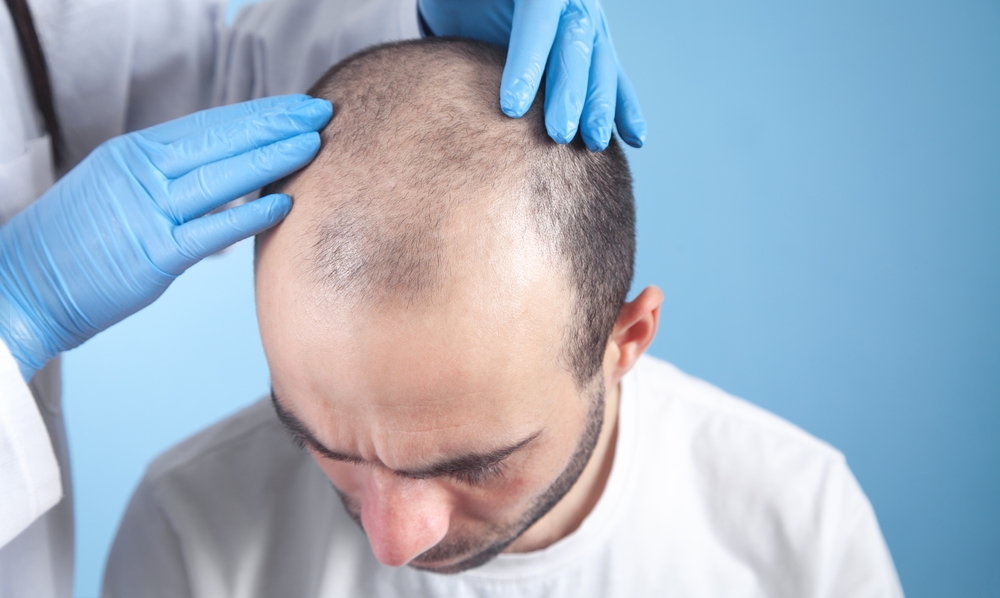
A Milton hair loss specialist for men can help address loss and thinning at all stages of life, whether caused by genetics, health issues, or lifestyle factors.

While going bald may be natural for some, treatments and procedures can slow, stop, or even reverse hair loss.

This article covers causes, treatments, and tips for men looking to maintain or restore their hair.

Hair Loss Causes and Treatment Options

Working with a Milton hair loss specialist for men gives you access to proven treatments and personalized guidance.

Hair loss is common and may stem from hereditary factors, hormonal changes, or other triggers.

Both genetic and non-genetic baldness can be managed with targeted therapies and procedures.

Genetic Hair Loss

Genetic male pattern baldness is the most frequent cause of hair loss, triggered by sensitivity to dihydrotestosterone (DHT).

Over time, the hair growth cycle slows, follicles shrink, and new hair stops growing, leading to thinning and baldness.

FDA-approved medications like minoxidil and finasteride are the most effective treatments for hereditary hair loss.

Minoxidil improves blood flow to the scalp to stimulate growth, while finasteride reduces DHT to protect existing hair.

Non-Genetic Causes of Hair Loss

A Milton hair loss specialist for men also treats non-genetic causes, which are often easier to manage than hereditary baldness.

Other common causes include:

  • Nutrition: Poor diet or deficiencies in iron, zinc, or vitamin D.
  • Disease: Autoimmune disorders and other health conditions.
  • Infection: Fungal scalp infections like ringworm.
  • Medication: Side effects from chemotherapy, blood thinners, or blood pressure drugs.
  • Stress: High stress can disrupt the hair growth cycle and increase shedding.

Treatment Options

Hair loss treatments depend on the cause and may involve medications, devices, or lifestyle changes.

Low-level laser therapy stimulates follicles noninvasively without surgery.

Platelet-rich plasma (PRP) injections and scalp microneedling can enhance regrowth and improve absorption of topical treatments.

Lifestyle adjustments such as balanced nutrition, gentle hair care, and stress management support better results.

Why Early Action Matters

A Milton hair loss specialist for men will stress that starting treatment early yields the best outcomes.

When addressed early, more follicles can be preserved and treatments work more effectively.

Beginning medication sooner may also reduce or eliminate the need for transplants.

Take the First Step and Visit Our Milton Hair Loss Specialist for Men

Men face many causes of hair loss, but proactive treatment makes a difference.

Advances in technology continue to make therapies more effective and less invasive.

Contact your local hair loss specialist to find the best solution for you.

Contact us now at 617-250-0257 to speak with our team or book your dermatology appointment online and start your hair restoration journey today.

Female Hair Loss in Quincy, MA: How to Treat It With the Help of a Dermatologist

woman experiencing female hair loss in Quincy MA

Female hair loss in Quincy, MA, is more common than many women think, and it can have a significant impact on self-confidence and emotional well-being.

While some hair shedding is normal, excessive thinning or bald patches should be evaluated by a medical professional.

With proper diagnosis and modern treatments, many women experience substantial improvement in thickness and overall hair health, making female hair loss a thing of the past.

Common Causes of Female Hair Loss in Quincy

Let’s take a closer look at the common causes of female hair loss in Quincy, MA and how a dermatologist can help treat it.

One of the most frequent causes is female pattern hair loss, related to genetics and hormonal changes.

Other triggers can include stress, thyroid imbalances, nutritional deficiencies, and some medications.

Autoimmune disorders such as alopecia areata can also cause patchy hair loss.

Pregnancy, menopause, or sudden illness can result in temporary shedding.

Determining the underlying cause is an important first step in finding the most effective treatment.

Early Action, Early Prevention

Early action for female hair loss in Quincy, MA, can be more successful when it begins with an early evaluation.

Hair follicles in a resting phase may not respond as well to treatment as those in active growth.

Initiating treatment early can slow or stop progression and increase the chances of regrowth.

Even if regrowth is limited, early treatment can help preserve existing hair.

Dermatologist Diagnostic Steps

A visual examination of the scalp often provides insight into potential causes.

Blood tests may check hormone levels, iron stores, or thyroid function.

In some cases, a small scalp biopsy may be performed to examine the hair follicles.

A review of medical history and lifestyle factors can also help uncover contributing factors.

With a comprehensive approach, dermatologists can develop a tailored treatment plan.

Non-Surgical Treatment Options

One of the most advanced and effective treatments for female hair loss is platelet-rich plasma (PRP) therapy.

The process involves taking a small amount of blood, concentrating the platelets, and injecting them into the scalp.

Topical medications such as minoxidil can also stimulate new growth when used consistently.

Laser light therapy uses low-level lasers to increase circulation and stimulate follicle activity.

Dermatologists often combine these methods to achieve the best results.

Treatments for Inflammatory Conditions

Inflammatory causes of female hair loss in Quincy, MA can be treated by addressing underlying inflammation.

Autoimmune-related hair loss may benefit from corticosteroid injections to reduce inflammation.

Medicated shampoos or topical treatments may control scalp irritation.

By reducing inflammation, the scalp becomes healthier and more supportive of growth.

Supporting Results with At-Home Care

Daily habits can help support results after treatment.

Gentle hair care, avoiding excessive heat styling, and using nourishing shampoos protect fragile hair.

A balanced diet with adequate protein, vitamins, and minerals promotes healthy growth.

Supplements may address nutritional deficiencies.

Stress management techniques such as relaxation exercises or meditation can benefit scalp health.

Realistic Expectations and Follow-Up Care

Hair growth is slow, and results may take several months to appear.

PRP treatments are spaced out and followed by maintenance sessions every six to twelve months.

Regular follow-ups monitor progress and allow for adjustments to the plan.

With time and consistent care, many women achieve thicker, healthier hair and greater confidence.

Say Goodbye to Female Hair Loss Near Quincy, MA, at Vibrant Dermatology

Don’t wait to make hair loss a thing of the past.

Call today to book your appointment with one of our specialists.

Contact us now at 617-250-0257 to speak with our team or book your dermatology appointment online.

  • 1
  • 2
  • 3
  • …
  • 6
  • Next Page »

Problems We Treat

In the Clear

Acne: Adults & Teens

lllumination

Hyperpigmentation, Sun Spots, Melasma

Red, Red Go Away

Rosacea, Facial Redness, Sensitive Skin

Tall Drink of Water

Excessively Dry Skin, Eczema

Fountain of Youth

Anti-Aging, Skin Rejuvenation

Mommy & Me Skin Care

For Pregnant & Nursing Mothers

Just for Kids

Skin Care For Those 12 & Under
Contact
Vibrant Dermatology
588 Providence Hwy
Dedham MA 02026
Phone: (617) 250-0257

Vibrant Dermatology
1 Central Ave.
Milton MA 02186
(entrance at 131 Eliot St.)
Phone: (617) 250-0257

© 2026 Vibrant Dermatology | Site Map | TOS/Privacy Policy | Vibrant Dermatology
book online