Vibrant Dermatology

Book SkinBar MD Book Dermatology
(617) 250-0257
MENU
  • HOME
  • SHOP
  • ABOUT US
    • Meet Dr. Ip
    • Meet Our Staff
    • Why Vibrant Dermatology
    • Dr. Ip In the News
    • Featured Videos
    • Blog
    • Get Dr. Ip’s E-Book
    • Gap Year Program
    • Contact Us
  • Patient Resources
    • Appointment Policies
    • Insurance Information
  • Before and Afters
  • (617) 250-0257
  • (617) 540-5524
  • online bill pay
  • Book an Appointment
  • Medical Dermatology
    • Acne
    • Allergic Reactions
    • Autoimmune Disorders
    • Benign Growths: Seborrheic Keratoses, Skin Tags
    • Birthmarks, Brown Spots, Moles
    • Cysts
    • Eczema/Rashes
    • Excessive Sweating (Hyperhidrosis)
    • Hair Loss
    • Hives
    • Hyperpigmentation/Brown Spots
    • Keloids
    • Lipomas
    • Melanoma
    • Melasma
    • Nail Fungus
    • Psoriasis
    • Scars
    • Shingles
    • Skin Cancer
    • Skin of Color
    • Vitiligo
  • Surgical Dermatology
    • Cyst Removal
    • Lipoma Removal
    • Mole and Benign Lesion Removal
    • Skin Cancer Surgery
  • Pediatric Dermatology
    • Acne
    • Birthmarks
    • Eczema
    • Moles and Brown Spots
    • Skin Allergies
    • Skin Cancer
  • Cosmetic Dermatology
    • Aqua Facial
    • Neurotoxin (Jeuveau)
    • Chemical Peels
    • Era Elite Laser
    • Hair Loss Treatment
    • IPL Treatment
    • Juvederm
    • Kerafactor
    • LaseMD
    • Laser Treatment for Facial Veins
    • Melasma & Hyperpigmentation Treatments
    • NeoClear Laser Acne Treatment
    • NeoSkin Skin Rejuvenation Treatment
    • Non Surgical Face Lift “Liquid Lift”
    • PRP Treatment
    • PRX Skin Revitalization
    • Radiesse
    • Restylane
    • RF Microneedling
    • Sculptra
    • Sofwave Skin Tightening
    • Stretch Marks Treatment
    • Scalp Revive
  • Wellness
    • Sexual Wellness
    • O-Shot
  • Home
  • Shop
  • About Us
    • Meet Dr. Ip
    • Meet Our Staff
    • Why Vibrant Dermatology
    • Dr. Ip In the News
    • Featured Videos
    • Blog
    • Get Dr. Ip’s E-Book
    • Gap Year Program
    • Contact Us
  • Services
    • Medical Dermatology Services
    • Surgical Dermatology
    • Pediatric Dermatology
    • Cosmetic Dermatology
    • Health and Wellness
      • Sexual Wellness in Dedham, MA
      • Weight Loss in Dedham, MA
  • Before and After Gallery
  • Book Appointment
  • All Products
  • Online Bill Pay

Book a Same-Day Dermatology Consultation Near Dorchester, MA

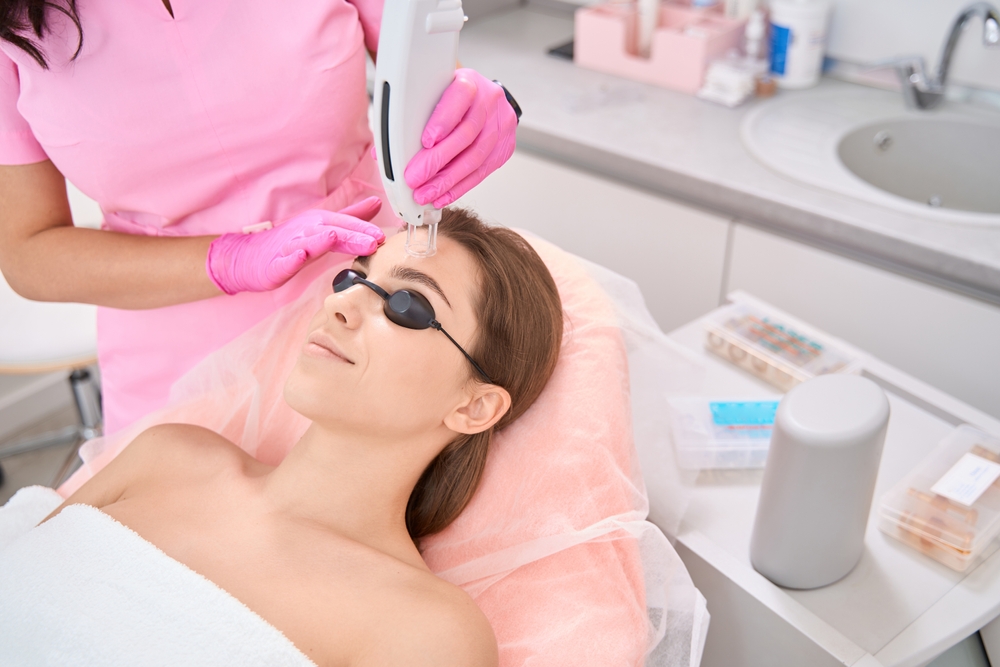
Same-Day Dermatology Consultation Dorchester MA

Skin issues come in all shapes and sizes, with some clearing up with over-the-counter creams, and others needing expert attention. If you’re looking for a same-day dermatology consultation near Dorchester, Massachusetts, and are noticing persistent skin, hair, or nail problems, knowing when to request an appointment can help you get relief sooner.

When to Consider Seeing a Dermatologist

Dermatologists are medical doctors who specialize in diagnosing and treating skin, hair, and nail diseases. They manage common issues like acne, warts, and rashes and other, more serious or recurring conditions.

If a condition persists despite treatment attempts, or if it’s getting worse, that’s a strong sign you need a specialist.

Board Certification Matters

Look for credentials like “FAAD” which signifies physicians recognized by the American Academy of Dermatology. These providers are more likely to give you an accurate diagnosis and effective treatment.

Referral from a primary care provider, or recommendations from family or friends, can help you find someone with a good reputation. Checking reviews and credentials online adds another layer of confidence.

Preparing for Your Same-Day Dermatology Consultation Near Dorchester, Massachusetts


Before your appointment, prepare a list of your symptoms, medical history, any prescription and over the counter medications you take regularly, and note when issues began. Bring photos if symptoms change over time.

During the visit, expect questions about what you’ve already tried, how the condition behaves, and whether there are risk factors for more serious skin disease. A full examination may include checking your whole skin, nails, or hair, not just the problematic area. 

What’s Next


If you’re struggling with a skin, hair, or nail issue that hasn’t improved, or one that’s concerning you, schedule a same-day dermatology consultation near Dorchester, Massachusetts, today. Choose a board-certified dermatologist who takes time to listen, evaluate properly, and get you on the path to clear, healthy skin.

Call our office at (617) 250-0257 to speak with a member of our team or book an appointment online now!

Cutting-Edge Hair Restoration Treatments Near South Boston

Hair Restoration Treatment Near South Boston

Hair thinning and loss are concerns that affect millions of people, regardless of gender. If you’re looking for modern hair restoration treatments near South Boston and effective ways to restore hair density, there are several advanced, non-surgical options now available.

Understanding Hair Loss and Its Underlying Causes

For men, male pattern baldness is one of the most common culprits, caused by genetic factors and the hormone DHT. DHT causes hair follicles to shrink over time, or miniaturize, especially in the crown or temple regions, leading to thinner hair that ceases to grow.

For women, rather than distinct patches, the hair may thin more diffusely. Hormonal changes, such as those from pregnancy or menopause, stress, and nutritional or thyroid issues also contribute. 

Advanced, Non-Surgical Hair Restoration Treatments Near South Boston

Here are some of the cutting-edge options that dermatologists are using to address hair loss more effectively than before:

Platelet-Rich Plasma (PRP) Therapy

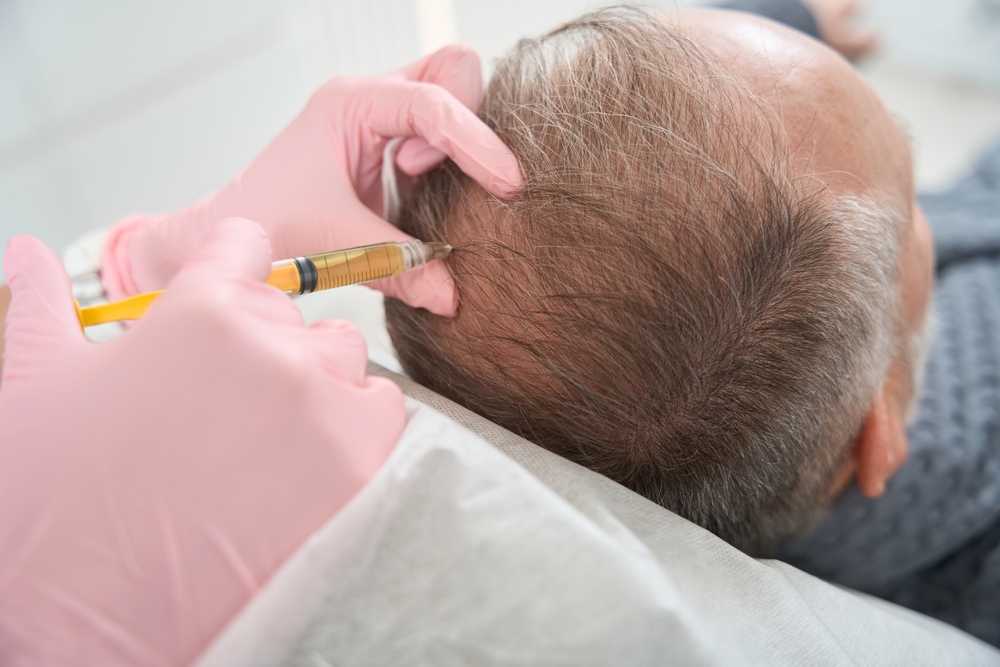
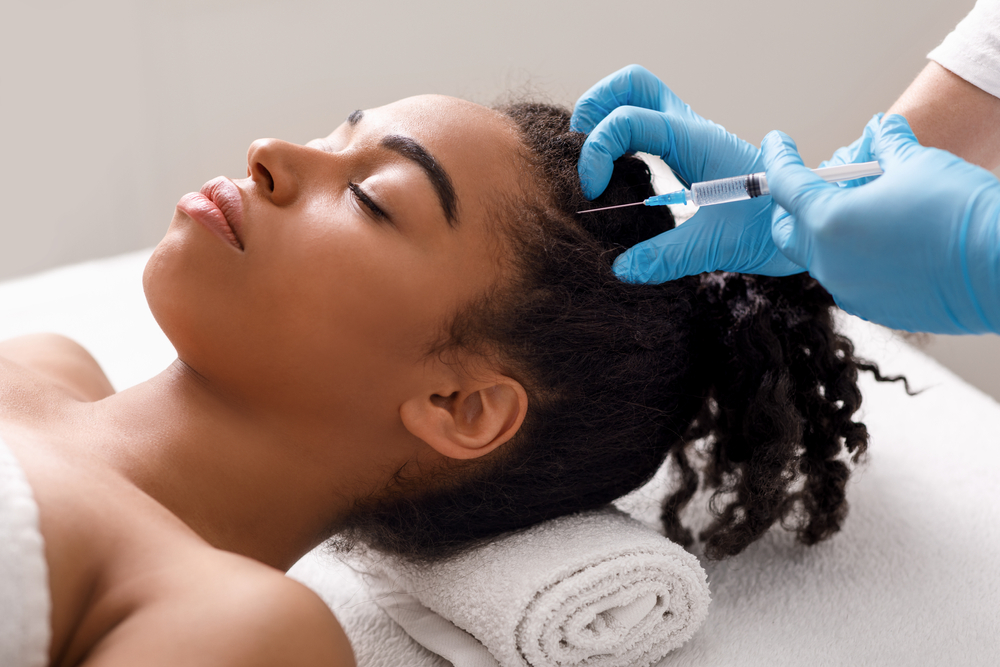
One of the most exciting developments in hair restoration is PRP therapy. This treatment involves drawing a small amount of your own blood and processing it in a centrifuge to concentrate platelets and growth factors. 

These growth factors are then injected into the scalp at the level of hair follicles. PRP works by stimulating dormant follicles, increasing blood flow, and improving scalp health overall. 

Many patients start to see improvements in hair density, texture, and thickness after a few sessions, with continued gains over time.

PRP is particularly helpful for individuals in early to moderate stages of hair loss. It also works well in combination with other treatments. 

Low-Level Laser Therapy (LLLT)

Another non-invasive option gaining traction is Low-Level Laser Therapy. Also known as red-light therapy or LED-based treatments, LLLT uses light to penetrate the scalp and stimulate follicles. 

Its mechanism includes boosting circulation and helping follicles stay in their growth phase longer. Because it’s FDA-cleared and painless, many people use handheld or cap-based devices at home, or receive treatment in a clinic. 

Topical and Oral Treatments

Traditional treatments remain important, especially when used with newer therapies. Examples include:

  • Minoxidil (topical): Widely used over the counter, it helps prolong the hair growth phase and improve hair density.
  • Finasteride (oral): Works by inhibiting DHT production, which helps slow or reverse hair follicle shrinkage.

These treatments usually require ongoing use to maintain benefits. Stopping them often causes a return to prior levels of hair loss over time.

Limitations, Timing & What to Expect

As promising as these advancements are, there are important caveats:

  • Best results tend to come when treatments like PRP are started during early or moderate stages of hair loss; later stages, when many follicles are permanently lost, often respond less.
  • Consistency matters: PRP typically requires multiple sessions, often spaced weeks apart, plus maintenance treatments. You may need an initial series plus periodic follow-ups.
  • Results don’t come overnight. Any of these therapies may take several months to notice visible changes. Patience and adherence to the treatment plan are key.

What South Boston Patients Should Do

If you’re considering hair restoration near South Boston:

  1. Seek evaluation by a dermatologist who offers PRP, LLLT, and understands pattern hair loss.
  2. Ask for before-and-after photos of patients with similar hair loss severity.
  3. Check how many sessions the clinic recommends, the cost, and what the maintenance plan will be.
  4. Ensure realistic expectations—some thinning may be reversible; extensive baldness is harder to fully restore.

Book Your Cutting-Edge Hair Restoration Treatments Near South Boston

Ready to explore modern, evidence-based hair restoration near South Boston? Schedule a consultation with a trusted dermatologist to evaluate your hair loss pattern, discuss PRP, laser options, or combination treatments, and craft a personalized plan for thicker, fuller hair.

Call our office at (617) 250-0257 to speak with a member of our team or book an appointment online now!

How to Find a Dermatology Appointment Near Boston with Minimal Wait Times

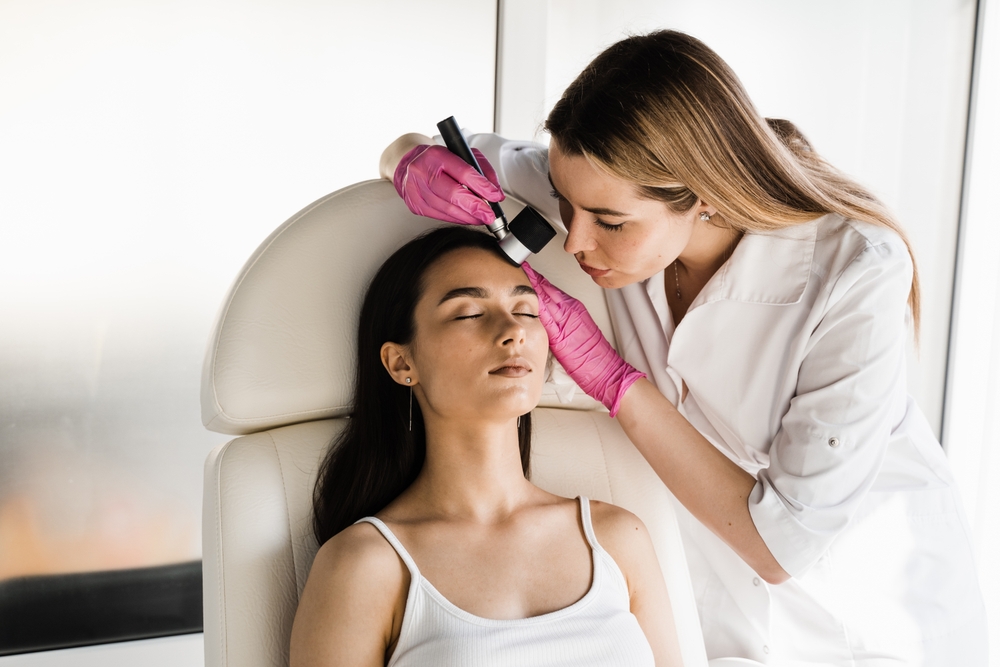
Dermatology Appointment Boston

Finding a dermatologist appointment near Boston with minimal wait times can seem overwhelming, but there are proven strategies to reduce wait times and get care sooner. Whether you’re suffering from acne, melasma or other skin conditions, his guide will help Boston-area patients find dermatology providers who are both qualified and accessible.

What to Look for When Choosing a Dermatologist Quickly

  • Get Referrals and Build a Shortlist: Start by asking trusted sources, such as your primary care physician, for dermatologist recommendations. Also check your health insurance plan directory to compile a short list of covered dermatologists and call their offices early in the week to check appointment availability. 
  • Research Credentials: Board certification is crucial as it ensures the doctor has undergone training and evaluation. Choosing someone who is board certified in dermatology increases likelihood of efficient and accurate care. 
  • Prioritize Experience: Experience matters, especially with your specific skin concerns. Be sure to ask how many cases like yours the dermatologist handles per month. Providers who do a particular procedure often have smoother processes and less wait time for follow-ups.
  • Check Hospital or Clinic Quality: A clinic’s hospital affiliations and their doctor’s reputations are strong indicators of quality care. Practices connected to high-quality hospitals tend to have better systems, staff, and administrative support, which often means shorter wait times and better coordination of appointments. 
  • Make Convenience Work for You: Location and logistics affect how soon you can get in. Look for dermatologists who offer evening or weekend hours and Telehealth or virtual visits to address more minor concerns. 
  • Communication Style Counts: A dermatologist who listens and communicates clearly often runs a more efficient practice. Smooth communication means fewer delays in evaluation and follow-up. During your initial consultation, observe how you are greeted and whether the staff seems responsive to your questions or concerns. If you need help assessing which dermatologist fits your needs and schedule, reach out to your shortlist and see how each practice responds to your questions.
  • Read Patient Reviews: Patient reviews can reveal a lot about wait times, scheduling flexibility, staff friendliness, and how busy the practice is generally. Finding the best practice for your personal concerns can come down to whether a majority of reviews mention long delays or short wait times and appointment flexibility.
  • Understand Your Insurance and Costs: Doctors in your insurance network generally offer faster scheduling because they receive more referrals from your insurer. Also, clarity about what your visit will cost may affect how quickly you commit to an appointment. 

Review your coverage and whether the office accepts your insurance.

Tips to Shorten the Wait Time at Dermatology Appointment Near Boston

  • Call early in the week, as many practices unlock new appointment slots on Mondays or Tuesdays.
  • Ask if there are last-minute cancellations or a wait list you can join. People often cancel, opening up appointments for new patients.
  • Be flexible with appointment types. If you can use a virtual consult, that may get you seen sooner.
  • Let the office know you have a time-sensitive skin issue, such as a changing mole or sudden rash. Providers often accommodate urgent needs faster.

By focusing your search on board certified dermatologists, checking reviews, verifying insurance participation, and doing significant and pointed research to filter by distance and availability, you significantly improve your chances of getting a dermatology appointment near Boston with less delay.

What to Do Next

Ready to get on the books with a dermatologist near Boston without months of waiting? Start by using your insurer’s directory to apply the tips above, narrow your search, and call practices today.

Call our office at (617) 250-0257 to speak with a member of our team or book an appointment online now!

Advanced Treatment Options for Sun-Damaged Skin Near Weymouth, MA

woman with sun-damaged skin near Weymouth MA

Sun damage, or photoaging, is the premature aging of skin caused by repeated exposure to UV rays from the sun or artificial sources like tanning beds. If you suffer from sun-damaged skin near Weymouth, Massachusetts, and are seeing uneven skin tone, wrinkles, or sun spots, there are advanced treatments that can significantly improve how your skin looks and feels. 

Understanding Photoaging and What To Watch For

Photoaging happens when both UVA and UVB sun exposure damages skin over time. Effects include dark spots, loss of elasticity, fine lines and wrinkles, rough or scaly patches, spider veins, and even lip lesions.

Signs often appear first in skin that gets frequent sun exposure, such as face, neck, chest, backs of hands, arms. If you notice persistent spots, changes in texture, or skin that loses its firmness or develops new rough patches, these are indications it may be time for more than just at-home care.

Advanced Treatment Options for Repairing Sun-Damaged Skin in Weymouth, Massachusetts

Dermatologists commonly use several medical and procedural treatments to repair sun-damaged skin. Below are advanced options that people in Weymouth, MA, may want to consider after consulting with a board-certified dermatologist:

  • Retinoids: Prescription-strength retinoids help encourage skin cell turnover and can improve fine lines and uneven pigment. They are foundational treatments for restoring smoother, younger-looking skin.
  • Lightening Agents: Certain topical agents can fade spots and discolorations. These are often used in conjunction with other treatments to even out skin tone.
  • Chemical Peels: Peels can remove the upper damaged layers of skin, helping to reduce spots, improve texture, and stimulate collagen. These are more aggressive than topical therapies but offer more dramatic visible improvement.
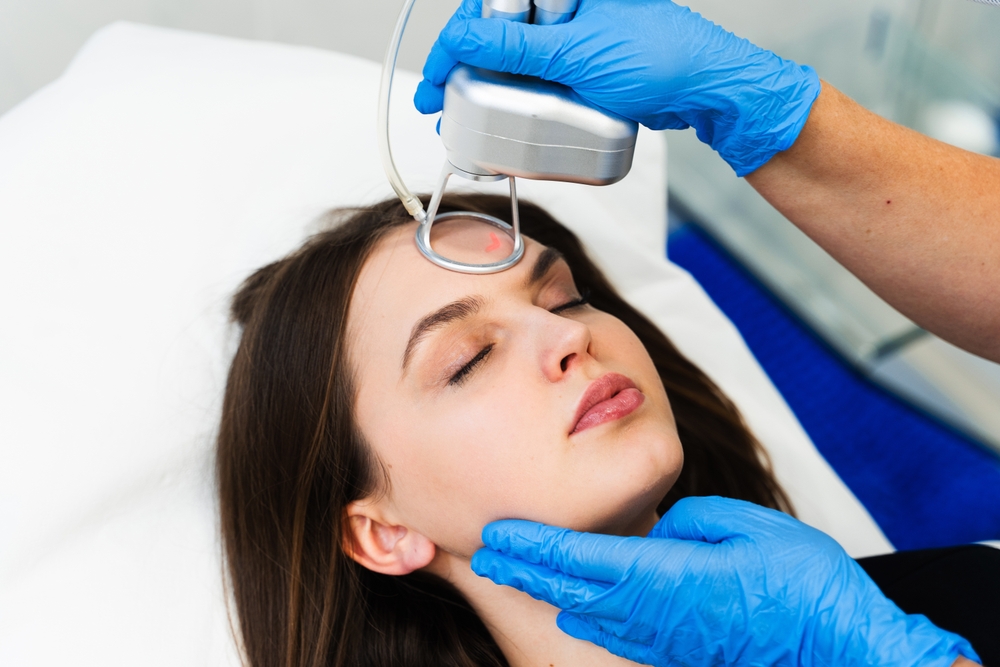
  • Laser Skin Resurfacing: Both ablative and non-ablative laser treatments can target deeper damage such as wrinkles, pigmented lesions, and rough texture. These lasers stimulate collagen and help smooth and rejuvenate skin appearance.
  • Dermabrasion: A more intense procedure, dermabrasion physically sands down the upper layers of skin. It can help smooth out deep wrinkles, actinic keratoses, and other surface irregularities. Because it’s more aggressive, it generally requires more recovery time.
  • Fillers: As photoaging causes loss of volume and sagging, dermal fillers can help restore plumpness and smooth out creases. This offers an aesthetic enhancement to complement skin surface treatments.

Assessing Risks & Recovery When Choosing a Treatment

Before proceeding with any advanced treatment, there are several important considerations:

  • Not all treatments are covered by insurance as many are considered cosmetic. It’s best to check with your insurance provider.
  • Skin type and pigmentation matter: people with darker skin tones may be more at risk for pigmentation changes or uneven results. A dermatologist will adjust treatment intensity accordingly.
  • Recovery time varies: more aggressive treatments like ablative lasers or dermabrasion can involve downtime, redness, peeling, and careful post-care.
  • Continued UV exposure will worsen damage and counteract treatment effects. Daily use of broad-spectrum sunscreen of SPF 30 or higher, protective clothing, and avoiding peak sun hours help protect results.

Combining Treatments for Best Results

Dermatologists often combine therapies to maximize improvement. For example, using retinoids and lightening agents before a laser or chemical peel can prepare the skin and improve outcomes. 

Fillers may be added later to restore volume once surface damage is addressed. Because photoaging has multiple components (pigmentation, wrinkles, loss of elasticity, texture), a multi-modal plan tailored to your skin’s condition tends to provide the best balance of improvement and durability.

What’s Next: Treat Sun-Damaged Skin Near Weymouth at Vibrant Dermatology

If you live in or near Weymouth, Massachusetts, and want to repair sun-damaged skin, schedule a skin consultation with a board-certified dermatologist today. Together, you can evaluate your skin’s condition, review advanced treatment options suitable for you, and start a customized plan to restore smoother, healthier skin.

Call our office at (617) 250-0257 to speak with a member of our team or book an appointment online now!

Boston Hair Loss Specialist: Advanced Non-Surgical Therapies

man consulting with a Boston hair loss specialist

Shedding and thinning affects millions of Americans yearly, but a Boston hair loss specialist can help with advanced treatments that don’t require surgery.

Modern dermatology allows many patients to enhance hair growth and strengthen follicles through state-of-the-art non-surgical hair restoration therapies.

New devices and delivery systems are making it possible to see improvements in scalp health and hair density over time without downtime.

Innovations in Hair Restoration Technology With a Boston Hair Loss Specialist

A Boston hair loss specialist’s advanced non-surgical therapies have become in demand, with new technology constantly entering the market.

The past few years have brought exciting advances in tools and technology for hair loss treatment.

Digital scalp imaging and analysis can map out the exact pattern of thinning areas, helping specialists target the areas that will benefit most from therapy.

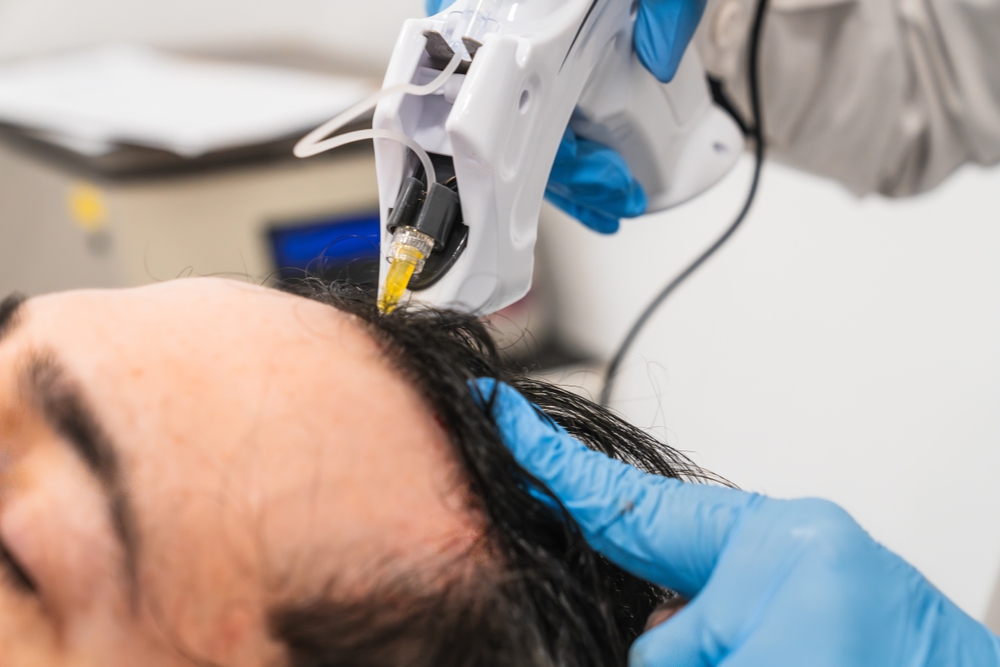
Devices like microneedling tools that deliver growth factors or light-based scalp treatments have improved the outcomes of non-surgical treatments.

The Science Behind Regenerative Therapy

Non-surgical therapies increasingly incorporate regenerative medicine techniques like platelet-rich plasma, or PRP.

This method uses your own plasma’s growth factors to stimulate follicle rejuvenation.

The PRP serum is concentrated to boost circulation and cellular regeneration and can be combined with other therapies for stronger results.

Nutrient Infusion and Follicle Stimulation

Another method to support healthier hair growth is to deliver targeted nutrients directly to the scalp.

Specialized infusions rich in peptides, vitamins, and minerals can penetrate the skin to nourish follicles.

These are often combined with techniques that create microchannels for more effective absorption, fortifying existing hair and creating a healthy environment for new growth.

Light-Based Therapies With Precision Targeting From a Boston Hair Loss Specialist

Boston hair loss specialists’ advanced non-surgical therapies include lasers and other light-based treatments that promote cellular activity.

Low-level laser therapy systems are now much more precise and deliver higher-density output for better coverage.

Higher-powered in-office lasers are often paired with lower-powered at-home devices for maintenance.

Customized Combination Protocols

Customized therapies often use multiple techniques in one plan, including PRP, nutrient infusions, light therapy, and more.

Some patients respond best to alternating treatments during the same appointment; others prefer phased sessions over months.

This allows a Boston hair loss specialist to tailor treatments for maximum results.

Supporting Results With Scalp Wellness Programs

Advanced non-surgical therapies work best when paired with ongoing scalp wellness routines.

Professional scalp exfoliation clears buildup and improves circulation for better absorption of active ingredients.

Hydration and detoxification therapies keep the scalp balanced and healthy.

Measuring Progress With Advanced Tools

Hair restoration progress can be hard to see, so clinics often use imaging tools to track changes over time.

Patients are often surprised to see increased density, coverage, and thickness when measured objectively.

Tracking progress also helps refine treatment plans and keep results on track.

Staying Committed for Lasting Results

Non-surgical hair restoration can take time, even with advanced methods.

Consistency with appointments, maintenance visits, and at-home care is critical for long-term benefits.

Patients who follow a program for six to twelve months typically see the best results, though maintenance is often needed.

Contact Us Today to Schedule Your Hair Consultation

Don’t wait any longer to get the hair you’ve always wanted.

Contact us now at 617-250-0257 to speak with our team or book your dermatology appointment online.

Treat Psoriasis and Eczema With the Help of a Skin Specialist in Boston, MA

skin specialist Boston

Psoriasis and eczema are among the most common chronic skin diseases, but a skin specialist in Boston, MA, will tell you they are not the same.

While both conditions can appear similar at first, there are important differences between the two.

Learning how eczema differs from psoriasis is essential to establishing the most effective dermatologist care plan.

Psoriasis vs. Eczema

Psoriasis is an immune-mediated condition that speeds up skin cell turnover and causes red, thick, and scaly patches to form.

Eczema, or atopic dermatitis, is due to an overactive immune system and a fragile skin barrier. Eczema presents with dry, red, and itchy patches on the skin.

Psoriasis plaques are often silvery, while eczema patches are red and inflamed. Eczema rashes can ooze and crust over when scratched during a flare-up.

Psoriasis and eczema are different, with eczema being more common in children and psoriasis affecting all ages. Identifying flare triggers is an important first step in developing an individualized treatment plan.

Psoriasis and Eczema Treatment With a Skin Specialist in Boston, MA

Psoriasis and eczema can both be unpredictable conditions, with flare-ups occurring in response to various factors.

Treatment will begin by examining the skin and affected areas.

Dermatologists will ask about symptom patterns, family history, and any other health conditions. A skin biopsy may be performed to confirm the diagnosis and rule out other skin disorders.

Keeping a symptom diary can help patients and their providers identify common triggers and patterns in their condition. Common triggers include stress, infections, certain foods, or skin injuries.

Psoriasis Treatment

Treatment for psoriasis focuses on slowing skin turnover and reducing inflammation.

Topical medications are the first line of treatment for mild psoriasis. Options include corticosteroids, vitamin D analogs, and coal tar preparations.

Psoriasis and eczema treatment with a skin specialist in Boston, MA, may also involve light therapy, also known as phototherapy, which uses controlled ultraviolet light to calm the immune system.

Oral medications or biologics can be prescribed for moderate to severe psoriasis.

Eczema Treatment

Eczema treatment aims to repair the skin barrier and reduce inflammation.

Moisturizing the skin is the cornerstone of eczema care. Patients should moisturize daily with a fragrance-free cream or ointment.

Topical corticosteroids or calcineurin inhibitors can be prescribed to help control inflammation during flare-ups.

In more severe or unresponsive cases, oral medications or biologics may be used to help manage symptoms. Patients should also avoid triggers and practice gentle skincare.

Combining Eczema and Psoriasis Treatments

Psoriasis and eczema treatment with a skin specialist in Boston, MA, often involves a combination of therapies.

A patient may use a topical medication for immediate relief while pursuing long-term treatment such as light therapy or biologics.

Stress reduction, diet changes, and other lifestyle modifications may also be recommended.

Dermatologists will work with patients to find the right combination of treatments for their unique needs.

Consistent Care for Psoriasis and Eczema

Psoriasis and eczema are chronic diseases that cannot be cured. This means that ongoing treatment and care are necessary, even when symptoms have resolved.

Regular follow-up visits with a dermatologist allow for treatment adjustments, monitoring of side effects, and prevention of flare-ups.

Staying on top of a treatment plan can lead to longer periods of clear skin and fewer daily life disruptions.

Living With a Chronic Skin Condition

A lifelong diagnosis of psoriasis or eczema is a reality for many, but it does not have to get in the way of living a full and happy life.

A good relationship with a skin specialist can help keep care up to date on the latest treatment options and research.

Education, awareness, and taking an active role in skin care can make a significant difference in managing symptoms and quality of life.

Get the Treatment You Deserve: Visit Our Skin Specialist Near Boston

You deserve to look and feel your best. Now is the time to take control of your chronic skin condition and feel confident once again.

Contact us now at 617-250-0257 to speak with our team or book your dermatology appointment online.

Teens & Adults: Your Guide to Acne Treatment in Milton, MA

acne treatment Milton MA

Acne treatment in Milton, MA, can help with one of the most frustrating and persistent skin conditions for teens and adults alike.

Age plays a big role in how acne appears and responds to treatment, so one of the first questions a dermatologist will ask is, “How old are you?”

Acne can range from teenage breakouts caused by hormone changes to adult stress acne or pregnancy-related flare-ups.

For effective results, it’s important to find a dermatologist who can match the right treatment to the right stage of life.

How Does Teen Acne Differ from Adult Acne?

For teens and adults, your guide to acne treatment in Milton, MA, can look both strikingly similar and totally different.

Hormonal fluctuations cause oil glands to become overactive, clogging pores and causing breakouts.

While acne can occur anywhere, teens often develop blemishes on the forehead, nose, and chin, but the chest and back can also be affected.

Adult acne often appears on the lower face and jawline.

What Are the Common Causes in Different Age Groups?

The first step in acne treatment is finding the cause.

For teens, excess oil and bacteria are often the main culprits.

In adults, hormonal changes, stress, certain foods or drinks, or sensitivity to ingredients may also play a role.

Once a dermatologist identifies the cause, it’s easier to target treatment — whether for oil control, hormone balance, or reducing inflammation.

What Are Some In-Office Acne Treatments in Milton, MA, for Clearer Skin?

For teens and adults, your guide to acne treatment in Milton, MA includes several effective in-office options.

Chemical peels help unblock pores and improve texture.

Light and laser therapies can kill bacteria and reduce redness and inflammation.

Corticosteroid injections treat severe breakouts that need quick relief.

Prescription topicals and oral medications may also be included in the plan.

What At-Home Routines Support Treatment?

Maintaining a proper at-home routine supports professional care.

Gentle cleansing twice a day keeps pores clear and reduces bacteria without overdrying.

Non-comedogenic moisturizers protect the skin barrier and prevent dryness.

Sun protection is critical because many acne treatments increase sensitivity to sunlight.

Are There Hormonal or Systemic Treatment Options?

Sometimes, treating acne requires a more comprehensive approach, especially for adults.

Hormonal therapies, such as birth control pills, can balance oil production when hormones are the cause.

Severe or resistant acne may require oral isotretinoin, supervised by a dermatologist, to achieve long-term results.

For teens and adults, your guide to acne treatment in Milton, MA, often includes these options when other treatments have failed.

Why Is Individualized Care Important?

Every patient’s acne is different, so personalized care is essential.

A good dermatologist will customize a plan based on unique features and follow up regularly to assess progress.

Adjustments to medications, skincare routines, or new treatments are common as needs change.

With consistent care, most teens and adults can achieve clear, healthy-looking skin.

Get Your Individualized Acne Treatment in Milton, MA, Today!

Contact us now at 617-250-0257 to speak with our team or book your dermatology appointment online.

Dr. Ip and the friendly staff at Vibrant Dermatology are ready to help you achieve the clear complexion you’ve always wanted.

Make the call today, and let us take care of the rest.

Your Guide to PRP Treatment With a West Roxbury Hair Loss Doctor

West Roxbury Hair Loss Doctor

A West Roxbury hair loss doctor can help patients explore one of the most effective non-surgical treatments for hair loss — platelet-rich plasma (PRP).

Losing hair is a problem that both men and women can experience at any age.

In this article, we will cover what PRP treatment is, who can benefit from it, and what you can expect throughout the process.

How PRP Works

PRP injections use your own blood to encourage hair growth.

A small sample is drawn and placed in a centrifuge to separate the plasma, which contains platelets, from the rest of the blood.

These growth factors stimulate thicker, healthier strands to grow.

Because the material comes from your own blood, the risk of allergic reaction is very low.

Who Can Benefit From PRP?

Your guide to PRP treatment often begins with your West Roxbury hair loss doctor identifying whether or not you’re a good candidate for the procedure.

The earlier or less advanced the hair loss, the better the results tend to be.

PRP is suitable for men and women and can help with genetic hair loss, postpartum shedding, and some types of alopecia.

However, it may not work as well in areas where follicles have been inactive for a long time.

The Treatment Process

The procedure is simple and usually performed in-office.

A small blood sample is taken, typically from the arm, then placed in a centrifuge.

The platelet-rich plasma is injected into thinning areas of the scalp.

The entire session often takes less than an hour and is well tolerated by most patients.

West Roxbury Hair Loss Doctor Explains the Benefits of PRP

This treatment can improve the thickness and density of hair while strengthening existing strands.

PRP enhances scalp health, creating a better environment for growth.

Recovery time is minimal, so most patients return to normal activities the same day.

Many see a boost in confidence as hair fullness returns.

Additional Therapies

A West Roxbury hair loss doctor may recommend combining PRP with other treatments for best results.

Options include topical medications such as minoxidil, low-level laser therapy, and prescription oral medications for hormonal hair loss.

Combination therapies often produce better results than a single treatment alone.

What to Expect with Aftercare

Some mild tenderness or redness may occur at injection sites for a day or two.

Patients are typically advised not to wash their hair for several hours after treatment and to avoid heavy exercise for the rest of the day.

Because recovery is quick, PRP is a great choice for busy schedules.

The Best Option for PRP

Since PRP uses your own blood, it is critical to work with a trained medical professional.

Choosing an experienced provider ensures the procedure is safe and effective.

A consultation with a West Roxbury hair loss doctor will confirm if PRP is right for you and allow for a personalized plan to meet your goals.

Visit Our West Roxbury Hair Loss Doctor Today!

Our friendly staff and top-rated doctors are ready to answer your questions and create a customized plan for your hair restoration needs.

Don’t wait any longer — contact us now at 617-250-0257 to speak with our team or book your dermatology appointment online.

Milton Hair Loss Specialist for Men: What Treatments Actually Work

Milton hair loss specialist for men

A Milton hair loss specialist for men can help address loss and thinning at all stages of life, whether caused by genetics, health issues, or lifestyle factors.

While going bald may be natural for some, treatments and procedures can slow, stop, or even reverse hair loss.

This article covers causes, treatments, and tips for men looking to maintain or restore their hair.

Hair Loss Causes and Treatment Options

Working with a Milton hair loss specialist for men gives you access to proven treatments and personalized guidance.

Hair loss is common and may stem from hereditary factors, hormonal changes, or other triggers.

Both genetic and non-genetic baldness can be managed with targeted therapies and procedures.

Genetic Hair Loss

Genetic male pattern baldness is the most frequent cause of hair loss, triggered by sensitivity to dihydrotestosterone (DHT).

Over time, the hair growth cycle slows, follicles shrink, and new hair stops growing, leading to thinning and baldness.

FDA-approved medications like minoxidil and finasteride are the most effective treatments for hereditary hair loss.

Minoxidil improves blood flow to the scalp to stimulate growth, while finasteride reduces DHT to protect existing hair.

Non-Genetic Causes of Hair Loss

A Milton hair loss specialist for men also treats non-genetic causes, which are often easier to manage than hereditary baldness.

Other common causes include:

  • Nutrition: Poor diet or deficiencies in iron, zinc, or vitamin D.
  • Disease: Autoimmune disorders and other health conditions.
  • Infection: Fungal scalp infections like ringworm.
  • Medication: Side effects from chemotherapy, blood thinners, or blood pressure drugs.
  • Stress: High stress can disrupt the hair growth cycle and increase shedding.

Treatment Options

Hair loss treatments depend on the cause and may involve medications, devices, or lifestyle changes.

Low-level laser therapy stimulates follicles noninvasively without surgery.

Platelet-rich plasma (PRP) injections and scalp microneedling can enhance regrowth and improve absorption of topical treatments.

Lifestyle adjustments such as balanced nutrition, gentle hair care, and stress management support better results.

Why Early Action Matters

A Milton hair loss specialist for men will stress that starting treatment early yields the best outcomes.

When addressed early, more follicles can be preserved and treatments work more effectively.

Beginning medication sooner may also reduce or eliminate the need for transplants.

Take the First Step and Visit Our Milton Hair Loss Specialist for Men

Men face many causes of hair loss, but proactive treatment makes a difference.

Advances in technology continue to make therapies more effective and less invasive.

Contact your local hair loss specialist to find the best solution for you.

Contact us now at 617-250-0257 to speak with our team or book your dermatology appointment online and start your hair restoration journey today.

Female Hair Loss in Quincy, MA: How to Treat It With the Help of a Dermatologist

woman experiencing female hair loss in Quincy MA

Female hair loss in Quincy, MA, is more common than many women think, and it can have a significant impact on self-confidence and emotional well-being.

While some hair shedding is normal, excessive thinning or bald patches should be evaluated by a medical professional.

With proper diagnosis and modern treatments, many women experience substantial improvement in thickness and overall hair health, making female hair loss a thing of the past.

Common Causes of Female Hair Loss in Quincy

Let’s take a closer look at the common causes of female hair loss in Quincy, MA and how a dermatologist can help treat it.

One of the most frequent causes is female pattern hair loss, related to genetics and hormonal changes.

Other triggers can include stress, thyroid imbalances, nutritional deficiencies, and some medications.

Autoimmune disorders such as alopecia areata can also cause patchy hair loss.

Pregnancy, menopause, or sudden illness can result in temporary shedding.

Determining the underlying cause is an important first step in finding the most effective treatment.

Early Action, Early Prevention

Early action for female hair loss in Quincy, MA, can be more successful when it begins with an early evaluation.

Hair follicles in a resting phase may not respond as well to treatment as those in active growth.

Initiating treatment early can slow or stop progression and increase the chances of regrowth.

Even if regrowth is limited, early treatment can help preserve existing hair.

Dermatologist Diagnostic Steps

A visual examination of the scalp often provides insight into potential causes.

Blood tests may check hormone levels, iron stores, or thyroid function.

In some cases, a small scalp biopsy may be performed to examine the hair follicles.

A review of medical history and lifestyle factors can also help uncover contributing factors.

With a comprehensive approach, dermatologists can develop a tailored treatment plan.

Non-Surgical Treatment Options

One of the most advanced and effective treatments for female hair loss is platelet-rich plasma (PRP) therapy.

The process involves taking a small amount of blood, concentrating the platelets, and injecting them into the scalp.

Topical medications such as minoxidil can also stimulate new growth when used consistently.

Laser light therapy uses low-level lasers to increase circulation and stimulate follicle activity.

Dermatologists often combine these methods to achieve the best results.

Treatments for Inflammatory Conditions

Inflammatory causes of female hair loss in Quincy, MA can be treated by addressing underlying inflammation.

Autoimmune-related hair loss may benefit from corticosteroid injections to reduce inflammation.

Medicated shampoos or topical treatments may control scalp irritation.

By reducing inflammation, the scalp becomes healthier and more supportive of growth.

Supporting Results with At-Home Care

Daily habits can help support results after treatment.

Gentle hair care, avoiding excessive heat styling, and using nourishing shampoos protect fragile hair.

A balanced diet with adequate protein, vitamins, and minerals promotes healthy growth.

Supplements may address nutritional deficiencies.

Stress management techniques such as relaxation exercises or meditation can benefit scalp health.

Realistic Expectations and Follow-Up Care

Hair growth is slow, and results may take several months to appear.

PRP treatments are spaced out and followed by maintenance sessions every six to twelve months.

Regular follow-ups monitor progress and allow for adjustments to the plan.

With time and consistent care, many women achieve thicker, healthier hair and greater confidence.

Say Goodbye to Female Hair Loss Near Quincy, MA, at Vibrant Dermatology

Don’t wait to make hair loss a thing of the past.

Call today to book your appointment with one of our specialists.

Contact us now at 617-250-0257 to speak with our team or book your dermatology appointment online.

  • « Previous Page
  • 1
  • …
  • 5
  • 6
  • 7
  • 8
  • 9
  • …
  • 42
  • Next Page »

Problems We Treat

In the Clear

Acne: Adults & Teens

lllumination

Hyperpigmentation, Sun Spots, Melasma

Red, Red Go Away

Rosacea, Facial Redness, Sensitive Skin

Tall Drink of Water

Excessively Dry Skin, Eczema

Fountain of Youth

Anti-Aging, Skin Rejuvenation

Mommy & Me Skin Care

For Pregnant & Nursing Mothers

Just for Kids

Skin Care For Those 12 & Under
Contact
Vibrant Dermatology
588 Providence Hwy
Dedham MA 02026
Phone: (617) 250-0257

Vibrant Dermatology
1 Central Ave.
Milton MA 02186
(entrance at 131 Eliot St.)
Phone: (617) 250-0257

© 2026 Vibrant Dermatology | Site Map | TOS/Privacy Policy | Vibrant Dermatology
book online