Vibrant Dermatology

Book SkinBar MD Book Dermatology
(617) 250-0257
MENU
  • HOME
  • SHOP
  • ABOUT US
    • Meet Dr. Ip
    • Meet Our Staff
    • Why Vibrant Dermatology
    • Dr. Ip In the News
    • Featured Videos
    • Blog
    • Get Dr. Ip’s E-Book
    • Gap Year Program
    • Contact Us
  • Patient Resources
    • Appointment Policies
    • Insurance Information
  • Before and Afters
  • (617) 250-0257
  • (617) 540-5524
  • online bill pay
  • Book an Appointment
  • Medical Dermatology
    • Acne
    • Allergic Reactions
    • Autoimmune Disorders
    • Benign Growths: Seborrheic Keratoses, Skin Tags
    • Birthmarks, Brown Spots, Moles
    • Cysts
    • Eczema/Rashes
    • Excessive Sweating (Hyperhidrosis)
    • Hair Loss
    • Hives
    • Hyperpigmentation/Brown Spots
    • Keloids
    • Lipomas
    • Melanoma
    • Melasma
    • Nail Fungus
    • Psoriasis
    • Scars
    • Shingles
    • Skin Cancer
    • Skin of Color
    • Vitiligo
  • Surgical Dermatology
    • Cyst Removal
    • Lipoma Removal
    • Mole and Benign Lesion Removal
    • Skin Cancer Surgery
  • Pediatric Dermatology
    • Acne
    • Birthmarks
    • Eczema
    • Moles and Brown Spots
    • Skin Allergies
    • Skin Cancer
  • Cosmetic Dermatology
    • Aqua Facial
    • Neurotoxin (Jeuveau)
    • Chemical Peels
    • Era Elite Laser
    • Hair Loss Treatment
    • IPL Treatment
    • Juvederm
    • Kerafactor
    • LaseMD
    • Laser Treatment for Facial Veins
    • Melasma & Hyperpigmentation Treatments
    • NeoClear Laser Acne Treatment
    • NeoSkin Skin Rejuvenation Treatment
    • Non Surgical Face Lift “Liquid Lift”
    • PRP Treatment
    • PRX Skin Revitalization
    • Radiesse
    • Restylane
    • RF Microneedling
    • Sculptra
    • Sofwave Skin Tightening
    • Stretch Marks Treatment
    • Scalp Revive
  • Wellness
    • Sexual Wellness
    • O-Shot
  • Home
  • Shop
  • About Us
    • Meet Dr. Ip
    • Meet Our Staff
    • Why Vibrant Dermatology
    • Dr. Ip In the News
    • Featured Videos
    • Blog
    • Get Dr. Ip’s E-Book
    • Gap Year Program
    • Contact Us
  • Services
    • Medical Dermatology Services
    • Surgical Dermatology
    • Pediatric Dermatology
    • Cosmetic Dermatology
    • Health and Wellness
      • Sexual Wellness in Dedham, MA
      • Weight Loss in Dedham, MA
  • Before and After Gallery
  • Book Appointment
  • All Products
  • Online Bill Pay

Here Comes The Bride

skincare Needham MA

A Dermatologist’s Guide to Picture Perfect Skin for Your Wedding Day

Wedding season will be here soon which means it’s time to start getting your skin in the best shape.  By starting early we can ensure that your skin will be naturally healthy and glowing.

Skin care regimen

For starters, it is important that you start with a basic skin care regimen that includes a gentle to mild cleanser twice daily followed by moisturizer (with SPF in the morning).  I also suggest a gentle exfoliation once weekly and like to add in a hydrating serum in the morning to help accomplish a  dewy well moisturized complexion.

Diet & exercise

It’s a common theme that brides go into ‘diet’ mode to get in the best shape for their big day.  By restricting your diet you will starve your body of nutrients and could leave your skin looking dull and damaged.  Focus on healthy food choices with lots of variety and don’t starve yourself.

Sweating is actually really good for the skin and can help to flush out toxins and impurities.  If you’re planning to step up your gym activities, make sure wash with a gentle cleanser post sweat-session.

Visit the dermatologist

A few months before your big event, schedule a consultation with your dermatologist to discuss any areas that you would like to treat before the wedding.  Some brides contact me six to twelve months before the wedding!  You can never start too early here.  Your dermatologist will suggest a plan for you that is tailored to your specific needs and skin type.  A few things that brides are often interested in:

Chemical Peels – This is my preferred way to get rid of dead skin cells.  By eliminating the dead cells you will reveal healthier, glowing skin.  If you’re worried about looking like Samantha from Sex and the City, fear not!  Check out my post on Chemical Peels (link) for more information.  Remember to schedule your last peel at least two weeks before the wedding.

Laser Treatments – If there is enough time before the wedding, a laser can help to reduce brown spots, acne scars and facial redness from veins.  It may take multiple appointments for a laser to be effective. 

Acne Treatment – Acne can be troubling for anybody, but for a bride ready to walk down the aisle, a pimple can be devastating.  A good makeup artist can cover anything, but the healthier your skin, the more likely you won’t have to worry about a last minute spot!  Check out my series on acne to get started with a plan of action to clear your skin once and for all, and if you think you need additional help to clear your skin, schedule an appointment with a dermatologist. 

Eye brows

Consult with a brow specialist a few months before your wedding date so that you can start building the perfect look that you want for your wedding.  It can take time for sculpt a brow or to grow back sparse spots so starting early is important.  If you want to thicken your eyebrows (or eyelashes), LASH is a great option for this. 

Also, if you plan to use waxing to shape your brows, make sure that you aren’t overlapping treatments with your wax appointments and that you consider the effects of any medications you are taking.  Take it from somebody who has had her eyebrows burned off, planning for wax appointments is critical!  Check out these ten things you should know before getting your face waxed that I shared with Good Housekeeping .

Tanning

Whatever you do, please please please do not try to ‘build up’ a base tan in a tanning bed.  These are cancer machines and it just is not worth the risk.  If you really think your skin is too pale and needs a boost, find a professional air bronzer who can tailor a shade to suit your skin color.  You will end up with a safe, natural result.

Last minute treatments

Don’t wait until the last minute to schedule any treatments – especially facials, eyebrow shaping, and spray tan.  It’s important that the skin have some time to settle after a treatment and you may end up with some irritation or redness that you wouldn’t want present on your wedding day.

Are you getting married this summer?  Do you have a treatment plan for your skin?  Questions about where to start?  I’d love to hear in the comments below!

Dermatologist Boston

Hyde Park Dermatology

Black Dermatologist

Canton Dermatologists

African American Dermatologist


Eczema versus Food Allergies

Baby rashes are a part of the experience of raising a child.  One of the not-so-fun experiences.  As a mom to two young children, I’ve been there.  Baby gets a rash and you stress.  What’s the cause?  How do I treat it?   

Eczema is a hot topic for most parents and something I get asked about often.  I’ve posted before about eczema in young children and babies with my suggestions on skin care for these children.  Many parents believe that eczema is related to a particular food in their child’s diet but it is often not that simple.  The majority of eczema is unrelated to diet and altering your child’s diet could be causing more harm than good.  However, one confusing element of this topic is that eczema triggers do include food allergies – most commonly dairy products, eggs, nuts and seeds, soy products and wheat.  

So what’s the difference?  

A rash that is caused by a food allergy typically appears quickly and then will go away within a few hours of exposure to the allergen.  These rashes appear as hives, redness and itching and will appear randomly all over the body.  Eczema is a chronic condition that does not go away quickly and will tend to show up in predictable places (cheeks of young babies, elbow creases of older children).

It is important to note here that you should never attempt to self-diagnose any rash or illness and should always consult with your pediatrician for guidance.  

If your child’s rash presents suddenly after exposure to a new food, you should remove that particular food from your child’s diet and consult with your pediatrician.  The rash should resolve pretty quick on its own.  

For babies that are not yet eating solid food, a skin reaction can indicate an allergy, along with vomiting, excessive gas, diaper rash, and excessively loose stools.  If you are formula feeding, your pediatrician will be able to suggest an alternative formula.  Breast-feeding mothers may need to alter their own diet to determine if a food is causing a reaction.  Remember though, fussiness is a typical behavior in most babies and a change in diet is not likely to change this!  

If a rash presents as eczema, I would attempt to treat the eczema as outlined in my last post on this topic.  Remember, treatment does not work overnight, and although you may notice some immediate relief it will take a few weeks to completely resolve.  If you don’t notice any change (or conditions are worsening), the next step would be to work with your pediatrician to determine if a food allergy is in fact playing a part in the skin condition.  Your pediatrician may want to start an elimination diet (avoiding any allergens and then re-introducing in a staged approach) or perform allergy testing.  A lot of children will outgrow allergies so don’t be surprised if your doctor is hesitant to perform allergy testing (especially for a child under 1).  

Dermatologist Boston

Hyde Park Dermatology

Black Dermatologist

Canton Dermatologists

African American Dermatologist


Peel Away The Years

Chemical Peel

It is spring time in Boston and a great time to exfoliate away all the dead skin that winter helped build up.  Chemical exfoliation is my preferred way to get rid of dead skin cells.  A common misconception is that a chemical peel will leave you with red, flaking skin.  Sex and the City introduced us to chemical peels in an episode where Samantha decides to get a “freshening” peel just days before Carrie’s book launch party and ends up with red, flaking skin that was a hot mess!  I often hear “If I get a chemical peel, am I going to look like Samantha?”

I’ll be honest, for some people a chemical peel will leave you with some redness and irritation, but it is unlikely that you will look like Samantha did after her peel.  As a dermatologist, I can offer very strong peels that will require a small amount of downtime.  There are more mild peels that also have great benefits so it is worth discussing options before jumping into a peel.

Why a peel?

There are so many benefits to a chemical peel – many women like that the peel will help to smooth any fine lines and wrinkles and increases collagen and elastin (so helps you look younger!).  A peel will also even out skin tone and will eliminate acne and prohibit further breakouts.  If you are a person of color with stubborn post-acne hyperpigmentation, peels can help to eliminate these brown spots in a safe and effective manner. Peels can also be used to fade away the stubborn age spots that can appear in Caucasian skin with age and sun damage. Chemical Peels can be applied at any age – I’ve used chemical peels to treat teenagers with acne as well as women in their 40’s, 50’s, and 60’s to treat the effects of aging.

Things to consider

If you are going to get a peel and already use some type of prescription medication for your skin, you will need to stop any prescriptions for three to five days before and wait five to seven after the peel before using again (speak to your dermatologist about this and they can make specific recommendations based on your prescriptions).

A chemical peel is not a one-time treatment but is repeated based on the condition we are treating.  Uneven skin tone is treated every 4 weeks while acne may be treated up to every 2 weeks.  In general we do a series of peels until we achieve the desired results. Afterwards, peels can be used intermittently along with good skin care to maintain the results you’ve achieved.  Sensitive skin may be treated every 6 weeks.  I suggest doing a peel at least two weeks before any planned events (ie prom, wedding, etc) so that the skin will have a chance to calm down before you need to be looking your best.

After the peel

Skin that has been exposed to medical-grade chemical peels need intense hydration to promote healthy healing and prevent excessive peeling, redness and dryness.  I suggest using a hydrating, hypoallergenic moisturizer like Vanicream or Cerave cream in the days following the peel. You want to use a gentle cleanser to wash the skin twice a day. Avoid harsh toners and cleansers for at least a week after the peel.  Be sure to use ample SPF daily, limited sun exposure is also important.  For those to experience excessive redness and peeling a mild OTC hydrocortisone cream can be used to soothe the skin. Finally, you will want to avoid exercising for 24 hours after your peel as the skin needs to stay cool.

With so many peels out there, it’s hard to know what to ask for! Remember, when you go to a spa you are not getting a medical grade peel. The spa peels are similar to at home peels that provide temporary exfoliation and a temporary glow. Often the peels you get at a spa can be similarly priced to the ones you would get at your dermatologist’s office. So, I recommend getting the most bang for your buck!

Finally, I will share a few words about the peels I offer. This is by no means an exhaustive list, but it will given you some ideas about what to ask for when you go to your dermatologist’s office.

  • Salicylic Acid/Glycolic Acid Peels – Mild superficial chemical peels that are great for acne, hyperpigmentation, sun damage, and fine lines.
  • Modified Jessner’s Peel – This slightly stronger peel gives dramatic results after even one peel. It is more effective for textural changes resulting from sun damage and acne scarring. In addition, it is an excellent choice for acne, fine lines, and discoloration.
  • VI Peel® – All the rage in Hollywood, the VI Peel is a custom blend of peeling agents that result in a glowing complexion within a week. The VI Peel is particularly effective in clearing hyperpigmentation quickly. It is also very effective for acne, wrinkles and sun damage.

We are having a spring chemical peel bonanza at my office. Call my nurse if you’d like to schedule your spring peel.

If you have ever had a chemical peel I would love to hear more about your experience in the comments below.

Dermatologist Boston

Hyde Park Dermatology

Black Dermatologist

Canton Dermatologists

African American Dermatologist


Do You Have Sensitive Skin?


Sensitive skin is a term used to describe a skin condition of people who easily break out in rashes and get blotchy, itchy or stinging skin in response to a product.  Sensitive skin reactions are commonly caused by skin disorders or allergic skin reactions (eczema, rosacea, or allergic contact dermatitis), overly dry or injured skin, or by excessive exposure to skin-damaging environmental factors (sun, wind, excessive heat or cold).  Genetics may also play a role but this is less well-defined.  It’s difficult for a dermatologist to test for sensitive skin because so many factors can cause it. In some instances, patch testing (where the doctor puts a lot of little patches on your back containing different ingredients) may identify contact allergens that are causing or contributing to sensitive skin.

If your skin is itchy or red after applying a new product, then yes, I would say that you have sensitive skin.  My advice would be to try using less of the product (maybe every other day instead of daily) or stop using the product all together.  Try to avoid products that contain fragrances.   Moisturizing sensitive skin is important as dry skin will be more sensitive.

Do I need to see a dermatologist for sensitive skin?

Probably not.  Most people will experiment with different products until they find one that doesn’t cause irritation and will only see a dermatologist if their skin irritation worsens.  If you do decide to see a dermatologist, you will first be checked for skin conditions such as eczema and rosacea.  A dermatologist can recommend milder skin care products that will be less likely to irritate your skin and may suggest a cortisone cream.

What are sensitive skin products?  Do they work? 

Identifying the best products to care for your sensitive skin can be a difficult task.  Skincare products that are specifically labeled for sensitive skin will likely have minimal ingredients and will also contain ingredients that are known to soothe skin.  If you have sensitive skin, I think that it’s really important that you opt for clean skin care. When I say clean, what I mean is skin care that is free of common preservatives and fragrances that people commonly become allergic too. One mistake that many patients make is opting for natural products with lots of essential oils, which they think will soothe their sensitive skin. While this may work for a small subset, for most with sensitive skin this can lead to severe contact allergies and rash. If you are worried that you have contact allergies, I would recommend the Vanicream skin care line. It is free of preservatives, fragrances, masking fragrances and much much more. It is also relatively inexpensive. They offer just about anything you’d like to put on your skin, including shaving cream. You can find Vanicream moisturizers in most stores like Target, CVS, and Amazon. However, to have access to their full skin care line, you’d have to buy it online.

With any new products, you should perform a patch test on your arm before using it on your face.  The American Academy of Dermatology recommends testing the product and waiting up to 48 hours to see how your skin reacts.

How should I care for my sensitive skin?

If your skin is easily irritated, you will want to avoid overly abrasive scrubs, astringents, and toners that contain irritating ingredients (like alcohol and menthol).  Stick to warm water and never use steam or ice on the skin.  An over-the-counter cortisone cream can be applied to any existing irritation that is not on the face. Over the counter cortisone creams should not be used on the face because they can cause another type of harmful rash called steroid rosacea.  If you use over the counter steroids on a rash on your body be sure to consult your dermatologist if irritation persists or doesn’t resolve in a few weeks.

Do you have sensitive skin?  I’d love to hear what products you have found to work well, share in the comments below or email them to me at info@vibrantdermatology.com.


Bye Bye Double Chin

If there is one area that is really difficult to tone, thin, and reduce, it’s the chin & neck.  Often referred to as a double-chin or turkey neck, men and women both struggle with this area.  The chin area is resistant to diet and exercise and can detract from an otherwise balanced facial appearance (which usually makes people look older & heavier than they are).  For many years, the only treatment option for this area involved surgery (with either a neck lift or liposuction). 

Introducing Kybella – a non-surgical option for eliminating the double chin.

Kybella is the first FDA-approved procedure specifically developed to address the difficult-to-treat fat deposits under the chin.  Essentially a neck liposuction without the need for surgery, Kybella involves a series of injections of a special fat-dissolving solution.  The solution is a formulation of deoxycholic acid that aids in the breakdown and absorption of fat.  The destruction of fat cells prevents future fat storage or accumulation. The injection penetrates a deep layer of fat and then kills the fat cells making them unable to accumulate fat.  When you lose weight, fat cells shrink.  When you get rid of the fat, skin will get elasticity back and your chin will look slimmer. 

Each treatment takes only about 20 minutes, and optimal results can be achieved in three to six treatment sessions.  With a healthy lifestyle, the results of the procedure can be long lasting.  As far as downtime is concerned, there is swelling associated with this procedure. It starts shortly after the procedure and can last for up to 72 hours. As the fat is being dissolved, the chin area may fill a little lumpy. We recommend massage for this.  Most side effect resolve in as little as three day, but it can take up to 2 weeks.

You will notice fat reduction one month after the procedure, and these results are semi-permanent. 

For more information or to book an appointment, contact me. 


Skin Care Changes, Winter To Spring

The weather in Boston is warming up, which means Spring will be here before we know it!  When the air is very dry and cold it is important to layer up with serums and moisturizer to help combat dry skin.  As the air warms up, humidity will increase which will help keep your skin from drying out.  It’s time to say good bye to dry, itchy skin!!  There are a few simple things you can do to help transition into warmer months.  Each of these will help to keep your skin healthy and glowing. 

Beauty Routines

Exfoliate:  Cold, dry air has surely left extra dead skin cells behind and an exfoliation will help to slough away those cells.  I suggest a chemical peel for your face (if you are in the Boston area, schedule an appointment with me!) and a DIY Sugar Scrub for the rest of your body.  Pay extra attention to elbows and knees and always exfoliate before hair removal. If you want something you can use at home, I like the HydroPeptide Anti-Wrinkle Polish & Plump Peel (order with code ‘Doctor-Ip’ for preferred pricing) or Peter Thomas Roth Max Complexion Correction Pads. 

Moisturizer:  Swap your heavy moisturizer for something a little lighter.  Skin will hold more water in the spring and summer so you won’t need as much moisturizer.  Your heavy winter moisturizer could leave you feeling and looking a little greasy.  In general, I recommend that creams be used in the winter and lotions be used in the summer.  CeraVe AM and CeraVe PM  are my go to moisturizers. 

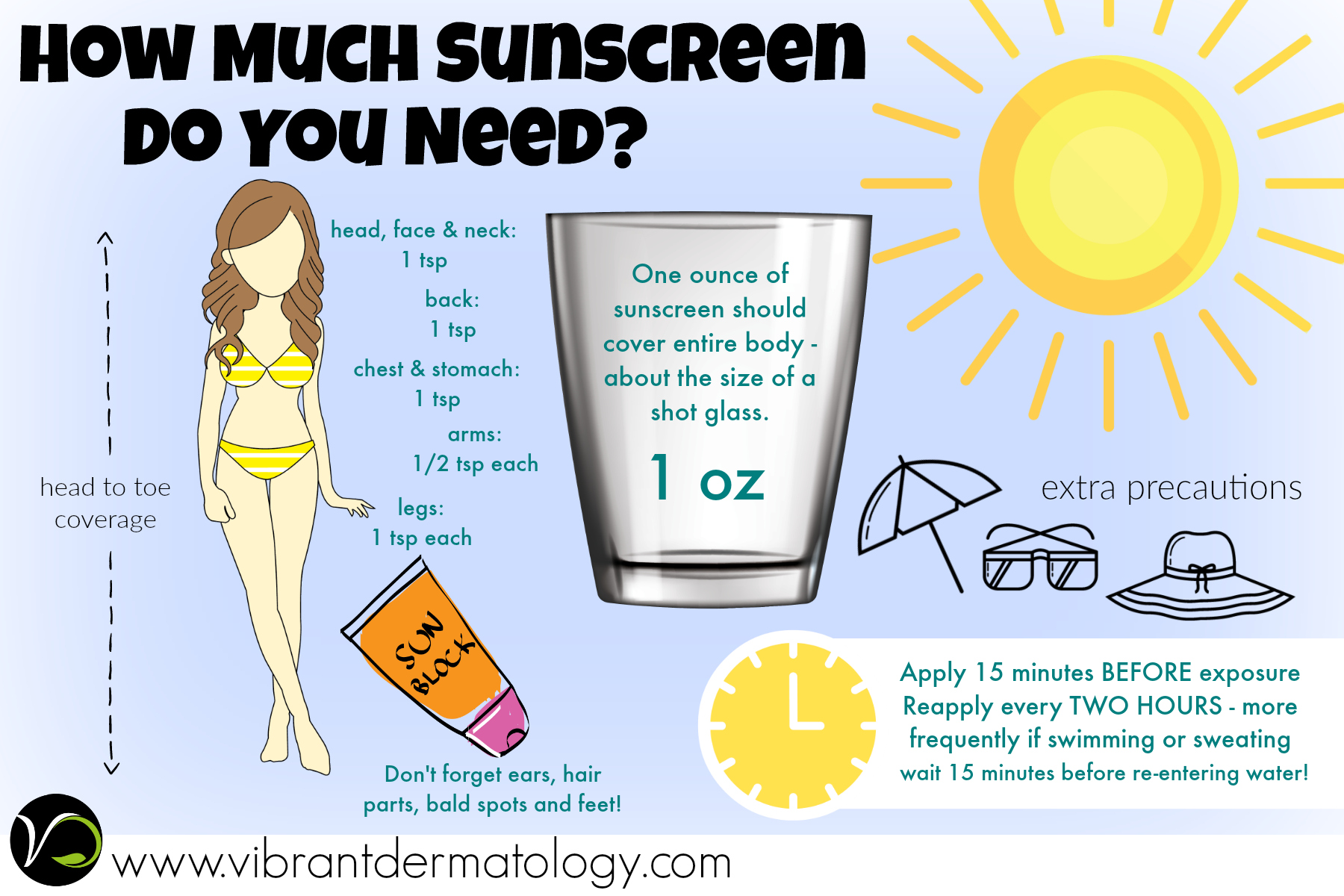
Sunscreen:  Incorporate sunscreen into your routine. An easy way to get your sunscreen is use a moisturizer with sunscreen in it. In the winter, we can get away with using a moisturizer that includes an SPF 30.  Once we move into warmer months I suggest using a sunscreen separate from your lotion and makeup that is at least SPF 50.  When enjoying the sun for a prolonged period of time (e.g. beach, hikes,  pool), sunscreen needs to be applied every two hours. After two hours the sunscreen is no longer effective. Sometimes, people do not reapply make up because they are concerned about ruining their make up. In this instance, I recommend that you try a brand like Colorscience. The brand makes several  SPF 50 mineral powders that will allow you to freshen up your make and get your sunscreen.  Check out my Product Recommendation page for my favorite sunscreen options. 

A Good Spring Clean

When you open the windows and start your Spring cleaning at home, don’t overlook your personal products.  Toss anything that is past its expiration date or over six months old and be sure to give your make-up brushes a deep clean.  Products with SPF will lose their effectiveness overtime so this is a good time to replace these products.

Take The Challenge

Spring is a great time to freshen up your skin care routine.  Download my FREE E-BOOK, The Clear Skin Challenge for 30 days worth of skin tips, product recommendations and advice that will set you on a path to clear skin.  

What changes do you make during the transition from winter to spring? 

Dermatologist Boston

Hyde Park Dermatology

Black Dermatologist

Canton Dermatologists

African American Dermatologist


Cure Your Acne Once And For All – Part 2 Choosing The Right Face Wash For Acne Prone Skin

face wash for combination acne prone skin

If you missed my first post in this series, be sure to head over to the main Cure Your Acne page to read “Making The Diagnosis” so that you can effectively treat your acne with the information below. Face wash for combination acne prone skin is one of the options available in the market for a more glowing skin. 

To achieve clear skin, we are going to go back to basics and start with washing your face. Irrespective of what type of acne you have, washing your face is an important thing to do. Facial cleansing is important because it enables you to remove dirt, oil, and other unwanted debris from the skin. During the course of a day, our facial skin can get covered with pollutants, bacteria, viruses, dirt and old skin cells. In the first blog in this series, I mentioned how all acne starts from a clogged pilosebaceous unit (aka pore). People with acne prone skin may experience poor skin turnover, which results in dead skin cells getting trapped in the follicles causing white heads and black heads. Improper skin washing can make acne worse, because excessive dirt on the surface of the skin can also block follicles. Furthermore, excessive dirt on the skin’s surface can prevent acne medications and anti-aging products from penetrating the skin and thereby prevent them from curing your acne. Cleansing also helps promote proper skin hydration, and helps maintain proper pore size. So how do you know what cleanser is best for you? It depends on three main factors – what type of acne your have, whether you have dry, oily, or combination skin, and most importantly, what other acne medications or anti-aging products you are using on your skin.

Before we dive into the details, I would like to make a quick recommendation on how to read this post. My goal is to try to help people cure their acne, so this has to be pretty comprehensive!! If you have a short attention span like me, I recommend going straight to the subtitle that pertains to what kind of acne you have. If you don’t know what kind of acne you have, please read the first blog in this series. At the end of this post, I give some general instructions that apply to everyone, so be sure you read that too.

How to choose the right facial cleanser

In my first blog in this series (making the right diagnosis), I introduced you to the four main types of acne. For a brief review they are as follows: 1) comedonal acne (non-inflammatory); 2) inflammatory acne (pustular and cystic); 3) combination acne (both comedonal and inflammatory); and 4) hormonal acne. If you are not currently using any acne treatments, then your face wash can actually be the first step in your treatment plan. Let’s discuss what ingredients may be helpful for you based on what type of acne you have.

  • Comedonal acne – at the core of comedonal acne is a problem with poor skin turnover resulting a number of white heads and black heads. If you have this kind of acne, you want to get an acne wash with salicylic acid. Most over the counter salicylic acne washes contain 2% sal acid. With the introduction of Differin (a topical retinoid available over the counter), I would recommend sticking to a gentle face wash combined with Differin to treat comedonal acne. 
  • Inflammatory acne – If you have you have inflamed bumps or pustules on your skin, you’ll want to find a face wash that contains benzoyl peroxide (BPO). When it comes to BPO washes they come in many different strengths. BPO washes can range from 2%-10%. If you have inflammatory acne, you may be tempted to think that a stronger wash is better. This is not always the case. BPO washes can be very irritating to the skin, causing dryness and burning. As a result, I do not tend to recommend 10% BPO washes, unless it is being used for the back. In most instances, I think a 5% wash is fine. However, if you have inflammatory acne and sensitive skin, I would start with a 2% wash. BPO is the ingredient used in Proactiv. If you have inflammatory acne, then this may be just what you need. However, if you don’t have inflammatory acne… well, then that’s why Proactiv is not working for you!  Take caution when using 3-step acne systems that are sold as a kit as these products will often include active ingredients in each step of the kit.  When BPO is applied in excessive amounts the skin will become dry and irritated. 
  • Combination skin – In general, I recommend that most people wash their face twice a day. If you find that you have combination acne, and you are NOT on any other acne treatments… meaning the only other thing you apply to your skin is moisturizer, then you could try to use a sal acid cleanser in the morning and a low strength BPO wash at night – 2% tops. It will be very important to avoid over irritating the skin, so you will want to apply a moisturizer to your skin after each wash.
  • Hormonal acne – When it comes to hormonal acne, I have to say out right that a wash alone will not improve this problem. Hormonal acne requires a hormonal solution, which will be discussed in another blog. Most women with hormonal acne are in their mid-late 30s or forties, which is a time where they may also be concerned about anti-aging. My recommendation for women with this type of acne is to pick a product that will help with acne, but that is also anti-aging. Look for ingredients such as glycolic acid and azelaic acid, which can help with acne, but also help with brown spots, hyperpigmentation, and fine lines. Again, it’s important to remember that less is more. Using too high concentrations of these ingredients will cause skin irritation and that may lead to more acne. I recommend concentrations between 2-5%. Hydropeptide makes a great cleanser in it’s anti-aging clarify collection that would be good for a woman with hormonal acne. It contains ingredients that will gently exfoliate and control oil, balance the skin’s pH, and sooth inflammation. Hydropeptide is on the pricier end of skin care products but I would say, well worth it. Use code ‘Doctor-Ip’ at checkout for 15% off all Hydropeptide products.
  • Face wash for the individual who is already on acne medication – Let’s say that you are already on acne medication. Maybe it was given to you by your PCP or by a dermatologist. Often times, I see patients who have been seen by other dermatologists. They have received acne medications, but they feel that are not seeing results. It’s not enough to have medications… skin care matters as well. As I mentioned, if you are not using the right facial cleanser, medications may not be able to penetrate properly. For those on acne treatment, I always recommend a gentle facial cleanser. In this instance, the washes that I have mentioned above may be much too strong if acne medications are already being applied to the face.  If you are looking for a gentle face cleanser, my top choices are HydroPeptide Cleansing gel (use code ‘Doctor-Ip’ to save 15%) or Vanicream Gentle Cleanser.  

The last factor to consider when choosing a cleanser is what skin-type you have. If your skin is excessively dry, you will want to avoid foam-based cleansers, and those with a high alcohol content. You’ll also want to avoid astringents (which I tend to avoid in all my patients). If you have dry skin and acne, you need to be careful. Whenever your skin senses that it is too dry, it will respond by increasing your sebum production. Increased sebum production means increased acne. After you wash you face, you will need to moisturize twice a day. It’s non-optional for you. You’ll want to look for a creamy cleanser. For oily skin, foams may work well for you. You’ll also want to make sure that your cleanser is pH balanced. Cleansing gels can be used as well. In most instances, because I am treating patients with acne medications, I recommend a simple gentle cleanser. However, this is particularly important if you consider yourself to be someone with sensitive skin.

So now that I have taken you through how to pick the right facial cleanser, let’s close by reviewing how to wash you face. Yep, there is a right and wrong way to wash your face!! Proper face washing is almost as important as a proper face cleanser.

When washing your face, it is important to remember a few things:

  • Use lukewarm water. If the water is too hot or too cold you might end up with broken capillaries on your face, which will leave your face red.
  • Make sure your hands are clean. A clean face starts with clean hands.
  • Wash twice a day, no more. If you over wash and strip your skin of natural oils your body will start producing more oil and pores will be more likely to become clogged. If you have excessively dry skin, you may need to wash only once a day. I would recommend washing at night and then splashing lukewarm water on your face in the morning.
  • Avoid abrasive face towels, and keep clarisonic brushes to a minimum. Over exfoliating, will cause skin irritation, which will cause your skin to break out. I would limit the use of these brushes to three times a week max.
  • Don’t rush. After a long day I know how tempting it can be to rush through your evening routine. Your face requires gentle action and you should take time to work in the product and to rinse well. When you have finished with a thorough cleanse and rinse, pat dry with a soft towel.

Do you have a favorite cleanser?  I’d love to hear about it in the comments below.  Also, be sure to enter your email address below if you would like to be notified when I publish the next post in the series. 

Dermatologist Boston

Hyde Park Dermatology

Black Dermatologist

Canton Dermatologists

African American Dermatologist


Sneaky Things That Clog Your Pores

If you’ve read my some of my acne posts, then you know that from a dermatologist’s perspective all acne starts off with a clogged pore. But what do we really mean when we say clogged pores. Literally, clogged pores result when dead skin cells are retained in the pores of your skin rather than being shed into the environment. This creates whiteheads and blackheads. When this happens bacteria on your skin can get very excited, because they love to feed off of the dead skin cells that are clogging your pores. The end result can be inflamed bumps and pustules. For most acne sufferers, there are many things that control this process (to find out more read the Cure Your Acne Once and For All post). However, even if you have perfectly clear skin most of the time, they are certain things you could be doing that may explain your occasionally clogged pores and breakouts.  

  1. Smog – This is location dependent but if you live in a city, you likely suffer the effects of smog on your skin.  Unless you’re up for relocating, there isn’t much you can do to prevent this.  To combat these environmental toxins, make sure to cleanse with a gentle cleanser twice a day. You can also try applying a weekly mask that contains activated charcoal which can help to draw oil, dirt and other substances from pores.  
  2. Cell Phone – If you are constantly on the phone, you may notice your face is more prone to breakouts in certain areas.  If you think about it, cell phones can be pretty gross.  They come in contact with multiple surfaces during the day and often end up in the bottom of a purse (along with everything else that is in there).  Use hands-free when possible and clean your phone every day.
  3. Your Hands – Stop touching your face!  Yes, you can get rid of the bacteria on your hands with regular hand washing.  However, hands have naturally occurring oils which will clog pores.  The less you touch your face, the better!  And please please don’t pick your acne… this usually just results in more scarring.
  4. Pillowcase – Wash it once weekly, at least.  Your skin may be clean when you go to bed every night, but your face is not the only thing coming into contact with your pillowcase.  Some swear by a silk pillowcase to help retain moisture and help reduce the appearance of wrinkles.  
  5. Makeup Brushes – Bacteria can accumulate here, quick!  I always suggest a deep clean of makeup brushes every month.  Bonus, a clean brush seems to help with makeup application too!  
  6. Athletic gear:  Working out regularly is so good for you! If you are into sports where you’re wearing a helmet or other equipment all the time, beware.  The constant friction from equipment can make it difficult for your skin to shed dead skin cells properly, resulting in clogged pores. These pieces of equipment can also be a bacteria breeding ground. This can contribute to inflammatory acne. They can also result in staph infections of the skin a condition called impetigo. Make sure the gym equipment in washed regularly, and always wash your face with a gentle cleanser after a tough work out.
  7. Makeup – This one may seem pretty obvious but it is amazing how many women don’t wash their face before going to bed!  A solid evening skincare routine is important.  Removing makeup will ensure clear pores and will allow your skin to repair itself.  

If your pores are clogged, stick to a gentle cleanser twice daily.  Avoid vigorous scrubbing as it can stimulate more sebum production.  Exfoliation once per week will help slough off dead surface cells and a product with salicylic acid will help to clear pores (and keep them clear).  

Join me in the Beauty Club and Referral Program and on Facebook, Twitter and Instagram for lots of fun skin tips, giveaways and more!

Dermatologist Boston

Hyde Park Dermatology

Black Dermatologist

Canton Dermatologists

African American Dermatologist


Eczema in Babies and Young Children

Eczema is a chronic itchy skin condition that can range from very mild to severe. Several things cause eczema, but one of the most common causes of eczema is atopic dermatitis. Atopic dermatitis is a hereditary form of eczema. When my daughter was about 5 months old, she started to develop itchy rashes on her cheeks and on the back of her legs. Because I was a dermatologist in training, I knew that she had eczema. Babies who have eczema usually have a family history of hay fever, allergies, or asthma as they are all genetically related. While my husband and I did not have eczema, we did have a family history of asthma and hay fever.  It can be very difficult to prevent atopic dermatitis, but a good skin care routine can help to minimize the severity of this skin condition.  Eczema can affect anybody, but it is particularly heartbreaking to see babies and young children suffering.  At age five, my little on still has mild to moderate eczema. The good news is that many kids will grow out of their eczema… and I am hopeful that she will too. In the meantime, we are practicing excellent skin care, which allows her to have a great, active childhood.

As your child grows, you will find that the location and appearance of eczema might change.  In young babies, eczema will be most prominent on the cheeks, forehead, and scalp.  By 6 to 12 months of age, it will be worse on crawling surfaces (elbows and knees).  Around age two, it will involve the creases of the elbows and knees, wrists, ankles, and hands.  It is important that you try to protect any inflamed areas from scratching – I suggest socks on your child’s hands (especially when sleeping) to help with this.  

Treatment Plan

For babies and children with mild eczema, I always recommend starting with a gentle, non-medicated approach.  You need to treat both the skin dryness and the inflammation.  In kids with eczema, dry skin is itchy skin. I always liken eczema to a forest fire. Dry leaves and brush catch on fire, moist leaves do not. Kids with eczema have a very difficult time retaining moisture on their skin, and so we have to help them with that.

If you have a child that suffers from eczema, the following routine should help improve the condition of their skin:

  • I recommend bathing every other day, rather than daily. As I mentioned, kids with eczema can’t retain skin moisture. When we bath, we open our pores and moisture escapes from our skin, as a result, more frequent bathing will make atopic skin WORSE. My daughter has always loved her bath time, so we let her bath every other day for as long as she likes. On the days off, we use a soapy washcloth to wash the stinky areas. If you feel strongly about a daily bath then make sure to keep it short, lasting about 10 minutes.  Limit the use of soap, bubble bath, Epson salts and other bath products with fragrances. Johnson and Johnson is not my favorite for kids with this sensitive skin.  Avoid anything that will be rough on the affected skin (loofahs, rough washcloths, etc.) and use a cleanser that is gentle and doesn’t contain any dyes or perfume (like CeraVe Hydrating Baby Cleanser or Aveeno fragrance free baby wash).  
  • Immediately after bathing, gently dry skin with a soft towel and then apply a thick layer of moisturizer to the affected areas. Babies with eczema have decreases levels of ceramides on their skin. Ceramides are proteins that keep water inside of our skin. There are now wonderful products on the market that contain ceramides in a hypoallergenic cream or ointment. I love CeraVe Cream and Aveeno healing skin ointment. Atopics needs creams and ointments, as lotions are mostly water and can evaporate quickly. You should be moisturizing twice daily, if your child will allow you. My daughter will only let me moisturize her skin once a day! However, when I do, I double up –I apply a cream like ceraVe and seal it in with Vaseline.
  • If you find that saliva from drooling is causing additional irritation, applying an ointment like Aquaphor or Vaseline will help to prevent direct contact with saliva and decrease irritation.  

Treating with medication

If the treatment plan above does not show improvement, your child may require medication.  As a clean/naturally inclined dermatologist, I recognize that this may be very challenging to accept for some of us. However, I cannot stress the importance of treating when indicated. Untreated severe eczema can result in severe skin infections that can put young babies in the hospital, even the intensive care unit. When treatment is indicated, I always recommend seeing a dermatologist. We are specifically trained to choose the safest medications for young babies. Sometimes babies may need oral antibiotics if they already have skin infections as a result of eczema. In cases of moderate to severe eczema, steroid creams might be required. When used appropriately, steroid ointments are safe.  Always use the mildest form of the product that controls the eczema and only apply to affected skin.  

Diet

Some parents believe that there is a link between a particular food and their child’s eczema but most infant eczema is unrelated to diet.  If your child gets hives (red, itchy swollen skin bumps) within one hour of eating a specific food, this is a sign of a food allergy and this food should be avoided until you speak with your child’s doctor.  In most cases, skin will improve by using the treatment techniques described above but you should always consult with your pediatrician and/or a board certified dermatologist if improvements are not noted.

If your children have suffered from eczema I would love to hear how you have treated it!  Share your story below or email me at info@vibrantdermatology.com.  

If you want to read more on this topic, check out my latest post: Eczema and Food Allergies. 

Follow along on Facebook for more skin tips, updates and giveaways!  

Dermatologist Boston

Hyde Park Dermatology

Black Dermatologist

Canton Dermatologists

African American Dermatologist


Clean Skincare Versus Natural Skincare

How many people do you know who swear by an ‘all-natural’ beauty routine?  There has been a huge shift in our society to the all-natural lifestyle, and for good reason.  Cancer rates are on the rise and research has proven that there are toxic chemicals everywhere.  The less exposure to toxic chemicals, the better.

One common belief is that stripping down to an all-natural lifestyle will help you achieve perfect skin.  The thought behind this is that by reducing exposure to toxic substances, there will be no inflammatory response. In my job I see firsthand that an all-natural routine isn’t necessarily going to benefit every patient.  While I do believe that reducing exposure to inflammatory substances will help to clear your skin, there are some skin conditions that simply require treatment. Non Surgical Eye Lift

For example, acne.  There are people out there that swear by a natural acne cure – meaning cleaning up your diet and avoiding store brought products.  They use naturally occurring elements to cleanse and moisturize (things like honey and coconut oil) and attribute their clear skin to this. Most likely, if you suffer from acne, this natural routine alone isn’t going to clear your skin.  You will need to actually treat the acne.

Things to avoid

When researching chemicals in skincare products, you will find that there are hundreds of chemicals that may be introduced in products (especially in the United States, the UK has stronger regulations in place).  Some people will always try to make the case that the chemicals you are exposed to in these products is minimal so it shouldn’t matter.  Personally, I’m not taking that chance.

It’s tricky to narrow down the complete list of things you should avoid.  Your best bet is to review the list of ingredients on a selected product and do your research.  I find Safecosmetics.org a great resource for this. 

The list below is a starting point of things that I would always recommend you avoid.

  • Lead – occur in products as a contaminant, may be found in toothpaste, some lipsticks and mens hair dye
  • Mercury  – a preservative used in eye makeup
  • Parabens – a preservative found in skin and body care products
  • Fragrance – a catch-all name used to indicate a number of chemicals in personal care products
  • Triclosan – anti-bacterials that may be found in hand soap, deodorant, toothpaste and bodywash
  • Butylated Hydroxyanisole (BHA) – antioxidant that may be found in cosmetic and personal care products
  • Formaldehyde-releasing preservatives (DMDM, urea, methenamine, sodium hydromethlyglycinate) – used as a disinfectant and may be found in nail polish, soap, deodorant, shaving cream, eyelash adhesive and shampoo.

Trusting the Brand

The labels ‘Organic’ or ‘Natural’ don’t actually carry any legal requirements so you need to drill down into the ingredient lists in order to verify that the product is in fact clean of harsh chemicals.  If you are looking to clean up your personal care products, start by researching brands that share the same philosophy that you do.  If you choose natural products, just be sure to be careful of contact allergens. Regular exposure to pure essential oils can sometimes result in contact dermatitis, which can be a severe itchy rash.

Personally, I choose brands that create products using clean technology.  Utilizing peptides and antioxidants over chemicals to achieve the results I desire.  If you are looking for a clean skin care brand that offers everything from body lotions, shampoo, and shaving cream try Vanicream. It’s a one of my go to lines for patients with sensitive skin or for patients who are looking for products that are “free and clear.”

Challenge

I challenge you to go into your bathroom now.  Pickup your shampoo (or facewash, handwash, anything!) and look at the ingredient list.  Anything not sound right?  I’d love to hear about it either in the comments below or email me at info@vibrantdermatology.com.

Dermatologist Boston

Hyde Park Dermatology

Black Dermatologist

Canton Dermatologists

African American Dermatologist


  • « Previous Page
  • 1
  • …
  • 40
  • 41
  • 42
  • 43
  • 44
  • 45
  • Next Page »

Problems We Treat

In the Clear

Acne: Adults & Teens

lllumination

Hyperpigmentation, Sun Spots, Melasma

Red, Red Go Away

Rosacea, Facial Redness, Sensitive Skin

Tall Drink of Water

Excessively Dry Skin, Eczema

Fountain of Youth

Anti-Aging, Skin Rejuvenation

Mommy & Me Skin Care

For Pregnant & Nursing Mothers

Just for Kids

Skin Care For Those 12 & Under
Contact
Vibrant Dermatology
588 Providence Hwy
Dedham MA 02026
Phone: (617) 250-0257

Vibrant Dermatology
1 Central Ave.
Milton MA 02186
(entrance at 131 Eliot St.)
Phone: (617) 250-0257

© 2026 Vibrant Dermatology | Site Map | TOS/Privacy Policy | Vibrant Dermatology