
Vibrant Dermatology

Book SkinBar MD Book Dermatology
(617) 250-0257
MENU
  • HOME
  • SHOP
  • ABOUT US
    • Meet Dr. Ip
    • Meet Our Staff
    • Why Vibrant Dermatology
    • Dr. Ip In the News
    • Featured Videos
    • Blog
    • Get Dr. Ip’s E-Book
    • Gap Year Program
    • Contact Us
  • Patient Resources
    • Appointment Policies
    • Insurance Information
  • Before and Afters
  • (617) 250-0257
  • (617) 540-5524
  • online bill pay
  • Book an Appointment
  • Medical Dermatology
    • Acne
    • Allergic Reactions
    • Autoimmune Disorders
    • Benign Growths: Seborrheic Keratoses, Skin Tags
    • Birthmarks, Brown Spots, Moles
    • Cysts
    • Eczema/Rashes
    • Excessive Sweating (Hyperhidrosis)
    • Hair Loss
    • Hives
    • Hyperpigmentation/Brown Spots
    • Keloids
    • Lipomas
    • Melanoma
    • Melasma
    • Nail Fungus
    • Psoriasis
    • Scars
    • Shingles
    • Skin Cancer
    • Skin of Color
    • Vitiligo
  • Surgical Dermatology
    • Cyst Removal
    • Lipoma Removal
    • Mole and Benign Lesion Removal
    • Skin Cancer Surgery
  • Pediatric Dermatology
    • Acne
    • Birthmarks
    • Eczema
    • Moles and Brown Spots
    • Skin Allergies
    • Skin Cancer
  • Cosmetic Dermatology
    • Aqua Facial
    • Neurotoxin (Jeuveau)
    • Chemical Peels
    • Era Elite Laser
    • Hair Loss Treatment
    • IPL Treatment
    • Juvederm
    • Kerafactor
    • LaseMD
    • Laser Treatment for Facial Veins
    • Melasma & Hyperpigmentation Treatments
    • NeoClear Laser Acne Treatment
    • NeoSkin Skin Rejuvenation Treatment
    • Non Surgical Face Lift “Liquid Lift”
    • PRP Treatment
    • PRX Skin Revitalization
    • Radiesse
    • Restylane
    • RF Microneedling
    • Sculptra
    • Sofwave Skin Tightening
    • Stretch Marks Treatment
    • Scalp Revive
  • Wellness
    • Sexual Wellness
    • O-Shot
  • Home
  • Shop
  • About Us
    • Meet Dr. Ip
    • Meet Our Staff
    • Why Vibrant Dermatology
    • Dr. Ip In the News
    • Featured Videos
    • Blog
    • Get Dr. Ip’s E-Book
    • Gap Year Program
    • Contact Us
  • Services
    • Medical Dermatology Services
    • Surgical Dermatology
    • Pediatric Dermatology
    • Cosmetic Dermatology
    • Health and Wellness
      • Sexual Wellness in Dedham, MA
      • Weight Loss in Dedham, MA
  • Before and After Gallery
  • Book Appointment
  • All Products
  • Online Bill Pay

Sweaty Pits

Black skin dermatologist near me

I’ve been writing a lot about summer time skin care lately, and today’s post is something that I know bothers a lot of people this time of year. Sweaty pits. It’s hot and humid and personally, for me that means a lot of sweat.

Sweat is a normal bodily function that affects everyone differently. As your body heats up, it will naturally attempt to cool itself by sweating. When sweat combines with bacteria on your skin it produces an odor that is usually unpleasant. There are two products on the market that will help to reduce sweat and the odors associated with it:  antiperspirant and deodorant.

Antiperspirant Versus Deodorant

The fundamental difference between antiperspirants and deodorants lie in the way that these products work.

  • Antiperspirants contain fragrances to help mask odor but also contain chemical compounds that block pores to stop perspiration, blocking sweat from reaching the area applied.
  • Deodorant allow the release of sweat but prevent odor with antiseptic agents which kill the odor-causing bacteria. They also tend to include fragrance which helps to mask odors.

The Nasty Chemicals

For a long time now, various advocacy groups have voiced concerns over ingredients found in many antiperspirants and deodorant. When you put a product on your skin, tiny amounts could be absorbed into your skin. There are five ingredients that can be found in deodorant/ antiperspirants that could cause cancer:  Aluminum, Triclosan, Phthalates, Fragrance, and Parabens. Research on the long-term effects of these ingredients is ongoing.

I know that it is hard to read concerns about ingredients that we use in every day products and not react to them. If you have hyperhidrosis, like I do, it’s hard to avoid Aluminum all together because that is the active ingredient that helps to prevent sweating. There are statements from both the American Cancer Society and the National Cancer Institute about the lack of research and the connection or lack thereof between aluminum and cancer.

A ‘Clean’ Solution

Vanicream

earlier posts (Vanicream Skin Cream and Seb Derm) and this product is no different. In the past I’ve rotated through various products to help reduce or mask the sweat but never had one antiperspirant or deodorant that was long lasting. After using this product for a few months now, I have to say that I’m ready to add it to my regular list of products. 

  • Ingredients are clean – if you suffer from allergies, eczema or any other kind of skin irritation, this product will be great for you. The ingredients are clean and there is nothing included that is going to trigger irritation.
  • Unscented – I find a lot of deodorant and antiperspirant contain fragrance that isn’t always pleasant. Even unscented products sometimes have a smell.This product is truly unscented and doesn’t leave any scent on your skin.
  • Smooth application – This product applies smoothly and doesn’t leave a sticky feel at all.I found it best to let it dry a few minutes before getting dressed so that it wouldn’t leave any markings behind on my clothes.

Permanent Solutions

There are some more permanent solutions to sweating, although these come with a decent sized price tag. I’ve talked about Botox for sweaty pits on the blog before.  Botox works great, and I routinely do this procedure in my office. The downside is that it requires about 20 tiny injections per an armpit, so it is not for the needle phobic. The results last 6-9 months. Another new option is Miradry which is a treatment that uses laser energy to target and destroy sweat and odor glands in your underarm. This is a long lasting option that your dermatologist can offer information about Non-Surgical Eye Lift. 

Free Product!

If you want to try Vanicream™ Anti-perspirant/Deodorant, click here to enter your contact information and be entered to win one of six sticks of anti-perspirant/deoderant that we are giving away.

*Giveaway closes August 15.
Summer Vacation Skincare 101

Summer is officially here!  Between camps, trips to the beach, and just spending a lot more time outdoors in general, there is a lot to keep track of!   I’ve put together my summer skin care guide to help you treat common ailments at home, and so that you know when to see the doctor.  Enjoy your summer, and as always, don’t forget the sunscreen!

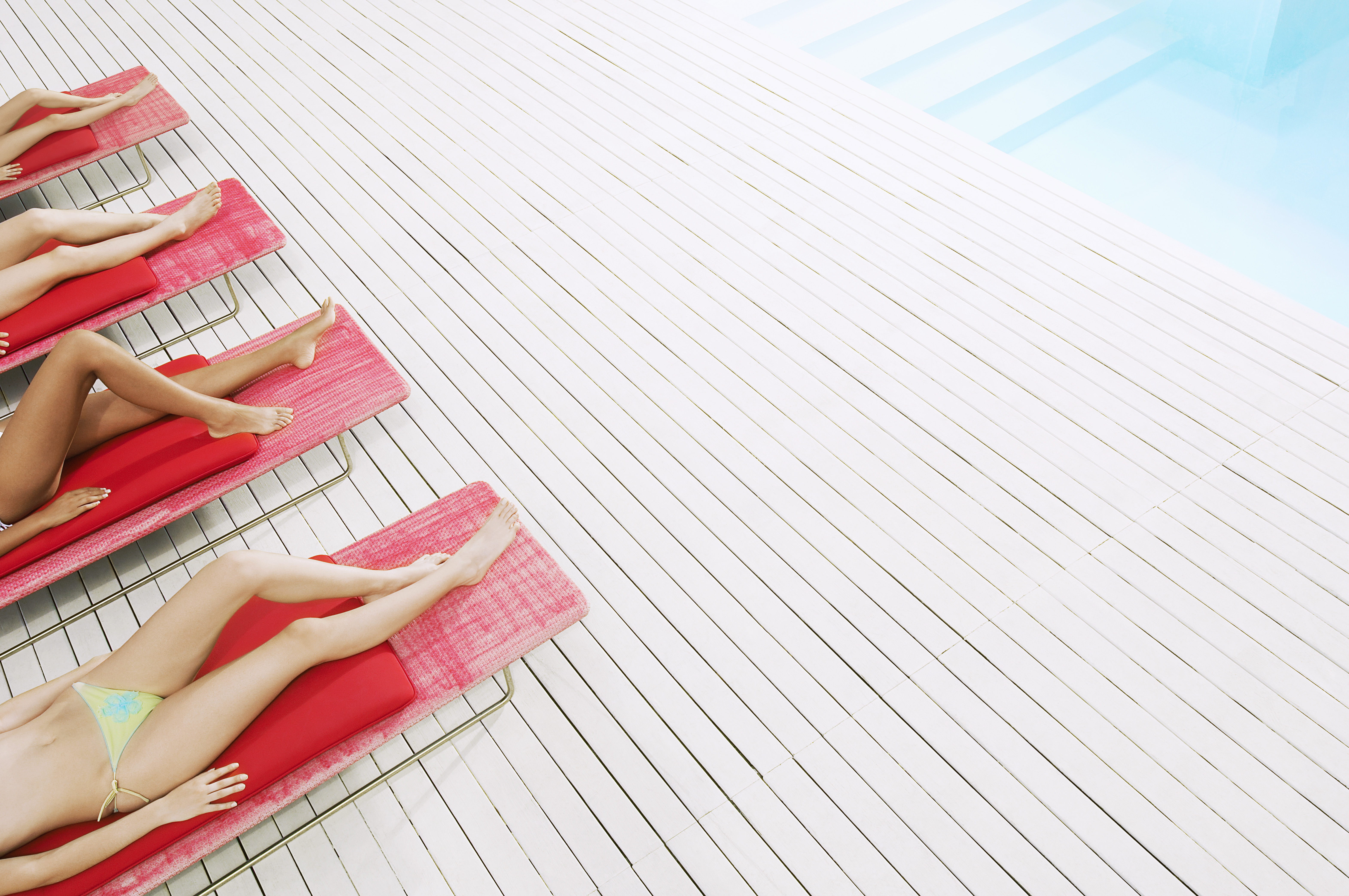
Young Women Sunbathing

  1. Sunburn – Probably one of the most common summertime skin ailments, the sunburn.  As a dermatologist, I will first preach the benefits of adequate skin protection from the sun.  UV rays not only leave your skin tingling and pink, the effects of a sunburn are lasting.  Overtime sunburned skin will start showing signs of aging sooner and even one sunburn leaves you more likely to get skin cancer.  However, if you forgot the sunscreen or missed a spot and find yourself with a sunburn, check out my tips for managing sunburn.  
  2. Bug bites and stings – Another very common summertime skin ailment, bug bites and stings can be frustrating!  Most bug bites are harmless but some can spread dangerous diseases 9like Lyme, Zika, and malaria).  Prevention is helpful – insect repellent, appropriate clothing, and bed nets for infested areas.  Most bug bites and stings can be treated at home. Non Surgical Eye Lift For painful bites an over-the-counter painkiller (acetaminophen or ibuprofen) will help.  Itching bites can be helped with an ice pack or over-the-counter hydrocortisone.  If there is swelling, apply an ice pack.  More severe symptoms that occur after a bug bite (rash, fever, or body aches) should be referred to your doctor or board-certified dermatologist immediately for treatment.  
  3. Bed bugs – Also in the bug category but deserving its very own spot on my list is bed bugs.  If you find yourself in the unlucky category of being exposed to bed bugs, wash the bites with soap and water to help prevent an infection and help reduce itch.  A corticosteroid cream can help to reduce any itchiness.  If you have a large number of bites or develop blisters or inflammation you should visit a board certified dermatologist for treatment.  Some people will have an allergic reaction to bed bug bites or may develop an infection and require antibiotics.  Knowing how to identify bed bugs is really helpful – whenever I travel I now check out the mattress as soon as I walk into a hotel room for any evidence of bed bugs! It’s also possible to bring bed bugs home with you, in which case you will need to treat your skin and your home. Check out these remedies to help rid yourself of bedbugs. 
  4. Eczematous dermatitis – Heat, humidity and chlorine can cause contact dermatitis to flare in the warmer summer months.  To avoid flare ups in the summertime be sure to:
    • Rinse skin after swimming – chlorine and saltwater will dry out the skin.  
    • Travel with your own products.  Don’t rely on hotel toiletries if you are accustomed to products that you know work well for your skin type.  Even a day or two of different products can wreak havoc on your skin.
    • Continue using a thick cream, even if you think a thin lotion is more comfortable when the heat and humidity strike.  Thin lotions lack the humectant properties needed to protect your skin.
    • If you are using topical steroids, avoid sun exposure.  This is also true for oral steroids which can be photosensitizers and increase risk of a sunburn.
    • Only use physical sunscreens (titanium dioxide or zinc oxide) on inflamed skin since chemical blockers can burn on cracked, inflamed skin.
  5. Hot Tub Folliculitis – If you’ve ever found yourself with a skin rash after using a hot tub, you likely have hot tub folliculitis, also known as hot tub rash.  This is an infection in the hair follicles and can occur in any part of the body that has hair growth and is caused by a bacteria called pseudomonas that live in warm and wet areas.  The rash will appear like acne and may turn into red nodules in the affected area.  The nodules may have pus and cause itching or a burning sensation.  Symptoms will usually appear within a few hours of coming into contact with the bacteria, up to about 3 days after.  There is no treatment required for a hot tub rash and symptoms should resolve on their own in about 10 days, but if not you should see a dermatologist for anitbiotics.  To prevent itching, a warm compress will help and will promote quick healing .  
  6. Margarita Rash – Yes you read that correctly, margarita rash is a thing!  Known as Phytophotodermatitis, this condition occurs when your skin comes in contact with certain substances at the same time s sunlight.  Symptoms can range from mild redness to blisters and second-degree burns.  As the burns begin to fade they leave behind a characteristic brown patch on the skin.  The brown patches will disappear on their own over time and can be lightened with hydroquinone.  A severe burn will require observation by a doctor.  Limes are the most likely fruit to cause this condition but it can also be caused by carrots, parsnips, parsley, celery, figs, wild dill, lemons, and oranges.  If you plan to enjoy margaritas in the sun, you can still enjoy the fresh squeezed lime juice, just be sure to wash your hands thoroughly after preparation!  

Taking Care Of The Skin Down There – Part 2

In Part 1 of this series we covered the top 7 complaints ‘down there’.  In this post I’m going to drill into the fifth item on that list, Sexually Transmitted Diseases.  It’s summer time which means more people are out and about having fun, leading to more sex.  The CDC estimates that 19 million new sexually transmitted infections occur each year, almost half among 15-24 year old’s.  So go on, share this blog post with your kids!

Vaginal irritation can be caused by a number things, but if you have recently had a new sex partner, then an STD is likely.  The most common STDs include:

1.  AIDS / HIV

AIDS is a condition where the immune system begins to fail, weakening a person’s ability to fight infections.  There are 60,000 new infections each year.  Symptoms can include fatigue, inability to fight infections, blotches on or under the skin, diarrhea, and swollen lymph glands.  AIDS is transmitted through blood and bodily fluids.

2.  Herpes

With 45 million infected annually Herpes Simplex is a common STD.  It is a viral disease that is transmitted by skin to skin contact and appears as blisters, ulcers or sores.  Symptoms include swelling, itching or tingling areas on the body along with body aches and pains and abnormal discharge and pain during urination.   Many people are infected with a common herpes virus that HSV1 that leads to the common cold sores. Depending of sexual practices, HSV1 can also affect the genitals as a result of oral sex. Another common place to find herpes is on the buttocks, as a result of spooning after sex. The challenge with herpes is that is not curable.   Another challenge is that a sexual partner can be actively shedding the herpes virus without evidence of a blister on the mouth or genitals.

3. Chlamydia

With 4 to 6 million people infected each year, chlamydia is the most common sexually transmitted bacterial infection in the developed world.  Although you may notice body aches and pains, swelling, itchy or tingling areas, or abnormal discharge and pain during urination, chlamydia is often asymptomatic.  Chlamydia is transmitted through bacteria passed through sex – in bodily fluids and on the skin.  Chlamydia can have an unusual presentation called Reiter’s syndrome.  Individuals may experience arthritis, conjunctivitis, and a rash on the palms and soles called keratoderma blennorrhagicum.

4.  Gonorrhea

Gonorrhea is a contagious bacterial infection that infects about 700,000 people each year.  It is most often transmitted through sexual contact and symptoms may include swollen lymph glands, body aches and pains, or abnormal discharge and pain during urination.

5.  Hepatitis B&C

Hepatitis is a serious liver infection caused by the Hepatitis B virus.  Symptoms of Hepatitis include fatigue, swollen lymph glands, body aches and pains, diarrhea and blotches on or under the skin (flu-like symptoms).  Approximately 300,000 people are infected each year through contact with bodily fluids or skin and shared items.   It is important to diagnosis Hepatitis, because left untreated it can results in liver cancer.

6.  Syphillis

Infecting 50,000 people each year, Syphillis is a bacterial infection caused by Treponema Plidum and is spread primarily through sexual activity.  Symptoms can include fatigue, swollen lymph glands, and body aches and pains.  Syphillis is spread through sex and close contact.  Syphillis is on the rise again. Early detection is key, because left untreated syphilis can affect the heart and the nervous system.

7. Genital Warts

Genital warts present in about 3 Million people in the United States every year.  Caused by the Human Papillomavirus (HPV), genital warts are spread through sexual contact and will present as small bumps on the genitals.  There are vaccines available to protect against many genital-wart causing strains of HPV.  Although there is no cure for genital warts, treatment can help to reduce symptoms.  Treatment can include application of a prescription medication or surgical removing of the warts.  A dermatologist can help you with treating warts. Sometimes several months of treatment can be required

8. Molluscum contagiosum

Molluscum contagiosum is a skin disease caused by the molluscum contagiosum virus (MCV) and will usually cause small lesions or bumps in the infected area.  Molluscum contagiosum was once a disease that primarily affected children, but it has evolved to become a sexually transmitted disease in adults.  Molluscum will usually resolve on its own although lesions can last up to 4 years (or as little as 2 weeks).

Diagnonis of a Sexually Transmitted Disease

Just like with other medical conditions, there are various tests performed for STD’s.  When you visit your care provider they will do a general intake and ask you about your concerns and health history.  If there is a concern of STD’s you will likely have a variety of testing performed (exam, swab, blood and urine test).  It is important to have routine STD screening. I recommend testing every 6 months if you are not in a monogamous relationship.

  • Urine Test:  Chlamydia and Gonorrhea
  • Blood Test:  HIV, Syphilis, Herpes, and Hepatitis B
  • Swab Test:  HPV, Herpes, Chlamydia, Bacterial Vaginosis, Gonorrhea, Genital Warts, Molluscum, Syphilis, and Trichomoniasis
  • Oral (Cheek) Swab:  HIV
  • Physical Exam:  Genital Warts, Molluscum, and Bacterial Vaginosis

Treatment of STDs by a dermatologist

 Dermatologists are well versed in STD care and have advanced knowledge of skin care and effects of STDS which can be very beneficial during treatment.  Treatment will usually include antibiotics or antiviral drugs.  A single dose of antibiotics is usually enough to treat many parasite or bacteria induced STDS.  Antiviral drugs cannot cure STDs but they can help to impact the course of the disease. 

There is no over the counter treatment option for STD’s.  If you suspect that you may have and STD, your best bet is to see your doctor as soon as possible for correct diagnosis and treatment.  By treating STDs early, you can avoid any permanent damage.

Prevention of Sexually Transmitted Diseases

It’s time for the ‘Sex Talk’.  To protect yourself from STD’s, ALWAYS use protection when having sex, and use it correctly.  Until you and your partner are both tested with a clean report, condoms are a MUST.  Also, don’t share needles or sex objects since many STD’s can be spread via contact.

Sunscreen For Your Skin Type

May is skin cancer awareness month but it is also the month where many people start spending more time outside and are exposed to UV rays from the sun.  As the weather seems to have finally shifted to sunny and warm in Boston, one thing on the top of my mind is sunscreen.  Although you should be wearing SPF every single day, in the summer time it is even more important to wear it.  Not only do we tend to spend more time outside during the summer months, the UV rays that cause skin cancer and aging are stronger.

Shopping for sunscreen can seem like an impossible task as the options are endless.  It’s important to buy a product that will be well-matched for your skin type.  Read on for my tips on selecting the best type of sunscreen for your skin type.

Normal skin, 30 years old and younger

Your twenties is a great decade to establish healthy skin care habits that will set you up for a lifetime of healthy, youthful skin. When patients ask me what are my top three anti-aging recommendations, I say 1) sunscreen 2) sunscreen 3) sunscreen!! For those under 30, I recommend a daily moisturizer with sunscreen in it. SPF 30 is a good minimum. I recommend a product that has a broad spectrum sunscreen with actives such as homosalate, octinoxate, oxybenozone, and octocrylene which will block both UVA and UVB rays from the sun. It is important that it contain good moisturizers such as ceramides to help maintain a healthy skin barrier.  Moisturizer with sunscreen should be applied to a clean face, before make up is applied. Brands I like include Cerave am lotion and Aveeno Positively Radiant.

Normal skin, 30 years old and older

Sunscreen is our most power anti-aging tool. As the skin ages brown spots, hyperpigmentation, and fine lines and wrinkles can appear. In addition, the skin starts to lose the ability to retain moisture. At this time, it is important to have a broad spectrum sunscreen.  If you live in a sunny climate or during the summer months, you want to make sure to have SPF 50 in order to prevent the appearance of brown spots and hyperpigmentation. There are a few potent sunscreens that combine excellent antioxidants and moisturizers and have an SPF 50. However, most moisturizers with sunscreen do not go to above an SPF of 30. The easy fix to this is opt for a hydrating moisturizer, preferably one that containing pigment fighting agents such as vitamin C, kojic acid, green tea and niacinamide and mix this with a SPF 50 sunscreen. For maximum brown spot protection, I prefer physical blockers containing micronized zinc and titanium oxide.  We now know that skin cancer and skin aging is not only caused by UVB and UVA, but also the infrared spectrum, so in order to maximize sun protection and prevent fine lines and wrinkles you may want to opt for a sunscreen that also has infrared protection. Hydropeptide’s non-tinted SPF 50 works great for most skin types. However, if you have darker skin and wish to avoid a chalky residue, my favorite sunscreen is made by the French company Avene. It’s silky, lightweight and will not leave any residue. An added benefit is that it doesn’t smell like sunscreen.

Dry Skin

Dry skin is a problem that can affect people as they age, as well as those who have eczema prone/sensitive skin.  Sunscreen is still important for this group. However, sun protection cannot come at the expense of protection of the skin’s barrier function. This is why I like moisturizers that contain sunscreen, which provide the skin with soothing emollients and the sun protection and dermarolling lips. However, if you find that your moisturizing lotion is not hydrating enough, then a simple trick is to take a bland thick moisturizing cream (like Vanicream) and mix it with a sunscreen and apply to the face/ skin.

Oily / Acne prone Skin

One huge mistake that acne suffers make is avoiding moisturizers and sunscreens because they think that these products will make them break out. On the contrary, if a person is prone to acne then overly dry skin will actually cause their bodies to secrete more sebum (oil) and result in more breakouts. I recommend that these individuals again opt for a light moisturizer with sunscreen and make sure that whatever product these choose says non-comedogenic, which means that it will not cause acne. Again, I love Cerave am lotion for my acne prone patients. Neutrogena also makes a sunscreen for acne prone skin.

Sensitive Skin (including rosacea-prone)

For individuals with sensitive skin, choosing a sunscreen can be difficult. Some individuals complain that sunscreen causes a burning sensation to their skin or eyes. Others even break out in a rash after applying sunscreen. Sunscreen allergies are not unheard over. For example, oxybenzone is a common sunscreen allergen. If you suspect a true allergy to sunscreen, this should be evaluated by a dermatologist. In general, patients with sensitive skin may tolerate physical blocker sunscreens containing zinc and titanium more than those containing chemical sunscreens such as homosalate, octinoxate, octocrylene, and oxybenzone. Whenever possible, those with sensitive skin should avoid sunscreens containing preservatives such as parabens and phthalates. For rosacea suffers, it can be tough to find the right sunscreen. I recommend opting for sunscreens that have antioxidants that help with rosacea. Some antioxidants that have been shown to help with rosacea include:

  • Green Tea
  • Grape Seed Extract
  • Niacin/niacinamide
  • Caffeine
  • Coffee Arabica and Coffeeberry Extract
  • Resveratrol
  • Lycopene

Brands that win out for rosacea prone skin include La Roche Posay and Hydropeptide.

Picky Eaters

One of my biggest concerns as a mother is keeping my children healthy.  Although my kids eat a variety of foods we do often struggle with pickiness.  As a doctor, I have a deep understanding of nutrition guidelines and I think it is important to set a good example for my children when it comes to mealtimes and health.

Here are my ‘mommy doc’ secrets to keeping my kids healthy and happy – perfect for picky eaters!


  • Choose My Plate has great references that outline just how much food a child needs in one day.  I try to monitor nutrition over the course of a week instead of just focusing on each individual day and find that sticking to this general guideline helps tremendously.
  • Setting expectations. I do not have a clean plate rule in my house because I know that some days our appetites are just not great.I do ask that my kids try three bites of everything I offer on their plates and will re-introduce foods multiple times (as many as 10) to make sure that they really don’t like something.
  • Meal planning has become a saving grace in my house as it gives us all a schedule for the week so I’m not scrambling last minute to get dinner on the table after a busy day at work. I let my oldest daughter help plan the menu and encourage her to help me pick out healthy options that she will enjoy eating. When time permits she also helps out with some of the food prep which is a fun way for us to spend time together!
  • I will admit that I do try to pack lots of vegetables into foods that my kids like. For example, I add mixed vegetables to fried rice or spinach to a pasta sauce. However, I don’t have time to decorate their plates with fun shapes! I have been known to throw a smoothie together to give the kids a nutritional boost. Full fat yogurt blended with some frozen fruit and greens makes a great combo.
  • One of our favorite family activities in the summertime is gardening. We have a small raised bed garden in the backyard and the kids help me take care of the vegetables. We clean up the area and plan in the Spring and then enjoy fresh veggies all summer long. Our favorites are tomatoes and kale.
  • Bribery. I don’t resort to this very often as I would prefer that my children develop great food habits all on their own, but I have been known to reward my children for trying new foods. Non-Surgical Nose Job.

What do you do to keep your picky eaters healthy and happy at mealtime? 


Seborrheic Dermatitis

Seborrheic Dermatitis

Seborrheic Dermatitis Blog

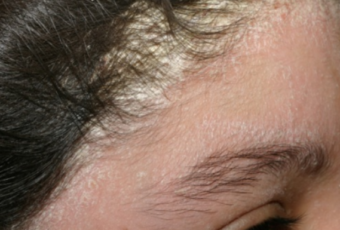
As the weather starts to warm up, I see a variety of skin conditions flare-up in my patients. Many people come in with a red rash on their face complaining that their acne isn’t clearing up, others say that their primary care physician diagnosed them with facial psoriasis, and still others complain of an itchy scalp and exuberant dandruff. All of these complaints are actually the same condition, a common but little known entity by the name of seborrheic dermatitis or seb derm for short.  Seborrheic Dermatitis is a skin condition that causes scaly patches and red skin, mainly on the scalp but also common on the face and body.  The skin tends to have a reddish color, a swollen and greasy appearance, and a white or yellowish crusty scale on the surface.  In people of color, seborrheic dermatitis may actually lead to a lightening of the skin, which can be very distressing. This is because the yeast that causes seborrheic dermatitis produces a by-product that causes pigment cells to be under-active.

This post has been sponsored by Pharmaceutical Specialties, Inc., the makers of Vanicream.  I’m excited to be partnering with PSICO to bring you information about common skin conditions, OTC treatment options, and giveaways! Don’t miss the great giveaway at the end of this post.

If you think you might have Seborrheic Dermatitis, read on for more information about this skin condition and my suggested treatment plans.

How Did I Get Seborrheic Dermatitis? 

This condition does not have a definitive cause but studies have indicated that there are many factors that work in combination to cause the condition.  These factors can include yeast that normally lives on our skin, genetics, living in a cold and dry climate, stress, and a person’s overall health. The condition is not caused by poor personal hygiene, allergies, and does not cause harm to the body.  Seb derm can affect people of all colors and ages but infants 3 months of age and younger and adults between 30 and 60 years of age are most susceptible.  There are certain medical conditions that increases the risk of developing Seb Derm, including HIV, Acne, and Parkinson’s.  (Reference https://www.aad.org/public/diseases/scaly-skin/seborrheic-dermatitis)

Since Seb Derm can mimic many other skin conditions (psoriasis, eczema, or an allergic reaction), it’s important to consult with a dermatologist for diagnosis and treatment.  A dermatologist will review your medical history and examine the rash to determine the diagnosis and treatment plan.

There is no cure for Seborrheic Dermatitis but a treatment plan can help to reduce symptoms and minimize flare ups.  Treatment generally includes using a medicated soap that contains zinc pyrithione 2%.  Zinc Pyrithione 2% has antifungal properties that will help to treat a variety of skin conditions.  Depending on the location of the flare-up, treatment plans will vary.  A gentle, over-the-counter treatment is recommended for mild cases of Seb Derm – read more about the products and treatment plans I recommend below. Non-Surgical Nose Job

 Photos from AAD.org showing examples of Seborrheic Dermatitis

Treating the Scalp

There are a number of shampoos available that will help to reduce Seb Derm on the scalp.  Vanicream makes a free & clear anti-dandruff shampoo  that contains zinc pyrithione 2%.  I’ve raved about other Vanicream products on the blog before and this shampoo is at the top of my list for those that suffer from Seb Derm on the scalp.  The ingredients are clean and will help to minimize seb derm and relieve irritation.  To start, apply shampoo to the scalp and leave in place for five to ten minutes before rinsing (do this daily or every other day).  Once under control, this treatment can be reduced to once or twice weekly. 

Treating the Face & Body 

When Seb Derm develops on the face many people think that it is acne or eczema and treat it as such.  This will only further irritate the skin.  A soap that contains zinc pyrithione 2% is necessary to help eliminate the yeast that is contributing to the skin condition.  The Vanicream Z-Bar is what I recommend for Seb Derm on the Face & Body. 

For intense flare-ups that are itchy, applying Vanicream HC 1% Hydrocortisone Anti-Itch Cream can help to reduce the itch.  This product contains hydrocortisone, which is a mild topical steroid. It is very helpful for mild seborrhea, but it is important that it be used sparingly on the face (no more that nightly for 3 days at a time), as excessive steroid use on the face can lead to steroid rosacea.

Seborrheic Dermatitis in Babies

Many babies develop a rash on their scalp during infancy, also known as cradle cap.  The condition can also present in other areas of the body.  Babies require a different approach for treatment which I’ll cover separately.  Stay tuned for a blog on treating cradle cap in babies.

 Final Tips for managing Seb Derm

  • Seb derm often presents at flakiness which people assume to be dry skin. The source of the problem is more likely a combination of oil and yeast which need to be removed from the skin. Resist the urge to over moisturize with creams and oils. A light moisturizer is recommended.
  • Don’t pick the flakes! If you constantly pick at the flakes you can cause more irritation (which will likely result in excess oil and make the condition even worse).
  • Allow hair to dry before putting it up in a ponytail or braid. Piling wet hair on top of your head will result in a moisture trap.

Since warmer weather is here and we’re seeing a lot of Seborrheic Dermatitis flare-ups in the office, we’ve teamed up with Vanicream to offer 12 ‘Seb Derm Kits’ to our readers.  This kit includes the products highlighted in this post.  This giveaway is now closed, congratulations to the 12 winners!!

By submitting your information in the form above you agree to receive occasional updates from Vibrant Dermatology and Vanicream.

Aging With Grace – A Dermatologist Shares Her Secrets To Youthful Looking Skin

As a dermatologist I see many women (and men) who come to me concerned with the appearance of their skin as they age. Basically, they don’t want their skin to make them look their age – or older. The aging process is inevitable. Although not everybody starts showing the signs of aging at the same age, everybody will at some point show signs of aging.

I believe that every person should be allowed to age in whatever way they want. Aging with grace – in my opinion – means that women take action to lift themselves up and strive to live a confident, healthy, and meaningful life. This could be taking measures to physically reduce the signs of aging (things like coloring grey hair, using Botox to minimize appearance of wrinkles, etc), eating well and exercising to maintain health, or even taking advantage of learning and social opportunities to keep the mind and body active. If Botox and Filler make a woman feel better about herself, then I support that 100%.

When patients come to me looking for advice and treatment for the signs of aging we discuss a number of possible treatment plans. I like to focus on making minor adjustments to simply minify the signs of aging versus going overboard and changing the appearance of any one feature. For example, Botox in small quantities will simply help to reduce the appearance of the eleven’s – the lines that form between your eyebrows and the horizontal forehead lines. When you use too much Botox, the forehead will appear stiff and unnatural. Non-Surgical Nose Job

In an attempt to be authentic and honest, I think it’s important that I “come clean” with respect the anti-aging procedures that I have had. I am now in my late 30’s (although I know I don’t look it!!). I fuel my body and my skin with lots of clean, whole foods, starting the day with an antioxidant packed green smoothie. Since I started residency almost 10 years ago, I use a nightly retinoid. Retinoids are an anti-aging power house, helping to prevent fine lines and wrinkle. Now that I am well into my 30s, my skin care routine also includes an anti-oxidant serum and an eye cream. I also moisturize my skin twice a day (up from the once a day that I did in my 20s and early 30s when my skin was oilier), and I wear sunscreen daily.

Around the age of 32 I tried Botox. Let me tell you—once you try Botox, you’ll never go back!! Forehead lines are some of the first signs of aging

and all my patients feel so much more confident without them. This is a quick and almost painless procedure. Botox typically lasts 3-6 months, depending on your age and the amount of wrinkles you have. This year, I started exploring fillers. The next place that often shows age is the under eye area. People in their 30s and older often complain about dark circles under the eyes. Most of the time, this is actually coming from a loss of volume in the cheek area. It starts out subtly and becomes more pronounced with time. Last February, I had filler placed in my tear trough. It is a quick procedure, numbing cream made it almost painless, but there was significant swelling lasting about 5 days. I noticed an improvement to my under eye area, but still had a depression under my eyes and in my mid cheek when I smiled. So, this year, I took the plunge and got Sculptra. Sculptra is an amazing collagen stimulator. It is injected like filler but then stimulates your body to make its own collagen. It takes 3 months to see the full effect. I can’t tell you how happy I am after this procedure. While it was painful, it was so worth it for me. I now look about 9 years younger and feel more confident in pictures. The best thing about all of the procedures that I have done is that nobody knows. I make sure to do things in a way that will make me look like a natural, more relaxed, more youthful version of myself. No artificial faces here!!! The key to a natural look is to get a skilled board certified dermatologist to perform your procedures. They will sit down with you in a consultation, and help you map out a plan that makes you feel comfortable medically and financially.

In my Before & After photo above you can see darkness in the area under my eyes and my cheeks aren’t quite as full. In the image on the right, the area below my eyes is smooth and bright and my cheeks are fuller.  These images were taken from video footage from two video’s that I published on my Facebook page (link).

As a woman, I want to break down stereotypes that say that women should appear flawless without any help. That is a lie. I work hard to keep my body healthy and I work hard to keep my face looking youthful. There are a number of non-invasive procedures that, when used correctly, can make a subtle difference in the appearance of signs of aging. I am not ashamed to share what I have done to age gracefully. However, nothing replaces a healthy lifestyle. I exercise 4-5 times a week, eat right, and meditate daily. Even though it can be challenging to find time to take care of myself with a busy practice and with small children, I know that the greatest gift I can give my family and my patients is a happy, healthy mommy and doc. Check out the blog to see what treatments I recommend for your age group and stay tuned to my next blog on nonsurgical fat loss techniques… yep. I’ve tried that too!!

My top tips for anybody that wants to master the fight against aging.

  • General health is the first step in fighting aging – eating healthy, nutritious foods and exercising offer many benefits towards healthy, vibrant skin.
  • SPF is your best friend. Every. Single. Day! UV rays cause wrinkles and premature aging along with skin cancer.  Also, invest in a good pair of sunglasses and wear them anytime the sun is out (even in the winter) to help cut down on wrinkles caused by squinting.
  • It’s never too early to begin the fight against aging. Check out this blog post where I share anti-aging tips for every age (link to blog post).
  • Facial Creams and serums can only do so much and there is no magic solution to make wrinkles disappear.

If you are concerned with fine lines and wrinkles and want to get back on track with your skin care and health routines, check out my FREE Clear Skin Challenge. This e-book provides 30 days of tips and recommendations that will set you on the path to clear skin.

You May Also Like:

Aging in Ethnic Skin

Dr. Ip’s Tips for 4 Decades of Beautiful Skin

A Younger You, No Knives Needed

The Great Vaseline Debate

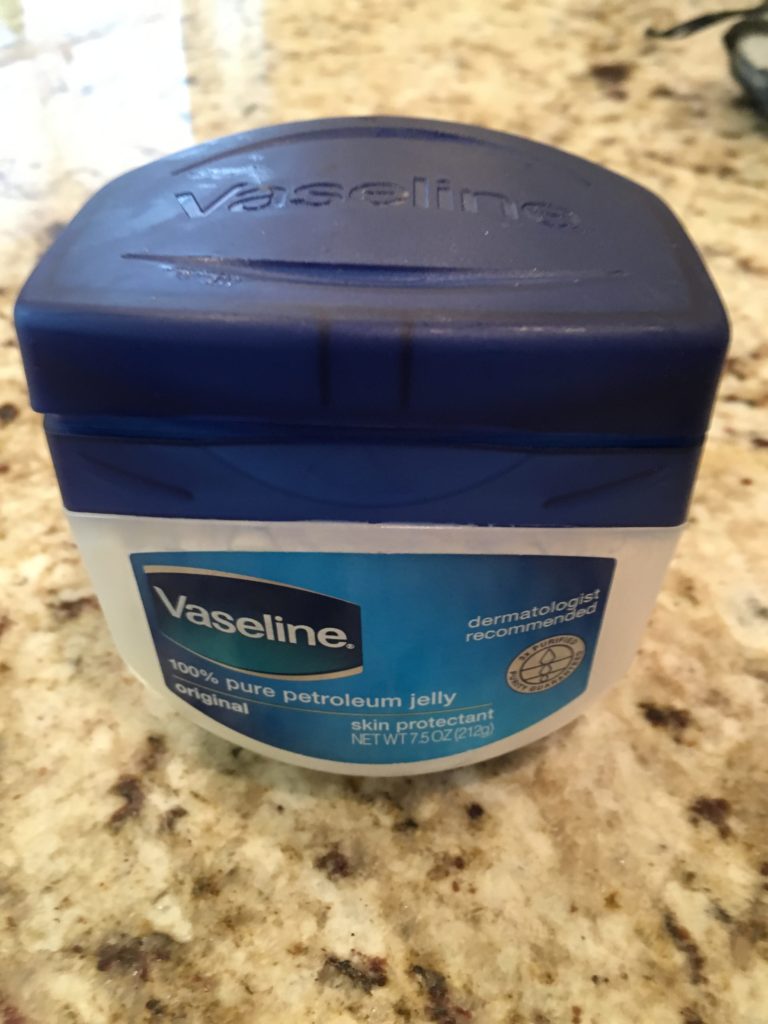
Petroleum jelly is a common item found in the medicine cabinet, and for good reason.  The product is gentle, hypoallergenic and non-comedogenic (meaning it won’t clog pores) and is commonly used to protect minor cuts, scrapes, and burns and to protect skin from windburn and chapping.   Most people know petroleum jelly by the brand name “Vaseline”. 

Do you struggle with dry, itchy skin in the winter? Find relief with tips from Surviving Winter Itch. Be sure to enter the giveaway there too!

Vaseline works by creating a sealing barrier between cells, locking in moisture which helps to speed up your skin’s natural recovery from dryness.  For people that suffer from dry skin, irritation, minor cuts, chapped lips, diaper rash, or eczema, Vaseline is likely to bring relief.  However, Vaseline has gotten some bad press over the years and I know a number of people avoid using it.  Which brings me to the great Vaseline debate!

Why The Debate?

Vaseline is a byproduct of the oil industry.  During the refinery of crude oil, the leftover residue is purified and turned into petroleum jelly.  Given that this is a byproduct of the oil industry, it is considered to be not eco-friendly.  The concern is that it is not a sustainable resource and therefore not good for the planet. Non-Surgical Nose Job

Is Vaseline safe to use?  Generally, petroleum jelly is regarded as a safe product but the components that are removed from the oil during the refining process are carcinogenic in some cases.  As stated on the Vaseline website, Vaseline is a triple-purified product and regarded as non-carcinogenic.  However, there are plenty of petroleum jelly imitators out there and you don’t always know the extent of purification. 

Finally, some people voice concerns about the safety of petroleum jelly on your skin.  Petroleum jelly is water-repellant and not water-soluble which means that it creates a seal on the surface of the skin so that moisture does not leave the skin.  However, the thick texture makes it difficult to cleanse from the skin (so never apply on an unwashed face or you will be sealing in the dirt).

My Opinion

Personally, I use Vaseline on myself and my children.  I trust the brands purification process and think that the environment concerns are not directly related to the demand for Vaseline.   When used properly, Vaseline is a great product to include in your home medicine cabinet.  A few of my favorite applications:

  • Eczema –  vaseline for eczema apply a thick cream followed by Vaseline to help seal in moisture.
  • Patches of dry skin will benefit from a layer of Vaseline – I like to slather my feet in Vaseline and then put socks on before bed – my feet are so soft in the morning!
  • Lips – when your lips are dry and cracked, Vaseline helps to smooth them and makes a great base before applying lipstick.
  • Prevention of infection: after surgery, I recommend that Vaseline (not bacitracin or Neosporin) be applied to the surgical site. Studies show that Vaseline prevents just as many if not more infections that Bacitracin and Neosporin without the risk of contact allergies that those two medications have.

Is there anything I can use instead?

As we become more and more educated about eco-friendly products and gain a better understanding of clean skincare I get many questions about product replacements.

​​A colleague of mine recently sent me a product to test out as a Vaseline alternative.  Dr. Rogers RESTORE healing balm is a petroleum-free ointment that contains Glycerin.  The ointment has a similar texture to petroleum jelly although I found it to be a bit lighter in consistency.  Glycerin hydrates and promotes healing.  The inactive ingredients in RESTORE include Castor Oil and Castor Wax which (reduce irritation and protect raw or sensitive skin.  Microneedling serum

I think that RESTORE  is a great clean alternative to Vaseline. However, you will have to pay a lot more for this product. A small 0.5oz jar of RESTORE is $30 while a small jar of Vaseline is closer to $3. 

If you are looking for a natural alternative to Vaseline, RESTORE is definitely something you should check out.

Another option is Vanicream Vaniply. Check out how Vaniply helps me reduce irritation, especially in the wintertime in my blog post on Surviving Winter Itch.

Cure Your Acne Once And For All – Making A Diagnosis

A Dermatologist’s Guide To Clear Skin

If you have ever suffered from acne, you are not alone.  I have acne. I have had acne since age 12. As a teenager, I tried every scrub and over the counter acne product with little or no relief. As a medical student, I tried Proactiv for months with minimal improvement in my acne. When I entered my dermatology residency one of my attending physicians pulled me aside and told me the following: “You have got to clear up that acne. People will not trust you when you say that you are a dermatology resident and you have acne!”  It was something that was very hard to hear, but I realized that he was right. It took me a few years to figure it out, but I finally did. I cured my acne, and I have published journal articles and made national presentations about acne. Now people travel near and far to have me help them with their acne.  Many have seen other dermatologists, and have tried many over the counter and prescription medications with no improvement in their skin. I want to empower you and encourage you to believe that clear skin can be yours. You CAN clear your skin once and for all.  In this blog, I will talk about the first and most important step… making the right diagnosis!!

Step 1 – Making A Diagnosis. All acne is not created equal.

A single pimple or a face (or back) full of them, most people can relate.  Acne is the most common skin condition in the United States, and most likely, worldwide. 80 percent of people in the world will suffer from acne at some point in their lifetime.  The first step is to make the right diagnosis. Not all bumps on the face or back are acne. You could have rosacea, or even folliculitis (stay tuned for more information about these conditions in future posts). However, if you are fairly certain that you have acne, there is still a diagnosis to be made.  You have to figure out what kind of acne you have! Once you diagnosis the type of acne you have, figuring out how to treat your acne can be relatively easy.

A basic anatomy lesson tells us that the sebaceous gland is attached to a hair follicle.  When that follicle is obstructed (usually by dead skin cells), the oil doesn’t have a way to get out.  This creates a comedone, otherwise known as a whitehead or blackhead.  There is an bacteria that lives on our skin called P. acnes.  When you have a blocked pore, these bacteria begin feeding off the oil and skin cells and give off toxic free fatty acids that perforate the base of the follicle and release toxins into the dermis.  The body reacts with an inflammatory response and a part of this response results in the formation of a pustule.  Acne can be triggered by hormonal changes. The sebaceous glands that re attached to the follicles secrete more oil in response to certain hormonal triggers.  This is why women may notice more breakouts at certain time of the month.  This is also why teenage males may have worse acne than teenage females. This is because it is actual the male hormones known as androgens that trigger sebaceous glands.  Lastly, acne can also be influenced by a few other things, including genetics, certain foods, and stress.  Physical irritation can also generate an inflammatory response resulting in pimples.

Let’s review the different types of acne!

Type 1: Comedonal

A fancy name for a plug of oil and dead skin cells within the hair follicle, or pore, this type of acne

appears as a small bump but generally is not red and swollen.  Often you will hear these referred to blackheads and whiteheads and your case can be mild or severe.  Comedonal acne is typically found on the chin and forehead but can form anywhere there is a pore (including face, neck, shoulders, chest, thighs and back).

Especially common during the preteen and teen years (but can happen at any age), comedonal acne tends to run in families (if your parents or siblings had it, you’re more likely to have it too) and people with oily skin are more prone to it. Non-Surgical Nose Job

Type 2:  Inflammatory

Do you tend to wake up with new spots despite a regular skin regimen?   This is inflammatory acne.

Clogged pores can be the cause but inflammatory acne is a response by your body to the clogged follicle.  Inflammatory acne occurs when acne blemishes become inflamed, forming papules and pustules (pimples and zits).  In more severe cases, deeper and larger pus filled lesions called nodules may form.  While it may be tempting to pop these new spots, it’s important not to as this can result in scarring.

Inflammatory acne tends to be more common in men due to higher testosterone levels leading to more oil production.

Type 3:  Cystic​​

​​Cystic acne (also called nodulocystic acne) is the most severe form of acne vulgaris.  Breakouts become deep and inflamed and blemishes form cysts that become very large and painful. 

Cystic acne can affect anyone but is much more common in teenage boys and young men and it does seem to run in families.  This type of acne is severe and needs to be treated by a dermatologist.

Type  4:  Hormonal acne

This type of acne is a bit harder to define. As I mentioned, the hormones called androgens stimulate sebaceous glands to squirt out more oil– the more active the sebaceous glands, the happier the p.acnes bacteria.  If you go through hormonal fluctuations related to menstruation, or pregnancy, or menopause, or because you have a condition called Polycystic Ovarian Syndrome, you may have times when the androgens are stimulating your skin to make inflammatory acne.  This acne usually has a specific pattern, and likes to present as painful bumps around the chin and jaw line.

Are you following me so far?  If not, let me summarize it.

  1. Almost all acne starts off with a blocked follicle called a COMEDONE – aka Whitehead or black head. This type of acne is called COMEDONAL ACNE
  2. A bacteria on the skin called P.Acnes loves to eat those dead skin cells covered with all the oil from your sebaceous glands just like cheese on a pizza!!! (and who doesn’t like cheese pizza) If the bacteria really go to town on those blocked pores you get pustules, white pus filled bumps on your face, or large inflamed bumps on your face.  This type of acne is called INFLAMMATORY ACNE
  3. If the inflammation is severe, your body may try to wall it off forming an acne cyst. This type of acne is called CYSTIC ACNE
  4. Hormones called androgens stimulate your sebaceous glands to make more oil. More oil is like more cheese on the pizza for those pesky bacteria.  For a certain subset of people, usually women in their late 30s and early 40s, this creates a certain pattern on the face.  This acne is called HORMONAL ACNE.

Images are not patients of Vibrant Dermatology and are here for example only.  Images source:  American Academy of Dermatology.

Treatments

Treatment of mild forms of acne can usually be accomplished with over the counter products.  Once you can understand the type of acne that you have, you can identify the best treatment option for you.  Each type of acne will require a different treatment option.  Stay tuned for the next post in this series where I will cover over the counter treatment for specific types of acne.

Be sure to join the Beauty Club and Referral Program and follow me on Facebook, Twitter & Instagram so you don’t miss the next update!

Why I Love Vanicream Moisturizing Skin Cream, And Why You Should Too!

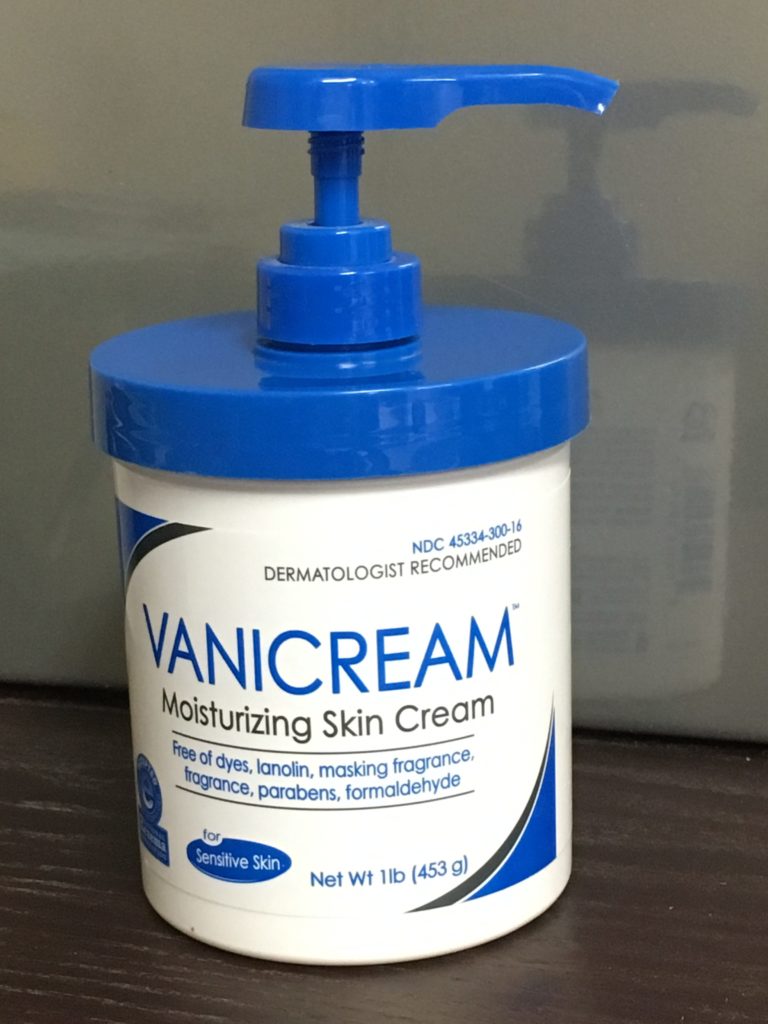
Vanicream Moisturizing Skin Cream is likely at the top of the list of products recommended by any dermatologist, and for good reason.  The Vanicream brand uses clean technology meaning that their products are free of dyes, fragrance, lanolin, parabens, and formaldehyde and offers moisture without a greasy feel.  Almost every single one of my patients is given instructions to use Vanicream skin cream and they often wonder why I recommend it so much.

Do you suffer from dry, itchy skin in the winter especially? Check out my blog post on how to Survive Winter Itch (and be sure to enter to win a Vanicream giveaway!!)

I personally use Vanicream skin cream head-to-toe (on me and on my children).  I find the formula to be perfect to add moisture to my skin without leaving me with a greasy feeling.  Some of the products I use on my face are very drying and mixing a small amount of Vanicream into my daytime and evening moisturizer provides just enough of a boost in moisture to prevent dryness.  This also makes a great body moisturizer and I find that I can massage extra Vanicream into dry areas (elbows, knees, etc) and it helps tremendously.  You will find a tub of Vanicream in almost every room of my house!

Who can benefit from Vanicream moisturizing skin cream

Vanicream for acne patients: Products that target acne and anti-aging often leave your skin very dry and can cause flaking.  Vanicream skin cream will not clog pores and is a great product to apply to help combat the drying effects of acne (and other skincare) products. 

Vanicream for eczema and sensitive skin: Eczema patients tend to have sensitive skin and need to use caution when applying cream or lotions as anything that contains fragrance, dyes or other unnecessary ingredients will cause burning and often won’t provide enough moisture to treat the symptoms.  Vanicream is perfect for sensitive skin and is a powerful moisturizer that will soothe and heal the skin. 

Vanicream for excessively dry skin: Hydrated skin is healthy skin and if you are not drinking enough water during the day it will show in your skin.  In the winter so many people suffer from dry, itchy skin related to humidity levels dropping.  While drinking enough water is essential for hydrated skin, Vanicream offers a boost of moisture and is a great addition to your winter skin time routine. Non-Surgical Nose Job

Where to purchase Vanicream skin cream

A one pound container of Vanicream with a pump can be purchased from Target, Walgreens, or Amazon and is relatively inexpensive.  If you do find that Vanicream skin cream is too heavy for your skin, you may prefer Vanicream Lite Lotion that is targeted for sensitive skin. 

Beyond The Moisturizing Cream…

Vanicream makes more than just this wonderful tub of moisturizer and their other products deserve just as much attention.   In the winter I incorporate Vanicream bath oil into my daily routine to help combat dryness and I have found that Vanicream face wash is great for sensitive skin. 

If you are looking for a moisturizing cream that is ‘clean’, offers great hydration, and won’t break the bank, you cannot go wrong with Vanicream moisturizing skin cream!  

Do you want to try a Vanicream product? Enter my Surviving Winter Itch giveaway. Click here to learn how to manage winter itch and enter to win a tube of Vaniply.

If you struggle with dry, itchy skin in the winter be sure to check out this blog post. I’ve got tips to ease the itch and a GREAT Giveaway.

  • « Previous Page
  • 1
  • …
  • 33
  • 34
  • 35
  • 36
  • 37
  • …
  • 41
  • Next Page »

Problems We Treat

In the Clear

Acne: Adults & Teens

lllumination

Hyperpigmentation, Sun Spots, Melasma

Red, Red Go Away

Rosacea, Facial Redness, Sensitive Skin

Tall Drink of Water

Excessively Dry Skin, Eczema

Fountain of Youth

Anti-Aging, Skin Rejuvenation

Mommy & Me Skin Care

For Pregnant & Nursing Mothers

Just for Kids

Skin Care For Those 12 & Under
Contact
Vibrant Dermatology
588 Providence Hwy
Dedham MA 02026
Phone: (617) 250-0257

Vibrant Dermatology
1 Central Ave.
Milton MA 02186
(entrance at 131 Eliot St.)
Phone: (617) 250-0257

© 2026 Vibrant Dermatology | Site Map | TOS/Privacy Policy | Vibrant Dermatology
book online