
Vibrant Dermatology

Book SkinBar MD Book Dermatology
(617) 250-0257
MENU
  • HOME
  • SHOP
  • ABOUT US
    • Meet Dr. Ip
    • Meet Our Staff
    • Why Vibrant Dermatology
    • Dr. Ip In the News
    • Featured Videos
    • Blog
    • Get Dr. Ip’s E-Book
    • Gap Year Program
    • Contact Us
  • Patient Resources
    • Appointment Policies
    • Insurance Information
  • Before and Afters
  • (617) 250-0257
  • (617) 540-5524
  • online bill pay
  • Book an Appointment
  • Medical Dermatology
    • Acne
    • Allergic Reactions
    • Autoimmune Disorders
    • Benign Growths: Seborrheic Keratoses, Skin Tags
    • Birthmarks, Brown Spots, Moles
    • Cysts
    • Eczema/Rashes
    • Excessive Sweating (Hyperhidrosis)
    • Hair Loss
    • Hives
    • Hyperpigmentation/Brown Spots
    • Keloids
    • Lipomas
    • Melanoma
    • Melasma
    • Nail Fungus
    • Psoriasis
    • Scars
    • Shingles
    • Skin Cancer
    • Skin of Color
    • Vitiligo
  • Surgical Dermatology
    • Cyst Removal
    • Lipoma Removal
    • Mole and Benign Lesion Removal
    • Skin Cancer Surgery
  • Pediatric Dermatology
    • Acne
    • Birthmarks
    • Eczema
    • Moles and Brown Spots
    • Skin Allergies
    • Skin Cancer
  • Cosmetic Dermatology
    • Aqua Facial
    • Neurotoxin (Jeuveau)
    • Chemical Peels
    • Era Elite Laser
    • Hair Loss Treatment
    • IPL Treatment
    • Juvederm
    • Kerafactor
    • LaseMD
    • Laser Treatment for Facial Veins
    • Melasma & Hyperpigmentation Treatments
    • NeoClear Laser Acne Treatment
    • NeoSkin Skin Rejuvenation Treatment
    • Non Surgical Face Lift “Liquid Lift”
    • PRP Treatment
    • PRX Skin Revitalization
    • Radiesse
    • Restylane
    • RF Microneedling
    • Sculptra
    • Sofwave Skin Tightening
    • Stretch Marks Treatment
    • Scalp Revive
  • Wellness
    • Sexual Wellness
    • O-Shot
  • Home
  • Shop
  • About Us
    • Meet Dr. Ip
    • Meet Our Staff
    • Why Vibrant Dermatology
    • Dr. Ip In the News
    • Featured Videos
    • Blog
    • Get Dr. Ip’s E-Book
    • Gap Year Program
    • Contact Us
  • Services
    • Medical Dermatology Services
    • Surgical Dermatology
    • Pediatric Dermatology
    • Cosmetic Dermatology
    • Health and Wellness
      • Sexual Wellness in Dedham, MA
      • Weight Loss in Dedham, MA
  • Before and After Gallery
  • Book Appointment
  • All Products
  • Online Bill Pay

Does Skin Color Affect Acne?

Does Skin Color Affect Acne?

If you have a darker skin tone and suffer from acne, you’re likely looking for a nearby skin of color dermatologist. You may also wonder if safe and effective acne treatments even exist for darker skin. Well, wonder no more. At Vibrant Dermatology in Dedham, MA, we’re proud to offer a range of therapies that can be used on all skin types and colors. Equally important, these treatments work as intended so you can finally enjoy a smooth, radiant complexion.

Does Skin Color Affect Acne?

People of all skin colors are at risk for breakouts, including those of African, Latino, Asian, Middle Eastern, Native American, and Mediterranean descent. For these patients, the skin color changes that accompany breakouts are of primary importance. These dark spots, known as post-inflammatory hyperpigmentation (PIH), develop because the skin produces extra melanin in response to pimples and cysts.

Melanin gives skin its particular color. When the body produces too much in one skin spot or patch, the surface can appear darker than surrounding tissues. The secret to keeping these spots at bay is in treating both the acne and dark patches at the same time. It is therefore crucial when searching for a “black dermatologist near me” that you ensure he or she has the right treatment options for your skin tone.

The Right Methods for Treating Skin of Color

Acne treatments are the same for all skin shades; what must be considered is the potential for side effects, which can vary widely depending on your unique skin tone. One of the safest picks is the PiXel8-RF microneedling system. Unlike traditional lasers, this handheld device emits only radiofrequency (RF) energy. The energy passes through microneedles into dermal tissues in a precise, controlled manner.

You can trust the PiXel8-RF is safe because it virtually eliminates thermal damage to the skin’s surface. This means that, regardless of skin tone, you’re at almost zero risk for developing PIH. And this therapy can address a number of concerns, helping you look younger and fresher by the end of your treatment plan. For instance, in addition to breakouts, the PiXel8-RF can correct:

  • Wrinkles and fine lines
  • Sunspots
  • Age spots
  • Scars
  • Skin laxity
  • Large pores
  • Stretch marks


Collagen Production

The PiXel8-RF uses microneedling to create tiny injuries in the skin’s tissues. This triggers the body’s natural healing process, which includes amplified collagen production. Collagen is a protein that rejuvenates and tightens skin. Essentially, new collagen pushes out the old and, similarly, repairs damaged skin. It also encourages the growth of new healthy cells.

Pairing this rejuvenation process with RF energy only amplifies its healing abilities. Heat delivered to the skin’s deepest layers increases the speed and quantity of collagen production – your skin will look plumper and more radiant. And the microneedling depth can be adjusted for individual treatment areas, allowing the PiXel8-RF to safely treat breakouts:

  • Across the forehead
  • Along the jawline
  • Over cheekbones
  • Under the eyes


NeoClear Laser Treatments

If you’re thinking laser is a no-no for patients with skin of color, we’re happy to say the NeoClear by Aerolase is uniquely gentle. Its laser energy speeds through the epidermis so quickly, it lacks the time necessary to overheat pigment-producing cells known as melanocytes.

This treatment therefore avoids the pigmentation risk that most laser systems present. It’s not only safe for all skin tones but also very effective with a blend of high-powered laser pulses. In turn, fewer treatments are needed to achieve the intended results.

Skin-Clearing Capabilities

When used to treat breakouts, the energy emitted by the NeoClear destroys bacteria and reduces inflammation. It also shrinks the likelihood of future breakouts by decreasing your skin’s sebum output. Sebum is oil, and although some is necessary to keep skin soft and supple, too much clogs pores.

And, of course, the NeoClear encourages collagen synthesis. This means any acne scars you currently have will be whisked away as new skin cells replace the old. Depending on the size of the treatment area, sessions can be completed in around 30 minutes. This laser is equally effective for the face and other parts of the body; as we all know, breakouts can happen in less visible but equally uncomfortable places like the back, chest, neck, and shoulders.

Aqua Facial

This three-in-one treatment combines microdermabrasion and dermal infusion to simultaneously exfoliate, extract, and nourish skin. After just one session, your face will look and feel softer, and as an acne treatment, this facial stops breakouts in their tracks.

Let’s start by talking about microdermabrasion, a minimally abrasive treatment that gently removes the thick, uneven outer layer of facial skin. You’re probably wondering if this is safe for patients of color, but we can assure you it is. Darker skin is generally recognized as being more sensitive. The reason can be attributed to the higher quantity of melanocytes, which make darker skin react more easily and more quickly to stress.

Your Skin Explained

If you tend to break out following specific activities or experience irritation after a day in the sun, now you know why. Your skin is naturally sensitive, but don’t let this deter you from pursuing an acne treatment. Microdermabrasion can be highly beneficial because it acts as an exfoliant. This means it addresses concerns like pimples and hyperpigmentation without damaging already-fragile tissues. It also strengthens collagen for an altogether brighter complexion.

On top of this, the Aqua facial incorporates extractions to heal breakouts. And in the final step, we apply serums that contain vitamins, antioxidants, and anti-aging agents your skin will absorb like a sponge. The specific serums we use are tailored to meet your needs, allowing for a customized treatment that balances skin even as it clears and prevents breakouts.

Chemical Peel

We know what you’re thinking: chemical peels are only safe for lighter skin tones. But this is nothing more than a myth; peels are actually safe for a variety of skin tones. The key is in choosing the right one. Before we get into this, let’s first discuss the ins and outs of peels.

These sometimes elusive treatments can counter a variety of skin concerns, including hyperpigmentation, wrinkles, and breakouts. When administered by a professional, a peel accelerates your body’s natural exfoliation, meaning it sloughs away dead cells so new, healthy cells can take their rightful places. But a chemical peel should not be confused with a scrub you can buy at the local pharmacy; they’re two very different therapies.

A Light Peel Is Best

Far too many peels exist for us to discuss them all here, but they can be organized into three main categories: superficial/mild, medium, and deep peels. The first is ideal for darker skin tones because it’s mild in nature and won’t contribute to hyperpigmentation or scarring. Essentially, you get the benefits of new cell growth without any associated downtime. After treatment, the skin looks cleaner, clearer, and healthier.

Boosters

Adding a booster to your treatment can brighten your skin tone and help repair damaged areas. Vitamin C, for instance, is known for fighting dark spots and supporting collagen production. Specific boosters we offer include:

  • Amplifying glow masks
  • Eye treatment
  • Lip treatment
  • LED treatment, known to improve breakouts


Treatments to Avoid

Patients with darker skin tones should steer clear of lasers (except the ones we mentioned here) for one reason: they can cause permanent damage. In general, applying heat to skin that already has a propensity to pigment can cause spotting.

Lasers you shouldn’t use include Fraxel and Intense Pulsed Light (IPL) treatments. These therapies simply cause too much trauma to skin and can lead to post-inflammatory pigmentation. Hair removal lasers can also be damaging, although an ND-Yag laser is safe for all skin tones, including types four, five, and six.

Slow and Steady

Keep in mind you may need several treatments to achieve the desired results, but that’s common for nearly all patients. Most cosmetic therapies do not work overnight, so if it takes a little longer to clear and smooth your skin, don’t think the treatment isn’t working. You’re dealing with delicate facial skin, and with that in mind, slow and steady is a wise philosophy to adopt.

Tips to Prevent Breakouts

As a society, we tend to embrace the notion that pain is beauty. But if in your home care regimen you find a product stings too much or overly dries your skin, it can likewise make breakouts worse. In addition, never use rubbing alcohol on your pimples; in theory, this may seem beneficial, but alcohol can cause devastating damage to delicate tissues.

Carefully Choose Your Products

When choosing products for your skin and hair, you should take your time and opt for those that are both non-comedogenic and oil-free. Information like this should be posted on the label so you know exactly what you’re purchasing. If you need help choosing the right products for your needs, feel free to ask one of our staff.

Keep Your Hands Off

We know how hard it is to resist popping and squeezing whiteheads. Your face, however, should be a hands-free zone. Any picking you do will prolong the life of your breakouts and spread toxins. It can also bury bacteria deeper into the pore to cause large cysts that can leave scars. Last but not least, picking contributes to PIH, so the best thing you can do for your face is leave it alone to breathe and heal.

Remember Sunscreen

People assume dark skin cannot suffer sun damage, but just the opposite is true. Exposure to UV rays makes dark spots last longer. You can combat this by limiting your time in the sun and wearing sunscreen made specifically for facial tissues.

Use Makeup Carefully

Heavy, oily makeup might hide dark spots, but these products also cause new blemishes. A better alternative is mineral makeup; it’s healthier for skin and does a similarly great job of concealing spots.

Your Answer to Beautiful Skin

Your skin of color needs acne treatments that can be customized and are both gentle and effective. We further understand the sensitive nature of darker skin and can treat blemishes in addition to secondary hyperpigmentation. Don’t delay another moment – schedule your consultation with a nearby African American dermatologist today by calling Vibrant Dermatology in Dedham, MA.


How Long Do Dermal Fillers Last?

How Long Do Dermal Fillers Last?

Not everyone can always have soft, kissable lips and smooth, flawless skin. Even those who were gifted with beautiful skin see their beauty and looks fade with age, and for those of us of color it’s important to see a dermatologist who truly understands your skin’s needs. Dermal fillers, a long-lasting treatment with nearly natural-looking results, can be the answer. At Vibrant Dermatology & Skinbar MD in Dedham, MA, our diverse team of dermatologists can help you discover the perfect filler for your cosmetic concerns.


How Long Do Dermal Fillers Last?

The longevity of your results is based on the type of dermal filler you choose. Some last six months, while others might last up to two years. The huge difference is due to the consistency of each filler. There are multi-purpose fillers and some that are specially formulated for some facial regions or skin concerns. An injectable with a thick viscosity, for example, is ideal for reestablishing cheek contours but not for creating the appearance of softer lips.


Dermal fillers have different purposes based on their formulas. The most common active ingredient is hyaluronic acid. It is a compound that occurs naturally in the body and aids in collagen and elastin production. When injected into the skin to smooth out wrinkles and fine lines, hyaluronic acid can give you a firmer, smoother look.


Why Do Fillers Have Hyaluronic Acid?

Fillers are injectable gels that contain hyaluronic acid, an ingredient that smoothes out wrinkles and plumps the skin. Other active ingredients that stimulate collagen production, resulting in improved skin elasticity and strength, are sometimes mixed with hyaluronic acid. Regardless of the type of filler you choose, you can expect long-term cosmetic benefits and immediate results.


Our black dermatologists are experts when it comes to working with fillers. We can confidently inject hyaluronic acid fillers in a way that won’t damage your skin or cause any potential allergic reactions or side effects. You can rest assured that the treatment is safe and effective for smoothing out wrinkles and strengthening the skin.


Are Dermal Fillers Good for All Ages?

Regardless of your current skin condition or age, you may benefit from a wide range of dermal fillers at our office with black dermatologists. Would you like to preserve or enhance your youthful appearance? We have patients over the age of 21 who use fillers to keep themselves young-looking.
Your body’s production of hyaluronic acid, collagen, and elastin inevitably decrease as you get older. If you’re dealing with the signs of aging, fillers can effectively fade fine lines, wrinkles and smoothen the folds and creases on your skin.


Dermal Fillers From a Dermatologist of Color Near Me

Juvederm

This brand includes several dermal fillers, each formulated to address a specific cosmetic issue. All Juvederm fillers contain hyaluronic acid and lidocaine. We can inject Juvederm fillers over a series of sessions conducted over a period of several weeks.


By alternating the direction of injections, we create a mesh-like pattern beneath the skin’s surface. The pattern serves as a foundation for collagen development, which gives your skin a firm understructure. The results are long-lasting, with many of our patients stating that they’ve been satisfied for at least two years.


Volbella XC

Volbella gives you fuller, more natural-looking lips. It also eliminates the appearance of “smokers’ lines,” which are fine lines around the mouth. Before this filler was available, reducing these lines used to be difficult and challenging. The tiny particles in the Volbella fillers allow us to target and smooth wrinkles without creating a puffy appearance.
The effects can last for a year or even longer.


The technology used in manufacturing this filler ensures that the gel is soft and smooth enough for the best results. Are you thinking about getting lip augmentation but worried that you might not get natural-looking results? You may want to begin with a Volbella filler first.


Ultra XC

This injectable filler is well-known for its ability to plump up certain areas. It’s specifically designed for the lips and mouth area, like Volbella. Still, there are a few differences that set it apart from the other injectables. Ultra is a little more versatile, which can be used to resolve deep smile lines. Because these lines stretch from your mouth to your jawline, you can instantly “lift” your facial appearance by reducing them.


Ultra also has a higher viscosity than Volbella, so it plumps your lips more effectively. If you want to get a more pillow-like effect for your lips, this is the way to go. Ultra is generally recommended for those with more prominent, stronger facial features. The results of an Ultra injectable treatment can last for up to a year.


Vollure XC

Fine lines and wrinkles can be challenging to treat because they are caused by natural fat loss and decreased collagen production. The simplest way to reduce the appearance of wrinkles is by restoring facial volume strategically, which Vollure is designed to do. When injected deep beneath the skin’s surface, Vollure’s rich, thick texture can instantly restore facial contours, giving you a more youthful appearance.
This filler is most effective on marionette lines, thick nasal labial folds, and lines around the mouth in the lower half of the face. It’s been proven to last up to 18 months.


Voluma XC

Voluma is the first-ever, FDA-approved, non-surgical treatment for restoring lost volume in the cheeks. It helps preserve a more youthful contour, thanks to its thick viscosity and targeted use for the mid-face. Voluma adds volume and lifts your appearance in a very natural way. This injectable is one of the most long-lasting choices on the market, with results lasting up to two years.


You can get long-lasting cosmetic benefits from Voluma, thanks to its thick consistency. The filler is made with cross-linked molecules, making it efficient for long-term use. In addition to giving you long-term results, you can also expect immediate benefits with Voluma. Your face will appear visibly fuller and rejuvenated as soon as the treatment is completed.


Belotero

Belotero is also made with hyaluronic acid and utilizes the skin’s natural hydration to fill lines, wrinkles, and creases. After the treatment, you’ll notice immediate results, such as smoother, softer skin. Belotero is also designed to treat deep creases, such as those that run from your nose to your mouth. The effects of Belotero last about half a year.
Maintaining your results with twice-yearly sessions is highly recommended.


Although Belotero contains the same active ingredient as Juvederm products, it has a smoother blend. The formula ensures that the final result is smooth and natural-looking. Belotero is also lighter than many other injectables, allowing it to blend with your face’s natural contours.


Sculptra

Sculptra is made with Poly-L-Lactic Acid (PLLA). This synthetic component slowly degrades after being injected into the skin. It kickstarts collagen production, allowing the skin to renew itself. Unlike Juvederm, the results take longer to appear with Sculptra. You won’t see immediate results after your session.


The most remarkable advantage of Sculptra is that it can rejuvenate the entire face by boosting collagen levels. Other fillers can only target specific fine lines and wrinkles but do not affect the rest of the face. Because of its comprehensive benefits, Sculptra is known as the “liquid facelift” because of its overall restorative effects.


Radiesse

Radiesse, with its thick gel, is most commonly used to improve the hollow, sunken appearance in the eye and cheek areas. We also use Radiesse for diminishing deep folds in the mid and lower facial areas. If you have sunken cheeks that need a volume boost, Radiesse is perfect for you. It can smooth deep creases near the nose and minimize the appearance of so-called “marionette” lines.


What distinguishes this injectable from others? Calcium hydroxyapatite, the active ingredient in Radiesse, plumps the skin right away while also stimulating collagen production. You can get firmer, tighter skin after receiving Radiesse injectable fillers. The results are immediate and long-lasting and can last anywhere from 12 to 18 months.


Kybella

Kybella is one of a kind in terms of its application and the unique benefits it offers. It’s designed to break down fat cells under the chin, and the results are long-lasting. You won’t need maintenance treatments after your Kybella sessions are completed. Kybella permanently destroys fat cells with its active substance, synthetic deoxycholic acid. It kills fat cells in a specific area as an injectable, with repeated sessions. We can tighten the contours of your face using Kybella for a more youthful, symmetrical look.


Reasons To Get Fillers From an African American Dermatologist Near Me

With so many cosmetic treatments to choose from, you may be curious why dermal fillers are the most highly recommended. As dermatologists for people of color, we specialize in this treatment because the results are consistent. Unlike topical creams and serums, fillers do not irritate the skin and only deliver promising results. The injections don’t require any downtime because they’re non-invasive. In as short as half an hour, you can have the treatment and resume your normal activities. There’s no need to deal with scarring or healing, and the results look completely natural.


Enjoy Lasting Results

Most dermal fillers provide long-lasting benefits and results. With a six-month to two-year effectiveness, these treatments are definitely worth your time. You can enjoy a more youthful look without worrying about side effects and adverse reactions. Also, there’s no need to worry about frequent maintenance sessions or eventually losing your rejuvenated appearance. You can feel more confident in your skin and know that you’re always looking your best, even without makeup.


Improve Your Skin Condition

Fillers can also improve your skin’s overall health, a benefit that some people don’t always realize. When you get fillers, you can expect an overall enhancement in your skin’s structure and hydration. By keeping up with your treatments, you’ll also be able to prevent further signs of aging.


Restore Youth and Beauty From a Black Dermatologist Near Me

Would you like to instantly improve your appearance for a rejuvenated, more youthful look? The perfect filler can certainly do that for you. Our staff will be happy to help you get started with a quick treatment that leaves you with subtle but noticeable changes. Contact Vibrant Dermatology & Skinbar MD in Dedham, MA, today and talk to us about your skin. We can’t wait to see you experience the fantastic benefits of fillers!

How Can You Stop Excessive Sweating?

How Can You Stop Excessive Sweating?

Hyperhidrosis is when the body produces excessive sweat. It’s very common, with millions of people worldwide struggling to cover it up. At Vibrant Dermatology & Skinbar MD in Dedham, MA, we understand how embarrassing excessive sweating can be, and we’re here to help you find the right solution for your needs.

How Can You Stop Excessive Sweating?

Antiperspirants

Using an antiperspirant is one of the most obvious ways to cover up excessive sweating. The chemical compounds that form antiperspirants act almost like a cork. They block the pores they’ve been applied to so their ability to produce sweat is hindered.

Antiperspirants usually contain fragrances as well to mask odor throughout the day.

Does Deodorant Work the Same Way?

While many antiperspirants can also serve as deodorants, deodorants by themselves are not antiperspirants. That’s because deodorants are designed just to cover up body odor. They’re not meant to stop any sweat, whereas antiperspirants are usually made to cover up both sweat and odor.

Sometimes Antiperspirants Aren’t Enough

For some patients, over-the-counter antiperspirants may not be enough. You may find yourself having to dash to the bathroom throughout the day to keep applying, or rotating between different brands and ingredients in an attempt to find something that will work.

To add even more frustration, some people are able to find that good fit, only to have it stop being effective for them later on.

Prescription Antiperspirants May Help

There is an abundance of over-the-counter antiperspirants. If you find yourself at the end of your rope buying up all of them and still not finding the right solution, a prescription antiperspirant may be able to help. Prescription antiperspirants are stronger, and usually contain a higher percentage of the most effective active ingredients.

Our office would be happy to explore different prescription antiperspirant options for you. We can take a look at your needs and your skin sensitivity, and give you our recommendation on what we think has the best chance of helping you out.

Oral Medication

If you don’t want to rely on antiperspirants, or if you experience sweating in other areas of your body, there are other options you can consider as well. Some oral medications are able to tell your body to slow down its sweat production.

When you come in for a consultation, we can take a look at your eligibility, and whether or not an oral medication may be the right fit for your life.

Botox

If you’re looking for a solution that lasts longer and requires less upkeep than oral medications or antiperspirants, you may want to consider Botox injections. These injections aren’t limited to under your arms. Other areas that can be treated with Botox can include:

  • Hands
  • Feet
  • The facial area

This versatility makes it an excellent treatment option for patients who struggle with sweat in multiple areas of their bodies.

Understanding Botox

Botox can be used for many different medical conditions. It is formed out of the microbes that cause botulism, but is considered very safe when it’s applied by a professional. It has been used for many years and has been put through rigorous testing.

At the start, Botox made its debut as a cosmetic treatment. It’s still used for cosmetic reasons today, but more uses for Botox are being discovered as time goes on. Cosmetically, it’s great at reducing wrinkles, but it is also used to treat muscle spasms, migraines, and hyperhidrosis.

How Long Will Botox Treatments Last?

You can expect your results to last about six months. That means many patients can come in just twice a year for treatment, and be worry-free for months on end.

Some patients may have to come in more often, while others may be able to go a year or more between their treatments. It’s such an effective treatment that some insurance carriers recognize its importance and are willing to cover it.

How Does It Work?

Botox interferes with the communication between your sweat glands and your nerves. Usually, the nervous system will sense when the body temperature rises and will tell your sweat glands to produce sweat so you can cool down.

For people with hyperhidrosis, the nerves that talk to our sweat glands tend to be overactive, sometimes severely.

Only Treated Areas Are Affected

Botox paralyzes the overactive nerves, so the treated area never gets that signal to produce sweat. It’s important to note that Botox will only stop sweating in the areas it’s injected into.

This is a good thing. It allows your body to still regulate its temperature without drenching you in sweat in the most noticeable areas.

What To Expect From Your Results

There’s no downtime for Botox, so after your treatment, you can get back to your usual activities. As time goes on, your results should become more noticeable. Within a week, you will usually see a significant sweat reduction.

Many patients will enjoy the results at their best after they’ve passed the two-week mark. At this point, we may recommend you come in for a follow-up appointment so we can address any areas that need a touch-up.

Understanding Hyperhidrosis

It Can Affect Different Areas of the Body

One of the most common forms of hyperhidrosis is axillary, meaning it mainly targets under your arms. Other patients may struggle with excessive sweat on their hands, feet, face, scalp, or their body as a whole. Regardless of what areas are affected, we can work with you to find the right treatment.

It Can Have Different Causes

Primary Focal Hyperhidrosis

Sometimes referred to as “idiopathic hyperhidrosis,” primary focal hyperhidrosis doesn’t have a clear cause. When no cause behind hyperhidrosis can be determined, the excessive sweat itself is treated as a medical condition.

Many people who struggle with this form of excessive sweating may notice a symmetrical pattern. If, for instance, your hands sweat excessively, primary focal hyperhidrosis usually won’t just affect one hand. It’s more likely to affect both of your hands.

Secondary Generalized Hyperhidrosis

If your increased sweat levels are caused by either medication or another condition, it likely falls under the category of secondary generalized hyperhidrosis.

You may experience increased sweat levels if you have one or more of the following conditions:

  • Menopause
  • Hypoglycemia
  • Gout
  • Pituitary conditions
  • Diabetes


Benefits of Seeking Professional Treatment

1. Fewer Sweat Stains

Sweat stains can be stubborn. Even with multiple attempts and different strategies, they may not wash out. These yellow stains can be especially rough on white clothing. Throwing a favorite shirt or dress away is not only costly, but it can be a source of frustration and discouragement.

When you find the right treatment, you won’t have to worry so much about wearing your favorite outfit on a hot day. Rather than keeping your best clothes in the wardrobe in an attempt to preserve them, you can actually enjoy them.

Deodorant Stains Can Strike Too

If you rely on dark clothes to hide sweat, you may come across a different kind of stain – the chalky, white stains that can show up on dresses or even through some shirts.

Whether you prefer to wear dark or light clothes, a treatment that reduces sweat and reliance on less effective antiperspirants can help you express yourself however you want to.

2. Increased Confidence

Excessive sweat can be distracting. When you’re just enjoying your day, a special date, or trying to nail an interview, the last thing you want to deal with is a distraction. To make matters worse, sometimes the fear of sweating can actually increase your body’s sweat response.

When sweat builds up under the arms, it can make patients constantly mindful of not raising their arms too high, which may make their body language feel stiff or stifled. The right treatment can help you feel more confident. With less on your mind, you can redirect your energy into getting yourself ready for the moment, rather than worrying about embarrassment.

3. Be Ready for a Special Event

If you have an especially important event coming up, getting everything prepared can be a lot of work and stress. Having excessive sweat treated ahead of time can take one thing off your plate, which can make all the difference when you’re feeling overwhelmed.

4. Feel Cleaner Throughout the Day

Excessive sweating can add another level of exhaustion to work. Besides smuggling antiperspirant in and re-applying on your breaks, it can also get in the way of social life. If your coworkers or friends want to meet for dinner after your shift, you may not have the time to rush home and freshen up.

Rather than missing the gathering or feeling self-conscious during it, the right treatment may allow you to be more spontaneous and make the most of your time.

5. A Greater Sense of Wellbeing

Being able to raise your arms without a second thought is something that seems like a small thing if you don’t struggle with excessive sweat. The truth is, those little things make a big difference in daily life. That constant concern over sweat stains can sap the joy out of activities with friends, or can add stress when you’re running errands and have to reach up for something on a shelf.

Hyperhidrosis doesn’t just affect how you feel when you leave your home. Sometimes excessive sweat can interfere with sleep, as some patients will wake up with their pajamas sticking to them or smelling of sweat despite having been clean when they went to bed.

6. Many Non-Invasive Treatment Options To Explore

Seeking out treatment may feel overwhelming or scary, but it doesn’t have to be! For every treatment that doesn’t seem like a good fit, there are more options to take its place. We know every person and situation is unique, and we’re ready to work with your comfort levels to find you something that can help.

Struggling with excessive sweat can feel lonely and embarrassing, but we’re here to root for you and be your support system. Our hope is to bring you the help you need to be more comfortable and confident in your body.

7. Your Comfort Is Key

In addition to helping you be more comfortable in your body, we want you to feel comfortable with your treatment options. As such, we’d be happy to answer any of your questions or concerns during a consultation.

You’ll be able to tell us what your needs are, and we can work together to go through the treatments we offer to find what you’re comfortable with. Helping people is our joy, and your happiness is our success.

Care You Can Rely On

Our award-winning care, extensive knowledge and experience, as well as the passion and drive to help our patients is the backbone of our practice. If you’re ready to see how we can put our hard work to the test for you, reach out to Vibrant Dermatology & Skinbar MD of Dedham, MA, today to schedule your consultation.

What Is the Best Way To Remove Skin Tags?

What Is the Best Way To Remove Skin Tags?

Skin tags are more than a nuisance. They can be unattractive, they can get caught on jewelry or clothing, and when it comes down to it, they’re completely unnecessary. If you’re one of the millions of Americans who deal with these skin nuisances every single day, the good news is, you don’t have to. At Vibrant Dermatology & Skinbar MD in Dedham MA, we offer different removal methods to help you get rid of these skin anomalies permanently.

What Are Skin Tags?

Skin tags are benign, raised fleshy bumps that form on the surface of the skin. They’re primarily made up of fat cells, tissue, and collagen fibers. Some of these tags even have their own blood vessels and nerve endings, which explains how they can cause pain when scratched or scraped. In layman’s terms, they are just skin tags, but in medical terms, they are called:

  • Acrochordons
  • Fibroepithelialpolys
  • Soft fibromas


Where Do They Form?

Skin tags can appear anywhere on the body, but they are most commonly found in areas with high friction including the underarms, the groin, the eyelids, the neck, and other skin folds on the body. Areas of the body where the skin rubs back-and-forth against other skin or even an article of jewelry or clothing create the perfect environment for their formation.

At first, they can appear as small flesh-colored bumps that blend into your skin, but they can darken over time. Some tags that form on the skin are painless, while others can grow in size. They can cause discomfort, irritation, and can even bleed when irritated by clothing or jewelry.

What Causes Them To Form?

Tags that form on the skin don’t seem to have a preference. Many studies have been performed in an attempt to determine if certain factors affect their formation, but have only lead to theories as to who gets skin tags and why. Even still, the cause of skin tags is unknown. Some factors that play a role in their formation include:

  • Obesity
  • Pregnancy
  • Hormonal changes
  • Type 2 diabetes
  • Genetics
  • A family history of skin tags

Children don’t usually develop them, but both men and women can experience these tags at any age. The most common occurrence is seen after the age of 50. While there is no way to prevent their formation, there is a way to remove them, and we can help you do just that.

Are They Problematic?

We’ve been taught to take notice of, inspect, and worry about any kind of new skin growth, and for a good reason. However, skin tags are completely benign. They can cause discomfort and pain when irritated, but as far as cancer or other health risks are concerned, they’re harmless.

Many people choose to have them removed because they don’t like how they look, they don’t look like how they feel, or they’ve gotten to a point where they interfere with their daily life. If you think that your particular tag doesn’t look or feel normal, you should seek out a professional opinion to put your mind at ease. The removal process is quick and efficient and won’t cause you any discomfort or inconvenience.

Can You Prevent Them?

As of now, there’s no known way to prevent the formation of skin tags, but there are ways to prevent them from getting worse. If you have tags that have formed on your skin and they are bothering you, there are some steps that you can take to reduce the friction in the area. This will not only prevent them from causing you annoyance but can also help prevent new ones from forming. You can:

  • Avoid clothing and jewelry that gets caught on your skin tag
  • Pay attention to areas of your body that are prone to these tags
  • Reduce the overall friction in such to prevent the formation of new ones.

The benefit of removing these benign growths is that once they’re gone, they’re gone for good. However, high friction areas are high friction areas and you may develop new ones in the same area where you had one removed. Some experts swear by a healthy diet, plenty of water, and blood sugar regulation as an effective way to help reduce skin tag formation. If none of these things work for you, you can rest assured knowing that we can remove these tags easily.

How Do I Get Rid of Them?

Most people choose to remove these tags simply because they are bothersome. Others choose to remove them simply for cosmetic reasons because they don’t like how they look. Still, other patients choose to remove these tags due to discomfort. Their tags are located in a spot that experiences constant irritation because of clothing, jewelry, or friction.

When you choose an in-office treatment to remove these tags, you can rest assured that it will be quick, painless, and effective.

Can I Remove Them Myself?

We live in a world of DIY. If you don’t have to schedule an appointment for something, then you don’t. If there’s a quick and easy do-it-yourself method that saves you time and money, you’ll at least try it. There are endless sources online that will tell you that you can easily remove these tags from the comfort of your own home in a quick, safe, and cost-effective manner.

From electronic devices to apple cider vinegar concoctions, the methods are endless. However, most if not all of them are not very effective. Your best, safest, most effective option for skin tag removal is in a dermatologist’s office.

Strangulation

One at-home method for removing these tags is called strangulation. This method involves tying dental floss around the base of the tag. Doing so cuts off circulation and blood flow to the tag. As a result, the tissue dies and the tag falls off. Many people have attempted this DIY method to remove the tags of skin from their bodies.

While this method could prove to be technically effective, it also poses different risks including irritation and infection. Dermatologists don’t usually recommend this at-home method of removal. If something goes wrong, you may not be equipped to properly care for your skin and deal with any pain or side effects that result and may end up scheduling the dermatologist’s appointment that you were trying to avoid.

Freezing Products

Some DIY tag removal products promise to provide effective results through at-home cryotherapy. While these products may potentially give you your desired outcome, they may not do it safely. Whether it’s a device or a topical product, you should always consult with your dermatologist before buying one of these products on a whim.

Dermatologists have seen it all. They’re experienced and they know what does and doesn’t work. They can give you advice that just might save you time, money, discomfort, and even possible scarring.

Your Best Option: In-Office Removal

The safest most effective way to remove your tag is to let an expert handle it. An in-office removal is the best way to treat these tags that form on your skin because all you have to do is show up. You won’t have to worry about removing the tag yourself but you can walk into your appointment with confidence knowing that when you walk out, your tag will be gone.

At our office, our experts are ready and equipped to safely and effectively remove your tag, regardless of its size or location. You’ll get the best results when you let an expert care for your skin, and that’s exactly what you’ll find at our office. We offer many different removal methods and will determine the best one for you and your individual needs.

What Does In-Office Removal Look Like?

When you choose a dermatologist to remove your tag, you can rest assured that not only will you get the best care, but your concerns will be resolved and your tag will be gone. We’ll determine your treatment plan based on how many skin tags you want to remove, their size, their location, and your individual needs. The most common methods of removal include:

  • Freezing them off
  • Burning them off
  • Snipping them off


Freezing

If your tag is small you may benefit from a professional removal process known as cryotherapy that involves freezing the tag off of your body. This process is different from the DIY at-home freezing methods because it is a professional method performed by an expert in a sterile office setting. Before treatment, your dermatologist will clean the treatment area and then begin the freezing process.

He will apply a controlled amount of liquid nitrogen to your skin tag, which will kill the tissue through cryotherapy. After 10 to 14 days, the tag will fall off and it will be gone for good.

Snipping

Another way to remove these tags that form on the skin is through a process called snipping, which in technical terms is called excision. Before treatment, your dermatologist will clean the skin surrounding your tag and then numb the area with a local pain killer so that you will so remain comfortable for the duration of the treatment.

The dermatologist will then use a scalpel or sharp medical grade, sterile scissors to remove the tag. The benefit of this method is that the scab will form, it will protect the skin and help it to heal without risk of infection.

Burning

It may sound barbaric, but we promise it’s not; it’s actually one of the most popular removal methods. Burning, also known as electrocautery, is another method of skin tag removal that effectively removes the tags on your skin for good. Before your treatment, your dermatologist will clean the treatment area and then use a probe or needle that emits electrical current. This method dries out the tag, and eventually, it will fall off.

Which Method Is Right for Me?

The best method of skin tag removal varies from patient to patient. During your initial consultation, one of our experienced dermatologists will help determine which of these methods is right for your needs. They will examine your skin tag and take note of important characteristics including its size and location. Then, they will review the different methods of removal and proceed accordingly. You can rest assured that we will choose the best removal method for your needs.

Schedule Your Consultation

If you’ve lived with these bothersome, fleshy tags on your skin for years, know that we have different solutions that can help you finally be free of them. A very minor treatment can make a big difference in your life. Contact us today at Dermatology & Skinbar MD in Dedham to schedule your initial consultation and to learn more about what we offer, including SkinBar MD treatments, aesthetics, acne and rosacea treatments, facials, skin rejuvenation, and dermal fillers.

What Are the First Signs of Melanoma?

What Are the First Signs of Melanoma?

Are you worried about your skin health? Whether you have a mole you are concerned about or have seen family members deal with melanoma and are wondering about your own risk factors, you’re in the right place. At Vibrant Dermatology & Skinbar MD in Dedham, MA, we deal with a wide range of skin concerns and are here to help you decide if it’s time to schedule a skin exam.

What Are the First Signs of Melanoma?

Look Into Anything New

While checking yourself for signs of melanoma, one of the first things you should look for is any new moles or skin coloration. It can be difficult to tell on your own when a new mole or coloration is normal, especially since aging skin is known to go through some pigmentation changes.

This is one reason it is important to have regular exams so you can point out any concerns to your dermatologist.

Look for Changes or Anything Irregular

In addition to new growths, keep an eye on the moles you already have. If they begin to change, it could be a sign that something more serious is going on. If you find yourself feeling that your mole is looking different or a little strange, it may be time to have it looked at.

Know the Most Common Areas It Can Effect

Unfortunately, melanoma can happen almost anywhere on the body. It has even occurred in the eyes. This is one reason we are strong proponents of full-body skin exams since skin cancer doesn’t only target the areas that have been exposed to the sun.

With that in mind, there are areas of the body that are especially common to find this form of skin cancer. One place it is common to see this cancer develop is the lower back. There are other common locations to discover it, which can vary slightly between the sexes. For women, it’s common to find it on the legs. For men, it can be common to find it on the torso.

The ABCDEs

One of the most helpful tools when it comes to keeping an eye out for this form of skin cancer is what we call the “ABCDEs.”

“A” Represents Asymmetry

If you were to draw a line right through the mole in question, are the two sides asymmetrical? A benign or non-cancerous mole is generally symmetrical on either side. On the other hand, if you were to draw a line down the middle of your mole and the two halves don’t match, that could possibly indicate an issue.

“B” Represents the Border

Does it have an uneven border? Most benign moles have a border that is fairly even and defined all the way around. If the border of your mole is uneven, especially if it looks notched around the edges, it may be time to have it looked into.

“C” Represents Its Color

Does it have the same color, or are there multiple colors present? Benign moles usually come in a single shade of brown. Cancerous moles can sometimes be multiple shades of brown at once, or even have mixtures of red, blue, and black. If your mole isn’t uniform in color, it’s time to have it looked at.

“D” Can Be Either Dark or Diameter

While we are on the topic of color, a mole that is a darker color than the others is something to keep an eye out for. You should also be looking for growths that are lighter than your other moles, as some rarer forms of this cancer can cause growths that are light or colorless.

This form of skin cancer can come in multiple different sizes, but one common warning sign is if a mole is at or larger than the size of a pencil eraser.

“E” Is Considers Its Evolution

Is your mole starting to itch, grow, or change in shape? If you are experiencing any of these symptoms, or if you are experiencing bleeding or scabbing around the area, this could be a warning sign.

In general, keep an eye out for anything that stands out from the crowd or is changing, and schedule a dermatologist appointment as soon as you notice any concerning symptoms. The earlier it is caught, the easier it is to treat.

What Are the Different Kinds?

This kind of skin cancer can come in several different forms, each one with slightly different symptoms associated with it.

Nodular

When this skin cancer takes a nodular form, it involves a new growth that is quickly developing in size. It usually affects the upper body from the chest (or back) up to the head.

These growths are usually dome-like and red, but can also be black or lack pigment altogether. The surface can be smooth or bumpy, and it can produce itching or bleeding.

Superficial Spreading

This form originates from the upper skin layers. Unlike the dome shape common in the nodular form, this form of cancer tends to spread horizontally at first, making it a flatter-looking growth.

It usually originates from a pre-existing mole. Eventually, in a process that could take months or even years, it may begin to penetrate into the deeper layers of the skin, where it develops in severity.

Lentigo Maligna Melanoma

This form is most commonly seen in older individuals. This kind of skin cancer is more likely to pop up in areas that have been consistently exposed to the sun. It develops from lentigo maligna, its precancerous form. In the early stages, it often has a uniform border. This border begins to blur and spread as the growth becomes active.

What Are the Additional Risk Factors?

Anyone can develop skin cancer regardless of skin tone or age. It’s important to always be aware of the common symptoms so you can be looking out for your health, but there are some factors that can put someone at a higher risk when it comes to developing this form of skin cancer.

Family History

If you have a family history of skin cancer, especially if a parent or sibling has developed it, you may be considered at a higher risk of developing it yourself. Be vigilant in protecting your skin, and keep an eye out for any warning signs.

Lengthy Sun Exposure

When you think of sun exposure, it may bring to mind an image of someone laying out on the beach, toasting themselves in the summer sun. While the summer is a notorious time for sunburns and sun exposure, the truth is that lengthy sun exposure can increase the risk of developing skin cancer year-round.

Spending time outside is very important for your health, but there are steps you can take to make sun exposure less of a risk. Using a daily sunscreen is one of them. During the time of day when the sun is at its strongest, it’s a good idea to cover up or stay in the shade. There are even some kinds of clothing that can offer a level of sun protection.

Sunburns That Peel Can Be an Issue

A common issue related to summer activities is sunburn. Some people are excited when they get their first sunburn of the year since they see it as a way to start tanning. Sunburns that peel are of particular concern, but any sunburn can increase your risk of developing skin cancer.

Sunburns are a sign that the genetic material of your skin may have been damaged by the sun’s ultraviolet radiation. While this damage can eventually lead to skin cancer developing where you have been sunburned, it can also lead to skin cancer developing anywhere on your skin. Protecting your skin can help you enjoy outdoor activities safely, without putting yourself at more of a risk for skin damage.

Tanning Beds Count, Too

Rather than being a safe tanning alternative, tanning beds can be a significant risk factor when it comes to developing this form of skin cancer. Tanning is a sign that the body is developing melanin as a way to protect itself from accumulative damage. Whether you get it from the sun or from a salon, there is no such thing as a safe tan.

Lighter Skin

The lighter your skin, the less natural protection it has from sun damage. That said, since skin cancer is a risk for everyone, we recommend that everyone take steps to protect their skin from damage. People with darker skin tones may be more likely to develop this form of skin cancer under their nails, and on their hands or feet.

Having Irregularly Shaped Moles, or Over 50 Moles

Both having moles that are irregular in shape and having over 50 moles can put you at a higher risk of eventually developing skin cancer. Knowing your body and keeping an eye on it is one way you can protect yourself. Regularly check yourself in the mirror for changes, keeping in mind that this form of cancer can show up in unexpected areas.

Melanoma FAQs

1. What Are My Treatment Options?

When caught early, surgical excision is considered a very effective treatment. The cancerous skin will be removed, as well as some healthy skin around the site to make sure that no abnormal cells are left behind. A biopsy will be sent for testing. If you have already had skin cancer, it is commonly recommended that you come for check-ups more frequently so your skin health can be monitored.

In more advanced stages, additional testing will be required. We will check if the cancer has spread, and if so, to what extent it has spread. Depending on the rate of spread, immunotherapy, radiation, and chemotherapy may be necessary.

2. What Age Group Is Most at Risk?

The risk of developing this form of skin cancer does increase with age, but it is not at all uncommon to have patients under 30 years old who already have symptoms. In general, the average age of diagnosis for this form of skin cancer is right around 65 years old.

3. How Can I Protect Myself?

Practicing safe sun exposure can look like avoiding long and unprotected periods in the sun, staying inside when the sun is at it’s strongest, or wearing sunscreen and hats. The best way you can protect yourself is by having yearly skin exams. By catching symptoms while they’re still early, it will help your treatment be simpler and easier.

Don’t Wait When It Comes to Your Health

If you have any concerns about your skin health, it is crucial you seek professional advice immediately. When caught early, this form of skin cancer can be treated. However, if it is left for too long it could prove deadly. Don’t put your health at risk by waiting. Support the health of your body by reaching out to Vibrant Dermatology & Skinbar MD of Dedham, MA, today for your consultation.

How Do You Treat Hormonal Hair Loss for Women?

Scalp Injections

Just like men, women can lose their hair as they age. Women’s hair loss can be caused by a number of issues, including stress, weight loss, and hormonal changes. At Vibrant Dermatology & Skinbar MD in Dedham, Massachusetts, we can use platelet-rich plasma therapy and medications to address hormonal hair loss.

We provide these treatments to people living in Boston, Dedham, Canton, Westwood, Norwood, Sharon, Milton, Foxboro, Walpole, and Needham.

How Do You Treat Hormonal Hair Loss for Women?

Under normal circumstances, you will lose fifty to a hundred strands of hair every day. However, if large clumps of your hair come out when you brush it, or if you are seeing hair thinning along your scalp, you might be dealing with women’s hair loss. Fortunately, there are a number of cosmetic techniques that can address this issue and give you thick, healthy hair.

PRP for Hair Loss

Platelet-rich plasma, or PRP, is a substance that contains regenerative growth factors that are made from your own blood. During a PRP treatment, we will draw your blood and process it to isolate these special growth factors. Next, we will inject the PRP solution directly into your scalp. You are likely to receive three PRP treatments over the course of several months.

As it enters your body, the PRP will improve the blood that is flowing to your hair follicles. It will also improve the quality of your hair shafts. As you continue to receive these treatments, your hair will become healthier and more abundant.

Medications

In addition to using PRP therapy, we can treat your hormonal hair loss with oral and topical medications. For instance, Minoxidil, commonly known as Rogaine, is a topical medication that is applied on your scalp. Over the next three to four months, this medication can improve your hair growth and reduce areas of thinning hair on your scalp.

Who Is a Good Candidate for These Treatments?

To determine which women’s hair loss treatment is right for you, we will look at your hair and scalp. We will also talk about any health issues that you are experiencing. In addition, we might perform a biopsy of your scalp and order laboratory tests. These tests will help us determine whether PRP therapy, medications, or other treatments can successfully address your hair loss.

Under some circumstances, health issues can interfere with your ability to receive certain women’s hair loss treatments. For example, you might not be able to use PRP treatments if you have liver disease, a metabolic disorder, or other health issues. Further, you cannot use this treatment if you are taking blood thinners or if you are a heavy smoker.

Treat Your Hair Loss

You shouldn’t let hormonal hair loss cause you to lose confidence in your appearance. You can address this issue with PRP therapy, medications, and other women’s hair loss treatments. These techniques will improve your hair growth and give you thick, beautiful hair. Give us a call to book your consultation! 

Which Type of Facial Is Best for My Skin Type?

Which Type of Facial Is Best for My Skin Type?
Just as people come in all shapes and sizes, so does skin. We understand this better than most, as we use a variety of therapies to treat every skin type. Chief among these treatments is the facial, which can easily be customized to your needs. At Vibrant Dermatology in Dedham, MA, we offer a variety of treatments that fall under this broad scope to patients throughout the areas of Boston, Dedham, Westwood, Norwood, Canton, Sharon, Milton, Walpole, Foxboro, and Needham.


What Is a Facial?

This is one of the most basic and essential of all skincare treatments. It involves a multi-step process, and each step performs a different task so that collectively, this therapy leaves the skin feeling clean, smooth, and refreshed.

But this therapy is not just one treatment. Instead, it is a collection of modalities used together, including masks, peels, exfoliations, cleansers, and skincare products. Additionally, these therapies can be regularly repeated to provide the best results.

Which Choice Is Best for Your Skin?

To answer this question, we must first understand what kind of skin you have. From there, we can select the treatment that is best for you.

Acne

The root cause of acne is clogged pores. The goal of treatment, therefore, is to remove existing pimples and prevent new ones from developing.

  • In the Clear: a three-step treatment that detoxifies skin and destroys acne
  • Aqua: exfoliates and uses serums for improved skin health
  • Chemical peel: fully customizable and provides deep exfoliation
  • NeoClear Laser: delivers heat energy to clear bacteria and build collagen


Spots and Hyperpigmentation

Skin tone can diminish for any number of reasons, including aging, sun damage, and acne scars. Treatment, therefore, works to restore a natural glow and improve clarity.

  • Illumination: features a hand-picked selection of skin brighteners
  • Aqua: features a pigment lightener safe for all patients
  • Chemical peel: removes damaged surface layers to eliminate scars
  • Illumination Laser: heat energy that seamlessly removes spots and melasma


Sensitive Skin

Under this label falls a mixed bag of conditions, including redness and rosacea. This makes sensitive skin hard to treat, but we can address multiple concerns at once without irritating or drying.

  • Red, Red Go Away: employs gentle, soothing products that calm irritation
  • Aqua: rebalances sensitive skin with a 3-in1 treatment
  • Chemical peel: hydrating ingredients improve acne and stop redness
  • Red, Red Go Away Laser: delivers gentle energy to rejuvenate the skin


Dry Skin

Many times, people try to treat dry skin by slathering on thick layers of multiple products. But this can lead to other concerns, including clogged pores, when the real issue was likely imbalanced pH levels.

  • Tall Drink of Water: contains hydrating ingredients safe even for sensitive skin
  • Aqua: adds hyaluronic acid to the skin to stop dryness
  • Chemical peel: soothes redness and sensitivity
  • Tall Drink of Water Laser: gently improves redness


How They Work

Facials can generally be broken down into five or six steps, each of which is customizable and reflects your individual skin type:
  • Cleansing
  • Exfoliation
  • Massage
  • Mask
  • Moisturizer

Right for You

Almost any type of skin – or any combination thereof – can benefit from these treatments. They are completely safe and incorporate products and techniques designed to address your concerns. Call us today to schedule your consultation!

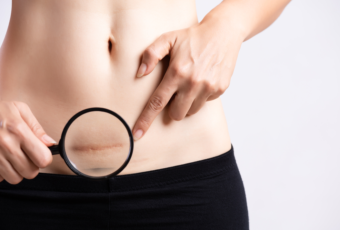
What Causes Scars to Turn Dark?

what causes scars to turn dark

With the new year right around the corner, many of us are turning an eye to the future and thinking about our skin goals for the next year. If your skin has been looking dull or you’ve been having trouble with dark scars and pigmentation issues, then you will be thrilled to learn that there are several scar removal options to minimize the appearance of your scars. At Vibrant Dermatology & Skinbar MD in Dedham, MA, we believe every patient can achieve their glowy skin goals with the right scar removal and cosmetic treatments! Learn more on what causes scars to turn dark and let’s see what procedure we can do to work on it.

What Causes Scars to Turn Dark?

Not all scars are created equally. While there are some atrophic scars and hypertrophic scars that can change the texture of your skin, there are also scars that can change the color or tone of your skin. To be sure, neither scar is an appealing prospect to your goals for even-toned dewy skin, but you might be happy to learn that dark scars are generally easier to treat than textured scars.

There are a few reasons why a scar might turn dark. For example, if a scar was exposed to sunlight during the healing process, there’s a good chance the scar tissue will become pigmented. Dark scars can also be caused by inflammation, poor healing, or the genetics of your skin and how your skin heals. Dark scars are more likely to appear on those with medium and dark complexions, but those with fair skin may also experience dark scars.

How Dark Is a “Dark” Scar?

So, when we’re talking about a dark scar, what exactly qualifies as “dark”? Most patients are surprised to learn that the technical definition of a dark scar is any patch of skin where the pigment is darker than the surrounding skin tone. In other words, dark scars can be a shade or two darker than your complexion, or they can be several shades darker.

The depth of pigment on a dark scar is something that will vary depending on factors like your natural skin tone, the location of the scar, and how long it took the scar to heal. For those with medium to dark complexions, dark scars tend to be brown patches; for fair-skinned people, dark scars tend to be red or red-brown. Dark scars that change the pigment of the skin are usually referred to as hyperpigmentation.

Can Hyperpigmentation Happen Anywhere?

Yes. When it comes to scarring, all skin is created equal – so the same type of injury on different areas of the body always poses the same risk of developing the same type of scarring. Take stretch marks, for example; you are just as likely to develop stretch marks on your stomach as you are on your knees, thighs, buttocks, breasts, arms, and hips.

The same is true for hyperpigmentation scars, so you are just as likely to have a hyperpigmentation scar from acne on your face as you are on your back. However, it should be noted that there is some exception to the rule when it comes to injury healing and sun exposure, which increases the likelihood of dark scarring.

Hyperpigmentation and the Sun

New scars are exceptionally vulnerable to hyperpigmentation from unprotected sun exposure. This has to do with the way the melanin in your skin responds to UV rays, which is usually to darken the natural pigment of the skin. The new skin cells that have formed over your injury are particularly keen to respond to UV rays since they have no natural protection against the sunlight. In other words, new skin is prone to absorbing sunlight and darkening.

What Types of Injuries Are Most Likely to Cause Hyperpigmentation?

There are plenty of injuries that are likely to cause hyperpigmentation. Burn scars, for example, tend to create pigmentation issues on the surface of the skin, usually by creating shiny, darker skin on the area of injury. Likewise, very bad sunburns are also likely to leave pigmentation marks.

However, the most common injury to the skin that will cause hyperpigmentation is acne. Acne is a condition that routinely causes minor injury to the skin due to the way skin responds to acne-causing bacteria by inflammation – in fact, dark scars caused by acne are usually called post-inflammatory hyperpigmentation. Post-inflammatory hyperpigmentation is common across all skin types and skin tones and can occur on any area of the body where acne is present.

Can You Treat Hyperpigmentation?

Yes! Treating hyperpigmentation is very possible. There are many cosmetic treatments for superficial skin concerns that are designed to directly address the scar removal of dark scars, dark spots, melasma, and hyperpigmentation. Most patients meet the qualifications of several cosmetic treatments, which means treating dark scars and uneven skin tone is one of the most common aesthetic goals across the nation.

The most common treatments for dark scars and hyperpigmentation include:

Topical Medication

Dermatologists frequently turn to topical medications to help lighten and brighten the skin. Among topical medications, hydroquinone is one of the most reliable creams used to reduce the visibility of dark scars and produce an even skin tone for the rest of the skin. However, many of these prescription-strength topical medications can only be used for a few months at a time, which means that those who have on-going acne flare-ups or other skin breakouts that cause pigment issues may not find hydroquinone a good long-term treatment option.

Laser Treatments

Laser treatments, especially IPL laser treatments, are usually good treatment options for patients who would like to resolve dark scars permanently. Laser treatments hasten the natural skin cell turnover cycle to renew and resurface the skin, which means a laser treatment is a good scar removal option for dark scars that haven’t faded with time.

Another advantage of laser treatment is the fact that these treatments may also help treat ongoing skin issues, including rosacea and acne, which may help prevent dark scars from forming altogether.

Microdermabrasion

Microdermabrasion is an advanced exfoliating treatment that can buffs away the top layer of dead skin cells that are causing your skin to look dull and flat. As a treatment that accelerates the natural skin cell turnover cycle, microdermabrasion can help reduce the appearance of dark scars over time and also help your surrounding skin have a more even tone.

Microneedling

Microneedling is the current gold standard for aesthetic treatments across the nation due in large part to the fact that microneedling can assist with any number of superficial skin concerns – including dark scar removal. Microneedling is a treatment that uses 1.5mm or 2mm needles to pierce the surface layer of the skin to create micro-injuries, which in turn will stimulate the body’s natural regenerative process.

Microneedling is an effective treatment to reduce fine lines, wrinkles, skin laxity, enlarged pores, atrophic acne scarring, dark spots, and dark scarring. This treatment not only induces the production of collagen to restore volume and elasticity to the skin, but it also resurfaces the skin and helps exfoliate the top level of the skin to even out skin tone and quality.

Dermaplaning

Dermaplaning is another exfoliating treatment that sloughs away dead skin cells, as well as potentially pore-clogging peach fuzz on the surface of your skin. The main benefit of dermaplaning is the amount of brightening it can accomplish for your skin. Over time, dermaplaning will remove enough dead skin cells to minimize the appearance of hyperpigmentation.

Chemical Peels

Chemical peels are one of the oldest aesthetic treatments in the world, so it shouldn’t be any surprise that a chemical peel can help lighten the appearance of dark scars and aid in scar removal. Chemical peels use powerful acids to both remove the top level of dead skin cells and penetrate the sub-dermal layers of skin to stimulate the body’s natural regenerative response.

Usually, light chemical peels are adequate treatments to remove dark scars or reduce the appearance of hyperpigmentation. That said, you may also find that chemical peels can help even the texture of atrophic scars as well, particularly when the treatment is used regularly.

Facials

Many facials can help resurface the skin to perfect skin appearance and reduce visible dark scarring. One facial we favor is the Aqua Facial, which combines three aesthetic techniques into a single treatment that cleanses, exfoliates, and infuses the skin with active ingredients for both skin rejuvenation and skin health.

Time

While some scars won’t go away by themselves, there are others where time does the trick to minimize the appearance of the scar. For dark scars that are primarily superficial, the best scar removal treatment is simply time and your natural skin cell turnover cycle.

This is the cycle that determines how quickly dead skin cells are shed and replaced with new skin cells. Most people have a skin cell turnover cycle that lasts between 28 and 40 days, with longer cycles being attributed to aging. What this means for you is that some superficial pigmentation and hyperpigmentation may be mostly resolved by itself through the natural skin cycle.

Can You Prevent Hyperpigmentation?

Yes. Although hyperpigmentation is somewhat inevitable depending on the type of injury that caused the scar, you will also find that there are some things you can do to prevent hyperpigmentation – or reduce the degree of hyperpigmentation, if your skin is particularly prone to scarring after inflammation.

Heal the Injury Well

Proper wound care is the best way to avoid developing dark scars. To heal an injury well, it’s essential that you keep the wound clean, covered, and moisturized. Adequate wound care will keep skin tissues soft and protect the new skin from any additional trauma that can cause hyperpigmentation.

Avoid Sunlight

Avoiding unprotected direct sunlight is also a good way to avoid hyperpigmentation, whether you have an active scar-causing injury or not. If you must be in the sun, then you should always be sure to wear sunscreen graded at least 30 SPF to protect your skin from the risk of dark scarring.

Can the SkinBar MD Club Help With Hyperpigmentation?

Absolutely! Our SkinBar MD Club can assess your skin and help you build a long-term beauty plan that will treat any current issues you have and help you prevent future issues down the line. In fact, one way to determine if you are a good candidate for dark scar removal is to book a consultation at our SkinBar MD Club.

Get Scar Removal Today

New year, new you – and new skin. If your goal is to finally achieve a healthy, even-toned glow for your skin, then the top of your to-do list is to find a treatment for your dark scars. If you’re ready to meet your skin goals, please schedule a consultation at Vibrant Dermatology & Skinbar MD in Dedham, MA today!

What Do I Need to Know Before Getting Botox?

What Do I Need to Know Before Getting Botox?
Botox may be just the choice for you if you want to improve the appearance of fine lines and wrinkles. It is the single most popular cosmetic treatment across the United States thanks to its speed, ease, and efficacy. At Vibrant Dermatology in Dedham, MA, we think you should see the benefits of this therapy for yourself and we are proud to offer Botox to anyone in the Boston, Dedham, Westood, Norwood, Canton, Sharon, Milton, Walpole, Foxboro, and Needham areas.


What Is Botox?

The answer is easy: an injectable therapy that relaxes muscles in a specific treatment area. By blocking messages transmitted from nerves to the brain, it essentially renders treated muscles immobile. Fine lines can no longer appear, but you’re still able to move your face in a completely natural and appropriate way.

Commonly treated areas include:

  • Horizontal lines in the forehead
  • Lines between the eyebrows (“11” lines)
  • Lines around the eyes (crow’s feet)
  • Lines near the mouth (smile or frown lines)
  • Dimpling in the chin


What You Should Know

You can begin this treatment at any time in your life, meaning you don’t need to be a certain age to enjoy its benefits. People as early as their 20s use it to prevent wrinkles. Because this treatment prohibits muscle contractions, new lines cannot form. Similarly, patients in their 40s or 50s can use it to reduce lines that have already formed. Essentially, all can see results.

Lunchtime Therapy

Many people herald this as a lunchtime therapy, which it really is. We say this because, depending on the number of areas to be treated, an appointment usually takes under 30 minutes. Some require just 10 minutes. Anyone with a hectic schedule can likely find the time to treat themselves.

You Should Exercise Before

We inject this therapy as a liquid. For this reason, we advise patients to refrain from exercise for about 24 hours after their appointment. There is a very slight chance the serum will move once injected, although that’s unlikely. The heavy concentration alone helps to keep it in place. But in an effort to provide the best care possible, we like to be a little cautious.

The Neurotoxin Label

You may have heard this therapy is considered a neurotoxin, but that’s actually beneficial. This label describes the way in which the treatment works – to stop routine nerve activity. Only those nerves – and muscles – in the direct treatment area are affected, so you can be assured of precise and targeted delivery.

Results Show In a Few Days

If you don’t notice an immediate improvement in your fine lines, don’t worry. This is completely normal. The treatment takes three to five days to begin working, at which time you will notice natural-looking, subtle, and youthful refinements.

Is This for You?

Generally speaking, patients over 18 years old who want to reduce the effects of aging are candidates for this therapy. You’ll enjoy lasting results – around six months – and can continue treatment for as long as you want. This therapy also pairs well with other cosmetic treatments, including glow masks and injectable fillers. By developing a comprehensive plan, we can completely rejuvenate your appearance. Give us a call today to book your consultation! 

What Should I Do for Skin Tightening?

What Should I Do for Skin Tightening?

You feel young. You feel healthy. But your skin tells a different story. It reveals your chronological age and decades of unprotected sun exposure and the inhalation of secondhand smoke. You want tighter skin, but no over-the-counter cosmetic product has been effective. You need skin tightening services at Vibrant Dermatology & Skinbar MD in Dedham, MA.

What to Do for Tighter Skin

Radiesse

If you’re looking to tighten and smooth the skin of your face, chest, or hands, Radiesse may be the ideal solution for you. Skin becomes lax with age due to a reduced presence of strong elastin and healthy collagen This unique dermal filler is FDA-approved to tighten and smooth the skin simultaneously, eliminating moderate-to-severe folds and wrinkles affecting the appearance of your hands, decollete and face.

Unlike other dermal fillers, this injectable comprising tiny calcium hydroxyapatite microspheres is best suited to treat lost volume around your cheeks and mouth. However, it can also beautifully treat such common areas of concern as severe asymmetry, marionette lines, smile lines, and nasolabial folds. This may be the appropriate anti-aging treatment for you if you wish to instantly enhance your cheekbones.

Restylane

Restylane is a hyaluronic acid-based dermal filler that complements Radiesse perfectly. Radiesse is better suited for defining the cheekbones and improving symmetry around the cheekbones and mouth. Restylane is better suited for dramatically augmenting the cheeks without surgery and synthetic implants. The appropriate formulation to augment the cheeks and treat severe volume loss in the hands is Restylane Lyft.

Restylane Refyne is a more appropriate formulation for you if you are concerned about marionette lines and nasolabial folds. Furthermore, if you believe you need to augment your lips, we’re excited to offer Restylane Defyne. This formulation, like Restylane Refyne, is appropriate for people with severe volume loss. It is not designed to treat subtle asymmetry. Finally, Restylane can be used to treat deep, dark circles under your eyes.

Juvederm

Like Restylane, Juvederm is a hyaluronic acid-based dermal filler. Juvederm Voluma, like Restylane Lyft, can be used to treat severe volume loss in the midface. To treat smile lines and marionette lines, you need Juvederm Ultra Plus, another anti-aging treatment Dr. Ip proudly offers. Juvederm Ultra is the ideal treatment for people with thin lips.

Discover the Best Skin Tightening Treatment for You Today

To tighten your skin, improve its health, and boost your self-confidence, you may benefit from a combination of Radiesse, Restylane, and Juvederm. To identify which combination of treatments is most appropriate for you, please reach out to our team of friendly professionals at Vibrant Dermatology & Skinbar MD in Dedham, MA.

Dr. Joyce Imahiyerobo-Ip has proudly served the residents of the local communities, including Boston, Westwood, Norwood, Canton, Sharon, Milton, Walpole, Foxboro, and Needham for years and has over a decade of award-winning experience and specialized expertise in cosmetic, surgical, and medical dermatology. If you’re afraid of needles, tell Dr. Ip that you would prefer the medication to be delivered via cannula. She is trained in Cannula Delivery of Dermal Fillers.

  • « Previous Page
  • 1
  • …
  • 27
  • 28
  • 29
  • 30
  • 31
  • …
  • 41
  • Next Page »

Problems We Treat

In the Clear

Acne: Adults & Teens

lllumination

Hyperpigmentation, Sun Spots, Melasma

Red, Red Go Away

Rosacea, Facial Redness, Sensitive Skin

Tall Drink of Water

Excessively Dry Skin, Eczema

Fountain of Youth

Anti-Aging, Skin Rejuvenation

Mommy & Me Skin Care

For Pregnant & Nursing Mothers

Just for Kids

Skin Care For Those 12 & Under
Contact
Vibrant Dermatology
588 Providence Hwy
Dedham MA 02026
Phone: (617) 250-0257

Vibrant Dermatology
1 Central Ave.
Milton MA 02186
(entrance at 131 Eliot St.)
Phone: (617) 250-0257

© 2026 Vibrant Dermatology | Site Map | TOS/Privacy Policy | Vibrant Dermatology
book online