Vibrant Dermatology

Book SkinBar MD Book Dermatology
(617) 250-0257
MENU
  • HOME
  • SHOP
  • ABOUT US
    • Meet Dr. Ip
    • Meet Our Staff
    • Why Vibrant Dermatology
    • Dr. Ip In the News
    • Featured Videos
    • Blog
    • Get Dr. Ip’s E-Book
    • Gap Year Program
    • Contact Us
  • Patient Resources
    • Appointment Policies
    • Insurance Information
  • Before and Afters
  • (617) 250-0257
  • (617) 540-5524
  • online bill pay
  • Book an Appointment
  • Medical Dermatology
    • Acne
    • Allergic Reactions
    • Autoimmune Disorders
    • Benign Growths: Seborrheic Keratoses, Skin Tags
    • Birthmarks, Brown Spots, Moles
    • Cysts
    • Eczema/Rashes
    • Excessive Sweating (Hyperhidrosis)
    • Hair Loss
    • Hives
    • Hyperpigmentation/Brown Spots
    • Keloids
    • Lipomas
    • Melanoma
    • Melasma
    • Nail Fungus
    • Psoriasis
    • Scars
    • Shingles
    • Skin Cancer
    • Skin of Color
    • Vitiligo
  • Surgical Dermatology
    • Cyst Removal
    • Lipoma Removal
    • Mole and Benign Lesion Removal
    • Skin Cancer Surgery
  • Pediatric Dermatology
    • Acne
    • Birthmarks
    • Eczema
    • Moles and Brown Spots
    • Skin Allergies
    • Skin Cancer
  • Cosmetic Dermatology
    • Aqua Facial
    • Neurotoxin (Jeuveau)
    • Chemical Peels
    • Era Elite Laser
    • Hair Loss Treatment
    • IPL Treatment
    • Juvederm
    • Kerafactor
    • LaseMD
    • Laser Treatment for Facial Veins
    • Melasma & Hyperpigmentation Treatments
    • NeoClear Laser Acne Treatment
    • NeoSkin Skin Rejuvenation Treatment
    • Non Surgical Face Lift “Liquid Lift”
    • PRP Treatment
    • PRX Skin Revitalization
    • Radiesse
    • Restylane
    • RF Microneedling
    • Sculptra
    • Sofwave Skin Tightening
    • Stretch Marks Treatment
    • Scalp Revive
  • Wellness
    • Sexual Wellness
    • O-Shot
  • Home
  • Shop
  • About Us
    • Meet Dr. Ip
    • Meet Our Staff
    • Why Vibrant Dermatology
    • Dr. Ip In the News
    • Featured Videos
    • Blog
    • Get Dr. Ip’s E-Book
    • Gap Year Program
    • Contact Us
  • Services
    • Medical Dermatology Services
    • Surgical Dermatology
    • Pediatric Dermatology
    • Cosmetic Dermatology
    • Health and Wellness
      • Sexual Wellness in Dedham, MA
      • Weight Loss in Dedham, MA
  • Before and After Gallery
  • Book Appointment
  • All Products
  • Online Bill Pay

Laser Treatments for Melasma: Benefits and Expectations

Laser Treatments for Melasma: Benefits & Expectations | Vibrant Dermatology

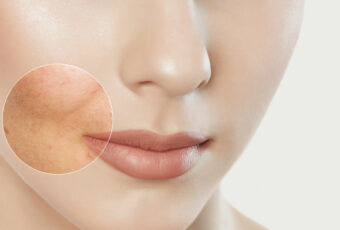
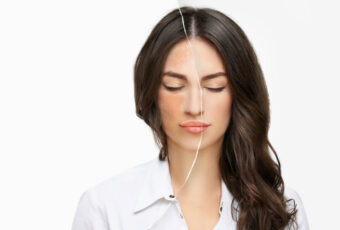
Melasma, a skin condition characterized by dark, discolored patches, can negatively affect facial aesthetics. It’s caused by various factors and can be both noticeable and persistent. At Vibrant Dermatology in Dedham, MA, we offer laser treatments designed to address melasma. We use targeted laser therapy to help reduce the visibility of these patches, providing a non-invasive option for those seeking improvement.

What Is Melasma?

Melasma is a skin condition where darker, brownish patches emerge on the skin, predominantly on the face. This pigmentation issue is not harmful but can cause aesthetic concerns for individuals. The affected areas usually include the forehead, cheeks, and upper lip, where the patches create an uneven skin tone.

Who Is Affected By Melasma?

Melasma often impacts women, especially during periods of hormonal changes such as pregnancy, known as the “mask of pregnancy.” It can also affect men, though this is less common. Individuals with darker skin types are more prone to developing melasma, due to having more active melanocytes than those with lighter skin.

Common Causes of Melasma

The causes of melasma are multifaceted, often linked to sun exposure and hormonal fluctuations. Prolonged exposure to ultraviolet light can trigger melanocytes, the cells responsible for pigment production, leading to melasma. The use of birth control pills can also contribute to its development.

How Can Laser Treatments Help With Melasma?

Laser treatments are a type of melasma skincare that are effective in reducing the visibility of dark patches. These treatments work by targeting melanin, the pigment responsible for the coloration of melasma patches. The laser’s light is absorbed by the melanin, leading to its gradual breakdown and fading of the dark spots. This process can help create a more uniform skin tone, alleviating the patchy appearance caused by melasma.

The Aerolase® Neo Laser

The Aerolase Neo Laser can provide an effective melasma treatment by emitting a gentle yet powerful laser that penetrates the skin to target melanin without harming the surrounding tissues. Its unique approach allows for the effective treatment of melasma with minimal discomfort and downtime. The Aerolase Neo Laser is known for its precision and ability to treat a variety of skin types, making it a versatile option for those seeking relief from melasma.

The Benefits of Using the Aerolase Neo Laser for Melasma

A More Targeted Treatment

The Aerolase Neo Laser offers precision in its treatment of melasma. Its advanced technology allows for precise targeting of melanin-rich areas, minimizing the impact on surrounding skin. This precision not only enhances the effectiveness of the treatment but also helps in preserving the overall integrity of the skin.

Minimal Discomfort

One advantage of laser treatment is the minimal discomfort it causes. This laser delivers quick pulses of light, reducing the sensation of heat on the skin. Many patients report a comfortable experience, with little to no downtime, making it a convenient option for those with busy lifestyles.

Suitable for Various Skin Types

The Aerolase Neo Laser is effective across a diverse range of skin types, making it an inclusive skin hyperpigmentation treatment option. It is designed to be suitable and effective for individuals with varying skin tones, including those who might not be suitable candidates for other types of laser treatments.

Shorter Treatment Time

Treatments with the Aerolase Neo Laser require very little time spent in the office. Its efficiency in targeting pigmentation allows for quicker sessions, which can increase comfort and let you get back to your day faster.

Improved Overall Skin Tone

Beyond targeting melasma, the Aerolase Neo Laser contributes to an improved overall skin tone. This melasma treatment helps in evening out skin pigmentation, leading to a more balanced and radiant complexion.

What to Expect From the Treatment

What to Expect From Pre-Treatment Care

As you prepare for your skin hyperpigmentation treatment, you’ll be advised to avoid sun exposure and certain skincare products that could sensitize your skin. We may recommend a specific skincare regimen to ensure your skin is in optimal condition for the treatment.

What to Expect From the Treatment Itself

During the laser treatment, the Aerolase Neo Laser targets the affected areas with precision. You might feel a mild sensation akin to the snapping of a rubber band against your skin, but generally, the treatment is well-tolerated. The session’s duration varies depending on the extent of the melasma but typically lasts no longer than 30 minutes.

What to Expect From Your Recovery and Results

Post-treatment, you may experience slight redness or swelling, which typically subsides within a few hours to a day. It’s important to follow post-treatment care instructions, like continuing to avoid sun exposure and using sunscreen. Results vary, but many patients notice a gradual improvement in their melasma, with skin becoming more even-toned over the course of several treatments. Regular sessions, as recommended by your dermatologist, will yield the best results.

Tips for Melasma Prevention

For effective melasma prevention, a balanced approach focusing on sun protection and melasma skincare is important. Using broad-spectrum sunscreen with SPF 30 or higher and wearing protective clothing like wide-brimmed hats can help minimize UV exposure, which is an important factor in managing melasma.
Adding antioxidants to your skincare routine can support your skin’s defenses against sun damage. It’s also beneficial to consult with a dermatologist for personalized advice, especially to address any hormonal factors that may influence melasma. Maintaining regular skincare and sun protection can help prevent melasma.

Target Your Melasma With Laser Treatments in Dedham, MA

Melasma, with its unique challenges, can be effectively managed through specialized treatments like those offered at Vibrant Dermatology. Serving Dedham, MA, we provide a range of options, including the advanced Aerolase Neo Laser, to help address this skin condition. For more information or to schedule a consultation, please reach out to us or call us at (781) 708-9299 and take the first step toward addressing your melasma concerns.

Preparing for Scalp Injections: Tips for a Smooth Treatment Experience

Preparing for Scalp Injections: Tips for a Smooth Treatment | Vibrant Dermatology

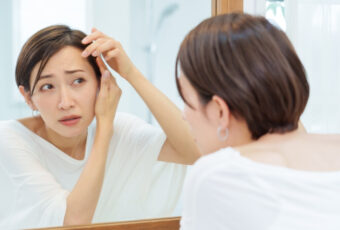
Scalp health, while an important part of overall wellness, is often overlooked in routine skincare discussions. At Vibrant Dermatology in Dedham, MA, we understand the complexities of scalp-related issues and the importance of effective treatments. One such innovative approach is scalp injections, a treatment gaining traction for its effectiveness in various scalp conditions. Let’s delve into scalp injections, offering guidance on preparing for this treatment and highlighting its multifaceted benefits.

What Are Scalp Injections?

Scalp injections are a medical treatment involving injecting specific substances directly into the scalp. These injections target various conditions, including scalp acne, psoriasis, and hair loss. By delivering treatment directly to the affected area, scalp injections ensure a higher concentration of the medication, making them a potent option for those wondering how to get rid of scalp acne or other scalp issues. These injections can contain a variety of substances:

Platelet-Rich Plasma (PRP)

This is one of the most common substances used in scalp injections. PRP is derived from the patient’s blood, which is processed to concentrate the platelets. These platelets are rich in growth factors that can stimulate hair follicles, potentially leading to increased hair growth and thickness.

Corticosteroids

In certain types of alopecia, such as alopecia areata, an autoimmune condition that causes hair loss, corticosteroid injections are used. These injections help suppress the immune response attacking hair follicles, reducing inflammation and promoting hair regrowth.

How Can You Prepare for Scalp Injections?

Preparing for scalp injections involves several steps to ensure a smooth treatment experience and the best possible results. Here are some tips to help you get ready for your appointment:

Avoid Certain Medications

Before your treatment, your doctor may advise you to avoid certain medications that can increase bleeding, such as aspirin, non-steroidal anti-inflammatory drugs (NSAIDs), or blood thinners. Always consult with your healthcare provider before stopping any prescribed medication.

Keep Your Scalp Healthy

Ensure your scalp is in good condition before the treatment. Avoid harsh hair treatments, chemical dyes, or other scalp irritants for a few days before your appointment.

Stay Hydrated and Eat Well

Proper hydration and nutrition can aid in recovery. Drink plenty of water and eat a healthy meal before your appointment to ensure you’re well-hydrated and have enough energy for the treatment.

Prepare Your Scalp

Wash your hair and scalp the night before or the morning of the treatment to ensure it is clean. Avoid applying hair products like sprays, gels, or oils after washing.

Wear Comfortable Clothing

Comfortable clothing is essential for ease and maintaining the service’s integrity post-treatment. It is advisable to choose garments that do not require being pulled over the head, such as button-down shirts or blouses, to avoid contact with the scalp.

Anticipate Post-Treatment Care

Be ready to follow post-treatment care instructions, including avoiding washing your hair for a certain period, not using certain hair products, and avoiding direct sunlight or strenuous activities.

Set Realistic Expectations

Understand that results vary from person to person and that multiple sessions might be necessary to achieve desired results. Patience is key in seeing the effectiveness of scalp injections.

What Are the Benefits of Scalp Injections?

Apart from treating scalp acne, scalp injections offer several other benefits. Those benefits include:

Customizability

Scalp injections can be customized according to the specific needs of the individual. The type and concentration of substances used can be tailored based on the treatment condition and the patient’s response to therapy.

Minimally Invasive With Minimal Downtime

As a non-surgical treatment option, scalp injections are minimally invasive and usually require no downtime. Patients can typically return to their daily activities immediately following the treatment.

Can Complement Other Treatments

Scalp injections complement other treatments for hair loss and scalp conditions. When used with topical applications, oral medications, or light therapy, they enhance overall efficacy, providing a more comprehensive solution.

Improvement in Scalp Health

Substances like PRP or other hydrating compounds can improve the overall health of the scalp. A healthier scalp environment can promote better hair growth and improve the quality of existing hair.

Localized Treatment

Since the treatment is localized, it minimizes systemic side effects that might occur with oral medications. This makes scalp injections a safer option for individuals who might be sensitive to certain drugs or those who prefer to avoid systemic treatments.

Who Makes a Good Candidate for Scalp Injections?

Scalp injections are an effective treatment option for those experiencing conditions such as scalp acne, psoriasis, or hair loss. Before opting for this treatment, several factors need to be considered, including the severity of the condition, overall health, and previous treatments’ response. 

Moderate to severe conditions might benefit more from scalp injections, and good general health is crucial. Individuals who haven’t responded well to topical treatments might find scalp injections more effective. If you’re experiencing scalp acne, acne on the scalp, hair loss, or psoriasis, we recommend consulting with us to determine if scalp injections are the right treatment for you.

Improve Scalp Health Today With Scalp Injections in Dedham, MA

Whether you are struggling with scalp acne, hair loss, or other scalp issues, scalp injections can be a promising solution. At Vibrant Dermatology in Dedham, MA, we specialize in providing tailored dermatological treatments for all your needs. Our scalp injection treatment is designed to target and treat scalp acne and hair loss by delivering treatment of PRP or corticosteroids directly to the affected areas of the scalp. This non-invasive and effective treatment can help you achieve a healthier, more vibrant scalp.  

Contact us online or call (781) 708-9299 to schedule a consultation and learn more about our scalp injection treatment and other dermatological solutions.

Effective Treatments for Melasma: What Works and What Doesn’t

Effective Treatments for Melasma: What Works & What Doesn't | Vibrant Dermatology

Melasma, a common skin condition, presents as dark, discolored patches, often affecting women more than men. Understanding the most effective melasma treatments can be challenging, given the myriad options available. Here, we will guide you through what works and doesn’t in treating melasma and how we can help you here at Vibrant Dermatology in Dedham, MA.

What Is Melasma?

Melasma is a common skin condition characterized by the development of brown or grayish-brown patches, primarily on the face. It’s more prevalent in women, particularly during hormonal shifts such as pregnancy or when using birth control pills, but it can also affect men.

Melasma is thought to be triggered by a combination of genetic predisposition and external factors, with sun exposure being a significant contributor. The condition arises due to an overproduction of melanin, the pigment that gives color to our skin, hair, and eyes. It often appears symmetrically on the cheeks, forehead, nose, and upper lip, and its intensity can vary depending on factors like sun exposure and hormonal changes.

What Should You Avoid if You Have Melasma?

When dealing with melasma, it’s crucial to understand that specific treatments and activities might exacerbate it. It’s crucial to avoid the following.

Harsh Exfoliants

Using harsh physical exfoliants can lead to skin irritation and inflammation, which may exacerbate melasma. These exfoliants, often with gritty textures, can damage the skin’s protective barrier, making it more vulnerable to environmental factors that can worsen melasma. It’s advisable to opt for gentler exfoliation methods that do not aggressively strip the skin.

Other Harsh Skincare Products

Melasma is a skin condition characterized by dark patches, often triggered or worsened by irritation. Harsh skincare products can include those with strong chemicals or excessive alcohol content. These products can irritate the skin, potentially leading to inflammation and exacerbating melasma. It’s recommended to use gentle, non-comedogenic skincare products and to avoid any skincare practices that can cause irritation or damage to the skin.

Unprotected Sun Exposure

Sun exposure can significantly aggravate melasma by stimulating melanocytes, the cells responsible for pigment production. This is why protecting your skin with broad-spectrum sunscreens that block UVA and UVB rays is crucial. Additionally, wearing protective clothing and seeking shade, especially during peak sunlight, can help manage melasma effectively.

Certain Lightening Products

Some over-the-counter lightening products contain harmful substances like mercury or high levels of steroids. These ingredients can lead to serious side effects, including skin thinning, increased risk of sunburn, and long-term health issues. Instead, it is safer to choose clinically proven lightening agents and use them under the guidance of a dermatologist.

What Are Some Effective Treatments for Melasma?

Various melasma treatments have been found effective in managing the condition. At Vibrant Dermatology, we provide several of these options.

Topical Creams

Topical creams for melasma often contain active ingredients like hydroquinone, retinoids, and azelaic acid. Hydroquinone works by lightening the skin and reducing the appearance of dark patches. Retinoids, derived from vitamin A, promote skin cell turnover, helping to fade melasma over time. On the other hand, azelaic acid targets melanin production directly, helping to reduce the pigmentation caused by melasma.

Aerolase Laser

The Aerolase laser is a gentle yet effective treatment for melasma. It uses microsecond pulses of light energy to target and break down melanin, the pigment causing the dark melasma patches, without damaging the surrounding skin. This laser treatment is suitable for all skin types, including darker skin tones, which are often at a higher risk for post-treatment pigmentation changes. Patients can resume their regular activities almost immediately after treatment with minimal downtime. The Aerolase laser is known for its comfort, often requiring no anesthesia, making it a preferred option for those seeking a non-invasive approach.

Chemical Peels

Chemical peels are another option for treating melasma. They involve applying a chemical solution to the skin, which causes the top layers to peel off, revealing fresher, more evenly toned skin underneath. Peels vary in strength, from mild formulas that offer subtle improvements to stronger peels for more dramatic results. The process not only helps reduce the appearance of melasma but also improves overall skin texture and tone.

How Can You Get Started With Any of These Treatments?

The initial step is to arrange a professional consultation to explore which treatment options are right for you. This process is crucial in developing a tailored treatment plan that addresses the specific characteristics of your melasma. Our approach is centered on personalization at Vibrant Dermatology in Dedham, MA. We understand that each case of melasma is unique, influenced by individual factors such as skin type, the extent of pigmentation, and underlying causes like hormonal changes or sun exposure.

During your consultation, we will thoroughly evaluate your skin. This examination is about assessing the affected areas and understanding your skin’s overall health, sensitivity, and any previous treatments you may have tried. We take the time to listen to your concerns, answer your questions, and discuss your treatment goals.

Get Your Glowing Skin Back With Melasma Treatments in Dedham, MA

Melasma is a common skin condition that can cause dark, discolored patches on your face. At Vibrant Dermatology in Dedham, MA, we understand how frustrating it can be to deal with melasma. That’s why we offer a range of professional melasma treatments to help manage this condition and improve the appearance of your skin. However, it’s important to remember that successful melasma management also requires a consistent and diligent skincare routine. We can provide more information on melasma treatment options and help you create a skincare plan that suits your needs. 

Contact us online or give us a call at (781) 708-9299 to schedule a consultation and take the first step toward healthier, glowing skin.

Scalp Injections for Treating Scalp Acne: What Dermatologists Recommend

Treating Scalp Acne

Scalp acne can be frustrating and sometimes painful. This condition, often caused by oil buildup, hair products, sweat, and bacteria, can lead to inflamed pimples or deeper cysts on the scalp. Dermatologists might recommend various treatments for those with persistent or severe scalp acne, including scalp injections. Let’s delve into what these are, how they can help, and how we at Vibrant Dermatology in Dedham, MA, can help you.

What Is Scalp Acne?

Scalp acne refers to pimples or zits on the scalp, much like acne on the face or other body parts. It results from clogging hair follicles with dirt, excess oil, or dead skin cells, creating an environment where bacteria can thrive. This can lead to inflammation and the development of red, itchy, or painful bumps. Scalp acne can vary in severity, ranging from mild cases with a few isolated bumps to more severe instances with widespread inflammation and discomfort.

What Causes Scalp Acne?

While everyone’s triggers might be slightly different, common culprits include:

Oil and Dead Skin Buildup

Like your face’s skin, the scalp also has oil glands that produce sebum. If the scalp produces excessive sebum or an individual doesn’t regularly cleanse their scalp, this oil can mix with dead skin cells, leading to clogged follicles.

Hormonal Changes

Fluctuations in hormone levels, especially during puberty, pregnancy, or menstruation, can increase sebum production, leading to an oily scalp and potentially causing acne.

Hair Care Products

Some hair products, especially those that are oily or thick, can contribute to clogged pores if they’re not suitable for one’s hair type or if they’re applied excessively.

Sweating

Excessive sweating, particularly if one doesn’t wash their hair regularly after sweating, can lead to oil and dirt buildup on the scalp, creating an environment conducive to acne.

External Factors

Wearing hats or headgear for prolonged periods can trap sweat, dirt, and oil against the scalp, leading to breakouts.

Diet

While the link between diet and acne is still a research topic, some studies suggest that foods with a high glycemic index or dairy products might exacerbate acne for some people.

Stress

Chronic stress can lead to hormonal imbalances, triggering or worsening acne, including on the scalp.

It’s important to note that acne on the scalp can be more uncomfortable than facial acne due to the presence of hair, which can cause friction and further irritation.

What Are Scalp Injections?

Scalp injections, often referred to as “intralesional injections” when used to treat specific lesions, are procedures where medication is directly injected into the scalp. The type of medication and the purpose of the injection can vary.

Corticosteroids

These are among the most commonly used medications for scalp injections. Intralesional corticosteroid injections treat various scalp conditions, including alopecia areata (an autoimmune disorder causing hair loss), keloids (raised scars), and certain inflammatory scalp conditions. The injections can reduce inflammation and promote hair growth in the treated areas.

How Can Scalp Injections Help With Scalp Acne?

Scalp injections, specifically intralesional corticosteroid injections, can treat persistent or inflamed scalp acne lesions. Here’s how these injections can help:

Anti-inflammatory Effect

Corticosteroids are potent anti-inflammatory agents. When injected directly into an inflamed acne cyst or nodule on the scalp, they can rapidly reduce inflammation, swelling, and pain associated with the lesion.

Faster Resolution

Intralesional corticosteroid injections can expedite the healing process of acne cysts or nodules. Acne lesions that might otherwise take weeks to resolve on their own could heal within days after receiving an injection.

Reduced Scarring

By decreasing inflammation and promoting quicker healing, these injections can also minimize the risk of scarring. Deep, inflamed acne lesions, primarily nodules and cysts, carry a higher risk of scarring, so early and effective intervention is crucial.

Immediate Relief

For painful scalp acne lesions, a corticosteroid injection can provide almost immediate relief from pain and discomfort.

How Can You Get Started With Injections for Scalp Acne?

If you’re dealing with the frustrating and often painful issue of scalp acne, you may wonder how to get started with treatments for scalp injections. The best way to begin is by scheduling a consultation with our team. 

Through this initial conversation, we can discuss your unique situation and determine if scalp injections are the proper treatment for you. From there, we’ll work with you to create a personalized plan that addresses your specific type and severity of acne on the scalp. This step gives you the best chance of finding relief and achieving a clear, healthy scalp.

Scalp acne can be more than just a cosmetic concern; it is about comfort. If you have been grappling with this condition and haven’t found relief, scalp injections might be the answer. As always, we recommend consulting with us to determine the best course of action. 

Say Goodbye to Scalp Acne With Injections in Dedham, MA

Acne on the scalp can be a bothersome and sometimes painful issue to deal with. Here at Vibrant Dermatology in Dedham, MA, we understand the discomfort that scalp acne can cause for people of all ages. That’s why we offer scalp injections as a treatment option for our patients. With our scalp acne treatment, we can help clear up the acne on your scalp, leaving you with healthier and clearer skin. 

If you are struggling with scalp acne, don’t hesitate to reach out to us. We are here to help and provide you with a customized treatment plan. Give us a call at (781) 708-9299, or simply use our online contact form to schedule your consultation today.

How to Choose the Right Skincare Routine to Manage Melasma

Melasma

Managing melasma, a common pigmentation disorder that causes brown or grayish-brown skin patches, often requires a dedicated skincare routine. Melasma is primarily influenced by sun exposure, hormonal changes (like pregnancy or birth control), and genetics. Here’s a guide on choosing the proper skincare routine to help manage melasma and how Vibrant Dermatology in Dedham, MA, can help you.

What Is Melasma?

Melasma is a prevalent skin condition that develops brown to gray-brown patches, especially on the face. It is most commonly seen on the cheeks, forehead, bridge of the nose, chin, and upper lip but can also develop on other parts of the body exposed to the sun, such as the forearms and neck. Although melasma can affect both men and women, it is more prevalent in women, particularly those with darker skin tones.

What Causes Melasma?

While the cause of melasma is unknown, it is believed to be related to the overproduction of skin pigment, possibly due to increased estrogen. Factors that increase the risk of melasma include:

Hormonal Changes

Hormonal fluctuations, particularly those associated with pregnancy, birth control pills, and hormone replacement therapy, are considered significant triggers for melasma. This is why the condition is sometimes called the “mask of pregnancy.”

Sun Exposure

Ultraviolet (UV) light from the sun can increase melanin production (the pigment responsible for skin color). Overproduction and irregular distribution of melanin leads to the dark patches characteristic of melasma. This is why melasma often worsens in the summer and improves in the winter.

Genetics

Evidence suggests that individuals with a family history of melasma are more prone to developing the condition themselves.

Skin Type

Individuals with darker skin types, which have more active melanocytes (cells that produce melanin), are more susceptible to melasma than those with lighter skin types.

Cosmetic Products

Some skincare and cosmetic products, particularly those that irritate the skin, can exacerbate melasma in predisposed individuals. It’s advisable to opt for hypoallergenic or non-comedogenic products to mitigate risks.

Other Factors

Stress and thyroid disease have been suggested as potential triggers, though the connection isn’t as well-established as with other causes.

How Can You Find the Right Skincare Routine for Managing Melasma?

Choosing the right skincare routine to manage melasma involves understanding the condition, your skin type, and the environmental and genetic factors contributing to its development. Here are some tips to help you determine the most suitable skincare routine for melasma:

Start With a Gentle Cleanser

Harsh cleansers can strip the skin of natural oils, causing irritation and potentially exacerbating pigmentation. Opt for sulfate-free, hydrating cleansers. If you wear makeup, consider using a gentle oil-based cleanser first (double cleansing) to ensure all makeup is removed.

Incorporate a Vitamin C Serum

Vitamin C is an antioxidant that fights free radical damage, inhibits melanin production, and brightens the complexion. Look for serums with a concentration of L-ascorbic acid between 10-20%. Ensure it comes in opaque or tinted bottles to prevent degradation from light.

Prioritize Sun Protection

Melasma is often triggered by exposure to UV rays. Protecting your skin from the sun is vital to prevent further darkening. Make sure to use a broad-spectrum sunscreen with SPF 30 or higher. Mineral sunscreens containing zinc oxide or titanium dioxide can provide a physical barrier against the sun’s harmful rays.

Incorporate Products With Skin Lightening Agents

To lighten melasma patches, use ingredients that inhibit melanin production. Hydroquinone (2% or higher) and azelaic acid are effective treatments. For natural options, look for Kojic acid, licorice root, or niacinamide in skincare products.

Moisturize

Keeping skin hydrated can prevent irritation from other products in your routine. A lightweight, non-comedogenic moisturizer works for most skin types. If you have drier skin, choose products with ceramides or hyaluronic acid.

Avoid Known Triggers

If you know certain products or ingredients irritate your skin or worsen your melasma, avoid them. This might include specific makeups, skin treatments, or medications.

Receive In-Clinic Treatments

If you have melasma, the severity of your condition will determine the treatment options recommended by your dermatologist. We specialize in melasma skincare and provide a range of treatments to enhance the appearance of your skin. Our advanced laser therapies, such as the Aerolase laser, can significantly improve the appearance of melasma. Moreover, we offer personalized chemical peels and other skincare products to help you manage melasma effectively.

How Do You Know What Works Best for Your Melasma?

Melasma skincare can be a tricky subject to navigate. There are so many different products and treatments that it can take time to determine which will produce noticeable results. The good news is that you don’t have to go at it alone. We specialize in melasma treatment and have helped countless patients achieve clearer, more even skin. 

The best way to know what works best for your unique situation is through a consultation with us. During this appointment, we can evaluate the severity of your melasma, discuss your goals, and recommend a personalized treatment plan.

Unlock Radiant Skin With Our Customized Melasma Treatments in Dedham, MA

At Vibrant Dermatology in Dedham, MA, we understand how frustrating it can be to deal with this condition. We are dedicated to providing top-notch treatment for melasma so that you can help your skin. We offer customized melasma skincare plans and effective treatments that can help reduce the appearance of dark patches on your face. 

Don’t let melasma hold you back any longer; schedule a consultation with us today by calling (781) 708-9299. You can also use our convenient online form to book an appointment.

A Guide to Getting Rid of Chest Acne

Chest Acne

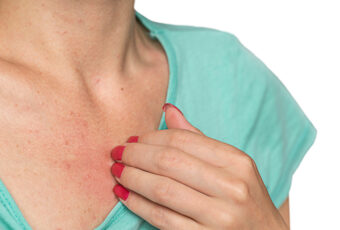
Chest acne can be more than just a skin issue. It can be a sign of deeper, underlying conditions that require targeted dermatological treatments for effective management. Located in Dedham, MA, and led by Dr. Joyce Imahiyerobo-Ip, we specialize in addressing skin conditions like chest acne at Vibrant Dermatology. We leverage over a decade of award-winning experience in cosmetic, surgical, and medical dermatology.

To tackle the problem of chest acne, we can offer several different treatment options such as laser therapies, medications, and chemical peels. Each of these treatments is designed to address specific types of acne and skin issues, and we work closely with our patients to customize a treatment plan that best suits their needs.

What Causes Chest Acne? 

Chest acne causes can be similar to causes anywhere else on the body. Often, this type of acne can be the result of clogged pores, exacerbated by factors such as sweat, friction from clothing, or hormonal changes. An imbalance of bacteria on the skin can also contribute to the issue.

Other chest acne causes can include external irritants like harsh skincare products or lifestyle factors such as diet and stress. By getting to the root of what is causing your chest acne, we can determine which of our treatments will be the best.

How to Get Rid of Chest Acne

NeoSkin Laser Treatments

When it comes to acne treatment options, NeoSkin Laser treatments stand out for their efficacy in targeting and reducing chest acne. These laser treatments work by delivering concentrated light energy into the layers of the skin, breaking down acne-causing bacteria and stimulating the body’s natural healing processes.

What sets NeoSkin Laser treatments apart is their dual approach to tackling chest acne. Not only does the device work to eliminate current breakouts, but it can also help to prevent future occurrences by minimizing oil production and pore size, reducing inflammation, and killing acne-causing bacteria. For those who have tried other treatments without success, NeoSkin Laser could offer a more targeted and effective solution.

Prescription-Strength Topical Medication

Another acne treatment option is the use of prescription-strength topical medication. These medications are formulated with active ingredients like benzoyl peroxide or salicylic acid, which are potent agents in combating acne. They target the bacteria and excess sebum that often lead to pimples on the chest, reducing inflammation and promoting skin healing.

Prescription-strength topical medications are usually applied directly to the affected area and work by unclogging pores and targeting acne-causing bacteria. This makes them particularly effective for those experiencing localized outbreaks of pimples on the chest. While results may vary, these medications can be a cornerstone in a comprehensive treatment plan for chest acne.

Oral Prescription Medication

Oral prescription medication is another chest acne treatment that can be considered, especially for more severe or persistent cases. These medications, often antibiotics, work from the inside out to tackle the root causes of acne. They aim to reduce inflammation and bacterial overgrowth which are contributing factors that topical treatments might not fully address.

Oral medications can offer a more systemic approach to managing chest acne. They are usually considered when other treatment options have not produced the desired results or when the acne is widespread and more severe. As with any medication, you should consult your dermatologist for a treatment plan that works for you.

Chemical Peels

Chemical peels are another method for tackling acne on the chest. This treatment involves applying a chemical solution to the affected area, which exfoliates the skin and encourages new, healthier skin to replace it. The process helps to unclog pores, reduce inflammation, and remove dead skin cells, all of which contribute to acne formation.

Chemical peels can vary in strength and depth, depending on the severity of the acne on the chest. It’s a treatment that should be carried out by qualified professionals to ensure safety and efficacy. While chemical peels can be effective, they may be recommended as part of a broader treatment plan for comprehensive results.

Lifestyle Changes

Lifestyle changes can help support any chest acne treatment you and your doctor choose. 

Adjusting things like your diet, exercise habits, and even the type of fabric in your clothing can influence acne on the chest. For instance, wearing breathable fabrics like cotton can reduce sweat accumulation and skin irritation, lowering the likelihood of acne formation.

Monitoring and reducing your sugar and dairy intake could be beneficial. High sugar and dairy consumption may contribute to acne on the chest. Maintaining a healthy diet with plenty of fruits, vegetables, whole grains, healthy fats, and lean protein can make a difference in your overall health as well as your chest acne.  

Skincare Routine

A well-structured skincare routine can help you manage chest acne effectively. This involves more than just applying an over-the-counter acne cream; it means using a series of products that work in harmony to clean, exfoliate, and moisturize the skin. Start with a gentle, acne-fighting cleanser, followed by a toner to balance your skin’s pH levels.

Top it off with a non-comedogenic moisturizer that won’t clog your pores. When choosing products, make sure to check with your dermatologist to find ones that will work well alongside your chest acne treatments. 

Chest Acne Treatments in Dedham, MA

Managing chest acne effectively involves a combination of treatments and lifestyle changes tailored to your specific needs. If you’re wondering how to get rid of chest acne, don’t hesitate to seek professional guidance. At Vibrant Dermatology in Dedham, MA, we specialize in chest acne treatment. You can contact us at (781) 708-9299 or fill out our online form to schedule a consultation.

Facing Fear: Addressing Signs of Aging with Boston Top Dermatologist

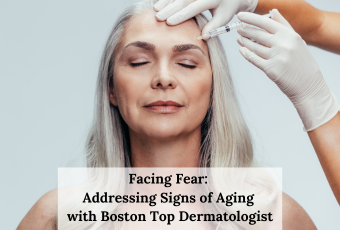
As we journey through life, the inevitable process of aging brings with it a host of changes, both internal and external. One of the most visible signs of aging occurs in our skin, as it gradually loses its youthful suppleness and radiance. While aging is a natural phenomenon, the fear of losing one’s youthful appearance can be unsettling for many. But fear not – Dr. Imahiyerobo-Ip, Boston Top Dermatologist, at Vibrant Dermatology offers effective ways to address the signs of aging in your skin and embrace the beauty that comes with the passage of time. 


Understanding the Signs of Aging Skin:


Before delving into the solutions, it’s important to understand the common signs of aging skin:


Fine Lines and Wrinkles: Over time, the skin’s collagen and elastin fibers break down, leading to the formation of fine lines and wrinkles, particularly around areas with repetitive facial movements.


Sagging Skin: Reduced elasticity causes the skin to sag, resulting in a loss of firmness and contours.


Uneven Skin Tone: Age spots, sunspots, and hyperpigmentation can develop due to prolonged sun exposure and other environmental factors.


Dryness and Thinning: Aging skin tends to lose moisture, causing it to become drier and more prone to irritation. Additionally, the skin’s outer layer thins, making it more fragile.


Facing the Fear: Steps to Address Aging Skin:


Skincare Routine Revamp: A proper skincare routine can work wonders for aging skin. Incorporate products containing retinoids, antioxidants (such as vitamin C), and hyaluronic acid to stimulate collagen production, increase skin cell production, and maintain hydration. Our team of skin experts at Vibrant Dermatology can help curate a skincare routine customized to your needs. 


Sun Protection: UV rays are a major contributor to premature aging. Apply broad-spectrum sunscreen daily, even on cloudy days, and wear protective clothing and sunglasses when outdoors. Try Fountain of Youth SPF by Vibrant Dermatology SkinbarMD. 


Hydration and Moisturization: Opt for hydrating skincare products that lock in moisture. Try Tall Drink of Water moisturizer by Vibrant Dermatology SkinbarMD. You may also consider using a humidifier in your living space to combat dry indoor air.


Professional Treatments: Consult Dr. Ip at Vibrant Dermatology in Dedham, MA for treatments like chemical peels, microneedling, laser therapy, or injectables (like Botox, Dysport, Xeomin, and Juvederm fillers) to address specific concerns you may have. These treatment options can offer a wide variety of solutions from increasing skin elasticity to smoothing fine lines, wrinkles, and creases.


Mindfulness and Stress Reduction: Increase in stress can also increase inflammation, slow down wound healing, and negatively impact preexisting skin conditions. Engage in relaxation techniques to keep stress levels in check and your skin looking youthful.


Stay Active: Regular exercise improves blood circulation, ensuring that vital nutrients and oxygen reach skin cells, promoting their health and vitality. Additionally, exercise promotes the production of collagen, thereby reducing the appearance of fine lines and wrinkles. 


Acceptance and Self-Care: Embrace the natural process of aging and practice self-acceptance. Keep in mind that your confidence can always be reclaimed.


Embracing Aging Gracefully:


As we embark on the journey of addressing signs of aging in our skin, it’s essential to shift our perspective from fear to empowerment. Aging is a testament to the experiences and wisdom accumulated over time. Our skin tells a story, and each line and mark is a reflection of the moments that have shaped us. By taking proactive steps to care for our skin and practicing self-love, we can embrace the beauty that comes with aging and face the future with confidence and grace.


Rekindle Confidence:

At Vibrant Dermatology, we wholeheartedly advocate for taking proactive measures in caring for aging skin. However, we understand that this isn’t always a universal experience. Remember, it’s never too late to ignite a renewed sense of confidence and tackle your skin-related worries head-on. Get in touch with board certified dermatologist Dr. Imahiyerobo-Ip at Vibrant Dermatology in Dedham, MA to reclaim your confidence in the graceful aging of your skin.

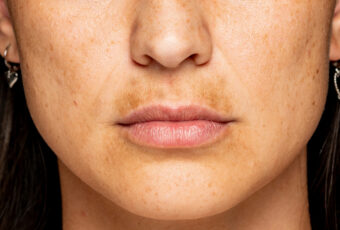
Upper Lip Melasma: How Do You Get Rid of It?

Upper Lip Melasma

Melasma, a common skin concern affecting many individuals, is often called the “melasma mustache.” If you’ve noticed darker patches on your upper lip area, you’re not alone. Let’s delve into the causes of upper lip melasma, effective treatment options, and tips to prevent its recurrence. As your trusted source of dermatological insights, Vibrant Dermatology in Dedham, MA, is here to guide you through understanding and managing this condition.

What Is Upper Lip Melasma?

Melasma is a skin condition that manifests as grayish or brownish patches on the face, particularly on the forehead, cheeks, and upper lip. While the term “melasma mustache” might sound light-hearted, the condition can be distressing for those experiencing it. These patches result from an overproduction of melanin, the pigment responsible for skin color. While it can affect anyone, melasma is more common in individuals with darker skin tones and those with a family history of the condition.

What Are the Causes of Upper Lip Melasma?

Sun Exposure

Ultraviolet (UV) light from the sun can increase melanin production, exacerbating melasma. Even a tiny amount of sun exposure can make melasma return after fading, so sun protection is crucial for those affected.

Hormonal Changes

Melasma can be triggered by hormonal changes, which is why it’s sometimes called the “mask of pregnancy” (chloasma). Pregnant women experience increased estrogen, progesterone, and melanocyte-stimulating hormone (MSH), which can contribute to melasma.

Birth Control Pills and Hormone Replacement Therapy (HRT)

Medications that alter hormonal levels, like birth control pills or HRT, can trigger melasma in predisposed women.

Skin Care Products

Skin irritation caused by specific products or treatments can also lead to upper lip melasma. For example, harsh cleansers or exfoliants may irritate the skin and increase melanin production, leading to dark spots on the lips or surrounding area. 

Genetics

Genetics can also play a role in the development of upper lip melasma. If you have a family history of melasma, you may be more likely to develop this condition yourself. Additionally, some people may be genetically predisposed to having more sensitive skin that reacts more strongly to UV radiation and other environmental factors that can trigger an increase in melanin production.

Skin Type

Individuals with darker skin types are more prone to melasma because they have more active melanocytes than those with lighter skin.

How Do You Get Rid of Upper Lip Melasma?

Treating melasma, especially on a sensitive area like the upper lip, requires a multifaceted approach. Here are some effective melasma treatment options:

Topical Creams

Many over-the-counter and prescription creams contain ingredients like hydroquinone, retinoids, and azelaic acid. These can help lighten melasma patches over time by inhibiting melanin production and promoting skin cell turnover.

Chemical Peels

Dermatologists often recommend chemical peels for melasma treatment. These peels involve applying a solution to the skin, which exfoliates the top layer and stimulates the growth of new, even-toned skin.

Laser Therapy

Laser treatments, such as fractional laser therapy, can target melasma by breaking down excess melanin and promoting collagen production. These treatments are more precise and can offer significant results.

How Can You Prevent Upper Lip Melasma?

Wear Sunscreen

The most crucial step in preventing upper lip melasma is to wear sunscreen with an SPF of 30 or higher. This will help protect your skin from the harmful UV rays of the sun, which can cause melasma to worsen. Make sure to apply sunscreen generously and reapply every two hours, as well as after swimming or sweating.

Wear Protective Clothing

Wearing protective clothing such as wide-brimmed hats and long-sleeved shirts can also help protect your skin from the sun’s damaging rays. Additionally, try to avoid spending too much time outdoors during peak hours when the sun is at its strongest.

Use Gentle Skin Care Products

Using gentle skin care products can help prevent upper lip melasma from worsening. Look for products labeled “non-comedogenic” or “oil-free,” and avoid fragrances, dyes, and other harsh ingredients that may irritate your skin.

Stay Hydrated

Staying hydrated is essential for healthy skin and can help to prevent upper lip melasma. Drinking plenty of water throughout the day helps keep your skin cells hydrated and prevents them from becoming dry and damaged due to sun exposure or other environmental factors.

Avoid Certain Medications

Certain medications, such as corticosteroids and birth control pills, can make melasma worse, so it is essential to speak with your doctor if you are taking any of these medications; they may be able to suggest an alternative treatment option.

How Do You Which Treatment Is Right for You?

While many treatments are available, determining the right one for your unique skin requires a personalized approach. That’s where we come in. Through a consultation with us, we can assess your skin and recommend the best course of action. We offer a range of treatments, including topical creams, laser therapy, and more. Don’t let melasma hold you back – schedule a consultation today and take the first step toward clear, radiant skin.

Take Control of Upper Lip Melasma Today With Treatments in Dedham, MA

At Vibrant Dermatology in Dedham, MA, we specialize in treating upper lip melasma. We are well-versed in providing effective melasma treatments, including Aerolase laser treatments, which can drastically improve the appearance of melasma. In addition to laser treatments, we offer customized chemical peels and a range of high-quality skincare products to help keep melasma under control. 

We aim to provide our patients with comprehensive melasma treatment options and help them achieve clear, even skin. If you are struggling with upper lip melasma, we encourage you to call (781) 708-9299 or use our online form to schedule a consultation with us.

Uncovering the Biggest Vitamin Deficiencies That Cause Hair Loss

Hair Loss

Hair loss can be a distressing experience, truly affecting your appearance. While hair loss has various causes, one often overlooked factor is vitamin deficiencies. At Vibrant Dermatology in Dedham, MA, we understand the impact of vitamin imbalances on hair health and are here to shed light on this issue. Let’s explore how vitamin deficiencies can lead to hair loss, and we’ll provide insights into potential solutions and treatments.

Understanding Hair Loss and Its Causes

Losing hair is a natural part of the hair growth cycle. However, when the rate of hair loss exceeds the rate of hair growth, it can result in thinning hair or balding patches. Hair loss can be caused by multiple factors, including genetics, hormonal changes, medical conditions, and even poor nutrition. It’s essential to recognize that vitamin deficiencies can play a significant role in exacerbating hair loss.

What Causes Vitamin Deficiencies in the First Place?

Vitamin deficiencies occur when the body does not receive enough essential vitamins and minerals, leading to various health problems, including hair loss. There are multiple reasons why someone might have a vitamin deficiency. Poor diet is often a leading cause, as individuals who do not consume a balanced variety of nutrient-rich foods are at higher risk. Medical conditions or medications that interfere with nutrient absorption can also contribute to a deficiency.

Other factors, such as age, gender, and lifestyle choices, can also play a role in developing a vitamin deficiency. Overall, identifying the root cause of a deficiency is crucial for addressing and preventing future deficiencies and the resulting health concerns.

What Are the Vitamin Deficiencies That Cause Hair Loss?

Several vitamins and minerals are essential for maintaining healthy hair, and deficiencies in these nutrients can lead to hair loss or poor hair health. Here are some of the most significant vitamin and mineral deficiencies that can be linked to hair loss:

Vitamin D

A deficiency in vitamin D can lead to hair loss and decreased hair density. Vitamin D is believed to stimulate hair follicles. Sun exposure is one of the primary sources of vitamin D, so ensure you get enough sunlight or consider taking supplements if you’re deficient.

Biotin (Vitamin B7)

Biotin is often associated with hair and nail health. A deficiency can cause hair thinning and loss, though severe biotin deficiency is rare in individuals who consume a typical Western diet.

Iron

Iron deficiency anemia is a common condition, especially in women. One of the symptoms of iron-deficiency anemia is hair loss. The hair follicle requires iron for growth, and an iron deficiency can disrupt the hair growth cycle.

Zinc

This mineral is vital in hair tissue growth and repair. A deficiency can lead to hair loss, which is often reversible once the deficiency is addressed.

Vitamin E

While not as commonly linked to hair loss as the others, vitamin E is essential for healthy skin and hair. A deficiency can cause poor scalp health, which might impact hair growth.

Vitamin A

Both too much and too little vitamin A can cause hair loss. While it’s necessary for hair growth, an excessive amount can have the opposite effect.

Niacin (Vitamin B3)

A niacin deficiency can cause hair to become brittle and lifeless, leading to hair loss.

Vitamin B12

A deficiency in this vitamin can lead to hair loss. Vegetarians or vegans who don’t consume enough animal products can often be deficient in B12.

Fatty Acids

Omega-3 and omega-6 fatty acids are essential for good hair health. A deficiency can result in dry, brittle hair and hair loss.

Amino Acids

L-lysine and L-methionine are two essential amino acids for hair. A deficiency can influence hair loss, especially in vegetarian or low-meat diets.

Solutions and Treatment Options We Provide for Hair Loss

If you’re experiencing hair loss due to vitamin deficiencies, there are steps you can take to address the issue. Incorporating a balanced diet rich in vitamins and minerals is crucial in preventing hair loss. Including foods like fatty fish (a source of vitamin D), eggs (a source of biotin), lean meats (a source of iron), and nuts (a source of zinc) can contribute to healthier hair. 

At Vibrant Dermatology, we understand the importance of effective hair loss treatment. We offer a comprehensive treatment plan that may include topical and oral supplements and medications, as well as scalp injections of cortisone. For those seeking cutting-edge solutions, we also offer platelet-rich plasma (PRP) treatments that use your blood platelets to stimulate hair growth and laser light treatments. We are committed to developing a personalized treatment plan that addresses your unique needs for hair restoration. Speak to us today to explore your options for thinning hair treatments.  

Fight Vitamin Deficiencies & Restore Your Hair’s Vitality With Our Treatments in Dedham, MA

The impact of vitamin deficiencies on hair loss should not be underestimated. A lack of essential vitamins like vitamin D, biotin, iron, and zinc can contribute to hair thinning and hair loss. If you’re struggling with hair loss, especially if you’re experiencing other symptoms of vitamin deficiencies, seeking professional guidance is essential. At Vibrant Dermatology in Dedham, MA, we’re dedicated to helping you achieve vibrant, healthy hair. Don’t let vitamin deficiencies hold you back – take proactive steps toward healthier hair today.

Remember, your hair’s health reflects your overall well-being, and addressing vitamin deficiencies is just one aspect of maintaining a healthy lifestyle. If you’re ready to explore solutions for hair loss concerns, call (781) 708-9299 or use our online form. We’re here to provide the expert care and guidance you need to restore your hair’s vitality.

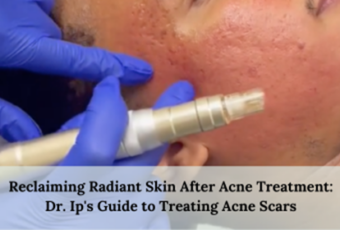
Reclaiming Radiant Skin After Acne Treatment: Dr. Ip’s Guide to Treating Acne Scars

While acne can be distressing on its own, the aftermath of acne scars can leave individuals struggling with self-confidence and self-esteem issues post acne treatment. This is especially true for people of color who often experience hyperpigmentation along with acne scarring. Fortunately, advancements in cosmetic dermatology have led to numerous treatment options for addressing acne scars. In this post, Dr. Ip, a Boston top Dermatologist will explore effective acne scar treatments offered in-office by Vibrant Dermatology in Dedham, MA.


Radiofrequency Microneedling Therapy

RF Microneedling is an advanced skin treatment that uses tiny needles to create small wounds, stimulating the body’s natural healing process. This leads to the regeneration of elastin cells and collagen fibers, which improves the overall texture and structure of the skin reducing the appearance of acne scarring. It employs bi-polar radiofrequency energy for a powerful rejuvenating effect. The procedure takes around 20-60 minutes with a quick recovery requiring minimal downtime. RF Microneedling is a safe and effective solution for treating acne scarring and hyperpigmentation.


Aerolase Neo Laser Treatment

Laser treatment specifically targets and treats acne while addressing acne scarring. It aids in collagen building which reduces the appearance of acne scars. The treatment penetrates deep into the skin, providing long-lasting results. It requires only 10-30 minutes and can be used on various areas of the body. This laser is an excellent option for those who are still battling their acne as it has multipurpose benefits. Many patients who prefer to avoid prescription medications or cannot tolerate them choose this treatment as results are comparable to a 5-month course of Accutane. Laser treatments offered at Vibrant Dermatology are safe for all skin shades and types.


Intense Pulsed Light Spectrum Laser Treatment

Intense Pulsed Light (IPL) Treatment not only targets and eliminates acne-causing bacteria but also breaks down old scar tissue from previous breakouts. It smoothens the skin’s surface, closes enlarged pores, and reduces post-inflammatory hyperpigmentation. This cutting-edge Spectrum laser technology offers a promising solution to combat acne and improve overall skin appearance effectively. Laser treatments offered at Vibrant Dermatology are safe for all skin shades and types.


Taking the First Step


The first step to treating acne scarring can be daunting, especially if your journey to acne-free skin was no easy feat. At Vibrant Dermatology, we make it easy for you with support, options, and guidance from consultation to procedure. Contact us at Vibrant Dermatology in Dedham, MA to discuss acne scar treatments customized to your skin story.

  • « Previous Page
  • 1
  • …
  • 21
  • 22
  • 23
  • 24
  • 25
  • …
  • 41
  • Next Page »

Problems We Treat

In the Clear

Acne: Adults & Teens

lllumination

Hyperpigmentation, Sun Spots, Melasma

Red, Red Go Away

Rosacea, Facial Redness, Sensitive Skin

Tall Drink of Water

Excessively Dry Skin, Eczema

Fountain of Youth

Anti-Aging, Skin Rejuvenation

Mommy & Me Skin Care

For Pregnant & Nursing Mothers

Just for Kids

Skin Care For Those 12 & Under
Contact
Vibrant Dermatology
588 Providence Hwy
Dedham MA 02026
Phone: (617) 250-0257

Vibrant Dermatology
1 Central Ave.
Milton MA 02186
(entrance at 131 Eliot St.)
Phone: (617) 250-0257

© 2026 Vibrant Dermatology | Site Map | TOS/Privacy Policy | Vibrant Dermatology
book online