Vibrant Dermatology

Book SkinBar MD Book Dermatology
(617) 250-0257
MENU
  • HOME
  • SHOP
  • ABOUT US
    • Meet Dr. Ip
    • Meet Our Staff
    • Why Vibrant Dermatology
    • Dr. Ip In the News
    • Featured Videos
    • Blog
    • Get Dr. Ip’s E-Book
    • Gap Year Program
    • Contact Us
  • Patient Resources
    • Appointment Policies
    • Insurance Information
  • Before and Afters
  • (617) 250-0257
  • (617) 540-5524
  • online bill pay
  • Book an Appointment
  • Medical Dermatology
    • Acne
    • Allergic Reactions
    • Autoimmune Disorders
    • Benign Growths: Seborrheic Keratoses, Skin Tags
    • Birthmarks, Brown Spots, Moles
    • Cysts
    • Eczema/Rashes
    • Excessive Sweating (Hyperhidrosis)
    • Hair Loss
    • Hives
    • Hyperpigmentation/Brown Spots
    • Keloids
    • Lipomas
    • Melanoma
    • Melasma
    • Nail Fungus
    • Psoriasis
    • Scars
    • Shingles
    • Skin Cancer
    • Skin of Color
    • Vitiligo
  • Surgical Dermatology
    • Cyst Removal
    • Lipoma Removal
    • Mole and Benign Lesion Removal
    • Skin Cancer Surgery
  • Pediatric Dermatology
    • Acne
    • Birthmarks
    • Eczema
    • Moles and Brown Spots
    • Skin Allergies
    • Skin Cancer
  • Cosmetic Dermatology
    • Aqua Facial
    • Neurotoxin (Jeuveau)
      • Tox for Crow’s Feet
      • Tox for Forehead Lines
      • Tox for Frown Lines
      • Tox Lip Flip
    • Chemical Peels
    • Era Elite Laser
    • Hair Loss Treatment
    • IPL Treatment
    • Juvederm
    • Kerafactor
    • LaseMD
    • Laser Treatment for Facial Veins
    • Melasma & Hyperpigmentation Treatments
    • NeoClear Laser Acne Treatment
    • NeoSkin Skin Rejuvenation Treatment
    • Non Surgical Face Lift “Liquid Lift”
    • PRP Treatment
    • Radiesse
    • Restylane
    • RF Microneedling
    • Sculptra
    • Sofwave Skin Tightening
    • Stretch Marks Treatment
    • Scalp Revive
  • Wellness
    • Sexual Wellness
    • O-Shot
  • Home
  • Shop
  • About Us
    • Meet Dr. Ip
    • Meet Our Staff
    • Why Vibrant Dermatology
    • Dr. Ip In the News
    • Featured Videos
    • Blog
    • Get Dr. Ip’s E-Book
    • Gap Year Program
    • Contact Us
  • Services
    • Medical Dermatology Services
    • Surgical Dermatology
    • Pediatric Dermatology
    • Cosmetic Dermatology
    • Health and Wellness
      • Sexual Wellness in Dedham, MA
      • Weight Loss in Dedham, MA
  • Before and After Gallery
  • Book Appointment
  • All Products
  • Online Bill Pay

Morpheus8 or Sofwave? How to Tighten Skin Without Surgery

woman looking to tighten skin without surgery

If you want to tighten skin without surgery, today’s nonsurgical treatments offer several options for addressing the laxity that can develop as collagen and elasticity decline with age. These changes often become noticeable around the eyes, cheeks, neck, and jawline. 

Thankfully, you don’t have to jump straight to a facelift to address sagging skin. Advanced, non-invasive treatments can help firm and refresh your appearance without incisions or the recovery associated with surgery.

Trying to decide between Morpheus8 and Sofwave? Here’s what you need to know about these two treatments and how they differ.

What Causes Skin to Sag?

Collagen and elastin are the building blocks that keep skin firm, smooth, and resilient. Unfortunately, production of both starts to slow down as early as our mid-20s.

Add years of sun exposure, stress, and gravity, and it’s no surprise that the skin begins to lose its youthful bounce.

While creams, serums, and other topicals can help support healthy skin, the problem is that they can’t reach the deeper layers where collagen is created and stored.

This is why professional skin tightening treatments are game changers.

Is Morpheus8 or Sofwave a Better Way to Tighten Skin Without Surgery?

Morpheus8 and Sofwave are two of the top non-surgical treatments used to tighten skin without surgery. Here’s what you need to know about both.

Morpheus8

Morpheus8 combines microneedling and radiofrequency energy to encourage the production of new collagen and elastin. It’s commonly used to treat mild to moderate skin laxity on the jawline and neck as well as fine lines, wrinkles, and even acne scars.

One of the biggest advantages of this treatment is that it tightens skin while also improving skin quality. Many patients not only notice firmer contours, but smoother healthier skin as well.

Sofwave

Sofwave uses advanced ultrasound technology to stimulate collagen production without needles or surgery. It delivers ultrasound energy into the mid-dermis, where collagen remodeling occurs.

The skin’s surface remains largely untouched, which makes the treatment very comfortable.

Sofwave can address mild skin laxity, tighten the neck, lift the eyebrows, and improve overall facial firmness. It can even help to prevent early signs of aging.

How to Pick the Right Treatment

Choosing between Morpheus8 and Sofwave comes down to your skin concerns and goals.

Morpheus8 is ideal if you want to tighten skin while improving texture, fine lines, acne scars, and enlarged pores. On the other hand, Sofwave is a great option if your primary goal is to lift and firm without needles.

Both treatments stimulate collagen production but they work in different ways. The best choice depends on the condition of your skin, desired outcome, and your provider’s recommendation.

When Will I See Results?

Neither treatment delivers overnight magic. Both rely on your body’s natural collagen-building process, which takes some time!

You can expect to see subtle improvements within a few weeks, with results improving over the next three to six months.

Because collagen continues rebuilding over time, the results are gradual and natural.

Most people need several treatments to achieve optimal results. Most importantly, you’ll need to protect and nourish your skin afterwards to keep it looking great.

This means wearing sunscreen daily, following a gentle skincare regimen, and staying hydrated.

Look Younger Without Going Under the Knife With Treatment at Vibrant Dermatology

Gone are the days of needing surgery to achieve firmer, smoother, younger-looking skin or simply doing nothing. Whether you’re interested in Morpheus8 or Sofwave, you can refresh your appearance without a painful, lengthy recovery.

At Vibrant Dermatology, our team, led by renowned dermatologist Dr. Joyce Imahiyerobo-Ip, offers all of the top non-invasive treatments to rejuvenate and refresh your appearance.

Turning back the hands of time has never been easier. Book your appointment online or call our office at 617-250-0257 to schedule today!

At What Point Should I Stop Self-Treating and See a Dermatologist?

woman who realized it was time to stop self treating and see a dermatologist

Is your bathroom cabinet packed with skincare products that promise to do everything from banishing breakouts to calming redness? While it’s true that sometimes these products do work, other times your skin simply doesn’t want to cooperate.

If you’ve tried product after product and your skin is still irritated, itchy, breaking out, or having some other issue like acne, it may be time to seek professional care.

Wondering “at what point should I stop self-treating and see a dermatologist?” Here are some telltale signs.

How Long Should I Try an Over-the-Counter Treatment?

There’s no universal stopwatch for every skin condition, but consistency matters. Switching products every few days can make it nearly impossible to know what actually works, and what may be irritating your skin even more.

For example, it can take several weeks to determine if an acne treatment is actually working. While some people see improvements within four to eight weeks, for others, clearer skin can take several months.

So, if you’ve been using an appropriate product consistently and as directed, but aren’t seeing much improvement, this is a sign that you may need a different approach.

At What Point Should I Stop Self-Treating and See a Dermatologist?

It can be extremely frustrating to try nearly every product and still have problematic skin. So at what point should I stop self-treating and see a dermatologist?

Consider these things.

Your skin is getting worse, not better

This is one of the biggest signs that it’s time to see a skin expert. If redness is spreading, a rash is becoming more painful, your acne breakouts aren’t clearing, or irritation is still visible, don’t keep piling on products and hoping something eventually works.

Some conditions can look surprisingly similar. For instance, what appears to be acne could actually be rosacea, folliculitis, or some other skin condition that requires a different treatment.

Getting the right diagnosis can save you weeks, even months, or treating the wrong problem.

Breakouts that worsen or become painful

Occasional pimples don’t require a specialist. But painful, deep, cystic acne is best treated by a dermatologist, especially if you have persistent dark marks or scars.

Over-the-counter products can be helpful for mild acne, but deeper breakouts may require prescription treatment. A dermatologist can help prevent new breakouts rather than simply treating whatever issue popped up yesterday.

You have a rash that won’t go away

A rash that hangs around, especially if it repeatedly returns, spreads, or becomes increasingly uncomfortable is another reason to seek professional advice.

Trying a random cream every time your skin flares may temporarily hide symptoms without addressing the root cause.

A rash that spreads rapidly, becomes painful, blisters, or develops into open sores often requires medical attention. A rash that involves the eyes or mouth should also be seen by a professional ASAP.

You have a mole that’s changing

This is one situation where self-treating is never appropriate. If a mole or other skin growth changes shape, size, color, or texture, it should be evaluated by a dermatologist.

A mole that bleeds, itches, or fails to heal should also be looked at.

When it comes to suspicious skin changes, getting evaluated sooner is much smarter than just hoping the problem disappears.

Your skin problems are persistent

Eczema, rosacea, psoriasis, hives, and other chronic skin issues can be especially frustrating to treat on your own. You may find a product that calms things for a while, only for the problem to return a few weeks later.

This is often a sign that you need more than symptom management. A dermatologist can determine what’s triggering your flare-ups and develop a long-term treatment strategy rather than constantly starting over at step one.

Stop Self Treating Skin Problems on Your Own and Visit the Experts at Vibrant Dermatology

Your skin is way too important to turn into a science experiment with dozens of products fighting for shelf space. Sometimes the best skincare move isn’t buying yet another product, but it’s instead getting an expert opinion.

For all of your skin needs, book your appointment online or call our office at 617-250-0257 to schedule today!
Why Is My Hair Falling Out More Than Usual?

woman wondering why her hair is falling out more than usual

Is your hair falling out more than normal? You brush your hair and notice more stands than usual in the bristles. You wash your hair and the drain seems to collect enough to make a tiny wig.

While hair shedding is normal, around 50 to 100 hairs a day, it’s worrisome when your hair looks and feels noticeably thinner.

The good news is that hair loss isn’t always permanent and identifying the underlying cause is the first step towards getting your healthy hair back.

How Much Hair Loss Is Normal?

Your hair naturally goes through a three-phase growth cycle: growing, resting, and shedding. Since each strand is on its own schedule, daily hair loss is expected.

However, it may be time to investigate your hair health if you notice:

  • A widening part
  • A thinning ponytail
  • Bald patches
  • Large clumps of hair coming out when brushing or washing
  • Slow or no hair regrowth

If these changes continue for weeks or months, don’t wait any longer to schedule an evaluation with a dermatologist.

Why Is My Hair Falling Out More Than Usual?

For most people, there isn’t a single factor that’s causing their hair to fall out. Instead, it’s usually a combination of things.

High Stress Can Worsen Hair Loss

Stress is often a bigger culprit than most people think. The body reacts to physical and emotional stress in surprising ways, including shedding hair.

Major life events like surgery, illness, childbirth, losing a loved one, and even starting a demanding job can trigger a condition known as telogen effluvium, which causes more hairs than usual to enter the shedding phase.

The frustrating part is that hair loss doesn’t often begin until two to three months after the stressful events, which makes it much harder to connect the dots.

Vitamin Deficiencies Are a Possibility

Healthy hair requires proper nutrition. When your body isn’t getting enough essential nutrients, your hair is often one of the first places to show it.

Low levels of many nutrients can contribute to hair thinning, including iron, vitamin D, zinc, vitamin B12, and protein.

Crash dieting, restrictive eating plans, or significant weight loss can also interrupt the hair growth cycle. Before starting supplements on your own, it may be best to have lab work done, since taking unnecessary supplements can sometimes do more harm than good.

Hormones Too Play a Major Role

Hormonal changes are one of the most common reasons for hair shedding. You may notice hair loss related to pregnancy, postpartum recovery, menopause, and thyroid issues.

Hormones influence how long hair stays in the growth phase. When hormone levels fluctuate, hair can become thinner, finer, and fall out more rapidly.

Identifying and treating the underlying hormonal balance can improve hair growth over time.

Signs It’s Time to See a Specialist

If your hair loss has lasted longer than a few months, is getting worse, or is accompanied by other worrisome symptoms, it’s time for a professional evaluation.

Instead of sitting there and asking “why is my hair falling out more than usual?”, schedule an appointment with a dermatologist.

An expert can determine the root cause of your hair loss with a scalp examination, blood tests, hair pull testing, and even a scalp biopsy if needed.

Once the cause is identified, treatment options can then be considered. Common treatments include:

  • Prescription medications
  • Platelet-rich plasma (PRP)
  • Topical therapies
  • Laser therapy
  • Nutritional support

The sooner you address the issue, the better your chances are of slowing or reversing hair loss.

Stop Your Hair Falling Out and Start Treatment at Vibrant Dermatology

Seeing extra hair on your pillow or in the shower can be unsettling. But, it doesn’t automatically mean you’re going bald.

Hair loss is common and highly treatable. Instead of wasting more time guessing or trying products that don’t fix the problem, visit our team at Vibrant Dermatology instead.


Book your appointment online or call our office at 617-250-0257 to schedule today!

 

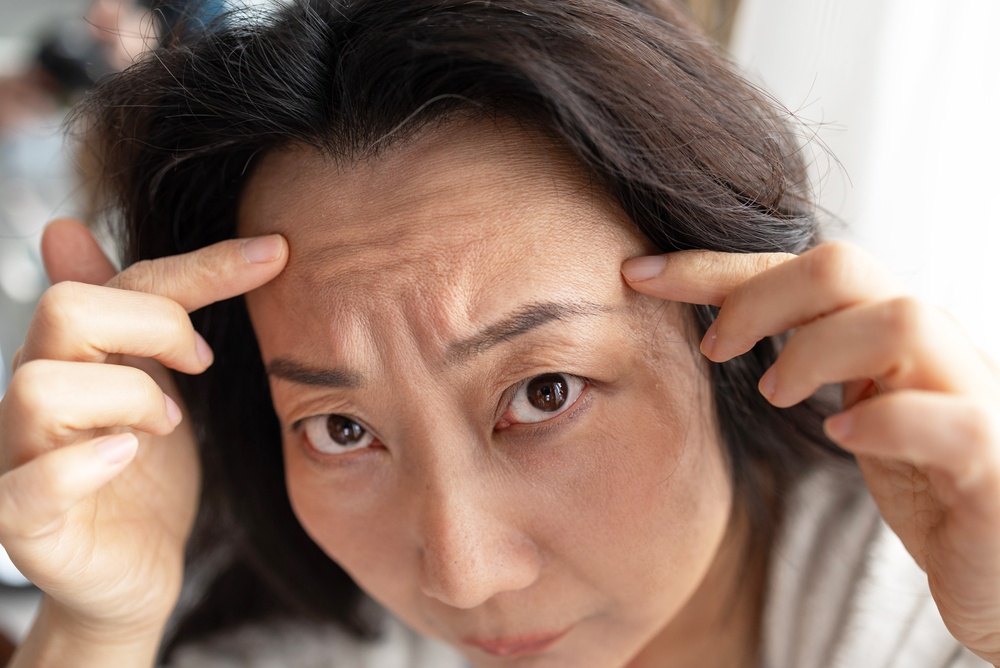
Why Is My Face Starting to Sag Even Though I’m Healthy? (+ What to Do About It)

woman wondering why her face is starting to sag

You eat well, stay active, drink plenty of water, and take great care of your skin daily, so why does your reflection suddenly look older? Maybe your jawline isn’t as defined, your cheeks seem lower, or you have extra looseness around your neck.

Wondering why is my face starting to sag even though I’m healthy? Curious how you can restore a youthful appearance?

Skin laxity is a normal part of aging, but you can tackle it with treatments like Sofwave.

Why Is My Face Starting to Sag?

It’s true that healthy habits help your skin look its best, but they can’t completely prevent the effects of aging.

As we get older, our bodies gradually produce less collagen and elastin. And the amount that is produced has a much lower quality.

This means that over time you may notice problems like:

  • A softer jawline
  • Drooping cheeks
  • Mild jowls
  • Loose skin under the chin
  • More noticeable fine lines

No matter how good your diet is or how diligent you are with your skincare routine, these changes are inevitable.

What Else is Contributing to My Face Starting to Sag?

Collagen loss is the biggest factor, but it’s not the only one. Other contributors include years of sun exposure, genetics, hormonal changes, repetitive facial expressions, and natural loss of facial fat.

These changes happen gradually, which is why many people suddenly notice sagging one day, even though the process has been occurring for many years.

How Does Sofwave Work?

Sofwave is a non-surgical skin tightening treatment that uses advanced ultrasound technology to encourage collagen production.

As your body responds, it gradually creates fresh collagen (and elastin) that help firm and tighten the treated areas. This treatment is commonly used to improve mild to moderate skin laxity, drooping skin, and a loss of definition.

One of the main reasons why Sofwave has become so popular is because it’s non-invasive and delivers noticeable improvements without any downtime or a lengthy recovery.

When Will I See Improvements in My Skin?

In a world where everyone wants instant results, patience has taken the backseat. But, the reality is that collagen-stimulating treatments take time.

While some patients notice subtle improvements within a few weeks, it can take eight to twelve weeks to see the most significant changes.

As collagen continues to rebuild and remodel, the skin eventually becomes firmer, smoother, and more lifted.

Am I A Good Candidate for Sofwave?

This treatment works best for people who have mild to moderate skin laxity and want to improve firmness without surgery.

Sofwave is great for adults who are dealing with mild sagging, a softer jawline, or early signs of neck aging.

Many patients choose this treatment before skin laxity becomes severe, which allows them to maintain a youthful appearance for much longer. Because collagen loss can start as soon as we enter our mid-20s, the sooner treatment begins, the better your results will be.

Your Skin Can Look as Healthy as You Feel

Watching your face begin to sag, despite doing everything right, can be extremely discouraging. But instead of sitting around and asking why is my face starting to sag, take action!

With Sofwave treatment at Vibrant Dermatology, you can support your skin’s health and appearance from the inside out. By stimulating collagen production, you can look younger and feel your best, no matter your age.

Don’t wait until it’s too late to tackle the early signs of aging. Instead, contact us online, give us a call at 617-250-0257 or schedule an appointment online with one of our providers to learn more about how non-surgical skin tightening can transform your look.

How Do I Know If It’s Time for Botox?

woman wondering if it's time for Botox near Foxborough MA

You know that moment when you catch your reflection in the mirror and think “when did that line get there?” Maybe your 11 lines are starting to linger or your crow’s feet are more noticeable than ever.

Though these changes are completely normal as we age, they may have you wondering if it’s time to address them. While there are many options for treating wrinkles, anti-aging injections are often the go-to choice.

So how do you know if it’s time for Botox? Deciding has everything to do with your skin, your goals, and how you feel about the changes you’re seeing on your face.

Are Your Facial Lines Becoming More Noticeable? It May Be Time for Botox

One of the biggest signs that you may want to consider Botox is when dynamic wrinkles become more visible. These are lines caused by repeated facial movements such as squinting, frowning, smiling, and raising your eyebrows.

Early on, these lines only appear when you make certain expressions. Over time, they can become noticeable even when your face is completely relaxed.

These injections work by temporarily reducing the muscle activity responsible for many expression-related wrinkles. After treatment, your face will be smoother, more refreshed, and youthful.

Do You Look More Tired or Serious Than You Feel? It May Be Time for Botox

Have you ever looked in the mirror and wondered why you look annoyed or tired, even on a perfectly good day?

Forehead lines and vertical lines between your eyebrows can create an expression that looks serious, stressed, or tired. If your face is communicating a mood you aren’t actually feeling, it may be time for Botox.

Thoughtful treatment will soften specific areas while preserving natural facial movement.

What If Skincare Isn’t Quite Cutting It? It May Be Time for Botox

A good skincare routine can do plenty of good for your sun. Moisturizer, sunscreen, retinoids, and other products can keep your skin looking healthy while also addressing concerns like texture and hyperpigmentation.

But, skincare and Botox work very differently.

Topical products focus on the skin itself while Botox targets muscle activity beneath. Combining this treatment with a top notch skincare routine can keep your skin looking amazing, no matter your age.

In fact, the right skincare routine can help enhance your results.

You’re Interested in Prevention Rather Than Correction

You don’t have to wait until your wrinkles are prominent before considering Botox. Some people start in their late 20s or early 30s.

Some people choose these injections because they want to be proactive about expression lines. By temporarily decreasing movement in targeted muscles, Botox may reduce repetitive folding that causes certain wrinkles.

What Should I Ask Before Getting Treatment?

If you’ve decided that it may be time for Botox, start with a consultation. During this initial appointment, there are many questions you’ll want to ask, including:

  • How experienced are you with Botox?
  • What areas do you recommend treating?
  • How many units will I need?
  • What results can I realistically expect?
  • When will I see results and how long do they last?
  • Is there any downtime after treatment?
  • How do I prepare?

Taking the time to get answers to all of your questions ensures you feel comfortable before moving forward. Most importantly, ensure you’re comfortable with the provider, as this is the person you’ll need to trust to give you the results you want.

The Bottom Line: Is It Time for Botox?

So how do you know if it’s time for Botox? The truth is that there’s no wrinkle count, secret birthday, or universal checklist.

Instead, the right time is when you’re bothered enough and want to finally address your wrinkles. For results you’ll love for many years to come, choose our team at Vibrant Dermatology.

We offer all of the top neuromodulators to turn back the hands of time.


Book your appointment online or call our office at 617-250-0257 to schedule today!

 

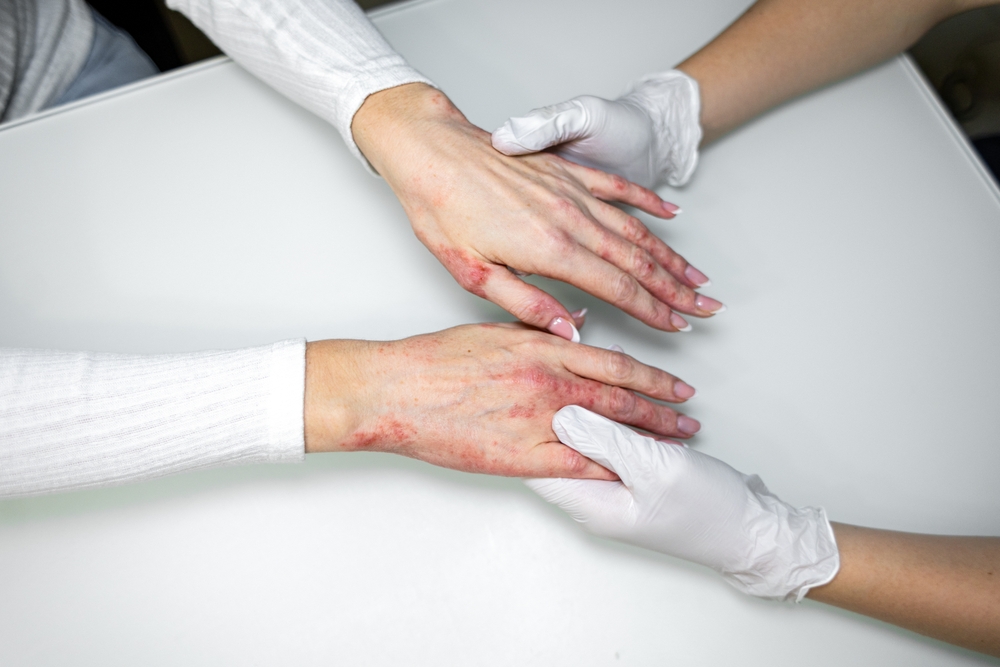
Does This Look Like Eczema, Psoriasis or Something Else?

woman wondering if condition looks like eczema or psoriasis

Red, itchy, flaky, irritated skin has a way of making you immediately wonder, “what’s going on here?” Does it look like eczema? Psoriasis? An allergic reaction?

The tricky part is that many skin conditions can look surprisingly similar, especially when you are trying to diagnose yourself by comparing rash to pictures online.

While the appearance of a rash can offer some clues, figuring out what is really happening often requires a closer look. Here’s how to spot some of the differences, and when it’s time to see a dermatologist.

What Does Eczema Usually Look Like?

Eczema is often associated with itchy, dry, inflamed skin. For many people, the urge to scratch is one of the most noticeable symptoms.

The condition also appears as red, swollen, dry, cracked, or scaly patches. Depending on your skin tone, the affected area may look red, purple, brown or simply darker than the surrounding skin.

It’s commonly seen on the:

  • Face
  • Neck
  • Hands
  • Elbows
  • Knees
  • Anywhere the skin naturally folds

Chronic eczema can also cause the skin to become thicker or leathery from repeated scratching. The condition can flare after exposure to certain triggers like fragrances, soaps, fabrics, detergents, and allergens.

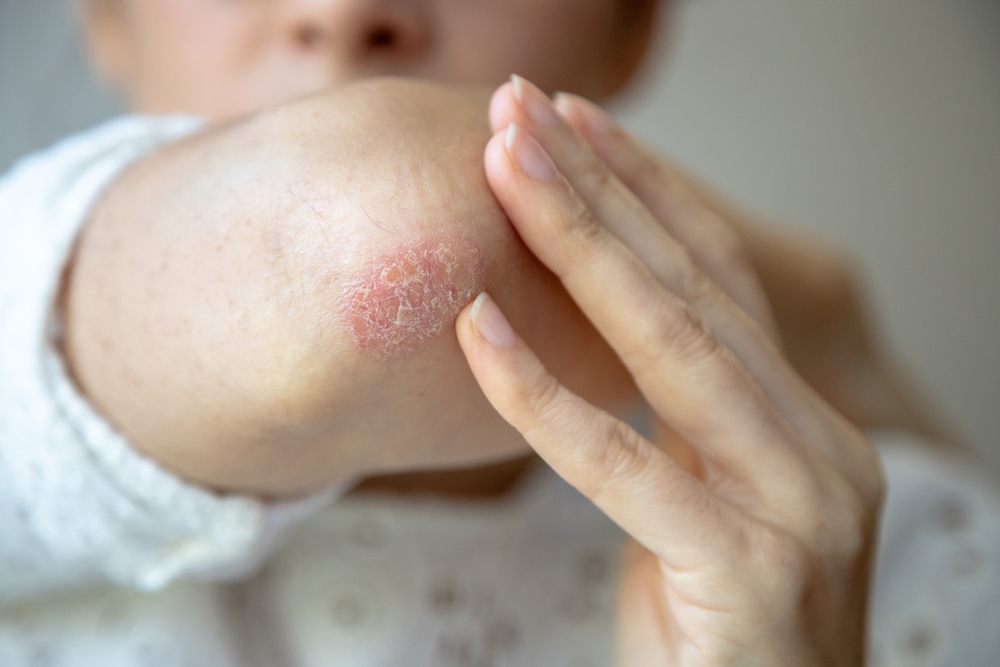
What Does Psoriasis Look Like?

Psoriasis is a little different. Instead of simply causing the skin to become dry and irritated, this condition creates patches of thick, scaly skin known as plaques.

Psoriasis is most common on the scalp, elbows, knees, and lower back, though it can affect almost anywhere on the body. The patches are often itchy, sore, and uncomfortable.

The condition can also affect the nails, causing discoloration, pitting, thickening, and separation from the nail bed. In some cases, it can even be associated with psoriatic arthritis, which can cause joint pain, stiffness, and swelling.

Could It Be Something Completely Different?

Absolutely! Eczema and psoriasis are only two possibilities.

For example, contact dermatitis can cause redness, itching, swelling, and irritation. Something as simple as a new laundry detergent, skincare product, jewelry, or fragrance can trigger a reaction.

Fungal infections can also cause scaly, irritated patches. Other possibilities include:

  • Rosacea
  • Hives
  • Seborrheic dermatitis

Some common skin conditions can initially resemble more familiar rashes, which is one reason why guessing based on just appearance alone can be misleading.

When to See a Dermatologist

Instead of asking yourself “does this look like eczema, psoriasis, or something else?”, the better option is to consult with a skin expert.

If a rash is persistent, spreading, painful, repeatedly returning, or interfering with daily life, it should be checked out by a dermatologist. You should also see a doctor if over-the-counter products aren’t helping or are making your skin worse.

A dermatologist will examine the affected skin and determine whether additional testing, such as allergy testing or skin scraping, may be needed.

If your rash is accompanied by fever, swelling, blistering, severe pain, or other concerning symptoms, seek medical attention ASAP.

How Can I Treat and Prevent Future Flare-Ups?

Once you know what’s causing your symptoms, your dermatologist can recommend the right treatment to calm the current flare-up and help prevent it from returning.

Depending on the diagnosis, treatment may include prescription topical or oral medications, moisturizers, or other therapies to reduce inflammation, itching, and irritation.

Long-term prevention may involve identifying and avoiding triggers, using gentle, fragrance-free skincare products, keeping your skin moisturized, and avoiding harsh scrubbing or other habits that can aggravate your skin.

Does This Look Like Eczema, Psoriasis or Something Else? We Can Diagnose You!

Don’t play a guessing game with your skin. If your redness, itching, or other symptoms aren’t going away, don’t wait to figure out what’s actually going on.

Instead, get the diagnosis and treatment you need at Vibrant Dermatology. Whether you have eczema or a rash caused by an allergic reaction, our team is here to help.

Book your appointment online or call our office at 617-250-0257 to schedule today!

Why Do I Keep Getting Dry, Flaky Patches on My Skin?

dry flaky patches on skin

Dry patches that appear once in winter and clear up with moisturizer are rarely a concern. The kind that keep coming back, resist basic treatment, or show up in the same spots repeatedly are telling a different story.

Why do I keep getting dry, flaky patches on my skin is a question that almost always has a specific answer. Finding that answer requires looking beyond the weather and the products you are using.

This post covers the most common medical and lifestyle causes of recurring dry patches and when professional evaluation is the right next step.

Why Moisturizer Alone Is Not Always Enough

Basic dry skin responds to proper hydration because the issue is environmental. Cold air, low humidity, and hot showers strip moisture from the skin surface.

When dry patches keep returning despite consistent moisturizing, the problem usually runs deeper. Something is disrupting the skin barrier itself rather than simply drying the surface.

A compromised barrier allows moisture to escape and irritants to penetrate. This cycle continues regardless of how often you apply cream.

Eczema: a Common Cause of Recurring Dry Patches

Eczema disrupts the skin’s ability to hold moisture by compromising its outer barrier layer. Without a functional barrier, water escapes constantly and irritants move in.

This is why eczema-prone skin feels perpetually dry even with consistent moisturizing. The underlying structural defect is the problem, not the moisturizer itself.

Treatment focuses on repairing the barrier while identifying what triggers each individual flare. Prescription options have advanced significantly and can provide long-term control for patients who have struggled for years.

Why Do I Keep Getting Dry, Flaky Patches on My Skin?

Psoriasis is driven by an immune system malfunction that accelerates skin cell production far beyond normal rates. Cells that typically shed in weeks are replaced in days.

That buildup cannot clear fast enough, so it accumulates on the surface as thick, scaly plaques. The result looks and feels very different from ordinary dryness.

Psoriasis often goes undiagnosed for years because patients assume it is simply dry skin. A dermatologist can distinguish it quickly and recommend treatments that target the immune trigger directly.

Seborrheic Dermatitis and the Scalp Connection

Seborrheic dermatitis produces flaking that is oily and yellowish rather than dry and powdery. This texture difference is one of the clearest signs it is not standard dry skin.

The condition is tied to a naturally occurring skin yeast that becomes overactive in certain conditions. Hormonal shifts, stress, and seasonal changes all influence how aggressively it flares.

Over-the-counter dandruff shampoos manage mild scalp involvement but rarely address facial or body involvement adequately. Prescription antifungal treatments produce more reliable and longer-lasting control.

Why Do I Keep Getting Dry, Flaky Patches on My Skin Despite a Good Routine?

Skincare products themselves are sometimes the culprit. Fragrances, preservatives, and alcohol in cleansers and moisturizers trigger contact dermatitis in sensitive skin.

Patients wondering why do I keep getting dry, flaky patches on my skin despite diligent care are often reacting to something they apply daily without realizing it. Patch testing identifies the specific allergen driving the reaction.

Switching to fragrance-free, hypoallergenic formulations often resolves the problem once the trigger is identified and removed.

When Thyroid and Nutritional Factors Play a Role

Hypothyroidism slows the body’s metabolic processes, including skin cell renewal. Dry, rough, flaky skin that does not respond to topical treatment is a known symptom of underactive thyroid function.

Deficiencies in zinc, vitamin D, and essential fatty acids also affect skin barrier integrity. These are worth evaluating when dry patches persist without an obvious dermatological cause.

A dermatologist will consider systemic factors during a thorough skin evaluation. Sometimes the skin is reflecting something happening internally rather than a surface-level issue.

Get to the Root of Your Dry, Flaky Patches on Your Skin at Vibrant Dermatology

Recurring dry, flaky patches deserve a real diagnosis rather than another moisturizer.

Vibrant Dermatology in Dedham, MA, and Milton, MA, offers comprehensive skin evaluations for all types of chronic skin conditions.

Book your appointment online or call our office at 617-250-0257 to schedule today and discover how you can get rid of those pesky dry, flaky patches on your skin.

What Could Be Causing This Rash That Won’t Go Away on Its Own?

rash that won't go away on its own

A rash that clears up in a day or two is usually nothing to worry about. A rash that won’t go away for weeks, keeps returning, or spreads to new areas is a different story.

What could be causing this rash that won’t go away is one of the most common questions dermatologists field. The answer depends on where it is, what it looks like, and what makes it better or worse.

This post covers the most likely culprits behind a persistent rash and when it is time to get a professional diagnosis.

Why Some Rashes Refuse to Clear on Their Own

The skin is the body’s largest organ and one of its most expressive. Rashes are how it signals everything from allergic reactions to autoimmune activity to infection.

A rash that does not respond to basic treatment is usually communicating something specific. Identifying that signal requires more than guesswork and hydrocortisone cream.

Chronic rashes often involve a trigger that keeps reactivating the immune response. Without removing or managing that trigger, the rash has no reason to resolve.

Eczema: the Most Common Cause of Recurring Rashes

Eczema produces dry, intensely itchy patches that flare in response to irritants, allergens, and stress. It most commonly appears on the inner elbows, behind the knees, and on the neck and hands.

The barrier function of eczema-prone skin is compromised. This allows moisture to escape and irritants to penetrate more easily than they would in healthy skin.

Flares can last days or weeks and often cycle back without warning. Managing eczema requires identifying personal triggers alongside consistent treatment.

What Could Be Causing This Rash That Won’t Go Away if It’s Scaly?

Psoriasis produces thick, silvery-scaled patches that most commonly appear on the scalp, elbows, knees, and lower back. It is an autoimmune condition, not a skin infection.

The immune system mistakenly accelerates skin cell turnover, producing cells faster than the body can shed them. The buildup creates the characteristic scaling and inflammation.

Psoriasis is chronic and cannot be cured, but it can be effectively managed. Treatment ranges from topical therapies to biologics depending on severity.

Contact Dermatitis and Allergic Triggers

Contact dermatitis develops when the skin reacts to something it has touched. Common triggers include fragrances, preservatives, nickel, latex, and certain plant compounds.

The rash typically appears where contact occurred, though allergic reactions can sometimes spread beyond the initial exposure site. Patch testing by a dermatologist identifies the specific allergen driving the reaction.

Avoiding the trigger resolves the rash in most cases. The challenge is identifying which of the dozens of daily exposures is actually responsible.

What Could Be Causing This Rash That Won’t Go Away on Your Face Specifically?

Facial rashes that persist often involve rosacea, seborrheic dermatitis, or perioral dermatitis rather than eczema or psoriasis. Each has distinct characteristics that guide treatment.

Rosacea causes central facial redness with visible blood vessels and sometimes acne-like bumps. It flares in response to heat, alcohol, spicy food, and sun exposure.

Seborrheic dermatitis produces flaky, oily patches around the nose, eyebrows, and hairline. It is driven by a yeast that lives naturally on skin and becomes overactive in certain conditions.

When a Persistent Rash Needs Professional Evaluation

Patients asking what could be causing this rash that won’t go away should not wait indefinitely for it to resolve on its own. Some rashes signal conditions that worsen without treatment.

A dermatologist performs a visual assessment, reviews your history, and sometimes orders a biopsy or patch test to confirm the diagnosis. Accurate diagnosis is the only reliable path to the right treatment.

The sooner a persistent rash is evaluated, the sooner it can be properly managed.

Find Out What Your Skin Is Trying to Tell You, Call Our Experts Today to Schedule Your Appointment

A rash that keeps coming back deserves a real answer. Vibrant Dermatology in Dedham, MA, and Milton, MA, offers thorough skin evaluations for all types of chronic and recurring rashes.

Book your appointment online or call our office at 617-250-0257 to schedule today and discover how you can get rid of that pesky rash that won’t go away on its own.

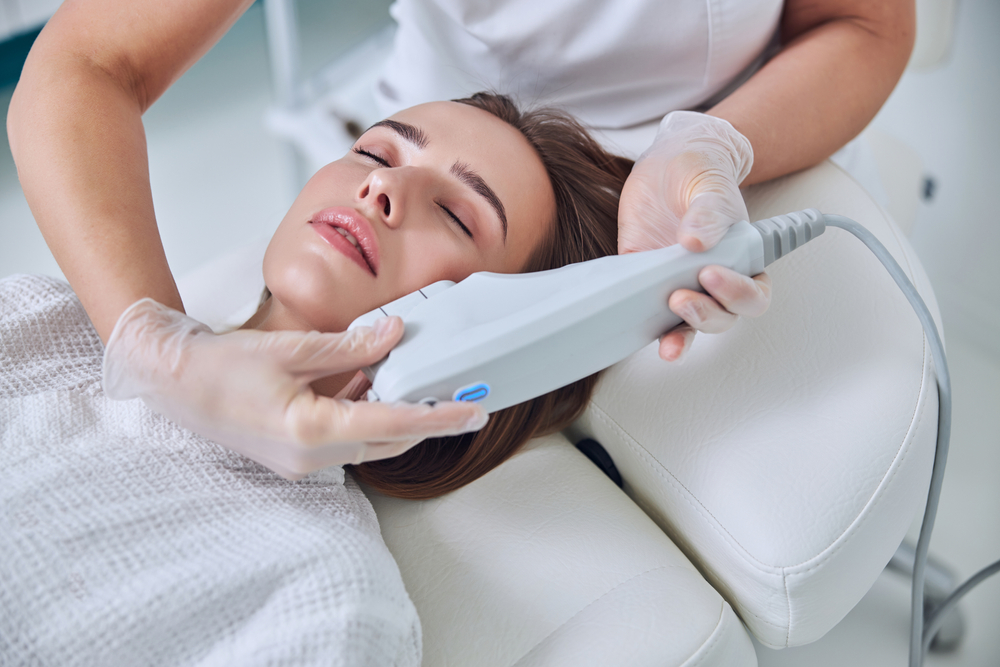
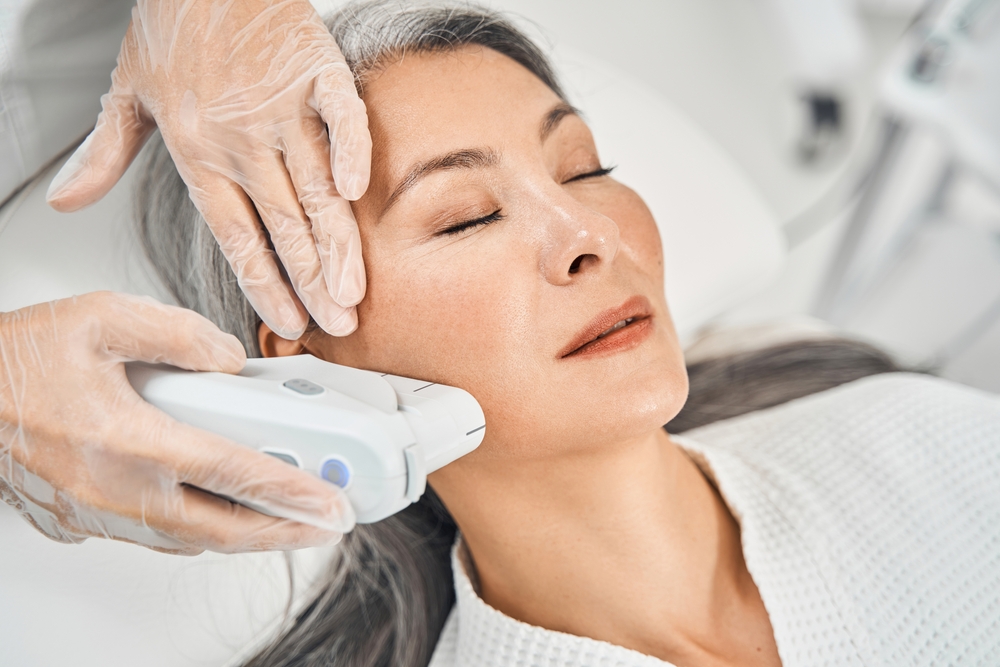
What Are My Options if I’m Not Ready for Surgery but Want Tighter Skin?

woman getting Sofwave for tighter skin without surgery

The idea of going under the knife stops a lot of people who want tighter skin from addressing skin laxity at all. But waiting for the right time for surgery often means watching changes progress that did not have to.

What are my options if I’m not ready for surgery but want tighter skin is one of the most practical questions a dermatologist hears.

The non-surgical category has matured enough that this question now has genuinely impressive answers.

This post covers the landscape of non-surgical skin tightening such as Sofwave, who each option suits best, and how to build a realistic plan.

Understanding What Non-Surgical Tightening Can and Cannot Do

Non-surgical options work by stimulating the body’s own collagen production rather than physically repositioning tissue.

Research shows that collagen production slows noticeably as early as the 30s, which is precisely when laxity begins to develop.

Mild to moderate laxity responds best. Patients with very advanced sagging or significant excess skin typically need surgical correction to achieve their goals.

The earlier you address laxity, the more a non-surgical approach can accomplish. Patients who start before changes become dramatic consistently see the most significant outcomes.

What Are My Options if I’m Not Ready for Surgery but Want Tighter Skin?

Sofwave uses focused ultrasound energy to heat the mid-dermal layer where collagen is produced. A single session stimulates a remodeling response that develops over three to six months.

The SofCool system protects the skin surface throughout the procedure. This means treatment reaches the productive depth without causing surface disruption or requiring recovery time.

Results are gradual and natural looking. Most patients notice initial changes within a few weeks and continue to see improvement for months after their session.

Radiofrequency Microneedling as a Complementary Option

RF microneedling combines controlled micro-injuries with radiofrequency energy delivered precisely into the dermis. It addresses texture and surface quality alongside deeper structural tightening.

The two modalities target different depths and different aspects of skin aging. Patients with both laxity and surface concerns often benefit from combining Sofwave Skin Tightening with RF microneedling in a sequenced protocol.

Your provider will determine whether one treatment addresses your concerns or whether a combination approach produces more comprehensive results.

Spacing between sessions is planned to allow each round of collagen stimulation to build on the last.

What About Tighter Skin on the Body?

Skin tightening is not limited to the face. The abdomen, inner thighs, arms, and knees all respond to energy-based treatment.

Patients asking what are my options if I’m not ready for surgery but want tighter skin on the body often have concerns that developed after weight loss or pregnancy.

These areas can improve meaningfully with the right device and the right protocol.

Body treatments typically require slightly longer sessions than facial treatments due to the larger surface area involved. Recovery remains minimal regardless of the zone being treated.

How to Build a Plan That Matches Your Goals

A consultation is the only reliable way to match the right treatment to your specific anatomy and goals. Skin quality, degree of laxity, and target areas all factor into the recommendation.

Maintenance matters as much as the initial treatment. A single session produces results, but most patients benefit from a follow-up session within six to 12 months to sustain and build on those gains.

Pairing in-office treatment with daily SPF, hydration, and a collagen-supportive skincare routine extends results significantly. What you do between sessions shapes how long the tightening holds.

Explore Your Non-Surgical Options for Tighter Skin at Vibrant Dermatology

Surgery is not the only path to tighter, firmer skin. Vibrant Dermatology in Dedham, MA, and Milton, MA, helps patients build non-surgical plans that deliver real, visible results without the risk or recovery of a facelift.

Book your appointment online or call our office at 617-250-0257 to schedule today and discover how you can look younger without surgery in Massachusetts.

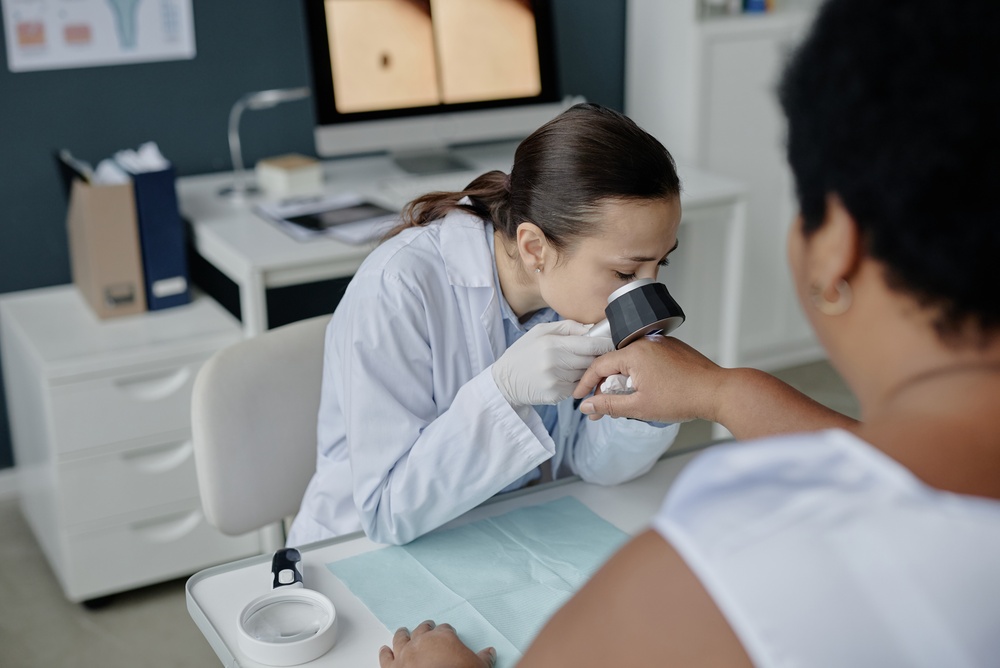
Should I Be Worried About a New Mole That Appeared Out of Nowhere?

woman getting a new mole looked at

Noticing a new mole on your skin that was not there before is unsettling. The mind goes to worst-case scenarios quickly, and the uncertainty of not knowing what it means makes it worse.

Whether you should be worried about a new mole that appeared out of nowhere depends on several specific factors. Most new moles in adults are benign, but some warrant prompt evaluation.

This post covers what to look for, which warning signs matter most, and when to see a dermatologist without delay.

Why New Moles Appear in Adulthood

Most moles develop during childhood and adolescence as melanocytes cluster in the skin. New moles in adulthood are less common but not automatically cause for alarm.

Sun exposure is the most common trigger for new pigmented spots in adults. UV radiation stimulates melanocyte activity, which can produce new growths in areas exposed to the sun over decades.

Hormonal changes during pregnancy or while taking certain medications can also prompt new mole development. Genetic factors play a role in how many moles a person develops throughout their lifetime.

The ABCDEs of Mole Evaluation

Dermatologists use the ABCDE criteria to assess whether a mole warrants concern. Each letter corresponds to a specific characteristic worth examining closely.

Asymmetry means one half does not mirror the other. Border irregularity means the edges are ragged, notched, or blurred rather than smooth and clearly defined.

Color variation within a single mole, diameter larger than six millimeters, and evolution or change over time complete the criteria. Any of these features in a new or existing mole warrants professional evaluation.

Should I Be Worried About a New Mole That Appeared Out of Nowhere if It Changes?

A mole that changes in size, shape, or color after it appears is the most significant warning sign. Stable moles that remain consistent over time are far less concerning than those that evolve.

Itching, bleeding, crusting, or oozing from a mole are also red flags that should never be dismissed. These symptoms suggest the mole may be behaving abnormally at a cellular level.

New moles that appear after age 40 deserve particular attention. While many are still benign, the statistical risk of atypical development increases with age and cumulative sun exposure.

What Makes a Mole High Risk?

Personal or family history of melanoma significantly elevates the importance of monitoring new moles. Patients with this history should establish regular full-body skin exams with a dermatologist.

Fair skin, a high total mole count, and a history of significant sun exposure or sunburns are all risk factors. Patients in these categories benefit from more frequent professional monitoring.

Atypical moles, also called dysplastic nevi, have irregular features but are not malignant. They do require ongoing monitoring because they carry a higher statistical risk of becoming cancerous over time.

Should I Be Worried About a New Mole That Appeared Out of Nowhere on Covered Skin?

Patients wondering should I be worried about a new mole that appeared out of nowhere in a sun-protected area are right to flag it. Melanoma can develop in areas that receive little to no sun exposure.

Moles on the scalp, between the toes, under the nails, and on the palms or soles are less commonly examined but equally important. These locations are often missed during self-examination.

Why Does This Matter? Melanoma caught early is among the most treatable forms of skin cancer. Delayed evaluation is the primary reason outcomes worsen.

Get Your Mole Evaluated at Vibrant Dermatology Today, Call Us Now to Book Your Appointment 

A new mole that concerns you deserves a professional opinion, not reassurance from the internet. 

Vibrant Dermatology in Dedham, MA, and Milton, MA, offers thorough skin evaluations and mole assessments for patients of all ages.

Book your appointment online or call our office at 617-250-0257 to schedule today and schedule your skin check today!

  • « Previous Page
  • 1
  • 2
  • 3
  • 4
  • …
  • 46
  • Next Page »

Problems We Treat

In the Clear

Acne: Adults & Teens

lllumination

Hyperpigmentation, Sun Spots, Melasma

Red, Red Go Away

Rosacea, Facial Redness, Sensitive Skin

Tall Drink of Water

Excessively Dry Skin, Eczema

Fountain of Youth

Anti-Aging, Skin Rejuvenation

Mommy & Me Skin Care

For Pregnant & Nursing Mothers

Just for Kids

Skin Care For Those 12 & Under
Contact
Vibrant Dermatology
588 Providence Hwy
Dedham MA 02026
Phone: (617) 250-0257

Vibrant Dermatology
1 Central Ave.
Milton MA 02186
(entrance at 131 Eliot St.)
Phone: (617) 250-0257

© 2026 Vibrant Dermatology | Site Map | TOS/Privacy Policy | Vibrant Dermatology