

Vibrant Dermatology

Book SkinBar MD Book Dermatology
(617) 250-0257
MENU
  • HOME
  • SHOP
  • ABOUT US
    • Meet Dr. Ip
    • Meet Our Staff
    • Why Vibrant Dermatology
    • Dr. Ip In the News
    • Featured Videos
    • Blog
    • Get Dr. Ip’s E-Book
    • Gap Year Program
    • Contact Us
  • Patient Resources
    • Appointment Policies
    • Insurance Information
  • Before and Afters
  • (617) 250-0257
  • (617) 540-5524
  • online bill pay
  • Book an Appointment
  • Medical Dermatology
    • Acne
    • Allergic Reactions
    • Autoimmune Disorders
    • Benign Growths: Seborrheic Keratoses, Skin Tags
    • Birthmarks, Brown Spots, Moles
    • Cysts
    • Eczema/Rashes
    • Excessive Sweating (Hyperhidrosis)
    • Hair Loss
    • Hives
    • Hyperpigmentation/Brown Spots
    • Keloids
    • Lipomas
    • Melanoma
    • Melasma
    • Nail Fungus
    • Psoriasis
    • Scars
    • Shingles
    • Skin Cancer
    • Skin of Color
    • Vitiligo
  • Surgical Dermatology
    • Cyst Removal
    • Lipoma Removal
    • Mole and Benign Lesion Removal
    • Skin Cancer Surgery
  • Pediatric Dermatology
    • Acne
    • Birthmarks
    • Eczema
    • Moles and Brown Spots
    • Skin Allergies
    • Skin Cancer
  • Cosmetic Dermatology
    • Aqua Facial
    • Neurotoxin (Jeuveau)
    • Chemical Peels
    • Era Elite Laser
    • Hair Loss Treatment
    • IPL Treatment
    • Juvederm
    • Kerafactor
    • LaseMD
    • Laser Treatment for Facial Veins
    • Melasma & Hyperpigmentation Treatments
    • NeoClear Laser Acne Treatment
    • NeoSkin Skin Rejuvenation Treatment
    • Non Surgical Face Lift “Liquid Lift”
    • PRP Treatment
    • PRX Skin Revitalization
    • Radiesse
    • Restylane
    • RF Microneedling
    • Sculptra
    • Sofwave Skin Tightening
    • Stretch Marks Treatment
    • Scalp Revive
  • Wellness
    • Sexual Wellness
    • O-Shot
  • Home
  • Shop
  • About Us
    • Meet Dr. Ip
    • Meet Our Staff
    • Why Vibrant Dermatology
    • Dr. Ip In the News
    • Featured Videos
    • Blog
    • Get Dr. Ip’s E-Book
    • Gap Year Program
    • Contact Us
  • Services
    • Medical Dermatology Services
    • Surgical Dermatology
    • Pediatric Dermatology
    • Cosmetic Dermatology
    • Health and Wellness
      • Sexual Wellness in Dedham, MA
      • Weight Loss in Dedham, MA
  • Before and After Gallery
  • Book Appointment
  • All Products
  • Online Bill Pay

Hair Loss

hairloss-n

Who Can Experience Hair Loss?

While many people think of hair loss, thinning, and balding as a problem only experienced by men, women commonly experience hair loss as well. Children may also experience thinning or balding as well.

People of color can experience hair loss as a result of genetic conditions, their overall health, and traction alopecia.

Types of Hair Loss

Not all hair loss is the same, and there are a wide variety of reasons why an individual may experience hair loss. Similarly, people may notice patches on their scalp that are suddenly bald while others may slowly notice that more of their scalp is showing through their hair. For this reason, it is important to see a dermatologist with specialized training in treating hair loss, like Dr. Ip, in order to get an accurate diagnosis and an individualized treatment plan.

Androgenetic Alopecia (Genetic Hair Loss) is also known as male and female pattern baldness, or hereditary hair loss. In men, androgenetic alopecia tends to appear as a receeding hairline or bald patches, especially on the top of the head. Women, on the other hand, tend to keep their hairline while seeing noticeably thinning hair, with the first sign of hair loss for many women is a widening part.

Alopecia Areata is an autoimmune disease that affects the hair. Loss of hair from this condition happens when the immune system attacks the hair follicles. This condition can occur at any age, though it is often first noticible during childhood. Unlike other types of hair loss, people with alopecia areata experience patchy hair loss that begins with coin-sized, round, smooth, bare patches where hair once was.

Telogen Effluvium is a form of temporary hair loss characterized by diffuse hair shedding. Emotional and physiological stress is one of the main causes of this condition, though some medications can also cause it. Some of the most common causes of this type of hair loss include rapid weight loss, childbirth, high fevers, medical procedures, nutritional deficiencies, eating disorders, and stress.

Traction Alopecia is hair loss that happens as a result of consistent pulling on the hair, such as when people wear tight ponytails or braids. It is very common in African American women and in those who wear hair extensions. During the beginning stage of traction alopecia, you may have red bumps or flaking of the scalp. There may also be small, short, broken hairs in this area. Eventually, if the tension on the hair is not removed, this will result in a recession of the hairline or part line with permanent hair loss

Causes of Hair Loss

There are many reasons that someone can experience hair loss. Everything from stress, genetics, and underlying health issues within the body can cause hair loss.

There are a number of medical conditions that can result in the body shedding hair at an excessive speed. For example, hypothyroidism and anemia can both cause hair loss. These conditions require attention from a medical doctor, but, thankfully, hair shedding or loss can be reversed once the condition is under control.

Treatment Options for Hair Loss

Treatments for hair loss are specific to the type of hair loss you are experiencing, Depending on your diagnosis, treatment for hair loss can range from a supplement regimen to oral medications.

Since simply looking at the scalp may not be enough to diagnose the cause of hair loss, blood work and scalp biopsies may be required.

Thankfully, we now have many options to treat hair loss. At Vibrant Dermatology, we will develop a comprehensive treatment plan for you that can include topical and oral supplements and medications or Scalp injections of cortisone. We also offer cutting-edge Platelet Rich Plasma treatments that use your own stem cells to stimulate hair growth, as well as laser light treatments.

Contact Us

Leave your skincare to the experts. Hair loss is a frustrating condition that can affect your confidence and may be a symptom of a more serious medical condition. If you would like to experience premier dermatological care to achieve beautiful and healthy skin, please schedule your appointment with Dr. Ip today.

More Cosmetic Services

Cysts

cysts-featured

Who Can Develop Cysts?

Almost anyone can develop a cyst. However, people with certain genetic conditions, infections, chronic inflammation, blocked ducts, parasites, and injuries are more likely to develop cysts over time.

Women with PCOS, for example, are prone to developing ovarian cysts. Teens with chronic acne are predisposed to developing cysts as a result of clogged pores and inflammation. Individuals who travel to other countries may also develop a cyst as their body attempts to encapsulate a parasite.

Types of Cysts

Cysts can occur on anywhere on the body and they can range drastically in size. Depending on their location, however, they may be called different names in order to best support a clear diagnosis and treatment plan.

If a cyst appears on the scalp, it is known as a pilar cyst. Cysts on the ovaries are known as ovarian cysts. When individuals with acne develop cysts in areas where breakouts are, these are known as cystic acne. If someone develops a cyst as a result of a blocked gland or duct, these are known as sebaceous cysts.

Another common type of cyst that most commonly affects the face is known as a milia. These are exceptionally small epidermoid cysts that look like tiny white or yellow bumps on the face. Many men, women, and teens first encounter a milia and believe that they are whiteheads. However, when someone tries to “pop” them, they will find it exceptionally hard to remove a milia without damaging the rest of their skin – which is one reason why Dr. Ip strongly discourages patients from trying to extract anything on their own. And, though they often stay small, many patients prefer to milia removed for cosmetic reasons.

What Causes Cysts?

The development of a cyst occurs in response to inflammation or as the body’s reaction to a foreign object or infection. In some cases, cysts can even develop as a result of clogged oil glands or pores, leading to cystic acne.

In general, cysts can be thought of as a natural way for a body to section off something that shouldn’t be there. However, cysts can also occur as an “overreaction” to hormones and other stimuli.

Treatment Options for Cysts

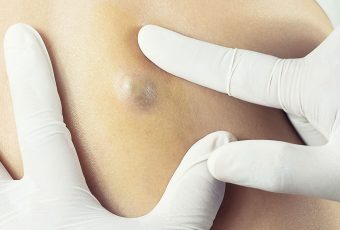
Since cysts tend to contain biological matter, they can easily become inflamed or infected. As a result of trauma or internal pressure, the contents of a cyst can rupture into the surrounding area. Cysts can also be red, swollen, and painful to the touch.

In many cases, removing the cyst is best for medical and cosmetic reasons. In the case of cysts that occur near the surface of the skin, removal is an easy process.

During a quick, outpatient procedure that often occurs right in your dermatologist’s office, your dermatologist will numb the area and remove the cyst. If the cyst has ruptured, your doctor will take the time to clear the area and remove all remnants.

Depending on the size of the cyst, your dermatologist may also close the area with small stitches to try and prevent a cyst from forming there in the future.

Contact Us

Leave your skincare to the experts. Cysts are a common skin condition that should be treated by a professional to ensure that they do not worsen and that they are not linked to a more serious medical condition. If you would like to experience premier dermatological care to achieve beautiful and healthy skin, please schedule your appointment with Dr. Ip today.

Autoimmune Disorders

Autoimmune-featured

Symptoms of Autoimmune Disorders

Since the skin is the body’s largest organ, many autoimmune disorders can have different skin manifestations.

For example, systemic lupus erythematosus is an autoimmune disease that affects multiple systems of the body, including internal organs and the skin. Frequently accompanying this disorder is a rash with widespread redness that covers the nose and cheeks. Being able to differentiate between the symptoms that are appearing on a patient’s skin and connecting that with an autoimmune disorder is best performed by a qualified dermatologist.

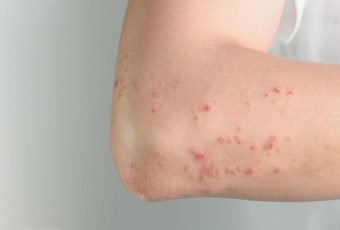
There are much different Autoimmune Disorder Treatment that come with skin manifestations. Some of the most commonly experienced skin symptoms include a violet rash that commonly develops on the face and eyelids, nail fold changes, sun sensitivity, and swelling, among other signs.

Who Can Develop Autoimmune Disorders that Affect the Skin?

There are many risk factors that can increase the likelihood for someone to develop an autoimmune disorder. Family history, and genetics, for example, can be indications for certain autoimmune disorders.

For example, in the case of systemic lupus erythematosus, women are actually 6 times more likely to acquire the disease than men. However, everyone from children, teens, men, women, and older individuals can develop an autoimmune disorder.

Getting a Diagnosis for Autoimmune Disorders

Using clinical knowledge, discussions with each patient, and diagnostic testing, Dr. Ip can work with your medical team to come to a diagnosis and treatment plan that best controls the autoimmune disorder and its effects on the skin. The diagnosis for autoimmune disorders requires a combination of clinical acumen as well as diagnostic labs.

For most patients, autoimmune disorders are diagnosed and treated by a team of diversely specialized doctors, such as a dermatologist, rheumatologist, and so on, in order to provide the highest level of comprehensive care.

Treatment Options for Autoimmune Disorders Affecting the Skin

Because there are so many autoimmune disorders that can affect the skin, the treatment options can vary widely. During your consultation with Dr. Ip, you will learn about, and discuss, what is available for you and the types of results you can expect. In many cases, steroids and immunotherapy are needed to properly control the symptoms of an autoimmune disorder on the skin.

Contact Us

Leave your skincare to the experts. Autoimmune disorders can affect the skin in numerous ways, each requiring professional treatment in order to best control the symptoms. If you would like to experience premier dermatological care to achieve beautiful and healthy skin, please schedule your appointment with Dr. Ip today.
Vitiligo

Vitiligo-featured

Who Can Develop Vitiligo?

Vitiligo develops in both men and women. It commonly appears during childhood, which can cause further psychological distress. The exact cause of vitiligo is unknown, as is a cure or way to prevent this disease from developing.

As with other autoimmune diseases, vitiligo tends to have a hereditary pattern and may run in the family.

People of all skin tones may develop vitiligo, though it is most noticeable in people with naturally tan skin and people of color.

Types of Vitiligo

Though all types of vitiligo are known to cause depigmentation, there are several different types of vitiligo. Getting an accurate diagnosis is extremely important in order to create a treatment plan that could yield the best aesthetic results.

Generalized vitiligo is the most commonly experienced type of vitiligo. Areas of depigmentation are usually symmetrical across the body. Common areas that are affected by generalized vitiligo include the hands, wrists, elbows, underarms, face, eyelids, nose, lips, ears, hips, knees, ankles, and feet.

Segmental vitiligo refers to a type of vitiligo that appears during childhood and most commonly affects the face, neck, abdomen, arms, and legs. This type of vitiligo usually stabilizes and stops spreading after a few years of active depigmentation.

Universal vitiligo is a rare but extremely severe variety of vitiligo. Universal vitiligo is marked by depigmentation which covers more than 80% of the body.

Lip-tip vitiligo is a variety of vitiligo that only affects the lips, fingers, and toes. Unlike other types of vitiligo, lip-tip vitiligo does not have a consistent pattern and it is not necessarily symmetrical.

Causes of Vitiligo

Vitiligo is an autoimmune disease, in which cells in your body attack other cells in your body.

Though the cause of this autoimmune disorder isn’t exactly known, vitiligo occurs when your immune cells attack melanocytes. Since these cells produce the pigment that creates your unique skin tone, depigmentation occurs as the immune system continues its attack.

Treatment Options for Vitiligo

Vitiligo is a difficult condition to treat as it does not have a cure or a well-understood cause, and it also causes psychological distress.

However, there are several treatment options for vitiligo that can help prevent or slow further depigmentation. Topical corticosteroids and calcineurin inhibitors, such as tacrolimus, can help treat vitiligo. Other common options include light and laser therapy.

Contact Us

Leave your skincare to the experts. Vitiligo is a distressing condition that changes the appearance of the skin through often widespread depigmentation. If you would like to experience premier dermatological care to achieve beautiful and healthy skin, please schedule your appointment with Dr. Ip today.
Shingles

shingles-featured

Who Can Develop Shingles?

Both men and women can develop shingles during their lifetime. The causes of shingles are well understood, and studies have found that people with medical conditions that compromise the immune system are at higher risk of getting shingles. The risk of shingles also increases with age.

Individuals who have had chickenpox are also likely to develop shingles as the virus is already within their body.

Causes of Shingles

Shingles is caused by the varicella zoster virus, which is the same virus that causes chickenpox. After a person recovers from chickenpox, the virus doesn’t go away. Instead, it stays in the body in a dormant state. This inactive virus may reactivate years later, causing shingles.

When someone has the shingles virus within them, it can stay dormant for decades or their entire life. More commonly, the person will develop shingles at some point. Triggers such as stress and a weakened immune system can cause the dormant varicella zoster virus to become active and appear as shingles.

Treatment Options for Shingles

Unfortunately, there is no way to prevent or cure shingles. The best defense is the varicella zoster vaccination which provides protection. Adults over the age of 50 are recommended to get this vaccination as it can prevent shingles from becoming active.

There are several antiviral medications that have been shown to shorten the length and severity of the shingles outbreak. These medications are most effective if started soon after symptom onset, making it especially important to seek medical treatment if you have had chickenpox or develop new symptoms. Be vigilant for new skin sensitivity, pain, tingling, burning, or numbness since these are the common symptoms prior to the shingles rash developing.

Contact Us

Leave your skincare to the experts. Shingles is an uncomfortable and frustrating condition to experience regardless of your age. This condition may come with some serious medical complications that make professional care an important part of recovering from shingles. If you would like to experience premier dermatological care to achieve beautiful and healthy skin, please schedule your appointment with Dr. Ip today.
Psoriasis

Psoriasis-featured

Who Can Develop Psoriasis?

Psoriasis affects both men and women of all ages. However, this disease most commonly first appears between the ages of 15 and 35.

In the past, people thought that psoriasis only affected people with fair skin. This is not the case, though the majority of people diagnosed with psoriasis do have fair skin. People of color, including Hispanic individuals and Native Americans, can also develop psoriasis.

Types of Psoriasis – Best Treatment for Psoriasis

Psoriasis is a complex skin condition and there are several different types of psoriasis. Each variant of psoriasis may have different symptoms and, consequently, different treatment options. Coming to the right diagnosis and creating an optimal treatment plan can only be accomplished by a board-certified dermatologist.

There are several variants of psoriasis, including the following:

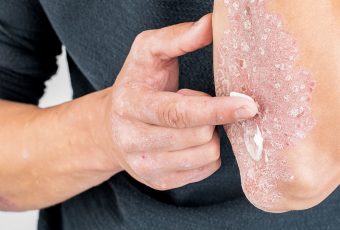
Plaque psoriasis is the most common type of psoriasis. This causes areas of rough, itchy, red, and scaly patches of skin across the body.

Guttate psoriasis is a variety of psoriasis where a patient experiences small “drops” of psoriasis across larger areas of their body.

Inverse psoriasis refers to a type of psoriasis where flareups develop within the folds of the body. This includes areas around the ears, genitals, buttocks, lips, fingers, abdomen, and breasts.

Pustular psoriasis is a rarer form of psoriasis where a patient experiences psoriasis across their body that includes pustules, also known as areas of pus-filled bumps.

Erythrodermic psoriasis refers to the most extreme form of psoriasis, which covers the entire body. It can cause peeling, inflammation, and swelling across the entire body and should be treated as a medical emergency that requires professional attention.

What Causes Psoriasis?

The exact cause of psoriasis is not known, but it is understood to be caused by your immune system affecting the way your skin grows. It can also be an inherited disease since people who have family histories of psoriasis are at an increased risk of developing it.

Our current understanding of psoriasis is that it develops when the immune system mistakenly identifies a normal skin cell as a foreign invader, which causes the immune system to overproduce new skin cells in that area. This is what causes the patches of scaly, thick skin to develop.

When someone has psoriasis, anything from stress, cold weather, certain medications, and infections can potentially cause their psoriasis to flare up even if it was previously well controlled.

Treatment Options for Psoriasis

For most, the first line of treatment for psoriasis includes topical steroids. During your examination, Dr. Ip will discuss your symptoms and history with you, as well as the details of your individual case and how severe your psoriasis is.

At times, psoriasis can be so severe that systemic medications are necessary. If this is the case, Dr. Ip will take the time to talk to you about what this means and what you can expect from your treatment.

Vibrant Dermatology is one of the only dermatology practices in Massachusetts offering Aerolase laser treatment for psoriasis. The laser works by closing down the blood vessels that feed psoriasis plaques and by preventing the skin from growing too quickly. The treatment takes minutes and has no downtime.

Contact Us

Leave your skincare to the experts. Psoriasis is a frustrating skin condition that is a cosmetic concern for many men and women, but it may also cause discomfort that can be helped with professional care. If you would like to experience premier dermatological care to achieve beautiful and healthy skin, please schedule your appointment with Dr. Ip today.

Melanoma

melanoma-featured

Who Can Develop Melanoma?

Though many think that only people with fair skin can develop melanoma, everyone can be at risk. People of color are likely to first develop melanoma on their hands, feet, or underneath their nails. In some rare cases, melanoma can begin in the eyes, mouth, genitals, and internal organs.

There are certain risk factors for melanoma, though. These include having fair skin, experiencing sunburns that peel, having more than 50 moles, having abnormal moles, having a family history of melanoma, and getting frequent sun exposure from outdoor activity or tanning beds.

Types of Melanoma

There are several different types of melanoma, though it is important that each type is caught early to reduce the chance of spread to other parts of the body.

Superficial melanoma refers to cancer that starts in the upper layers of the skin and slowly grows to spread across more skin. It usually originates in or near a mole that already existed on the skin.

Nodular melanoma is a type of cancer where a new growth on the skin develops rather rapidly. This growth is usually red in color and most commonly appears on the head, neck, chest, and back.

Lentigo maligna melanoma is a type of cancer that develops in older individuals and most frequently appears on areas that were exposed to the sun for years. This type of cancer develops off of a previously existing precancerous condition, lentigo maligna.

Treatment Options for Melanoma

When caught early, melanoma is a highly treatable form of cancer with high success rates. However, some people do not notice skin abnormalities in hard-to-see areas and do not seek treatment until other symptoms develop. This is why scheduling a yearly full-body skin exam is so important.

Thankfully, most melanomas are easily treated by surgical excision. During this procedure, a margin of healthy skin surrounding the biopsy site will also be removed to ensure all of the abnormal cells have been removed. The biopsy will then be sent to a lab for further testing and many patients will be brought in for more frequent checks to monitor their skin closely.

When the melanoma is caught at an advanced stage, additional testing and scans, especially of the lymph nodes, will be needed. These tests are done to see if the cancer has spread, where it has spread, and how advanced it is in those areas. After these results come in, if a patient is diagnosed with metastatic melanoma, surgery to remove the cancer, chemotherapy, immunotherapy, and radiation is likely required.

Contact Us

Leave your skincare to the experts. Melanoma is an exceptionally serious condition, but it is easily treated when caught early. If you would like to experience premier dermatological care to achieve beautiful and healthy skin, please schedule your appointment with Dr. Ip today.

Hyperpigmentation/Brown Spots

hyperpigmentation-featured

Who Can Develop Hyperpigmentation?

Anyone can develop hyperpigmentation and it can happen across every age group, though some types of hyperpigmentation are more common in some groups than others.

Since hyperpigmentation can occur as a result of acne, when someone develops post-inflammatory hyperpigmentation, or as a result of sun damage, everyone is prone to hyperpigmentation in some regard.

Types of Hyperpigmentation

There are several different types of hyperpigmentation and brown spots that can develop. Since your skin is your largest organ, it is important to work with a board-certified dermatologist so that they can identify the type of hyperpigmentation you’re experiencing and check for signs of skin cancer.

Sun Damage refers to the brown spots or blemishes that are commonly called age spots. Depending on your age and the amount of sun exposure you experience, this type of hyperpigmentation can appear on the face and on the back of the hands.

Sometimes, these spots are also called lentigines, lentigos, or liver spots and they appear as sharply defined, rounded, brown or black, flat patches of skin.

Post-inflammatory Hyperpigmentation refers to the hyperpigmentation may develop as part of the scarring process after skin has been injured. This condition is much more common in skin of color, but can happen to people with any skin tone. Most commonly, post-inflammatory hyperpigmentation occurs as a result of acne scarring.

Causes of Hyperpigmentation and Brown Spots

The most common cause for hyperpigmentation and brown spots is sun exposure and damage. Over time, sun exposure can cause our skin to create more melanin. This is what gives so many people the tans they are seeking.

However, the sun’s harmful rays can disrupt this process and cause hyperpigmentation and splotchiness to develop. If a person continues getting sun exposure after hyperpigmentation and brown spots appear, these spots are likely to only get darker.

Other causes of hyperpigmentation and brown spots include hormone changes, age, skin injuries, and even certain medications.

People of color are more at risk of developing hyperpigmentation and brown spots from sun exposure as well as other common causes than people with lighter skin tones. Vibrant Dermatology is proud to support people of color with the highest quality care as Dr. Ip has special expertise in the nuances of treating skin of color.

Treatment Options for Hyperpigmentation and Brown Spots

Even though hyperpigmentation and brown spots are typically benign, many people find them to be a cosmetic concern. The good news is that brown spots can effectively be eliminated with several of the treatments available at Vibrant Dermatology, including chemical peels, laser treatments, facials, and cosmeceuticals.

Since people with hyperpigmentation and brown spots have an increased risk of skin cancer, it’s important to be seen by a board-certified dermatologist so that your skin can be examined to find the best treatment option for you. It is important to ensure that skin is healthy prior to pursue any cosmetic treatments to improve the appearance of brown spots.

Contact Us

Leave your skincare to the experts. Hyperpigmentation and brown spots can be a cause of cosmetic concern as well as an indication of a more serious medical condition that should be treated by a dermatologist to best control this condition. If you would like to experience premier dermatological care to achieve beautiful and healthy skin, please schedule your appointment with Dr. Ip today.
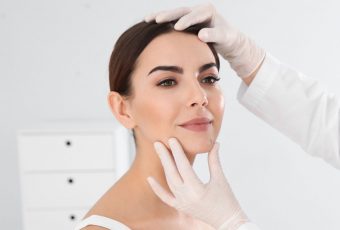
Excessive Sweating (Hyperhidrosis)

Hyperhidrosis-featured

Who Can Develop Hyperhidrosis?

Many people with hyperhidrosis notice their excessive sweating during their teenage years. Men and women can both experience excessive sweating, and it may be focused on different areas of their body. For example, some people may notice that they sweat excessively from their hands, forehead, back, or armpits.

Excessive sweating can also be caused as a result of other medical conditions as well as certain medications.

Types of Excessive Sweating

When it comes to excessive sweating, there are two major categories for hyperhidrosis: primary focal hyperhidrosis and secondary generalized hyperhidrosis.

Primary focal hyperhidrosis is sometimes also called “idiopathic hyperhidrosis” because there is no clear cause. In these cases, the excessive sweating in itself is a medical condition. People with this type of excessive sweating will notice that they sweat from specific areas – usually symmetrical spaces, such as both hands or both armpits.

Secondary generalized hyperhidrosis is a type of excessive sweating that is the result of another medical condition or medication. For example, people with pituitary conditions, diabetes, hypoglycemia, gout, or menopause may experience secondary generalized hyperhidrosis as a result of their condition.

Treatment Options for Excessive Sweating (Hyperhidrosis)

While there are many over the counter antiperspirants, a stronger formulation of the most common ingredient, aluminum chloride, is also available by prescription. Antiperspirants work by plugging the sweat ducts in the armpits much like a cork plugs a bottle, and some people with hyperhidrosis have benefitted from prescription-strength antiperspirants.

However, so many people experience excessive sweating on their hands and feet, where antiperspirants may not be a realistic option. In these cases, oral medications may be prescribed to decrease your body’s ability to sweat and secrete liquid. These medications may also cause your mouth and eyes to become dry, so Dr. Ip will go over all of your options to find what will work best for you.

For patients who do not respond to antiperspirants, we also offer botulinum toxin (Botox®), which can be injected into the underarms, hands or feet to decrease the sweating.

By injecting the affected area with botulinum toxin, sweating will be reduced for approximately 6 months, making it an excellent option for many. Botulinum toxin can also be used to address excessive scalp and facial sweating! This is a highly effective procedure that is covered by some insurance carriers.

Contact Us

Leave your skincare to the experts. Excessive sweating is an uncomfortable condition that can affect your confidence and may be a symptom of a more serious medical condition. If you would like to experience premier dermatological care to achieve beautiful and healthy skin, please schedule your appointment with Dr. Ip today.

Birthmarks, Brown Spots, Moles

Birthmarks-featured

Types of Birthmarks

Birthmarks can be extremely varied from person to person, and they can appear anywhere on the body. However, there are a few common types of birthmarks:

Café au lait spot: These birthmarks are typically oval or round in shape and they are light brown in color – similar to the tone of a café au lait.

Port-wine stain: Usually present at birth, these birthmarks can vary in size and tone. However, they are most commonly pink or deep red in color as well as irregularly shaped and large in size. This is because port-wine stains are caused by abnormally dilated blood vessels below the skin’s surface.

What are Moles?

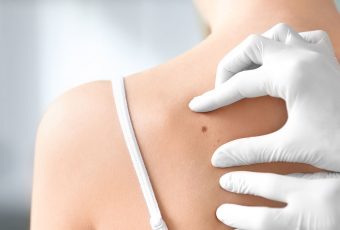
Moles are a collection of pigmentation cells on the surface of the skin that tend to develop with age. As we get older, we are more likely to develop more moles across our body. These growths can be flat or raised, and they can be a variety of colors between light brown, dark brown, black, and even a blueish hue.

Since moles are made up of collections of pigmentation cells, they may change over time. Pregnancy, puberty, hormonal therapy, and sun exposure can also cause moles to change in color or shape.

Though moles are usually benign, your genetics and extended sun exposure may make it more likely for a benign mole to become malignant.

This is why it is very important for individuals with a lot of moles, freckles, brown spots, and birthmarks to see a dermatologist regularly to monitor for any abnormal developments. It is important to catch changes in moles and brown spots early because treatment is less invasive when malignant growths are found as soon as possible.

How to Tell if Moles are Dangerous

If you have a lot of moles, birthmarks, or brown spots on your skin, it is important for you to schedule annual full body skin examinations so that your dermatologist can check for signs of skin cancer or any other changes.

However, you should also be keeping an eye on the health of your skin by examining with the ABCDE’s of moles at home.

A: Asymmetry – if you draw a line through a mole, the two halves should match. If not, this asymmetry is a cause of concern.

B: Border – the borders of your mole should be smooth and even. Melanoma tends to have rough, uneven, scalloped, or notched edges.

C: Color – if your mole is made up of different colors, like a mix of brown and black, this is a cause of concern.

D: Diameter – in general, melanomas usually are larger in diameter than the size of an eraser on your pencil, though they may be smaller when detected.

E: Evolving – when a mole is “evolving” in any way, such as if it is changing in shape or color, you should schedule an appointment to have it evaluated.

What Causes Birthmarks, Brown Spots, and Moles?

There are many different reasons why someone may develop birthmarks, brown spots, and moles. The most common cause of these types of conditions are an overgrowth of blood cells, melanocytes (which give your skin color), or keratinocytes.

Sun exposure can also cause brown spots to develop, and repeated sun exposure can also cause changes to occur in birthmarks, brown spots, and moles that already exist on your skin.

Treatment Options for Birthmarks, Brown Spots, and Moles

In many cases, there is no medical reason to treat birthmarks, brown spots, and moles. However, many people choose to have these conditions addressed for cosmetic reasons.

There are several ways that moles, birthmarks, and brown spots can be removed. Most commonly, removal of these lesions is relatively quick and painless as your dermatologist may opt for a small surgical procedure, freezing (cryosurgery), or burning (electrodesiccation) in order to remove them.

Contact Us

Leave your skincare to the experts. Birthmarks, brown spots, and moles are common and typically benign, yet they must be examined by a professional to rule out other serious skin conditions that may look similar to benign growths. If you would like to experience premier dermatological care to achieve beautiful and healthy skin, please schedule your appointment with Dr. Ip today.

  • « Previous Page
  • 1
  • 2
  • 3
  • Next Page »

Problems We Treat

In the Clear

Acne: Adults & Teens

lllumination

Hyperpigmentation, Sun Spots, Melasma

Red, Red Go Away

Rosacea, Facial Redness, Sensitive Skin

Tall Drink of Water

Excessively Dry Skin, Eczema

Fountain of Youth

Anti-Aging, Skin Rejuvenation

Mommy & Me Skin Care

For Pregnant & Nursing Mothers

Just for Kids

Skin Care For Those 12 & Under
Contact
Vibrant Dermatology
588 Providence Hwy
Dedham MA 02026
Phone: (617) 250-0257

Vibrant Dermatology
1 Central Ave.
Milton MA 02186
(entrance at 131 Eliot St.)
Phone: (617) 250-0257

© 2026 Vibrant Dermatology | Site Map | TOS/Privacy Policy | Vibrant Dermatology
book online