
Melasma is a chronic pigmentation condition that affects many people in the Boston area, particularly those with frequent sun exposure or hormonal changes.
If you are seeking professional care for melasma near Boston, Massachusetts, understanding how this condition is diagnosed and treated can help set realistic expectations and lead to better long-term results.
Understanding What Melasma Is
Melasma appears as symmetrical brown or gray-brown patches, most often on the cheeks, forehead, bridge of the nose, and upper lip. While the condition is not dangerous, it can be persistent and difficult to manage without professional care.
Sun exposure is the primary trigger, but pregnancy, birth control, hormone therapy, genetics, and certain medications can also stimulate pigment overproduction. Heat and visible light may worsen discoloration as well, making melasma particularly challenging in warmer months.
Why Accurate Diagnosis Is Essential
Many pigmentation concerns look similar on the surface, but they are not treated the same way. Sunspots, post-inflammatory hyperpigmentation, and melasma can overlap in appearance.
If you treat melasma near Boston incorrectly may worsen discoloration or cause irritation. A dermatologist evaluates pigment depth, symmetry, and triggers to ensure treatment targets the correct condition. Accurate diagnosis prevents unnecessary procedures and protects long-term skin health.
Diagnosing Melasma Near Boston
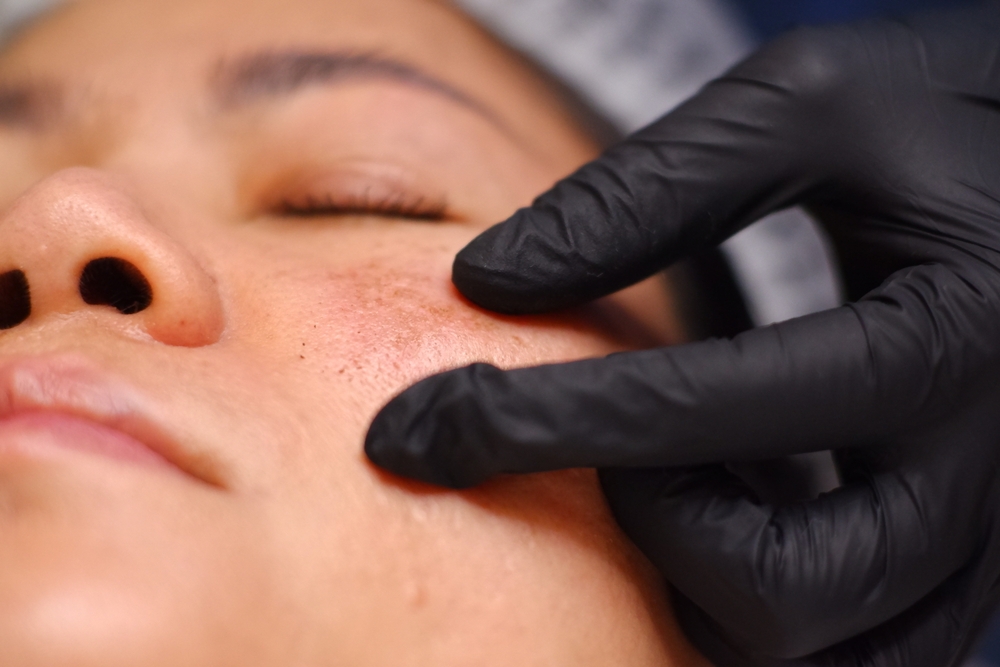
Diagnosing melasma near Boston, Massachusetts, begins with a detailed skin examination and medical history review. Your dermatologist will assess sun exposure habits, hormonal influences, skincare products, and family history.
In some cases, specialized tools are used to determine whether pigmentation sits on the surface, deeper in the skin, or both. This information is essential for choosing safe and effective treatment options.
Medical-Grade Topical Treatments
Prescription topical therapies are often the foundation of melasma treatment. These medications help regulate pigment production, encourage healthy skin turnover, and gradually fade discoloration. Improvement takes time and consistency is critical. Most patients require several weeks or months of regular use to see visible changes. Interrupting treatment early often leads to recurrence or uneven results.
Many patients benefit from a combination approach that evolves over time. Treatment plans are often adjusted based on skin response, seasonal sun exposure, and lifestyle changes. Regular follow-ups allow your dermatologist to fine-tune care, address new triggers early, and keep pigmentation under control long term.
In-Office Procedures That Enhance Results
In-office treatments may be recommended to complement topical therapy. Chemical peels can improve surface pigmentation, while select laser or light-based treatments may address deeper discoloration.
These procedures must be chosen carefully, as overly aggressive treatment can increase inflammation and worsen melasma. A dermatologist determines when and if these options are appropriate based on skin type and pigment depth.
Sun Protection and Lifestyle Adjustments
Sun protection is a critical part of treating melasma. Daily broad-spectrum sunscreen, protective clothing, and limiting sun exposure help prevent flare-ups.
Dermatologists also review skincare routines, heat exposure, and lifestyle habits that may contribute to pigmentation. Without these adjustments, even the most advanced treatments may fail to deliver lasting results.
Long-Term Management and Maintenance
Melasma is a long-term condition that requires ongoing management rather than a one-time solution. Maintenance plans often include continued topical therapy, periodic in-office treatments, and routine skin evaluations.
Seasonal changes, stress, and hormonal shifts can all influence pigmentation activity. Patients who remain consistent with maintenance care typically experience more stable and predictable improvement over time.
Treat Melasma Near Boston at Vibrant Dermatology
For personalized evaluation and to treat melasma near Boston, schedule a consultation with Vibrant Dermatology & Aesthetics at our Dedham or Milton, MA, location. Our experienced team provides comprehensive dermatologic care tailored to your skin.
Call 617-250-0257 to speak with an experienced member of our team or schedule your consultation online and take the next step toward clearer, more even-toned skin near Boston, Massachusetts.
