
Vibrant Dermatology

Book SkinBar MD Book Dermatology
(617) 250-0257
MENU
  • HOME
  • SHOP
  • ABOUT US
    • Meet Dr. Ip
    • Meet Our Staff
    • Why Vibrant Dermatology
    • Dr. Ip In the News
    • Featured Videos
    • Blog
    • Get Dr. Ip’s E-Book
    • Gap Year Program
    • Contact Us
  • Patient Resources
    • Appointment Policies
    • Insurance Information
  • Before and Afters
  • (617) 250-0257
  • (617) 540-5524
  • online bill pay
  • Book an Appointment
  • Medical Dermatology
    • Acne
    • Allergic Reactions
    • Autoimmune Disorders
    • Benign Growths: Seborrheic Keratoses, Skin Tags
    • Birthmarks, Brown Spots, Moles
    • Cysts
    • Eczema/Rashes
    • Excessive Sweating (Hyperhidrosis)
    • Hair Loss
    • Hives
    • Hyperpigmentation/Brown Spots
    • Keloids
    • Lipomas
    • Melanoma
    • Melasma
    • Nail Fungus
    • Psoriasis
    • Scars
    • Shingles
    • Skin Cancer
    • Skin of Color
    • Vitiligo
  • Surgical Dermatology
    • Cyst Removal
    • Lipoma Removal
    • Mole and Benign Lesion Removal
    • Skin Cancer Surgery
  • Pediatric Dermatology
    • Acne
    • Birthmarks
    • Eczema
    • Moles and Brown Spots
    • Skin Allergies
    • Skin Cancer
  • Cosmetic Dermatology
    • Aqua Facial
    • Neurotoxin (Jeuveau)
    • Chemical Peels
    • Era Elite Laser
    • Hair Loss Treatment
    • IPL Treatment
    • Juvederm
    • Kerafactor
    • LaseMD
    • Laser Treatment for Facial Veins
    • Melasma & Hyperpigmentation Treatments
    • NeoClear Laser Acne Treatment
    • NeoSkin Skin Rejuvenation Treatment
    • Non Surgical Face Lift “Liquid Lift”
    • PRP Treatment
    • PRX Skin Revitalization
    • Radiesse
    • Restylane
    • RF Microneedling
    • Sculptra
    • Sofwave Skin Tightening
    • Stretch Marks Treatment
    • Scalp Revive
  • Wellness
    • Sexual Wellness
    • O-Shot
  • Home
  • Shop
  • About Us
    • Meet Dr. Ip
    • Meet Our Staff
    • Why Vibrant Dermatology
    • Dr. Ip In the News
    • Featured Videos
    • Blog
    • Get Dr. Ip’s E-Book
    • Gap Year Program
    • Contact Us
  • Services
    • Medical Dermatology Services
    • Surgical Dermatology
    • Pediatric Dermatology
    • Cosmetic Dermatology
    • Health and Wellness
      • Sexual Wellness in Dedham, MA
      • Weight Loss in Dedham, MA
  • Before and After Gallery
  • Book Appointment
  • All Products
  • Online Bill Pay

Why Do I Keep Getting Dry, Flaky Patches on My Skin?

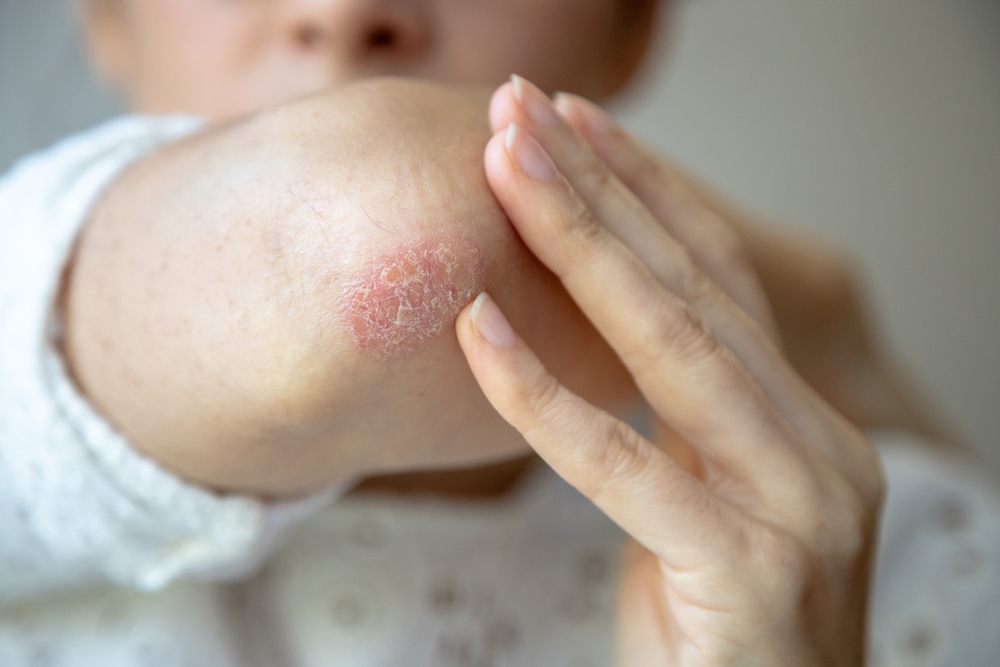
dry flaky patches on skin

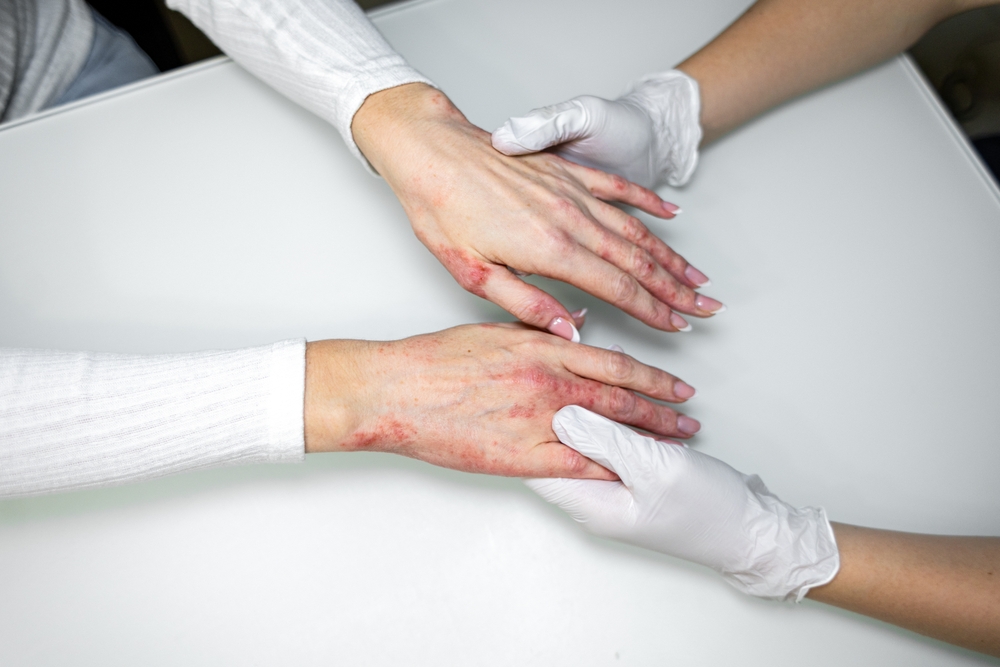
Dry patches that appear once in winter and clear up with moisturizer are rarely a concern. The kind that keep coming back, resist basic treatment, or show up in the same spots repeatedly are telling a different story.

Why do I keep getting dry, flaky patches on my skin is a question that almost always has a specific answer. Finding that answer requires looking beyond the weather and the products you are using.

This post covers the most common medical and lifestyle causes of recurring dry patches and when professional evaluation is the right next step.

Why Moisturizer Alone Is Not Always Enough

Basic dry skin responds to proper hydration because the issue is environmental. Cold air, low humidity, and hot showers strip moisture from the skin surface.

When dry patches keep returning despite consistent moisturizing, the problem usually runs deeper. Something is disrupting the skin barrier itself rather than simply drying the surface.

A compromised barrier allows moisture to escape and irritants to penetrate. This cycle continues regardless of how often you apply cream.

Eczema: a Common Cause of Recurring Dry Patches

Eczema disrupts the skin’s ability to hold moisture by compromising its outer barrier layer. Without a functional barrier, water escapes constantly and irritants move in.

This is why eczema-prone skin feels perpetually dry even with consistent moisturizing. The underlying structural defect is the problem, not the moisturizer itself.

Treatment focuses on repairing the barrier while identifying what triggers each individual flare. Prescription options have advanced significantly and can provide long-term control for patients who have struggled for years.

Why Do I Keep Getting Dry, Flaky Patches on My Skin?

Psoriasis is driven by an immune system malfunction that accelerates skin cell production far beyond normal rates. Cells that typically shed in weeks are replaced in days.

That buildup cannot clear fast enough, so it accumulates on the surface as thick, scaly plaques. The result looks and feels very different from ordinary dryness.

Psoriasis often goes undiagnosed for years because patients assume it is simply dry skin. A dermatologist can distinguish it quickly and recommend treatments that target the immune trigger directly.

Seborrheic Dermatitis and the Scalp Connection

Seborrheic dermatitis produces flaking that is oily and yellowish rather than dry and powdery. This texture difference is one of the clearest signs it is not standard dry skin.

The condition is tied to a naturally occurring skin yeast that becomes overactive in certain conditions. Hormonal shifts, stress, and seasonal changes all influence how aggressively it flares.

Over-the-counter dandruff shampoos manage mild scalp involvement but rarely address facial or body involvement adequately. Prescription antifungal treatments produce more reliable and longer-lasting control.

Why Do I Keep Getting Dry, Flaky Patches on My Skin Despite a Good Routine?

Skincare products themselves are sometimes the culprit. Fragrances, preservatives, and alcohol in cleansers and moisturizers trigger contact dermatitis in sensitive skin.

Patients wondering why do I keep getting dry, flaky patches on my skin despite diligent care are often reacting to something they apply daily without realizing it. Patch testing identifies the specific allergen driving the reaction.

Switching to fragrance-free, hypoallergenic formulations often resolves the problem once the trigger is identified and removed.

When Thyroid and Nutritional Factors Play a Role

Hypothyroidism slows the body’s metabolic processes, including skin cell renewal. Dry, rough, flaky skin that does not respond to topical treatment is a known symptom of underactive thyroid function.

Deficiencies in zinc, vitamin D, and essential fatty acids also affect skin barrier integrity. These are worth evaluating when dry patches persist without an obvious dermatological cause.

A dermatologist will consider systemic factors during a thorough skin evaluation. Sometimes the skin is reflecting something happening internally rather than a surface-level issue.

Get to the Root of Your Dry, Flaky Patches on Your Skin at Vibrant Dermatology

Recurring dry, flaky patches deserve a real diagnosis rather than another moisturizer.

Vibrant Dermatology in Dedham, MA, and Milton, MA, offers comprehensive skin evaluations for all types of chronic skin conditions.

Book your appointment online or call our office at 617-250-0257 to schedule today and discover how you can get rid of those pesky dry, flaky patches on your skin.

What Could Be Causing This Rash That Won’t Go Away on Its Own?

rash that won't go away on its own

A rash that clears up in a day or two is usually nothing to worry about. A rash that won’t go away for weeks, keeps returning, or spreads to new areas is a different story.

What could be causing this rash that won’t go away is one of the most common questions dermatologists field. The answer depends on where it is, what it looks like, and what makes it better or worse.

This post covers the most likely culprits behind a persistent rash and when it is time to get a professional diagnosis.

Why Some Rashes Refuse to Clear on Their Own

The skin is the body’s largest organ and one of its most expressive. Rashes are how it signals everything from allergic reactions to autoimmune activity to infection.

A rash that does not respond to basic treatment is usually communicating something specific. Identifying that signal requires more than guesswork and hydrocortisone cream.

Chronic rashes often involve a trigger that keeps reactivating the immune response. Without removing or managing that trigger, the rash has no reason to resolve.

Eczema: the Most Common Cause of Recurring Rashes

Eczema produces dry, intensely itchy patches that flare in response to irritants, allergens, and stress. It most commonly appears on the inner elbows, behind the knees, and on the neck and hands.

The barrier function of eczema-prone skin is compromised. This allows moisture to escape and irritants to penetrate more easily than they would in healthy skin.

Flares can last days or weeks and often cycle back without warning. Managing eczema requires identifying personal triggers alongside consistent treatment.

What Could Be Causing This Rash That Won’t Go Away if It’s Scaly?

Psoriasis produces thick, silvery-scaled patches that most commonly appear on the scalp, elbows, knees, and lower back. It is an autoimmune condition, not a skin infection.

The immune system mistakenly accelerates skin cell turnover, producing cells faster than the body can shed them. The buildup creates the characteristic scaling and inflammation.

Psoriasis is chronic and cannot be cured, but it can be effectively managed. Treatment ranges from topical therapies to biologics depending on severity.

Contact Dermatitis and Allergic Triggers

Contact dermatitis develops when the skin reacts to something it has touched. Common triggers include fragrances, preservatives, nickel, latex, and certain plant compounds.

The rash typically appears where contact occurred, though allergic reactions can sometimes spread beyond the initial exposure site. Patch testing by a dermatologist identifies the specific allergen driving the reaction.

Avoiding the trigger resolves the rash in most cases. The challenge is identifying which of the dozens of daily exposures is actually responsible.

What Could Be Causing This Rash That Won’t Go Away on Your Face Specifically?

Facial rashes that persist often involve rosacea, seborrheic dermatitis, or perioral dermatitis rather than eczema or psoriasis. Each has distinct characteristics that guide treatment.

Rosacea causes central facial redness with visible blood vessels and sometimes acne-like bumps. It flares in response to heat, alcohol, spicy food, and sun exposure.

Seborrheic dermatitis produces flaky, oily patches around the nose, eyebrows, and hairline. It is driven by a yeast that lives naturally on skin and becomes overactive in certain conditions.

When a Persistent Rash Needs Professional Evaluation

Patients asking what could be causing this rash that won’t go away should not wait indefinitely for it to resolve on its own. Some rashes signal conditions that worsen without treatment.

A dermatologist performs a visual assessment, reviews your history, and sometimes orders a biopsy or patch test to confirm the diagnosis. Accurate diagnosis is the only reliable path to the right treatment.

The sooner a persistent rash is evaluated, the sooner it can be properly managed.

Find Out What Your Skin Is Trying to Tell You, Call Our Experts Today to Schedule Your Appointment

A rash that keeps coming back deserves a real answer. Vibrant Dermatology in Dedham, MA, and Milton, MA, offers thorough skin evaluations for all types of chronic and recurring rashes.

Book your appointment online or call our office at 617-250-0257 to schedule today and discover how you can get rid of that pesky rash that won’t go away on its own.

Proven Dermatology Treatments for Melasma Near Boston, MA

treatment for melasma near Boston

Melasma can be stubborn, frustrating, and difficult to manage without expert care. If you’re searching for effective dermatology treatments for melasma near Boston, Massachusetts, professional evaluation and a personalized plan are essential for achieving visible, lasting improvement.

Understanding Melasma

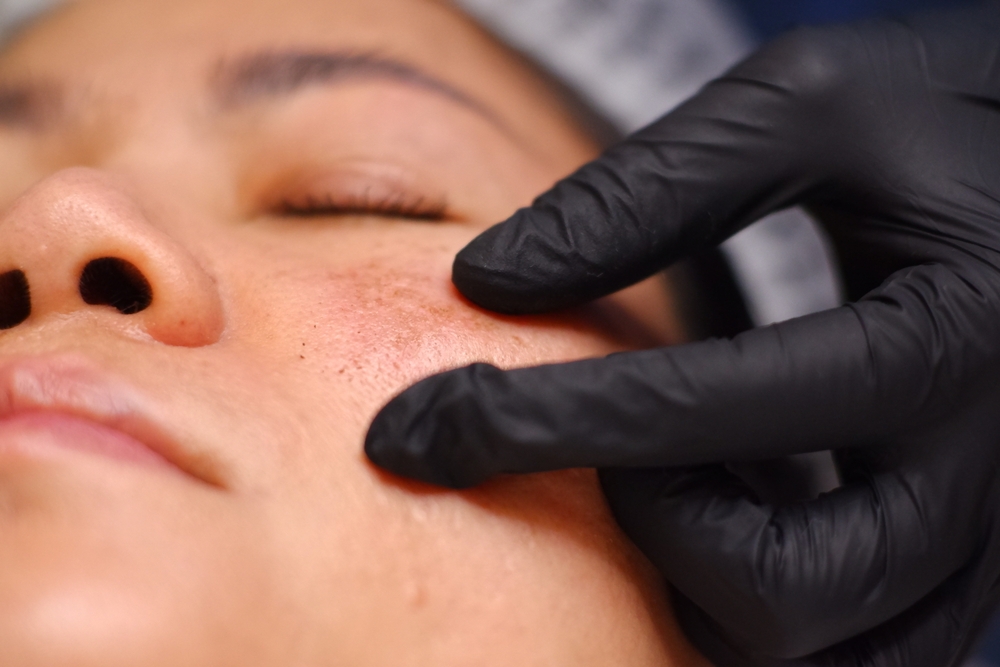
Melasma causes brown or gray-brown patches that typically appear symmetrically on the cheeks, forehead, nose, and upper lip. While it isn’t dangerous, it is chronic and often triggered by sun exposure, hormones, heat, and genetics. Because melasma behaves differently than other pigmentation concerns, it requires a targeted dermatology-based approach.

Professional Treatments for Melasma Near Boston: Why They Matter

Over-the-counter products rarely penetrate deeply enough to manage melasma. Dermatologists evaluate pigment depth, triggers, and skin type to avoid treatments that could worsen discoloration. Professional care focuses on control, not quick fixes.

Prescription Topical Therapies

One of the most common dermatology treatments for melasma near Boston, Massachusetts, involves medical-grade topical medications. These formulations help regulate pigment production and support skin renewal. Consistent use over time is critical, as results develop gradually rather than overnight.

In-Office Dermatology Treatments for Melasma Near Boston

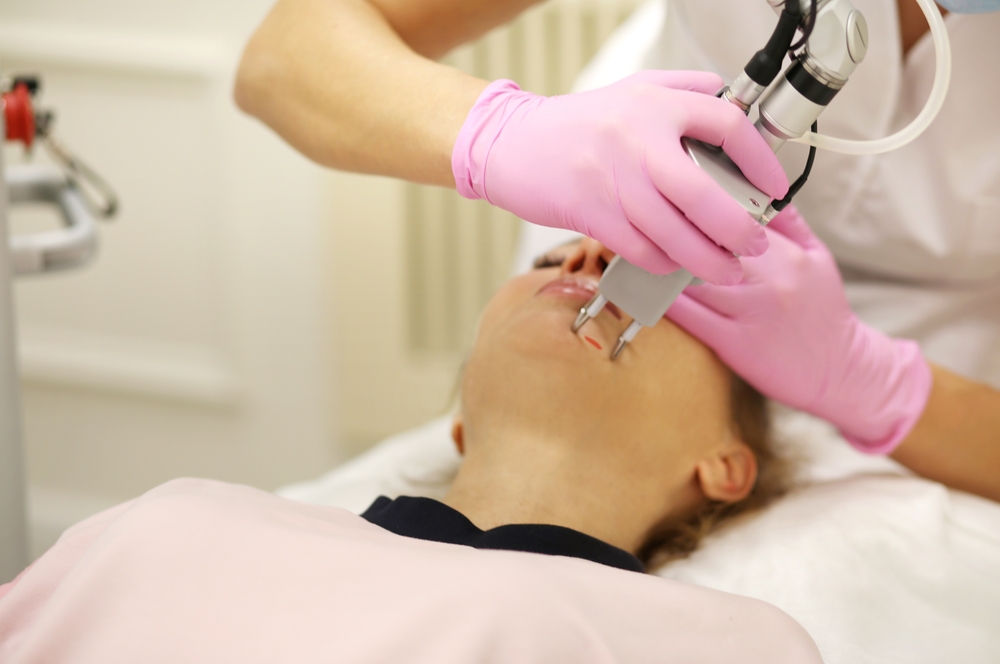
In-office procedures may be used to enhance topical therapy. Chemical peels can improve surface pigment, while carefully selected laser or light-based treatments may target deeper discoloration. These options must be chosen conservatively to reduce inflammation and prevent flare-ups.

Sun Protection as Treatment

Sun exposure is the strongest melasma trigger. Daily broad-spectrum sunscreen, protective clothing, and sun avoidance are considered part of treatment, not optional extras. Without strict sun protection, even the best dermatology treatments may fail.

Lifestyle and Hormonal Factors

Managing melasma also involves identifying triggers beyond the skin. Hormonal changes, heat exposure, and certain skincare products can worsen pigmentation. Dermatologists help patients adjust routines to support treatment success.

Long-Term Management for Best Results

Melasma requires ongoing care. Maintenance plans often include continued topical therapy, periodic treatments, and routine skin evaluations to keep pigment stable over time.

For personalized dermatology treatments for melasma near Boston, Massachusetts, schedule a consultation with Vibrant Dermatology & Aesthetics.

Call 617-250-0257 to speak with an experienced member of our team or schedule your consultation online and begin a treatment plan designed to restore clearer, more even-toned skin.

How to Diagnose and Treat Melasma Near Boston, MA

patient with melasma near Boston MA

Melasma is a chronic pigmentation condition that affects many people in the Boston area, particularly those with frequent sun exposure or hormonal changes.

If you are seeking professional care for melasma near Boston, Massachusetts, understanding how this condition is diagnosed and treated can help set realistic expectations and lead to better long-term results.

Understanding What Melasma Is

Melasma appears as symmetrical brown or gray-brown patches, most often on the cheeks, forehead, bridge of the nose, and upper lip. While the condition is not dangerous, it can be persistent and difficult to manage without professional care.

Sun exposure is the primary trigger, but pregnancy, birth control, hormone therapy, genetics, and certain medications can also stimulate pigment overproduction. Heat and visible light may worsen discoloration as well, making melasma particularly challenging in warmer months.

Why Accurate Diagnosis Is Essential

Many pigmentation concerns look similar on the surface, but they are not treated the same way. Sunspots, post-inflammatory hyperpigmentation, and melasma can overlap in appearance.

If you treat melasma near Boston incorrectly may worsen discoloration or cause irritation. A dermatologist evaluates pigment depth, symmetry, and triggers to ensure treatment targets the correct condition. Accurate diagnosis prevents unnecessary procedures and protects long-term skin health.

Diagnosing Melasma Near Boston

Diagnosing melasma near Boston, Massachusetts, begins with a detailed skin examination and medical history review. Your dermatologist will assess sun exposure habits, hormonal influences, skincare products, and family history.

In some cases, specialized tools are used to determine whether pigmentation sits on the surface, deeper in the skin, or both. This information is essential for choosing safe and effective treatment options.

Medical-Grade Topical Treatments

Prescription topical therapies are often the foundation of melasma treatment. These medications help regulate pigment production, encourage healthy skin turnover, and gradually fade discoloration. Improvement takes time and consistency is critical. Most patients require several weeks or months of regular use to see visible changes. Interrupting treatment early often leads to recurrence or uneven results.

Many patients benefit from a combination approach that evolves over time. Treatment plans are often adjusted based on skin response, seasonal sun exposure, and lifestyle changes. Regular follow-ups allow your dermatologist to fine-tune care, address new triggers early, and keep pigmentation under control long term.

In-Office Procedures That Enhance Results

In-office treatments may be recommended to complement topical therapy. Chemical peels can improve surface pigmentation, while select laser or light-based treatments may address deeper discoloration.

These procedures must be chosen carefully, as overly aggressive treatment can increase inflammation and worsen melasma. A dermatologist determines when and if these options are appropriate based on skin type and pigment depth.

Sun Protection and Lifestyle Adjustments

Sun protection is a critical part of treating melasma. Daily broad-spectrum sunscreen, protective clothing, and limiting sun exposure help prevent flare-ups.

Dermatologists also review skincare routines, heat exposure, and lifestyle habits that may contribute to pigmentation. Without these adjustments, even the most advanced treatments may fail to deliver lasting results.

Long-Term Management and Maintenance

Melasma is a long-term condition that requires ongoing management rather than a one-time solution. Maintenance plans often include continued topical therapy, periodic in-office treatments, and routine skin evaluations.

Seasonal changes, stress, and hormonal shifts can all influence pigmentation activity. Patients who remain consistent with maintenance care typically experience more stable and predictable improvement over time.

Treat Melasma Near Boston at Vibrant Dermatology

For personalized evaluation and to treat melasma near Boston, schedule a consultation with Vibrant Dermatology & Aesthetics at our Dedham or Milton, MA, location. Our experienced team provides comprehensive dermatologic care tailored to your skin.

Call 617-250-0257 to speak with an experienced member of our team or schedule your consultation online and take the next step toward clearer, more even-toned skin near Boston, Massachusetts.

Problems We Treat

In the Clear

Acne: Adults & Teens

lllumination

Hyperpigmentation, Sun Spots, Melasma

Red, Red Go Away

Rosacea, Facial Redness, Sensitive Skin

Tall Drink of Water

Excessively Dry Skin, Eczema

Fountain of Youth

Anti-Aging, Skin Rejuvenation

Mommy & Me Skin Care

For Pregnant & Nursing Mothers

Just for Kids

Skin Care For Those 12 & Under
Contact
Vibrant Dermatology
588 Providence Hwy
Dedham MA 02026
Phone: (617) 250-0257

Vibrant Dermatology
1 Central Ave.
Milton MA 02186
(entrance at 131 Eliot St.)
Phone: (617) 250-0257

© 2026 Vibrant Dermatology | Site Map | TOS/Privacy Policy | Vibrant Dermatology