
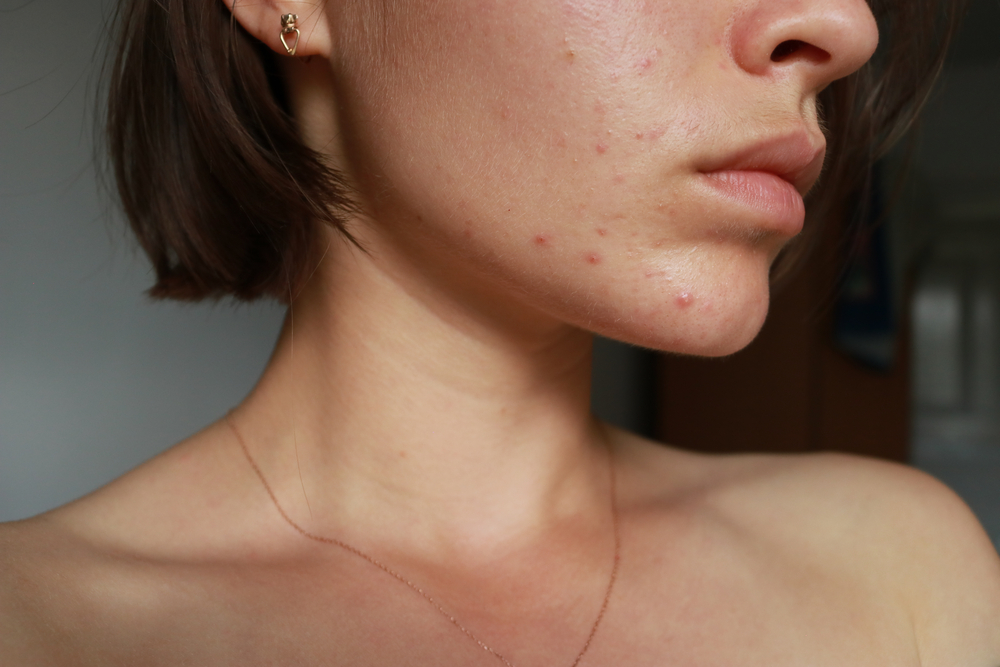
Adult acne is far more common than most people realize! In fact, many individuals in their 30s, 40s, and beyond experience acne symptoms at some point in their lives.
While this skin concern for teenagers well known, adult acne is different. Causes, triggers, and treatments often vary from acne that develops during adolescence.
Below, we explain what adult acne is, its common triggers, and how top-rated experts in your area can help you get clear and glowing skin today!
Understanding Adult Acne Near Boston
While some causes of adult acne are the same as acne during adolescence, adult acne differs in many ways.
The differences between teenage and adult acne include the location where breakouts develop. Adult acne more commonly occurs along the jawline, chin, and lower third of the face.
Hormones, stress, skin sensitivity, and other factors influence adult acne. As such, adult acne care is often more customized than what is required during the teenage years.
Why Does Adult Acne Occur?
The most common reason for adult acne is hormonal changes. For women, fluctuations during the menstrual cycle, pregnancy, perimenopause, and menopause may trigger acne symptoms.
Stress is another leading cause due to the way it impacts hormone levels and skin oil production.
Environmental exposure, skincare habits, and lifestyle factors may also play a role in acne symptoms.
Facial products that clog pores, improper cleansing, and other environmental and skincare factors may also worsen adult acne.
How is Adult Acne Different from Teenage Acne?
Adult acne is often more inflammatory, leading to deeper blemishes rather than surface-level whiteheads or blackheads.
Breakouts are often more persistent and take longer to heal. Adults may also experience more post-inflammatory hyperpigmentation and scarring.
The skin also tends to be drier and more sensitive with age, requiring more gentle approaches. For these reasons, adult acne care requires a highly personalized approach.
Common Triggers
Acne can develop due to a combination of factors, but several common acne triggers exist. Hormonal fluctuations are one of the most common causes of adult acne.
Stress also leads to increased cortisol levels, which can trigger oil glands. Skincare or cosmetic products may clog pores, worsening acne breakouts.
Diet and other lifestyle factors may play a role as well, although not all cases of adult acne are linked to diet. Additionally, sleep and chronic stress can affect the skin’s ability to heal itself.
Evaluation and Examination
Before beginning treatment, proper examination is important to ensure acne care is directed to the right cause. The clinical assessment considers acne type, distribution, severity, and skin sensitivity levels.
It also reviews the medical history, lifestyle, and prior acne treatment. Examining and differentiating acne type helps to understand if it is inflammatory, hormonal, or related to other health conditions.
Treatment Options
Adult acne can be successfully treated with medical and procedural treatment options.
Topical therapies help to regulate oil production, unclog pores, and calm inflammation. In some cases, oral medications may be necessary to help manage hormonal imbalance or bacterial issues.
In-office procedures are also used to reduce acne symptoms. Chemical exfoliation helps unclog pores and reduce excess oil.
Light-based treatments may help reduce inflammation and acne-causing bacteria. The treatment plan for adult acne is customized based on a patient’s skin, severity, and skin goals.
Personalized Treatment Approach
Treating this skin concern often requires a more customized approach than that for a teenage.
Treatment for adults require customization based on skin type, severity, and contributing factors such as hormones or inflammation.
Prescription-strength topical treatments, oral medications (if necessary), and in-office procedures are often combined to help calm current breakouts and facilitate skin healing.
Regular follow-up appointments and ongoing evaluation ensure that treatment plans can be adapted as the skin responds.
This approach also allows us to target the underlying acne factors contributing to recurrence, helping to prevent future breakouts.
Consistency is Key for Success
One of the most important factors for successful treatment is consistency. Clearer skin usually takes time, often a few weeks to several months.
Trying multiple products or altering the treatment plan frequently can interrupt progress. A consistent treatment plan is necessary for the skin to heal and become adjusted to the care.
Prevention of Future Acne Breakouts
Preventing future acne involves maintaining a gentle skincare regimen that does not irritate the skin or cause inflammation.
Cleansing, moisturizing, and protecting the skin from the sun daily also help to support skin health.
Stress management, quality sleep, hydration, and nutrition can also impact skin health and acne.
Maintenance and Long-Term Skin Health
After initial improvement of acne, ongoing maintenance care is important to prevent recurrence and support long-term skin health.
Periodic check-ups with your provider helps maintain skin health and allows for treatments to be adjusted as the skin changes with time.
With consistent care and maintenance, most people can achieve long-term clearer skin!
Seeking Professional Care For Acne
Professional acne treatment is recommended if acne persists, worsens, or begins to impact an individual’s confidence.
Early intervention often leads to improved outcomes and reduces scarring. If acne is persistent or worsening, don’t wait to contact our office.
Contact Us Today, Get Clear Glowing Skin Free From Adult Acne Tomorrow!
Our customized skin care plans can make a real difference to your skin. Dr. Ip is a Harvard educated, ivy-league trained dermatologist, as well as an expert contributor to over 200 magazines.
Call our office at 617-250-0257 today to speak with our an experienced staff member or schedule your appointment online and begin your journey to healthier, clearer skin.
